
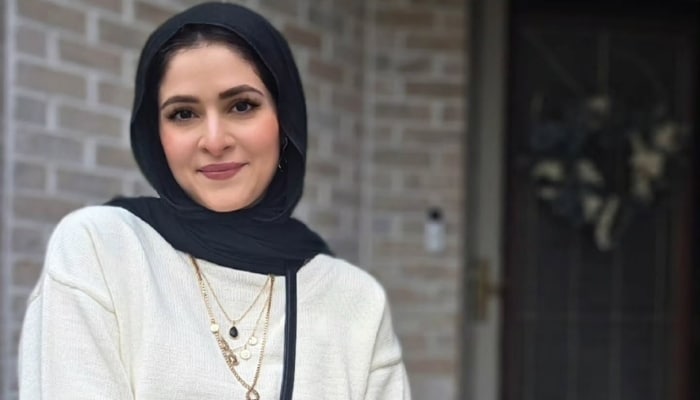

In a viral video interview, former television star Arij Fatima reflects on her health battle, confronting the fear of hair loss, and the turning point that reshaped her perspective on faith and life.
Former Pakistani television actress Arij Fatima has shared the personal journey behind her decision to continuously cover her head, revealing that a cancer diagnosis served as a profound turning point in her life.
A video clip from a recent interview featuring the former actress has been circulating widely across social media platforms, drawing widespread attention from fans and followers. During the conversation, she discussed her medical diagnosis, the initial anxieties surrounding physical changes, and her evolving spiritual outlook.

“Many people ask me why I started covering my head,” Arij Fatima said during the interview. “When I was diagnosed with cancer, my biggest fear was that I would lose my hair. I was very proud of my hair, and its loss worried me the most because hair is often a source of confidence for a woman.”
She recalled how she initially bargained with her circumstances, telling herself that she would adopt a head covering once her hair fell out due to treatment. However, she noted that her hair did not end up falling out, a realization that later prompted deep introspection.
“Looking back, that thought process became a source of regret for me—why did I think I would only embrace modesty when I became bald?” she reflected.
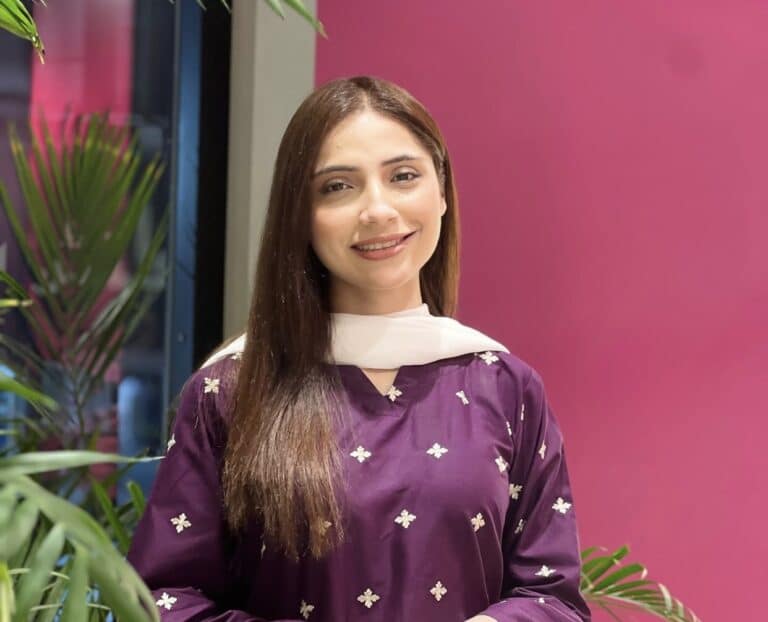


Describing a pivotal shift in her worldview, the former actress shared that she began participating in the ritual washing of the deceased (*ghusl*), an experience that starkly reminded her of the fragility of human existence.
“That was a turning point for me. I began to feel that anything could happen at any time,” she said. “Illness was written in my destiny, but I also had to look at how the Almighty created ease for me throughout the process.”
Reflecting on the swift detection and treatment of her illness, she expressed gratitude for her recovery. She noted that the specific condition she faced is often difficult to diagnose in many individuals, yet her diagnosis and subsequent treatment occurred rapidly.


Addressing societal reactions and negative comments regarding illnesses, she urged people to maintain trust and patience during difficult times.
“Some people tell me it is a punishment for sins, but let me clarify that illness is pre-written in your destiny. Never let go of the bond of trust in God,” she concluded.