
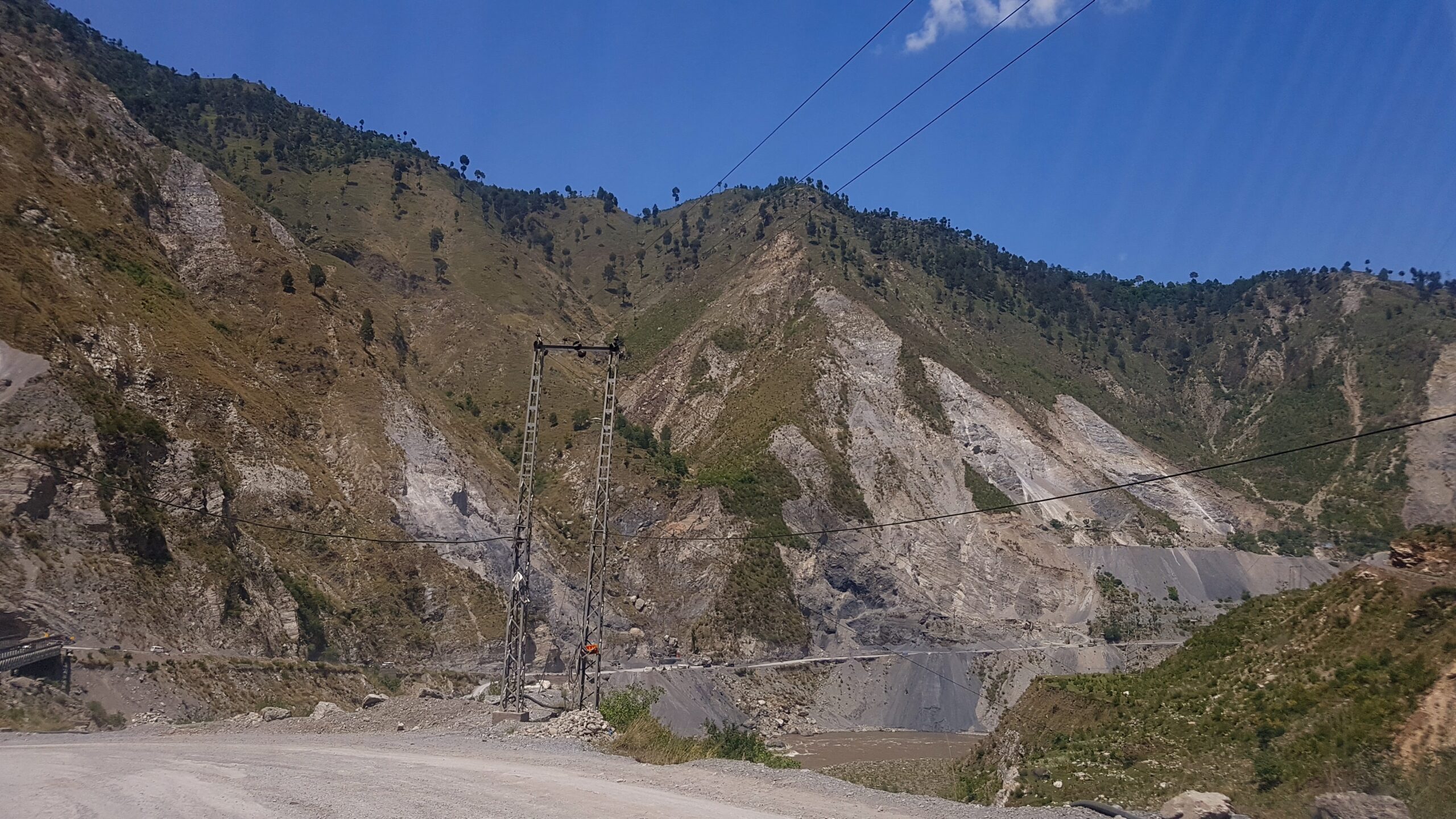
Two fatal crashes in quick succession in late October have renewed attention on road safety in Azad Jammu and Kashmir (AJK): four children died in a van crash in Neelum Valley, and seven people were killed when a passenger jeep plunged down a steep slope near Muzaffarabad. The incidents, reported by police and local officials, underline the risks faced by people travelling on mountain roads — and the need to look beyond driver behaviour to the safety of roads, vehicles and emergency services.
The World Day of Remembrance for Road Traffic Victims is observed on the third Sunday of November. Its purpose is not only to remember people killed or injured in crashes, but also to support affected families and press for action that prevents further deaths. In AJK, that means better information about crash locations, safer treatment of bends and slopes, and a more dependable response when a vehicle leaves the road.
Recent crashes show the human cost
In Neelum Valley, a van travelling from Nagdar plunged into a ravine near the Karen Bypass Link Road. The crash occurred near Ghoray Nakkah Curve, a sharp blind turn, and four children from the same family died, according to a report by The Express Tribune citing Neelum Valley police.

In a separate incident the following day, seven occupants of a passenger jeep died after it went out of control on a landslide-affected stretch near Sathra Podemar, north-east of Muzaffarabad. The vehicle fell down a steep slope, according to The Express Tribune’s report, which cited police and local administration officials.
These reports describe two individual incidents. They do not, by themselves, establish the cause of either crash or prove that one factor explains accidents across the region. But they show why blind curves, unstable slopes, road-surface conditions and the protection available when a vehicle leaves the carriageway deserve systematic attention.
What the published figures show — and what they do not
The AJK Police website’s current frequently asked questions page cites 395 traffic accidents and 151 deaths in 2023. Its separate Traffic Accidents page lists annual sections from 2019 to 2023.
A report published by The News in April 2025, citing official statistics, gives a different breakdown: 409 road accidents in AJK in 2024, including 111 fatal crashes and 298 non-fatal crashes. For 2023, the report lists 391 accidents, of which 115 were classified as fatal. A fatal crash is not the same as a death count: one crash can kill more than one person. The 2023 totals also differ slightly between the two published sources, so they should not be combined as though they were one consistent series.
The distinction matters. A useful public dataset should separately record the number of crashes, the number of people killed, the number injured and the severity of injuries. It should also show the district, road segment, time, vehicle type and relevant conditions, such as rain, snow, fog or a landslide. Without those details, authorities and communities cannot reliably identify the locations where preventive work could have the greatest effect.
National figures also require careful interpretation. The World Health Organization’s 2023 Pakistan road-safety profile lists 5,816 reported road deaths in 2021 and a WHO estimate of 27,568 for the same year. These are different measures produced through different methods, and the national estimate is not an AJK-specific count. The gap is a reminder that reported figures and modelled estimates must be labelled clearly rather than treated as interchangeable.


Why mountain roads need a safe-system approach
The World Health Organization says about 1.16 million people die in road crashes each year worldwide. More than 90 per cent of road deaths occur in low- and middle-income countries, and more than half involve vulnerable road users, including pedestrians, cyclists and motorcyclists. The WHO’s safe-system approach starts from a practical principle: people make mistakes, so the transport system must be designed to reduce the chance that an error becomes a death or a life-changing injury.
In mountainous districts, that principle has specific implications. A driver may misjudge a bend or encounter loose material after a landslide, but the consequences are shaped by road design and the protection around it. On high-risk sections, engineering reviews should consider properly designed crash barriers, reflective curve markers, clear warning signs, visible road edges, adequate drainage and measures to stabilise slopes. Barriers must be selected and installed for the location and the vehicles using the road; a barrier that is poorly placed or unsuitable is not a substitute for a safety assessment.
Speed also matters. The WHO reports that every one per cent increase in average speed is associated with a four per cent increase in the risk of a fatal crash. Speed limits should therefore reflect the geometry and condition of each road, especially near blind turns, steep descents, settlements and schools. Enforcement can support safer behaviour, but it cannot compensate for a road that gives drivers too little time or space to recover from an error.
Vehicle safety is another part of the system. Regular checks of brakes, tyres, steering and lights are particularly important for public-service vehicles operating on long or steep routes. Passenger limits, seat-belt use and motorcycle helmets need consistent enforcement. The WHO’s Pakistan profile identifies weaknesses in several areas of road-user protection, including seat-belt legislation and helmet standards; those national findings should inform scrutiny, while AJK-specific compliance data should be published separately.
Five priorities for AJK
- Map high-risk locations. Publish district-level crash data and identify recurring sites, including sharp bends, steep drop-offs, landslide-prone stretches and approaches to schools or busy settlements.
- Audit and improve road design. Inspect high-risk sections for barriers, road markings, reflective signs, drainage, slope stability and safe passing space. Prioritise engineering fixes using crash history and road-user exposure.
- Manage speed and vehicle condition. Set realistic limits for the road, check public-service vehicles and enforce rules on overloading, seat belts and helmets.
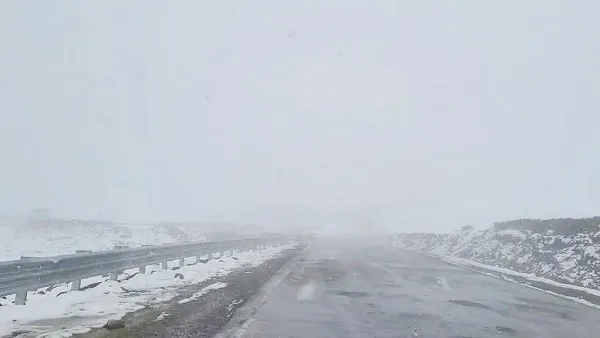
- Prepare for seasonal hazards. Establish clear inspection and travel-advisory procedures for snow, frost, heavy rain, fog and landslides. Temporary closures and reopening decisions should be communicated promptly and consistently.
- Strengthen post-crash care. Map ambulance coverage and referral routes, train local first responders and publish response-time information. In remote areas, delays in reaching professional care can make injuries more severe.
These priorities do not assume that every crash has the same cause. They are a framework for investigating risk before another family is left waiting for news from a ravine or a hospital. The authorities should also make crash investigations and road-safety audits available in a form that can be scrutinised by residents, engineers and elected representatives.
From remembrance to prevention
The World Day of Remembrance is promoted by the WHO and the United Nations Road Safety Collaboration under the theme “Remember. Support. Act.” Remembering victims must include support for families dealing with bereavement, disability, treatment costs and loss of income. It should also lead to measurable public action.
AJK already publishes some traffic-accident information, but the figures available to the public need to be timely, consistent and detailed enough to guide decisions. A yearly district-by-district record of crashes, deaths, injuries, vehicle types, locations and emergency response times would be a practical starting point. A public list of audited high-risk road sections, with progress on recommended repairs, would make prevention measurable.
For drivers, safe speeds, roadworthy vehicles, seat belts and helmets remain essential. For government, the responsibility is wider: design roads that anticipate human error, maintain them through changing seasons and ensure that help can reach people quickly after a crash. Road safety in AJK will improve when prevention is treated as a shared public responsibility, not simply a matter of blaming the person behind the wheel.
Readers can also consult The Azadi Times’ earlier report on Muzaffarabad’s digital driving-licence verification system and check current licence services through the AJK Police website.