
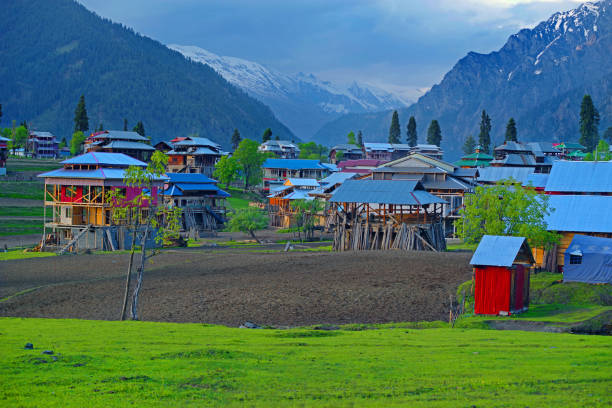

Updated July 2025 — Nestled along the rugged ceasefire line (Line of Control) in Pakistan-administered Kashmir, Neelum Valley AJK, affectionately known by locals as Wadi e Neelum, stretches like a 200+ kilometre crescent of emerald-green forests, glacial rivers, and towering granite peaks that could rival the most beautiful Alpine postcard.
For generations, this hidden gem has been a place where nature’s beauty meets the warmth of Kashmiri hospitality, drawing travellers, poets, and photographers alike to its winding trails and storybook villages.
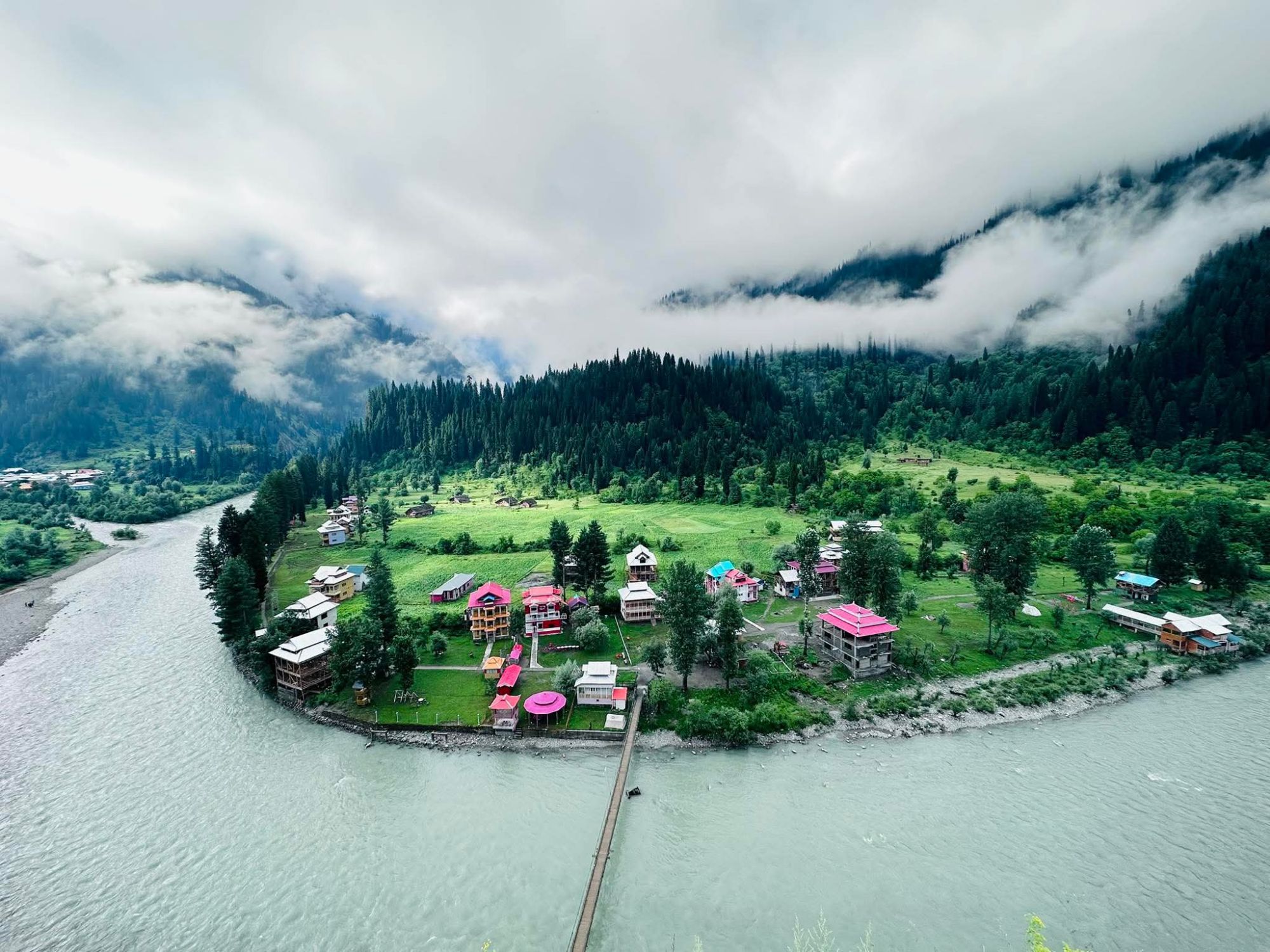
This updated guide blends the latest on-the-ground insights, crowd-sourced weather tips, and first-hand photographs to help you experience Neelum Valley not just as a tourist, but as a respectful guest of its resilient people and fragile landscape. Whether you dream of hiking to snow-dusted meadows, sipping chai by a roaring river, or simply soaking in the silence of its pine-covered hills, this guide will help you plan a safe, culturally sensitive, and truly unforgettable journey into the heart of Kashmir.

The Allure of Neelum Valley
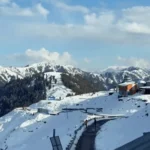

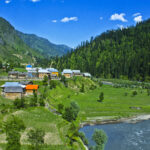

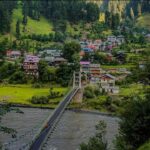
Stretching over 240 kilometers, Neelum Valley AJK is often referred to as the “Blue Gem of Pakistan” due to its vivid, unspoiled beauty. Positioned along the Neelum River, the valley is a medley of alpine forests, cascading waterfalls, and emerald green fields. Its high-altitude locations, remote villages, and breathtaking landscapes offer both serenity and adventure for those willing to explore.
Though it is part of the broader Kashmir region, Neelum Valley offers a distinctly different experience from its more heavily frequented neighbors. While Srinagar and the Indian-administered portions of Kashmir may be more well-known, Neelum Valley remains relatively untouched by mass tourism, giving it an aura of authenticity and untouched charm.
Why Neelum Valley AJK?
How to Reach Neelum Valley AJK
Traveling by Road
The most practical way to reach Neelum Valley is by road from Muzaffarabad, the capital of Azad Jammu & Kashmir. Muzaffarabad is accessible from major cities such as Islamabad, Rawalpindi, and Lahore. From there, travelers can journey into Neelum Valley, which is about 60 kilometers from Muzaffarabad. The roads leading to destinations like Kel, Sharda, and Kerimabad are scenic but can be narrow and winding, so travelers should be prepared for sometimes challenging road conditions, especially in winter.
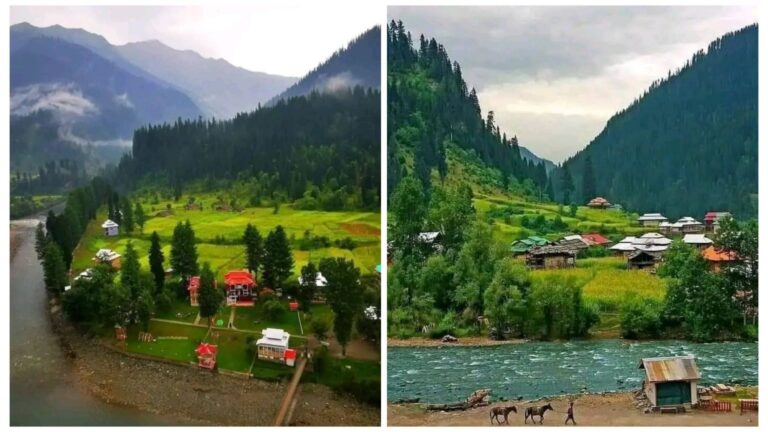
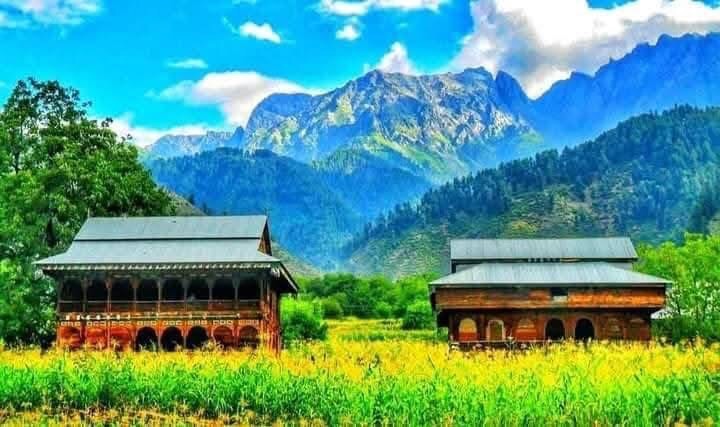
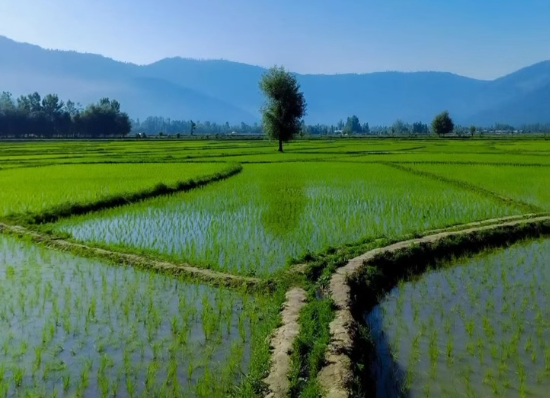
How to Reach Neelum Valley Kashmir
| Route | Distance | Drive Time | Road Condition (July 2025) |
|---|---|---|---|
| Islamabad → Muzaffarabad | 138 km | 3.5 h | Excellent (Murree Expressway) |
| Muzaffarabad → Athmuqam | 73 km | 2 h | Good asphalt |
| Athmuqam → Kel | 85 km | 3.5 h | Narrow, patched tarmac; 4×4 advised beyond Sharda |
| Kel → Taobutt | 38 km | 1.5 h | Gravel; landslides after rain |
By Air
While there are no direct airports within Neelum Valley, Benazir Bhutto International Airport in Islamabad is the nearest major airport. From there, travelers can either hire a taxi or take a bus to Muzaffarabad and then continue by road.
Best Time to Visit Neelum Valley AJK
Summer (May to September)
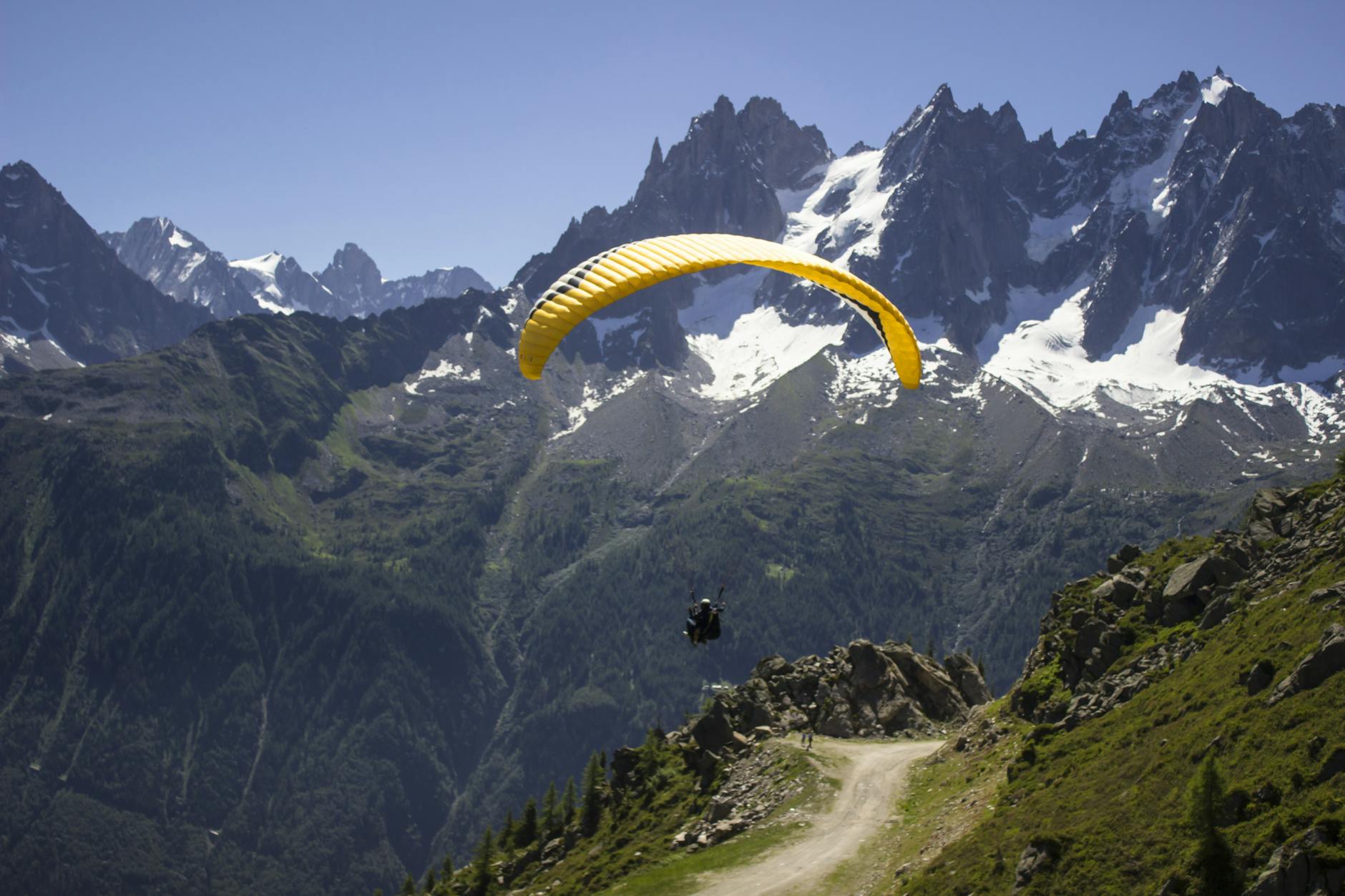
The best time to visit Neelum Valley is during the summer months, from May to September. The temperature is moderate, typically ranging between 15°C to 25°C (59°F to 77°F), making it perfect for outdoor activities like trekking, fishing, and sightseeing. During this period, the valley is in full bloom, with wildflowers carpeting the meadows and lush greenery stretching across the valley floor.

Winter (October to March)
For those seeking winter sports or snow-covered landscapes, Neelum Valley transforms into a snow-clad paradise during the winter months. However, heavy snowfall can make certain high-altitude areas inaccessible. Ratti Gali Lake and Kerimabad are among the areas most popular with visitors seeking a snowy retreat. Be prepared for freezing temperatures, which can drop well below 0°C (32°F).
Weather & Best Time to Visit Neelum Valley Chart
| Season | Months | Day Temp | Night Temp | Notes |
|---|---|---|---|---|
| Spring | Apr–May | 15–22 °C | 5–12 °C | Apricot bloom; streams high with snowmelt |
| Summer | Jun–Aug | 20–30 °C | 10–18 °C | Ideal for pictures by the river; monsoon landslides mid-Jul to Aug |
| Autumn | Sep–Oct | 12–25 °C | 3–10 °C | Clear skies, golden foliage, best for trekking |
| Winter | Nov–Mar | -2–10 °C | -8–2 °C | Road to Taobutt closed Jan–Feb; carry snow chains |
Top Attractions in Neelum Valley AJK
Kel: Gateway to Adventure
Situated at an altitude of around 2,000 meters, Kel is the starting point for many of Neelum Valley’s treks. Known for its picturesque meadows, towering mountains, and traditional Kashmiri wooden houses, Kel provides travelers with an unparalleled view of the valley below. From here, you can trek to Ratti Gali Lake, a high-altitude alpine lake renowned for its turquoise blue waters.
The village is also home to a Buddhist stupa and several ancient monasteries, highlighting the rich spiritual and cultural history of the area.
Sharda: The Historical Haven
Sharda is a small town with deep historical roots. It is home to the remains of Sharda University, an ancient center of learning dating back to the 9th century. Although much of the structure is now in ruins, the site remains a testament to the region’s intellectual and cultural significance in the past.
Aside from its historical value, Sharda is a serene locale with stunning views of the Neelum River, and it serves as an ideal base for hiking and exploration.
Ratti Gali Lake: A Jewel at High Altitude
One of the most sought-after destinations in Neelum Valley is Ratti Gali Lake, located at a staggering 3,700 meters (12,130 feet) above sea level. Accessible only by a challenging trek, the lake is famed for its mesmerizing blue waters, which contrast dramatically against the surrounding snow-capped mountains.
Though the trek to the lake can be strenuous, the effort is well worth it for the chance to witness one of Pakistan’s most pristine natural landscapes.
Kerimabad (Wadi-e-Neelum)
The charming village of Kerimabad lies in the heart of Neelum Valley, offering breathtaking views of the surrounding mountains and rivers. Known locally as Wadi-e-Neelum, Kerimabad is surrounded by apple orchards, terraced fields, and a network of clear streams. The village is also home to Dawar Fort, an iconic historical site, and several other cultural landmarks.
For those who enjoy cultural immersion, Kerimabad offers a glimpse into traditional Kashmiri life, with its wooden homes and hospitable residents.
Dawar: A Quiet Escape
For travelers seeking peace and solitude, Dawar offers a secluded experience deep within the valley. Surrounded by dense forests and rugged terrain, this small town offers a quiet retreat from the more populated areas of Neelum Valley. Here, visitors can engage in nature walks, fishing, and explore local handicrafts.
Activities and Experiences in Neelum Valley AJK
Trekking and Hiking
Neelum Valley offers a wealth of trekking and hiking opportunities, with trails leading to high-altitude lakes, historic sites, and stunning viewpoints. Some of the most popular treks include the journey to Ratti Gali Lake, the Kel to Alichi trek, and the hikes around Sharda and Kerimabad.
Fishing and Boating
The Neelum River and surrounding lakes are known for their abundance of trout fish, making Neelum Valley an ideal destination for fishing enthusiasts. For a more relaxed experience, visitors can enjoy boating in the calm waters of the river, especially around Sharda and Kel.
Cultural Immersion
Neelum Valley is home to a diverse range of communities, and visitors can explore its cultural heritage through local markets, handicrafts, and traditional Kashmiri cuisine. Experiencing the vibrant culture of the region is an essential part of any visit.
Accommodation in Neelum Valley AJK
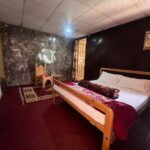
Neelum Valley offers a variety of accommodation options, ranging from budget guesthouses to more luxurious resorts. Kel and Sharda feature simple but comfortable guesthouses, while Kerimabad and Muzaffarabad provide a wider range of mid-range hotels and eco-friendly resorts.
For those seeking a more immersive experience, traditional Kashmiri-style houses and homestays offer a chance to live like the locals.
Where to Stay In Neelum Valley
| Destination | Mid-Range Hotel | Budget Guesthouse | Camping |
|---|---|---|---|
| Keran | Pine Park Lodges (₨8,000 dbl) | River View Inn (₨3,500) | Riverside meadow, free |
| Sharda | Sharda Continental (₨7,500) | University Road Hostel (₨2,000) | Sharda Golf Ground (₨500 permit) |
| Kel | Heaven Lodge Kel (₨6,000) | New Baloch Hotel (₨2,500) | Arang Kel trailhead (₨200) |
| Taobutt | PTDC Motel (₨5,500) | Homestays via Kel locals (₨1,500) | Meadows outside village (free) |
- WhatsApp groups “Neelum Hotels 2025” negotiate last-minute 15 % discounts.
- Women/couples: ask for the “family” wing to avoid shared balconies.
Culture, Food & Etiquette in Neelum Valley
Neelum Valley is as much about its people and culture as it is about its breathtaking landscapes. Understanding the local way of life can make your trip more meaningful — and more respectful.
People
The valley is home to a warm and hospitable ethnic Shina majority, with small communities of Gujjars who herd cattle in the high pastures. In tourist hubs like Kel and Arang Kel, many locals speak or understand basic English, but learning a few words in Shina goes a long way in winning smiles. A simple greeting, “Salam khosh razi?” (How are you?), is always appreciated.
Cuisine
Neelum’s cuisine is hearty, fresh, and deeply tied to its rivers and mountains.
Gushtaba: Soft mutton balls in a creamy yoghurt gravy — a celebratory dish.
Trout Masala: Fresh river fish fried or grilled, a must-try in Kel (around Rs. 1,000 per plate).
Makai ki Roti with Walnut Chutney: A rustic staple, often served in homestays.
You’ll find homely flavors, generous portions, and a strong emphasis on hospitality wherever you eat.
Etiquette & Tips
Dress modestly — cover your knees and shoulders, especially when visiting villages or mosques.
Always ask permission before photographing women or elders.
On Fridays, avoid playing loud music between 12:00 PM and 2:00 PM out of respect for prayers.
Tipping is customary: about 10% in restaurants and around Rs. 200/day for trekking porters.
A little cultural sensitivity goes a long way in making your trip enjoyable for you and respectful to those who call this valley home.
Travel Tips for Neelum Valley
- Weather Conditions: Be prepared for sudden changes in weather, especially if traveling to high-altitude areas like Ratti Gali Lake. Always check weather updates before embarking on treks.
- Packing Essentials: Pack light but warm clothing, even during the summer months, as temperatures can drop significantly in the evenings.
- Road Safety: Some of the roads leading into the valley can be narrow and prone to landslides, so ensure you travel with an experienced driver and take caution, especially during the monsoon season.
- Local Etiquette: Neelum Valley’s inhabitants are known for their hospitality. Respecting local customs, especially in rural areas, is appreciated.
Connectivity & Safety
While Neelum Valley feels like a serene escape, it’s important to stay mindful of connectivity, healthcare, and security. Mobile signals from networks like Zong and Jazz fade shortly after Kundal Shahi, so it’s essential to buy an SCO (Special Communications Organisation) SIM card — available at Muzaffarabad GPO for about ₨300 with 5 GB of data — to stay connected. Medical facilities in the valley are basic, with small clinics in Athmuqam and Kel handling minor issues, while serious cases are airlifted to Muzaffarabad. Given the valley’s location along the Line of Control (LoC), always carry your CNIC or visa copy for frequent checkpoints, and avoid traveling beyond Sharda at night due to army restrictions and remote road conditions. With thoughtful preparation, you can explore the valley safely and stay connected even in its most remote corners.
- Mobile: SCO (Special Communications Organisation) SIM essential—Zong, Jazz lose signal after Kundal Shahi. Buy at Muzaffarabad GPO for ₨300 with 5 GB data.
- Medical: Basic clinics in Athmuqam and Kel; serious cases airlifted to Muzaffarabad.
- Security: LOC region—carry CNIC/visa copy at all times. Night travel discouraged beyond Sharda due to army checkpoints.
Conclusion
hether you have just a weekend or over a week to spare, Neelum Valley offers itineraries to match every pace. In a 3-day express trip, you can drive from Islamabad to Muzaffarabad and overnight at Keran, hike up to Arang Kel on day two, and return via the ancient Sharda ruins by day three. A 5-day classic itinerary gives you time to include the spectacular Ratti Gali Lake and explore Sharda’s craft bazaar, while a 7-day epic journey lets you venture deeper — to Taobutt, trek to Chitta Katha Lake, and even stay in a homestay on the Leepa Valley side.
Before you set off, run through this final checklist: pack warm layers even for summer nights (which can drop to 0 °C), bring sunblock to counter the strong UV at altitude, and carry a refillable water bottle since single-use plastics are banned beyond Athmuqam. And take the responsible traveler’s pledge: carry out all your trash because bins are rare; support women-run cooperatives rather than middlemen when buying handicrafts; and always respect the sensitive LOC — photography of military installations is strictly prohibited.
Neelum Valley is not a destination to simply check off a list; it is a place to slow down and listen — to shepherds who speak of snow leopards, to rivers that defy borders, to orchards older than the lines that divide. Go gently, tread lightly, and you’ll find that this valley will stay with you long after the mountains fade in your rear-view mirror.