Monday, March 30, 2026
16.8 C
Srinagar
Home Blog Page 124

Maqbool Butt’s Martyrdom Anniversary Observed Across Jammu Kashmir with Mass Rallies and Tributes

0

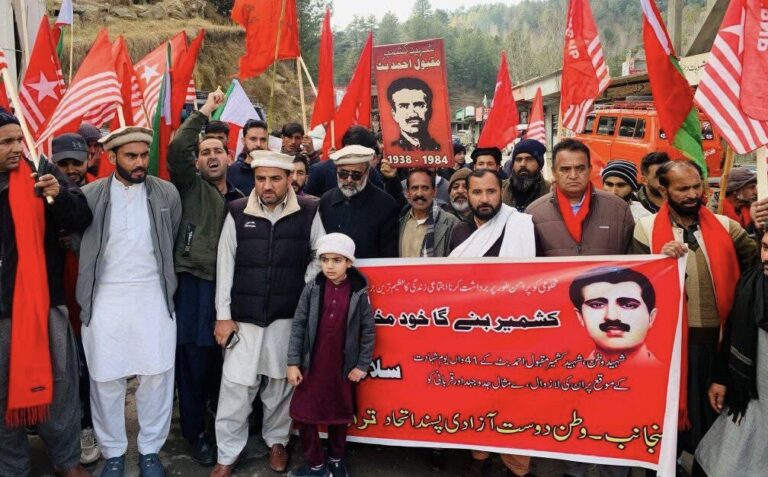
Muzaffarabad, February 11 The 40th martyrdom anniversary of Kashmiri leader Maqbool Butt is being observed with immense fervor and national spirit across Azad Jammu and Kashmir (PaJK) today. Various political and nationalist organizations have organized rallies, seminars, and commemorative events in major cities, including Muzaffarabad, Rawalakot, Kotli, Pallandri, and Dadyal, to pay tribute to the iconic pro-freedom leader.

In Muzaffarabad, the Jammu Kashmir National Student Federation (JKNSF) is leading a central program at Upper Adda, where political activists and students gathered to honor Maqbool Butt’s legacy. Shoukat Nawaz Mir, a member of the Jammu Kashmir Joint Awami Action Committee, addressed the gathering, highlighting Butt’s lifelong struggle for Kashmir’s independence and self-determination.

Throughout the region, special prayers were offered for the liberation of Kashmir, with participants reiterating their commitment to the cause of self-rule and resistance against oppression.

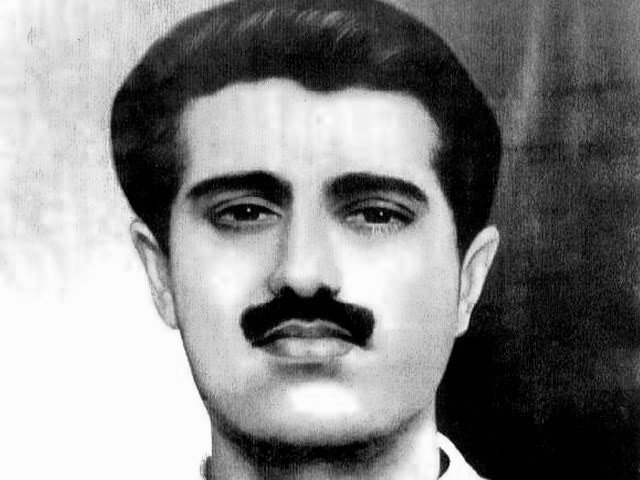
Maqbool Butt, a prominent figure in Kashmir’s pro-freedom movement, was executed in Tihar Jail, India, on February 11, 1984, in what many consider a politically motivated case. His last words, “A time will come when every Kashmiri will be Maqbool Butt,” continue to inspire generations advocating for Kashmir’s sovereignty.

Security remains heightened in key areas as authorities anticipate large-scale public gatherings. The martyrdom anniversary serves as a reminder of Kashmir’s long-standing struggle, with nationalists vowing to carry forward the mission of their slain leader.

Kashmir: Mohsin Ali’s Family Seeks Answers as Authorities Express Helplessness

0

A protest has been held in Mirpur, Pakistan-administered Jammu and Kashmir, against the alleged enforced disappearance of young engineer Mohsin Ali. Hundreds of citizens participated in the protest, and the local administration has been given a 48-hour deadline to recover Mohsin Ali. A complete lockdown has been announced in Mirpur on February 11.

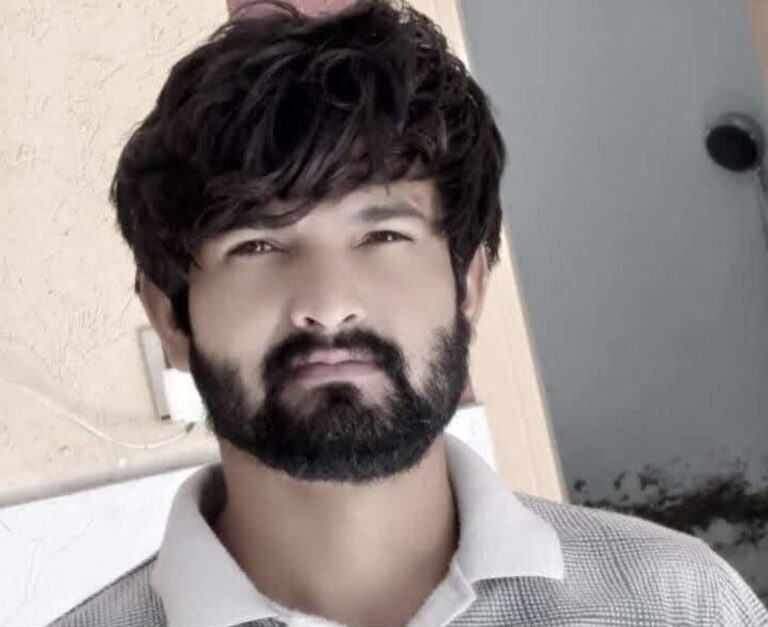
The young man, Mohsin Ali (alias Mohsin Dospal), was forcibly abducted near the Mirpur Cricket Stadium on February 2 at 8 PM and has not yet been traced. According to the family, the administration has expressed complete helplessness in assisting them.

Mohsin Janihal, 28, a resident of Mirpur, was abducted from the Mirpur Stadium at 8 PM on February 2. According to his elder brother, Mehboob Chaudhry, the police were informed the same day. CCTV footage revealed that individuals in a black Vigo car and another vehicle abducted Mohsin. The vehicles crossed the Mangla checkpoint without inspection and entered Pakistani-administered territory.

Chaudhry stated that CCTV footage from the Mangla checkpoint also showed the vehicles passing through. Officials at the checkpoint claimed the occupants identified themselves as belonging to the FIA Islamabad, prompting them to allow passage without hindrance.

Naghman Arif Kampalvi, a political and social leader advocating for Mohsin’s release, noted that while police initially cited the FIA’s involvement to justify the checkpoint clearance, seven days later, authorities still have no information about Mohsin’s whereabouts.

According to Chaudhry, Mohsin studied engineering and had a passion for Naat recitation and singing. Unemployed, he earned a living through video editing and had built a studio. Chaudhry emphasized that Mohsin had no ties to any political party.

Mohsin had previously composed a critical song targeting Punjab Chief Minister Maryam Nawaz and other PML-N and PPP leaders. The song had gone viral on social media in recent days. His social media activity, which strongly criticized the military’s influence on Pakistan’s political and economic affairs, is suspected to be linked to his disappearance.

Following Pakistan’s PECA Act, the FIA has initiated arrests to suppress social media criticism. However, this marks the first enforced disappearance in Pakistani-administered Jammu and Kashmir where no FIR has been filed, nor has any information about the victim’s location been disclosed.

Previously, disappearances in the region involved terrorism or espionage allegations, with cases either pending in military courts or resulting in transfers to Kotli Jail after convictions.

The FIA, a federal investigative agency, lacks independent jurisdiction in Jammu and Kashmir. Under the Access to Suspects Act, arrests require coordination with local police and approval from the Home Department after an FIR is filed—neither of which occurred in Mohsin’s case. No agency has claimed responsibility for his abduction.

Arsalan Shani, an official of the Jammu and Kashmir National Students Federation, stated: “Enforced disappearances violate constitutional and legal principles. Military trials, coerced silence, and detentions without due process are authoritarian actions. Abducting a youth without trial is a crime against humanity.”

Shani demanded Mohsin’s immediate recovery, adding that if he is accused of a crime, he must be charged and granted a fair trial. He warned that protests would escalate beyond Mirpur if authorities fail to act.

Celebrations Underway in Kashmir and Worldwide on the Martyrdom Anniversary of Shaheed Kashmir Maqbool Butt

0

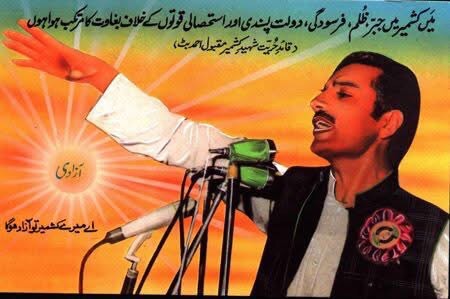
Celebrations are underway in Pakistan-administered Jammu and Kashmir and various countries around the world to mark the martyrdom anniversary of Shaheed Kashmir Maqbool Butt. Torch-carrying rallies, car and bike rallies, and corner meetings are being organized in various cities. Progressive and nationalist organizations are displaying flags, banners, and posters in all small and large cities of Jammu and Kashmir. The process of painting murals of Shaheed Maqbool Butt on walls is also ongoing.

On February 11, large gatherings will be held in all district and tehsil headquarters of Jammu and Kashmir, where lakhs of Maqbool Butt’s admirers will participate. Similarly, events will be held in various countries outside the region, and protest demonstrations will take place in front of Indian embassies.

Maqbool Butt holds a unique place in the history of Jammu and Kashmir over the past seven decades. After the imperialist partition of Jammu and Kashmir in 1947, Maqbool Butt emerged as the first leader to lay the foundation for the struggle for the complete freedom and autonomy of Jammu and Kashmir. He is considered a symbol of rebellion against slavery, oppression, and exploitation in the region. He organized people in the freedom struggle on political grounds and made initial efforts to advance the movement through guerrilla warfare on the military front. Above all, he prepared himself for sacrifice every time while being on the front lines. Ultimately, by embracing the noose during the freedom struggle, he became a metaphor for the liberation movement of Jammu and Kashmir. Today, there is no person struggling for the freedom and revolution of Jammu and Kashmir who does not consider Maqbool Butt’s struggle as a beacon of light or does not identify him as a national hero. Maqbool Butt has now become such a symbol of the freedom struggle in this region that no one can deny his role. This is why he is called the ‘Martyr of Kashmir’.

Maqbool Butt was born on February 18, 1938, in the village of Trihgam in the Kupwara district of the Kashmir Valley. After receiving his early education in his native village, he moved to Srinagar. He began participating in political struggles during his college studies, which forced him to leave Srinagar. In 1958, he moved to Peshawar, Pakistan, for higher education. He obtained an MA in Urdu Literature from the University of Peshawar and worked as a journalist for local newspapers. In 1961, he participated in the Basic Democracy (BD) elections to engage in the politics of Pakistan-administered Jammu and Kashmir. In 1965, a political organization named ‘Mahaaz Rai Shumari’ was established, and Maqbool Butt was assigned the broadcasting department based on his journalistic experience.

Maqbool Butt carefully analyzed global movements to highlight the freedom struggle of Jammu and Kashmir on an international scale. At the time, guerrilla warfare was considered a leading method of freedom and revolutionary struggle in various regions, including Latin America. This inspired Maqbool Butt and his comrades to establish an underground military front called the ‘National Liberation Front’ (NLF) and initiate efforts to organize an armed struggle. During this time, he crossed the ceasefire line twice and entered Indian-administered Jammu and Kashmir. In June 1966, Maqbool Butt and his comrades crossed the ceasefire line into Kupwara. He was arrested on charges of kidnapping and murdering a CID inspector in the valley and was sentenced to death two years later.

In this struggle, Maqbool Butt endured imprisonment on both sides of the ceasefire line—by Pakistan and India. In September 1968, when a Srinagar court sentenced him to death, he managed to escape from jail two months later by digging a tunnel. After escaping, he reached Pakistan-administered Jammu and Kashmir but was arrested and imprisoned in Muzaffarabad. He was accused of being an Indian agent. After his release, Maqbool Butt once again planned to hijack an Indian passenger plane to further the freedom struggle.

This hijacking holds significant importance in Pakistan-India relations. Hashim Qureshi and Ashraf Qureshi, companions of Maqbool Butt, carried out this mission. However, Pakistan declared the hijacking an Indian conspiracy, while India initially labeled it a Pakistani state conspiracy and later took credit for using the Pakistani conspiracy against Pakistan itself.

In response to the hijacking, India banned Pakistan from using its airspace, which severely impacted the Pakistani military. The Pakistani Air Force needed Indian airspace to reach Bangladesh, and the ban is considered a decisive factor in weakening Pakistan’s grip on Bengal.

After the passengers were safely released, the plane named ‘Ganga’ was set on fire at Lahore airport when their demands were not met. The hijackers, including Maqbool Butt and dozens of NLF and referendum movement leaders, were arrested and jailed. Later, seven people were tried in Lahore, and Hashim Qureshi was sentenced to seven years in prison, while others were released.

Maqbool Butt decided to cross the ceasefire line again in 1976 and re-entered Indian-administered Jammu and Kashmir. He was warmly welcomed, and his struggle began gaining acceptance. To fund the military struggle, he attempted to rob a bank, during which a bank employee died. Maqbool Butt was arrested again and sentenced to death for the second time.

His arrest significantly impacted the NLF. His associates established the UK chapter of the referendum front under the name ‘Jammu Kashmir Liberation Front’ and began efforts to secure Maqbool Butt’s release. During this time, Indian diplomat Ravindra Mahatre was kidnapped, and a ransom was demanded for Maqbool Butt’s release. When the demands were not met, Mahatre was killed. The Indian government hastily executed Maqbool Butt on February 11, 1984, without confirming the death sentence from the High Court. His body was not handed over to his heirs but was buried in Delhi’s Tihar Jail.

Maqbool Butt’s sacrifice gave new momentum to the freedom struggle on both sides of the ceasefire line in Jammu and Kashmir. The youth intensified their efforts for the region’s freedom and against the imperialist system, with participation in protests increasing daily.

While Maqbool Butt has countless followers today, both claimant states of Jammu and Kashmir have attempted to use his struggle for their own purposes. The Pakistani state, in particular, has made efforts to obscure his thoughts. Even today, advocates of national independence from both right and left-wing ideologies have differing opinions about Maqbool Butt’s ideas. However, Maqbool Butt always expressed his thoughts clearly and openly.

Regarding the allegations against him, Maqbool Butt said, “For me, this is not unique. Throughout history, whenever a movement was started against exploitation and slavery, those in power have resorted to the legal dictionary of ‘conspiracy.’ But the fact remains that in the war between the oppressor and the oppressed, victory belongs to the oppressed, and the structure of oppression is brought down by the revolutionary struggle of the oppressed. I have always hated self-mutilation. Now that a deliberate attempt is being made to misrepresent my fearless character, I am forced to claim that I have supported truth and justice at every turn of my life. I have not only supported those engaged in the war against oppression and exploitation but have been a leader and plaintiff for the oppressed.”

Maqbool Butt is also seen as an example of courage and bravery. Even his worst opponents recognize his fearless character. While hanging on the noose, he showed no hesitation or regret about his struggle. Responding to a journalist’s question a few days before his execution, he said, “If the struggle had been in vain, if the movement had not been successful in life, then Karl Marx and Jesus Christ would have been counted among the world’s failures. But this is not the case. For me, there is no other way at the moment except to surrender myself to the merciless hands of time and wait for the opportunity when the clouds of prejudice, malice, cruelty, exploitation, and deceit will be lifted, and the light of truth and justice will prevail.”

While Maqbool Butt was a fearless soldier in the freedom struggle against slavery, he also raised his voice against outdated traditions, capitalist exploitation, and religious regression. He was influenced by anti-capitalist movements worldwide and openly expressed his enlightened thoughts. In a written statement during the Ganga hijack case in the Lahore High Court, he wrote, “The truth is that I have rebelled against religious regression, slavery, capitalist exploitation, greed, obsolescence, oppression, and hypocrisy. The Indian ruling class and Pakistani generals will not be able to keep Jammu and Kashmir in chains for long. For us, freedom does not only mean the end of external occupation. We need freedom from poverty, hunger, ignorance, disease, and regression. We will live with freedom by overcoming economic and social deprivation.”

This is why Maqbool Butt, instead of collaborating with the ruling elite of his nation, quickly drew conclusions and struggled to organize the liberation movement on his own strength and class basis. Like the great revolutionaries of the world, he played a leading role by staying on the front lines and was the first to offer himself for sacrifice in this struggle.

Today, Maqbool Butt’s admirers worldwide, including in Jammu and Kashmir, not only remember his great sacrifice but also celebrate his martyrdom anniversary as a renewed pledge to continue the struggle until the establishment of an independent, sovereign, secular, and socialist Jammu and Kashmir based on his ideas.

The Untold Story of Azad Jammu and Kashmir’s Wildlife

0

Azad Kashmir a bordering the disputed territory of Jammu and Kashmir, this region offers a rare glimpse into the pristine beauty of nature. In particular, AJK is home to a vast array of wildlife, including some of the most beautiful and rare species of birds and animals of Jammu Kashmir.

Geographical and Environmental Overview of Azad Jammu and Kashmir

Azad Jammu and Kashmir is a land of towering peaks, including the Jumgadh Peak and Saroli Peak, part of the majestic Himalayas. The region spans 13,297 square kilometers, and its capital is Muzaffarabad. The area’s topography is predominantly mountainous, with rugged terrain and several valleys that make it a natural sanctuary for diverse wildlife. The average rainfall here is about 1400 mm annually, contributing to the growth of extensive forests. These forests are primarily coniferous, though some areas also feature broadleaf forests. About 43% of AJK is covered in forests, which provide habitat to a variety of species.

A Diverse Range of Birds in Jammu and Kashmir

AJK is a haven for birdwatchers, with hundreds of bird species inhabiting its forests, wetlands, and rivers. Some of the most fascinating bird species found in the region include:

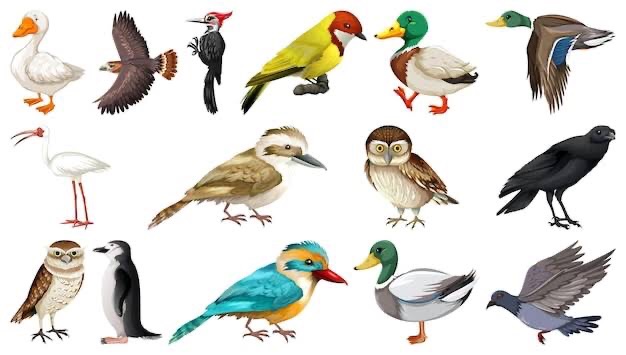
  • Monal Pheasant: Known for its vibrant plumage, the Monal is a symbol of the region’s rich avian diversity.
  • Koklass Pheasant: Another rare pheasant found in the Himalayan foothills, this bird is often seen in dense forests.
  • Moorhen and Coot: Commonly found around wetland areas, these waterfowl are an integral part of AJK’s biodiversity.
  • Kashmir Flycatcher: This elusive bird is found in the temperate forests of the region and is a must-see for avid birdwatchers.
  • Various species of Eagles and Hawks: The region’s mountainous terrain is also home to a variety of predatory birds, including Golden Eagles, Mountain Hawks, and other raptors.
  • Migratory Birds: AJK’s wetlands, particularly the Mangla Dam, serve as a stopover for many migratory birds, including geese, ducks, and cranes. These wetlands play a critical role in the conservation of these species.

Wildlife Diversity: A Glimpse Into AJK’s Animal Kingdom

Apart from its rich birdlife, Azad Jammu and Kashmir is also home to a variety of mammalian species, some of which are rare and endangered. The dense forests and rugged terrain offer a safe haven for several large and small mammals, including:

  • Leopard and Snow Leopard: The snow leopard, a critically endangered species, roams the higher altitudes of AJK’s mountainous regions. The common leopard is also found here and is an apex predator in the region.
  • Musk Deer (Kasturi Hiran): Known for its highly prized musk, the Musk Deer is found in the higher altitudes of the region and is a rare sight in the wild.
  • Markhor: The Markhor, a wild goat species, is another iconic animal of the region, known for its twisted horns and remarkable climbing abilities.
  • Brown and Black Bears: Both brown and black bears are found in the forests of AJK. They are elusive but play a vital role in the ecosystem as apex omnivores.
  • Goral: A species of mountain goat, the Goral is often seen in the hilly areas of AJK, grazing on the steep slopes.
  • Wild Boar and Red Fox: These species are commonly found in the lower forested regions of AJK, often near human settlements.

Conservation Efforts: Protecting Azad Jammu and Kashmir’s Wildlife

AJK has made notable strides in preserving its unique wildlife. The government has established several national parks to protect its rich biodiversity. These include:

  1. Machihara National Park: Located 35 kilometers from Muzaffarabad, this park is known for its dense forests, rare wildlife, and stunning landscapes. It is home to species like the Snow Leopard, Markhor, Musk Deer, and various pheasant species.
  2. Deva Vatala National Park: Situated in Bhimber District, this park is famous for its thorny forests and a wide range of species such as the Indian Python, Leopards, and Red Jungle Fowl.
  3. Gumot National Park: Located in the Neelum Valley, this park is crucial for the conservation of the Himalayan Brown Bear and the Musk Deer. The park is also home to a diverse range of wildlife species, including the Snow Leopard and the Common Leopard.
  4. Toli Pir National Park: Situated in Rawalakot, this park is renowned for its rich fauna, including the elusive Snow Leopard and Black Bear.
  5. Poonch National Park and Peer Lasora National Park: These parks add to the network of protected areas, offering habitats for various endangered species and promoting conservation.

Wetlands and Aquatic Life in AJK

In addition to its forests, AJK is also home to several important wetland ecosystems. The Mangla Dam, covering an area of 26,500 hectares, is one of the most significant wetlands in the region. It attracts thousands of migratory birds each year, making it a vital part of the region’s biodiversity. The dam supports a range of fish species, including the Mahseer, Pakistan’s national fish, and various trout species like the Brown and Rainbow Trout.

Threats to Wildlife and the Need for Conservation

Despite these efforts, Azad Jammu and Kashmir’s wildlife faces numerous threats, including deforestation, habitat degradation, and illegal poaching. The ever-expanding human settlements and livestock grazing have caused significant damage to forests, affecting the natural habitats of many species. Additionally, illegal logging and timber smuggling have further reduced forest cover, making it crucial to enforce stricter environmental laws and promote sustainable practices.

To ensure the survival of AJK’s wildlife, there is a growing need for continued conservation efforts, including the establishment of more national parks, better management of existing parks, and community-based conservation programs. The region’s wetlands, forests, and wildlife are integral to maintaining ecological balance, and protecting these resources should remain a top priority.

Conclusion

Azad Jammu and Kashmir is a jewel of biodiversity, home to a vast array of birds and animals, some of which are found nowhere else on earth. From the towering mountains to the tranquil wetlands, the region offers unparalleled opportunities for wildlife enthusiasts to witness nature in its purest form. However, to preserve this incredible biodiversity, it is crucial to strengthen conservation efforts and ensure that future generations can enjoy the beauty and diversity of Azad Jammu and Kashmir’s wildlife.

6 Profitable Business Ideas in Kashmir You Can Start Today

0

Jammu Kashmir is not just a hub for tourism but also a fertile ground for business opportunities. While the region has historically been recognized for its natural beauty, the evolving dynamics of its economy have opened up new avenues for entrepreneurs. From small businesses catering to local needs to larger ventures serving the growing tourism sector, there is a diverse range of business ideas in Kashmir that can yield significant returns.

In this article, we will explore six promising best business ideas in Jammu Kashmir, focusing on areas with high potential for growth. These ideas will not only help aspiring entrepreneurs establish successful businesses but also contribute to the economic development of Jammu and Kashmir.

1. Real Estate and Commercial Property Investment Business Ideas in Kashmir

Kashmir, with its serene beauty and increasing tourism, offers tremendous potential for real estate investment. The demand for both residential and commercial properties in Jammu and Kashmir has been steadily rising, especially in urban areas like Srinagar. If you own land or have access to affordable plots, you can easily turn these assets into profitable ventures.

Key Idea: Invest in commercial properties by converting unused land into rental spaces such as guesthouses, small cottages, or shops. Tourists and locals alike are constantly looking for affordable accommodation and services in scenic areas. The property can be developed as a cottage or guesthouse for tourists looking for an authentic Kashmiri experience in a tranquil setting.

Additionally, the real estate sector has immense scope in the long run, and having rental properties in Kashmir’s prime locations can create a stable revenue stream. Whether you own inherited land or have the means to invest in properties, the demand for real estate, especially in tourist areas, is bound to grow.

2. Food & Beverage Sector: Catering to Local and Tourist Tastes

One of the most lucrative and evergreen business ideas in Jammu and Kashmir is setting up food and beverage outlets. Given the influx of tourists and the rich culinary tradition of Kashmir, the demand for local food and snacks is ever-growing. Starting a small restaurant, tea stall, or snack joint can be incredibly profitable, especially in high-traffic areas.

Key Insight: Kashmir has a diverse mix of tourists, each with different culinary preferences. From the spicy flavors of Kashmiri cuisine to international snacks, there’s a wide array of tastes to cater to. For example, setting up a traditional tea stall that serves not only Kashmiri tea but also a range of regional snacks can attract a wide variety of customers.

Another profitable venture in the food sector is opening a restaurant that offers a mix of Kashmiri specialties such as Rogan Josh, Gushtaba, and Kahwa, alongside popular Indian and international fast food items. Offering good quality food with excellent customer service can quickly turn your business into a go-to spot for both locals and tourists.

3. Tourist Guide Services: Tourism Sector Business Best Ideas in Jammu Kashmir

Tourism is the backbone of Kashmir’s economy, in the best business ideas in Jammu Kashmir tourism business ideas come on first and it’s only growing with the region’s increasing appeal to both domestic and international visitors. Whether it’s trekking in the Himalayas, visiting historical sites, or exploring local villages, tourists are always in need of expert guidance. If you have knowledge of the local culture, history, and attractions, becoming a freelance tourist guide or running a tourist guide agency can be a rewarding business idea in Kashmir.

Business Tip: Offering personalized tours or packages for tourists can greatly enhance the experience. Specializing in specific areas, such as nature tours, historical site visits, or even food tours, can help you carve out a niche market. If you are a female entrepreneur, this could be a great opportunity, as many female tourists prefer female guides for a more comfortable and secure experience.

You can also create a tourist guide company where you train and employ local guides, helping to create jobs in the community while offering reliable services to tourists. With proper marketing through social media, websites, and local tourism pages, a tourist guide business can quickly grow into a thriving venture.

4. Student Accommodation: Meeting the Growing Demand for Hostel Facilities

Kashmir has several educational institutions, universities, and coaching centers, attracting students from across the region. With the influx of students coming from rural areas to pursue education, there is a significant demand for affordable and secure student accommodation. Setting up a hostel or dormitory is a business opportunity with immense potential, especially in areas like Srinagar where educational institutions are clustered.

Key Insight: If you own a building or can invest in property, consider converting it into a student hostel. The key is to ensure the accommodation is safe, affordable, and provides essential amenities such as Wi-Fi, laundry services, and study spaces.

Additionally, with the growing number of female students seeking better educational opportunities, creating exclusive female-only hostels or dormitories could fill a significant gap in the market. Offering an affordable and secure place for students to live can make your business stand out and become a popular choice among local and out-of-state students.

5. Perfume and Attar Business: A Fragrant Opportunity

Kashmir has long been known for its exquisite perfumes and attars, which hold a deep cultural significance in the region. Perfumes are not just a luxury item in Kashmir; they are a part of daily life and are often used in religious and festive occasions. The demand for high-quality attars remains strong, making it a lucrative business opportunity for aspiring entrepreneurs.

Business Idea: You can start by opening a perfume or attar shop that sells a range of locally-made fragrances or even international brands. Alternatively, you can take the route of becoming a distributor for popular brands, with a focus on creating a sensory shopping experience. Many tourists and locals alike purchase attars as souvenirs or for personal use, so offering a variety of scents in an inviting retail environment can drive sales.

Marketing Tip: Make your store more attractive by creating an immersive environment with aromatic displays and even offering sample testers to potential buyers. By combining the cultural aspect of Kashmiri attars with high-quality products, your perfume business can easily become a success in the region.

6. Libraries and Study Spaces: A Growing Need for Educational Resources

Education in Kashmir is on the rise, and with more students coming to cities for studies, there is an increasing demand for libraries and quiet study spaces. Many students struggle to focus in crowded homes or noisy environments, and having a peaceful and resourceful space can make a significant difference in their academic performance.

Key Business Idea: Starting a public or private library can cater to the educational needs of students. You can combine this with other services, such as photocopying, printing, and even a small café for students to enjoy during breaks.

Additionally, offering affordable membership options can make it accessible to students from various backgrounds. You could also organize workshops, seminars, and talks on various academic or personal development topics, creating a hub for learning and discussion.

Which Business is Best in Kashmir?

The best business in Kashmir depends on factors like investment, interest, and local demand. Here are some top business ideas that are highly promising in Kashmir:

  1. Tourism-Related Ventures
    With Kashmir being a popular tourist destination, businesses related to tourism thrive here. From establishing boutique hotels, guesthouses, and homestays to creating tourist guide services, these businesses are always in demand. Setting up small cafes or shops catering to tourists is also a lucrative option.
  2. Real Estate & Property Development
    As the tourism sector continues to grow, real estate in Kashmir offers huge potential. Investing in commercial and residential properties, especially in popular tourist areas, can be highly profitable. Additionally, renting out properties or building cottages for tourists is a great way to generate income.
  3. Agriculture & Organic Products
    Kashmir is known for its fertile land and beautiful landscapes. Investing in organic farming, especially for high-demand products like saffron, apples, and walnuts, can be a rewarding venture. You can also explore value-added products such as dried fruits or organic cosmetics.

Each of these businesses leverages the unique aspects of Kashmir tourism, natural resources, rich culture, and education making them highly viable options for aspiring entrepreneurs. The best business for you will depend on your interests, investment capacity, and market research. However, these industries are among the most lucrative and sustainable in the region.

FAQs: Best Business Ideas in Jammu & Kashmir

1. What are the most profitable business ideas in Jammu and Kashmir?

Some of the most profitable business ideas in Jammu & Kashmir include real estate investment, food and beverage businesses, tourism-related ventures, student hostels, perfume and attar businesses, and libraries or study spaces. These sectors have high demand and growth potential in the region.

2. Is real estate a good business opportunity in Kashmir?

Yes, real estate is a highly profitable business in Kashmir due to the increasing demand for residential and commercial properties. Investing in rental properties, guesthouses, and commercial spaces can generate steady income, especially in tourist hotspots like Srinagar.

3. How can I start a food business in Kashmir?

To start a food business in Kashmir, you can open a restaurant, tea stall, or snack joint catering to both tourists and locals. Offering traditional Kashmiri dishes alongside popular fast food options can attract a wider customer base. Choosing a high-traffic location and ensuring good quality service will help in building a successful business.

4. What are the best tourism-related business ideas in Kashmir?

Tourism-related business ideas in Kashmir include starting a tourist guide service, opening a boutique hotel or guesthouse, offering adventure tourism experiences, running a handicrafts store, or providing customized travel packages. The tourism sector in Kashmir continues to grow, making it a lucrative field for investment.

5. How can I start a tourist guide business in Jammu & Kashmir?

To start a tourist guide business, you need thorough knowledge of Kashmir’s history, culture, and key tourist attractions. You can offer specialized tours such as trekking, historical site visits, or food tours. Creating an online presence and collaborating with travel agencies can help attract more customers.

6. Is investing in student accommodation a good idea in Kashmir?

Yes, investing in student accommodation is a great business opportunity due to the growing number of students coming to Kashmir for higher education. Setting up safe and affordable hostels, especially near universities and coaching centers, can ensure a steady source of income.

7. How can I start a perfume and attar business in Kashmir?

To start a perfume or attar business, you can open a retail shop selling locally made attars and international brands. Focusing on high-quality products and creating an inviting shopping experience can attract customers. Additionally, offering online sales through e-commerce platforms can expand your reach.

8. What are some low-investment business ideas in Kashmir?

Some low-investment business ideas in Kashmir include:

  • Freelance tourist guiding
  • Selling local handicrafts and souvenirs
  • Organic farming of saffron, apples, or walnuts
  • Opening a small tea stall or café
  • Providing online tutoring services for students

9. Is organic farming a profitable business in Kashmir?

Yes, organic farming is highly profitable in Kashmir due to the region’s fertile soil and demand for high-quality agricultural products. Saffron, apples, walnuts, and dried fruits are some of the top-selling organic products that can be exported to other regions.

10. How can I market my business in Kashmir?

To effectively market your business in Kashmir, you can:

  • Use social media platforms to reach a larger audience.
  • Collaborate with local tourism agencies and influencers.
  • List your business on Google My Business for better online visibility.
  • Offer special promotions and discounts to attract customers.
  • Provide excellent customer service to encourage word-of-mouth referrals.

Afzal Guru: An Unyielding Symbol of Resistance Against Indian State Oppression

0

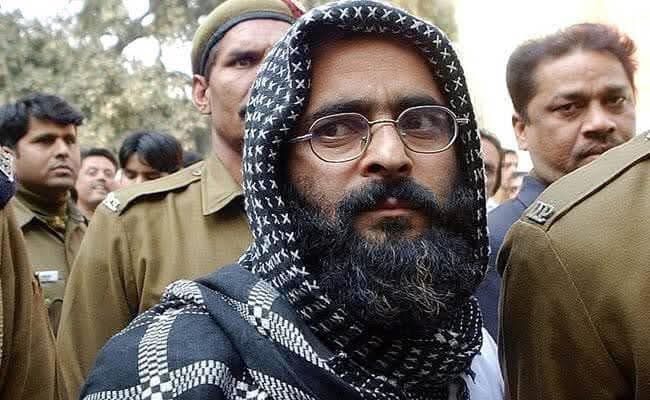
On February 9, 2013, the Kashmiri resistance movement lost one of its most powerful symbolsAfzal Guru, a man whose life and death would go on to inspire countless others in the ongoing struggle for Kashmir’s freedom.

The Life of Afzal Guru

Born on June 30, 1969, in Sopore, Baramulla, in Indian-administered Kashmir, Afzal Guru initially pursued a career in medicine. However, the escalating violence and state oppression in Kashmir forced him to abandon his studies and join the Kashmiri resistance movement. Like many others, the brutality of the Indian state and the oppression faced by the Kashmiri people ignited a fire of resistance within Afzal, propelling him into the struggle for freedom.

Afzal Guru became one of the most prominent faces of resistance in Kashmir. His defiance of the Indian state’s systemic violence was not just an act of rebellion but a cry for justice and freedom for the oppressed Kashmiri people.

The 2001 Indian Parliament Attack and Its Aftermath

In 2001, the Indian Parliament was attacked, an event that sent shockwaves through the country and the region. Despite there being no concrete evidence linking Afzal Guru to the attack, the Indian state used the opportunity to target him.

In a trial marred by lack of evidence and fair procedure, Afzal Guru was wrongfully convicted and sentenced to death. The Indian legal system, infamous for its bias and lack of transparency, disregarded the principle of justice. Afzal Guru was accused of being involved in the attack, even though the prosecution failed to provide any substantial proof of his direct involvement.

In a stunning admission, the Indian Supreme Court itself acknowledged that there were no solid evidences against Afzal Guru. Yet, in an attempt to appease the collective Indian conscience, the court deemed it necessary to uphold the death sentence. This was a critical moment that highlighted the Indian state’s relentless desire to suppress dissent, even at the cost of basic human rights and justice.

The Martyrdom of Afzal Guru

On February 9, 2013, Afzal Guru was secretly executed in Tihar Jail, Delhi, without prior notice to his family. His body was not handed over to his family for a proper burial, and instead, it was buried within the jail premises. This act of secrecy and inhumanity further underscored the Indian state’s disregard for Kashmiri lives and its continued efforts to crush any resistance.

Afzal Guru’s martyrdom was not just a loss for Kashmir; it was a tragic chapter in the history of Indian oppression against the Kashmiri people. His execution sparked widespread protests across Kashmir and the world, as people expressed their outrage at the unjust killing of a man who had become a symbol of resistance against Indian tyranny.

Afzal Guru’s Legacy

Afzal Guru’s sacrifice continues to reverberate within the hearts of Kashmiris. His death did not break the will of the people; instead, it ignited a new wave of resistance. Kashmirisfrom all walks of life honor him as a martyr who gave his life for the cause of freedom. His ideals of justice, resistance, and sovereigntylive on, particularly among the youth, who continue to draw inspiration from his courage.

Afzal Guru’s story has become a symbol of the unjust nature of Indian rule in Kashmir. His legacy is not just remembered as a moment of despair, but as a rallying cry for continued resistance and struggle for self-determination.

Global Protests and Kashmir’s Ongoing Struggle

Following Afzal Guru’s execution, widespread protests erupted in Kashmir and across the globe. His martyrdom galvanized the Kashmiri resistance, reminding the world of the Indian state’s brutal suppression of Kashmir’s struggle for freedom.

On February 9 each year, the people of Kashmir commemorate the life and martyrdom of Afzal Guru. His memory serves as a reminder that the struggle for Kashmir’s freedom will never be forgotten. The anniversary of his execution is not just a day of remembrance but a reaffirmation of the ongoing resistance.

Kashmir’s freedom struggle remains as resilient as ever, and Afzal Guru’s legacycontinues to inspire thousands of youth to carry forward the torch of resistance. His spirit lives on in every Kashmiri’s heart, fueling the hope that one day Kashmir will be free from occupation.

Conclusion

Afzal Guru’s martyrdom is a pivotal moment in the Kashmiri resistance movement. His life and death stand as a powerful testament to the brutality of the Indian state and the unyielding resolve of the Kashmiri people. As Kashmiris continue their struggle for justice, the memory of Afzal Guru will remain an indomitable symbol of resistance against tyranny.

Maqbool Bhat: The Martyr Who Lit Kashmir’s Flame of Freedom

0

February 11 marks a solemn yet significant day in Kashmir’s history the martyrdom anniversary of Maqbool Bhat, the pioneer of Kashmir’s struggle for independence. He was not just a revolutionary but a thinker, leader, and symbol of resistance who laid the ideological foundation for an independent and sovereign Jammu and Kashmir.

A Leader Who Challenged the Status Quo

Maqbool Bhat once delivered a historic speech in Mirpur, Azad Kashmir, where he made a bold statement that continues to resonate:

“I cannot be unjust to history. I must state clearly that whether it is the challenge of harvesting crops, education, or the national liberation struggle—unless the Kashmiri people themselves rise to solve their problems and take a leading role, they will remain at the mercy of others. It is the verdict of nature and history. I will abandon my struggle if anyone can provide a single example from history where one nation fought another nation’s war for independence. Never! But unfortunately, Kashmiri leadership has always invited outsiders to lead our struggle, which contradicts the aspirations of our people. The command and leadership of our national freedom movement must rest solely in the hands of the people of Kashmir.”

Maqbool Bhat awakened the national consciousness of Kashmiris, who had long been lost in the illusion of accession. He redefined the struggle by introducing the vision of a united and independent Kashmir—a vision that challenged the status quo and ignited a movement for complete sovereignty.

The Hijacking of Ganga and the Fight Against Accession

The infamous Ganga hijacking case was weaponized against Maqbool Bhat and his comrades, but the reality was far different. The hijacking was not an act of terrorism; rather, it was a symbolic strike against the ideology of accession. Maqbool Bhat and his fellow revolutionaries declared:

“We did not hijack the Ganga to commit terrorism, nor do we believe that a single act will free Jammu and Kashmir. But through this action, we wanted to awaken our youth and make them realize that our state has been divided and enslaved. Our resources—minerals, water reserves, foreign exchange, waterfalls, towering mountains, and most importantly, our sovereignty and freedom—have been stolen from us. We are pacified with the illusion of accession while our true independence is denied. The hijacking of Ganga was the death of the accession ideology. Remember how the people raised the slogans of complete freedom and sovereignty? The local collaborators of the accession agenda lost their sleep.”

A Leader Who Endured the Worst Tortures for His Nation

Maqbool Bhat not only fought for national liberation but also endured extreme hardships to set an example for his people. His unwavering commitment to the cause saw him imprisoned, tortured, and isolated for over fifteen years. Yet, his spirit remained unbroken.

One such testament to his influence comes from Shahi Qila (Lahore Fort), where his companion, Nasir Wani, was subjected to brutal torture. Even in a state of unconsciousness, Nasir Wani stood up and saluted Maqbool Bhat when he passed by. This act enraged his torturers, who asked:

“You were unconscious a moment ago, but as soon as Maqbool Bhat walked by, you saluted him. Why?”

Nasir Wani’s response immortalized the love and devotion his comrades held for him:

“You may cut my body into a thousand pieces, and if you make each piece witness Maqbool Bhat’s presence, every piece will salute him.”

This was the level of loyalty and admiration Maqbool Bhat inspired among his followers.

The Leader Who Foretold Kashmir’s Future

Maqbool Bhat warned against the perils of dividing Kashmir’s freedom struggle along religious, ethnic, or regional lines. He declared:

“If any group or individual tries to shape Kashmir’s freedom movement based on caste, sect, or religion, they are the greatest enemies of the Kashmiri nation. Such divisions will fragment our homeland, and history shows that divided nations are enslaved by others. If Kashmir’s freedom struggle is driven by regional or religious sentiments, no power in the world will support us. Our national liberation can only be achieved if we fight as a united force for a unified, sovereign Jammu and Kashmir.”

Maqbool Bhat’s Legacy Lives On

Decades have passed since his execution on February 11, 1984, but his predictions have proven true. Despite the sacrifices of over 100,000 Kashmiris, the struggle continues, and the dream of complete sovereignty remains unfulfilled. If Maqbool Bhat were alive today, perhaps the path to freedom would have been clearer.

His sacrifice was not in vain. His ideology continues to guide generations of Kashmiris who refuse to surrender to oppression. The spirit of Maqbool Bhat remains an unyielding flame, lighting the way for those who seek a free and independent Jammu and Kashmir.

“He who conquers death itself,
A martyr of the sword of tyranny,
You are not just a memory,
You are the very essence of life itself.”

Shoukat Nawaz Mir Demands Public Holiday on Maqbool Bhat’s Martyrdom Anniversary

0

Muzaffarabad: The people of Jammu and Kashmir are set to mark the martyrdom anniversary of Maqbool Bhat on February 11 with great reverence and unity. Maqbool Bhat, a towering figure in the Kashmiri freedom struggle, was executed by the Indian government on February 11, 1984.

He was hanged following what many describe as a politically motivated and unjust conviction. His only “crime” was his unwavering commitment to the cause of Kashmir’s independence and his active struggle for the liberation of his homeland. Before his execution, Maqbool Bhat famously proclaimed that after him, thousands of Maqbool Bhat would rise to continue the struggle for Kashmir’s freedom.

History has proven his words to be true, as his sacrifice ignited a renewed movement for self-determination that has endured for 41 years, despite immense suffering, oppression, and the loss of over 100,000 lives. The legacy of Maqbool Bhat’s resistance extends beyond his own sacrifice.

His family, too, has paid a heavy price. His two brothers, along with other relatives, were martyred, and his younger brother, Zahoor Bhat, remains imprisoned, facing continuous persecution. Yet, the spirit of resistance remains unshaken.

This year, the commemoration of Maqbool Bhat’s martyrdom carries special significance, as all pro-freedom organizations have come together on a unified platform to observe the day. This collective display of solidarity is a testament to the belief that unity is the key to achieving Kashmir’s long-cherished goal of freedom.

The ongoing struggle, fueled by the sacrifices of martyrs, continues to inspire new generations to resist occupation and demand their fundamental right to self-determination. As Kashmiris worldwide prepare to honor Maqbool Bhat’s legacy, there is also a growing demand for official recognition of February 11 as a national day of remembrance.

Shaukat Nawaz Mir, Chairman of the Central Traders Association of Muzaffarabad and a member of the Jammu Kashmir Joint Awami Action Committee, has called on the government to formally declare February 11 as a national day and announce a public holiday to honor the sacrifices of Maqbool Bhat and thousands of others who have laid down their lives for the cause.

With each passing year, the martyrdom of Maqbool Bhat serves as a powerful reminder that the struggle for Kashmir’s freedom is far from over.

The resilience and unity of the Kashmiri people continue to challenge the forces of oppression, keeping alive the dream of an independent Jammu and Kashmir. The sacrifices of the past will not be forgotten, and the struggle will persist until justice and freedom are achieved.

JKLF District General Secretary Survives Assassination Attempt

0

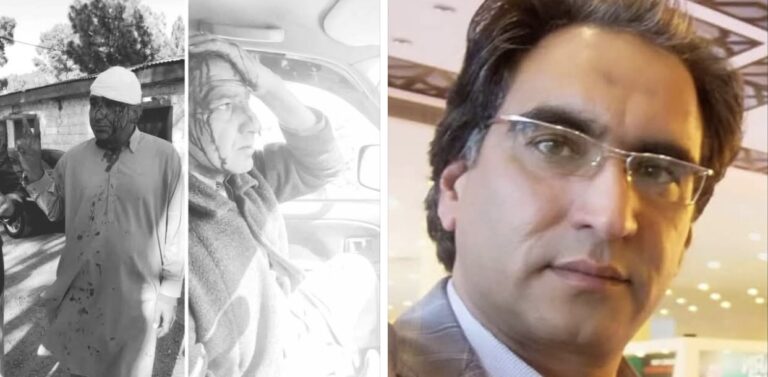
Pallandari: In a shocking incident, Sajid Malik Advocate, the district general secretary of the Jammu Kashmir Liberation Front (JKLF), was attacked by unidentified assailants in Pallandari Azad Jammu and Kashmir. The attack is believed to have been orchestrated by supporters of Fahim Rabbani, a minister in the Azad Jammu and Kashmir government.

According to eyewitnesses, the attackers, who were reportedly affiliated with a Fahim Akhter Rubbani, hurled abuses at Sardar Aman Kashmiri, a prominent Kashmiri youth leader. When confronted, they launched a vicious attack on Sajid Malik Advocate.

Local media outlets have revealed that the attackers are the same individuals who had previously assaulted Sardar Aman Khan Kashmiri in Pallandari.

The incident has sent shockwaves throughout Azad Jammu and Kashmir, with many taking to social media to condemn the attack. The JKLF has demanded immediate action against the perpetrators and has called for an investigation into the incident.

The attack is seen as a blatant attempt to silence the JKLF and suppress the voice of the Kashmiri people. The international community has been urged to take notice of the escalating human rights violations in Azad Jammu and Kashmir.

Forced Disappearance of Social Media Activist Sparks Outrage in Mirpur, Kashmir

0

By Iftakahar Kalwal

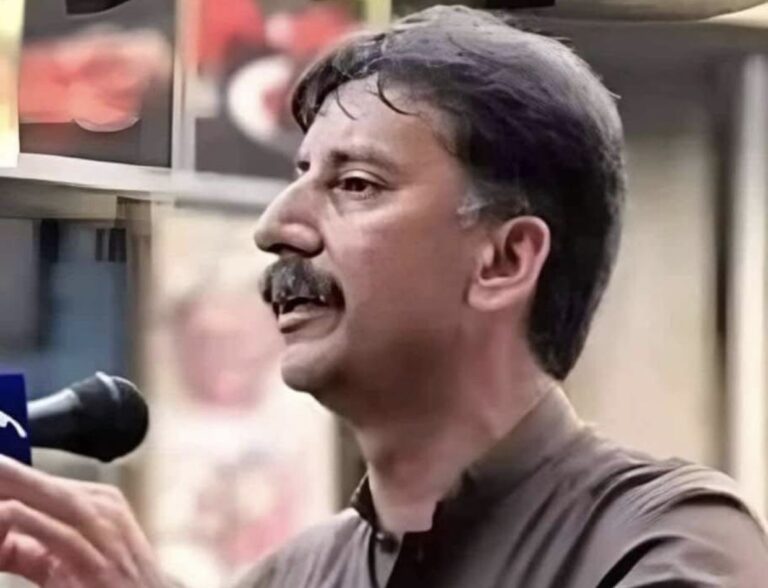
Mirpur, Azad Kashmir: A growing crisis has emerged in Azad Jammu and Kashmir following the forced disappearance of social media activist Mohsin Daspol, who is a supporter of Pakistan’s former Prime Minister Imran Khan and his political party, Pakistan Tehreek-e-Insaf (PTI).

Daspol, a prominent social media figure in his hometown of Mirpur, was allegedly abducted on February 2, 2025, after posting a viral Punjabi song mocking high-ranking Pakistani political leaders, including Punjab Chief Minister Maryam Nawaz, former President Asif Ali Zardari, Prime Minister Shehbaz Sharif, and former Prime Minister Nawaz Sharif. According to eyewitnesses, Daspol was abducted from a local shop near the Mirpur Cricket Stadium by unidentified men, who reportedly took him away in an unmarked “Vigo” vehicle.

The vehicle was able to pass through the Mangla entry and exit points without being stopped by local police. Since his abduction, there has been no official response from local authorities, including the Mirpur administration and police, leaving many concerned about the safety and well-being of the missing activist.

Daspol’s disappearance comes amidst heightened concerns over freedom of speech and human rights violations in the region. His supporters claim that the abduction was retaliation for his satirical online video, a humorous re-mix that criticized key political figures in Pakistan.

Some argue that his actions may have fallen under the purview of “cybercrime,” yet the absence of any official legal notice or judicial process raises serious questions about the rule of law and due process in the region. The lack of transparency and accountability surrounding the case has led to protests by civil society groups and activists who have called for Daspol’s immediate release.

The silence of both local authorities and the media on the matter has only fueled public outrage. Many have expressed concerns that such actions, if left unchallenged, could undermine the basic principles of freedom of expression and human rights. Critics are questioning the legitimacy of the Azad Jammu and Kashmir government, especially its President, Barrister Sultan Mehmood, who is set to address a public rally in Birmingham, UK, on February 15, 2025. The rally will focus on human rights violations in Indian-occupied Kashmir and the suppression of free speech in the region.

Given the ongoing controversy surrounding Daspol’s forced disappearance, it is anticipated that President Mehmood will face tough questions from international media and human rights organizations during his visit. Legal experts argue that if Daspol’s actions are indeed considered a cybercrime, he should have been notified and given the opportunity to defend himself through the judicial process.

The failure to provide any legal clarity or due process raises concerns about the potential violation of basic human rights and the suppression of political dissent in the region. International human rights observers are increasingly concerned about the broader implications of such disappearances, which could contribute to an atmosphere of fear and insecurity among the residents of Mirpur and beyond.

This situation casts a long shadow over President Mehmood’s upcoming international engagements, where he is expected to highlight human rights abuses in Indian-administered Kashmir.

Human rights advocates have pointed out that the abduction of Mohsin Daspol could lead to a credibility crisis for the leadership in Azad Kashmir, particularly as the region positions itself as a voice for Kashmiri rights on the global stage. As the international community watches closely, activists are urging the Azad Kashmir government to take swift action to locate and safely release Daspol before his case becomes a focal point for critics.

As protests continue in Mirpur and other parts of Pakistani administered Kashmir and calls for accountability grow louder, the fate of Mohsin Daspol remains uncertain. For now, his family, friends, and supporters hold on to hope that the young activist will be returned safely, and that the authorities will be held accountable for this apparent violation of human rights.