Sunday, March 29, 2026
14.3 C
Srinagar
Home Blog Page 141

Azad Kashmir: Awami Action Committee Pllandri Holds Key Meeting to Address Regional Issues and Call for Government Restoration

0

Pallandri, Azad Kashmir  October 14, 2024 – The Jammu Kashmir Joint Awami Action Committee of Pllandri held a significant meeting at the PWD Rest House, attended by a large number of representatives from all union councils and towns in the region.

Support for 1947 Interim Revolutionary Government

A central focus of the meeting was the unanimous decision to support the restoration of the Interim Revolutionary Government of October 24, 1947. This restoration aligns with ongoing demands for a more autonomous and empowered governance structure in Pakistan-administered Jammu and Kashmir, a sentiment that has been growing steadily in recent years.

The committee emphasized that the 1947 government represented an important turning point in the region’s history, and its restoration is seen as a key step toward ensuring the rights and sovereignty of the local population. The Public Action Committee has pledged full support to the Joint Public Action Committee’s call for the revival of this government and its principles.

Grand National Jirga Planned for November 2024

Another major decision taken during the meeting was the announcement of a Grand National Jirga on November 10, 2024, which will be held in Plandri. The jirga will bring together all key stakeholders in the ongoing people’s rights movement in Pakistan-administered Jammu and Kashmir. This landmark event is expected to focus on outlining the framework for an empowered regional government, based on the historical context of the 1947 Interim Revolutionary Government.

The jirga will aim to determine the course of action necessary to achieve these objectives and lay out a strategic roadmap for the future. The committee stressed the importance of regional unity and active participation in the jirga to ensure a representative and inclusive approach to addressing the region’s political aspirations.

Local Issues and Strategic Solutions

In addition to broader political issues, the meeting also addressed several pressing local matters affecting the people of Tehsil Plandri. The committee held extensive discussions on various public issues, including infrastructure development, access to basic services, and economic concerns. A strategy was developed to tackle these problems in a more coordinated and efficient manner, ensuring that the needs of the local population are met in the short and long term.

Committees Formed for Jirga Management

In preparation for the Grand National Jirga, the meeting concluded with the formation of several administrative committees, comprising representatives from all union councils and towns. These committees will be responsible for managing and hosting the event, ensuring smooth coordination among participants and stakeholders.

The Public Action Committee emphasized the importance of community involvement and cooperation in the lead-up to the jirga, calling on all residents of Plandri and surrounding areas to actively contribute to the success of this historic event.

Issued by:
Department of Public Relations, Public Action Committee Plandri

Chitta Katha Lake – A Hidden Gem of Shounter Valley, Azad Kashmir

Chitta Katha Lake and Its Details

Chitta Katha Lake is located in the Shounter Valley, within the region of Pakistan-administered Kashmir. The name “Shounter” evolved from the words “Chhaun Chhar,” which gradually changed to “Shon Chhar” and finally to “Shounter.” “Chhaun Chhar” means “gushing water.”

In Chhaun Chhar, there is another small, spoon-shaped yet beautiful lake, which is referred to as “Spoon Lake” due to its unique shape resembling a spoon.

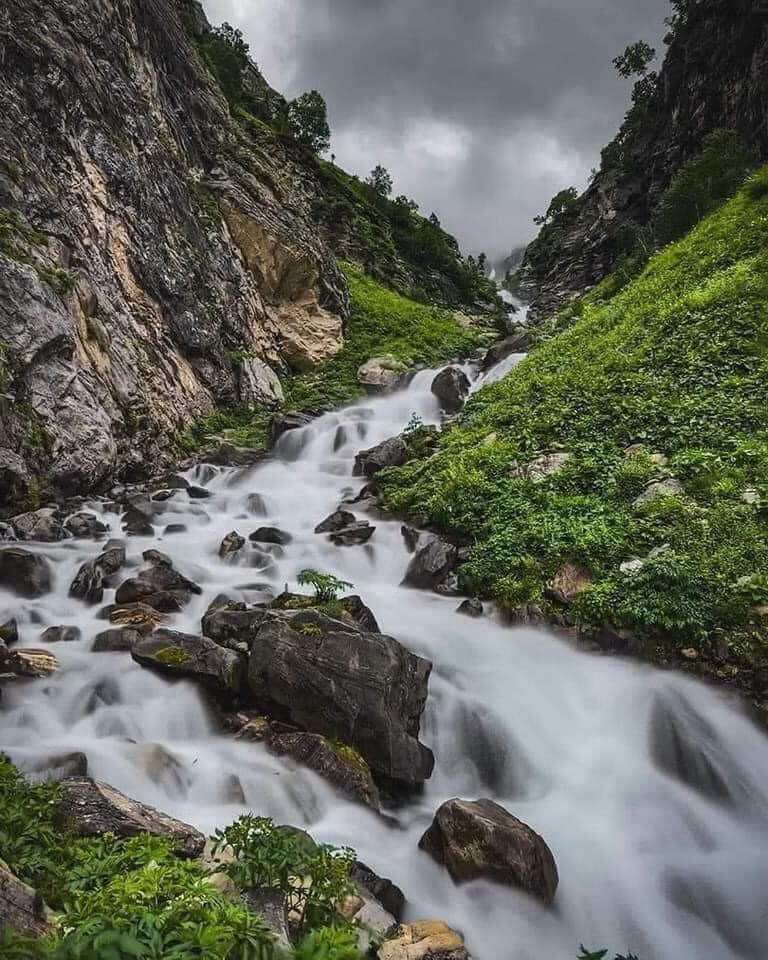
A little ahead of Spoon Lake, you will find a massive waterfall known as “Shounter Waterfall.” This waterfall is situated at the farthest end of Shounter Valley. Beyond this point, the Shounter Pass begins, connecting Shounter Valley (Pakistan-administered Kashmir) to Astore Valley (Gilgit-Baltistan). With a day’s hike, you can cross from Shounter into Astore.

Shounter Valley can only be accessed via four-wheelers or motorbikes; no cars can travel on this terrain.

Chitta Katha Lake is also commonly referred to as “Shounter Lake.” The name “Chitta Katha” translates to “White Lake.”

Chitta Katha Lake is located in the Neelum Valley and is situated at an altitude of 13,500 feet above sea level. This high-altitude lake, with its stunning beauty and serene surroundings, is one of the hidden gems of Azad Kashmir and a popular destination for adventurers and trekkers.

Visitors to Chitta Katha are treated to breathtaking views of snow-capped peaks, crystal-clear waters, and the pristine, untouched natural landscape of Shounter Valley. For those looking to experience the raw beauty of nature, this lake offers a remarkable escape into the wilderness.

Chitta Katha Lake is located in the Shounter Valley, within the region of Pakistan-administered Kashmir. The name “Shounter” evolved from the words “Chhaun Chhar,” which gradually changed to “Shon Chhar” and finally to “Shounter.” “Chhaun Chhar” means “gushing water.”

In Chhaun Chhar, there is another small, spoon-shaped yet beautiful lake, which is referred to as “Spoon Lake” due to its unique shape resembling a spoon.

A little ahead of Spoon Lake, you will find a massive waterfall known as “Shounter Waterfall.” This waterfall is situated at the farthest end of Shounter Valley. Beyond this point, the Shounter Pass begins, connecting Shounter Valley (Pakistan-administered Kashmir) to Astore Valley (Gilgit-Baltistan). With a day’s hike, you can cross from Shounter into Astore.

Shounter Valley can only be accessed via four-wheelers or motorbikes; no cars can travel on this terrain.

Chitta Katha Lake is also commonly referred to as “Shounter Lake.” The name “Chitta Katha” translates to “White Lake.”

Chitta Katha Lake is located in the Neelum Valley and is situated at an altitude of 13,500 feet above sea level. This high-altitude lake, with its stunning beauty and serene surroundings, is one of the hidden gems of Azad Kashmir and a popular destination for adventurers and trekkers.

Visitors to Chitta Katha are treated to breathtaking views of snow-capped peaks, crystal-clear waters, and the pristine, untouched natural landscape of Shounter Valley. For those looking to experience the raw beauty of nature, this lake offers a remarkable escape into the wilderness.

The Sad lakes of Kashmir: Natural Treasures in a Land of Conflict

Jammu Kashmir, the land of beautiful poplars and fragrant saffron trees where the beats of nature can be heard closer has been called ‘Paradise’ throughout the ages and there is no doubt about it!
A valley of snow-clad mountains, picturesque Mughal gardens, gurgling springs, melodious waterfalls, and mesmerizing lakes, Kashmir is an extremely attractive, atmospheric, and health-enhancing region for tourists from all over the world.

Jammu Kashmir is rich in precious saffron and herbs, a unique garden laden with dried fruits, excellent apples, and delicious fruits, and the timber also yields immense wealth for building and other uses. In short, flower-filled Kashmir is worth its weight in gold.

Everything about it is overpriced and when it comes to price and profit, where can occupiers stand apart from it? Where can his intention be right? And if the intention is bad, there are thousands of excuses.

Kashmir is our integral part”

but Kashmiris?

Their opinions??

Their emotions and feelings???

But hard as rocks, brave like their homeland, the dedication of Kashmiris is alive despite this propaganda. Because he is not unaware of the fact that the Pake Baniye of Ganth is not interested in Kashmiris, but in Kashmir, in the priceless treasures of nature bestowed upon him, these treasures which have many aspects and many forms and each is his own example. .

One of these masterpieces are the lakes of Kashmir and these lakes alone are so charming, heartwarming and unique that millions of tourists from all over the world call Kashmir the land of talismanic lakes. Thousands of boats and houseboats are seen on the surface of these lakes in spring. It is as if the splendor of the cities emerges at their feet.

Their charm is further enhanced in the morning and evening when the slanting golden rays of the rising and setting sun fall on the lakes from the distant horizon. At that time, the surrounding mountains and beautiful scenery covered with silvery snow are reflected in the lakes and the colorful city of tourists can also be seen in the water on their surfaces. On moonlit nights, the sky of these lakes is even more visible.

Four classes of people are seen around the lakes. First, rich tourists whose two-two-three-story houseboats float in the lake look exactly like bungalows. Other middle-class tourists whose floating houseboats are beautiful, but small and one-story.

The third type of tourists are seen traveling in the morning and evening on ordinary boats and the fourth is the ordinary Kashmiris, who support themselves by working and serving these outsiders… You have a beautiful simile with eyes as deep as the Nilgoon lake.

You will have heard and you will have heard the discussions of these lakes of Kashmir in the poems of great writers and poets. Come on! Take a look at these lakes up close and personal today. Perhaps by looking into these transparent mirrors, we can get some idea of ​​the value of the rest of the priceless blessings of Kashmir and maybe we can also get an answer to the question of why India and Pakistan are interested in Kashmir.

Vullar Lake

Unparalleled in scenic beauty and charm, Vullar Lake is the largest lake in Kashmir. It is 13 miles long and 10 miles wide. It is located near Srinagar in the northern part of Sona Murg valley, one of the four famous valleys of Kashmir.

The high snow-capped mountains of Mount Harmukh stand around. Earlier, only one branch road from Kashmir to Gilgit reached this lake, but now there are many routes. Around the lake are rice fields and fine apple orchards. In the middle of the lake is a beautiful island built by Zain-ul-Abidin Budh Shah, a sultan of Kashmir, the ruins of whose palaces still exist.

There are also traces of a charming bara dari built by the Sultan on the lakeside. The island was decorated with flower arrangements and beds in such a way that it seemed like an island of dreams at that time. Allama Iqbal had also said on reaching the shore of this charming lake:

How Long will the springs of Himala boil?

This oval-shaped atmospheric lake is located near Safapur, seventeen miles from Srinagar. On its northern side, there are the ruins of Mughal-era palaces at Jarubal. It is said that it was built by Emperor Jahangir.

The area irrigated by canals from the lake, apart from paddy fields, has orchards of apples and almonds. In spring, there is a festival of colors and fragrances due to the abundance of greenery and flowers all around. At the same time, thousands of beautiful birds fly around and fill their ears with their chirping.

Kausar Nag Lake

The most amazing and important thing about this lake is that it is situated on a high mountain Shopian. Which is fifteen thousand five hundred and thirty feet above sea level. Traces of a beautiful mosque built by Sultan Zainul Abedin near Shopian still remain. Some geographers estimate that the depth of the Kausar Nag lake is two hundred feet.

But to date, the depth could not be determined with certainty. In winter, when there is snow on the mountains, the path of this lake is also closed and when the snow melts in the summer sun, its path remains suitable for tourism for three months. A small river that originates from this lake. Vishnu walks forward and takes the form of a beautiful waterfall.

Dal Lake

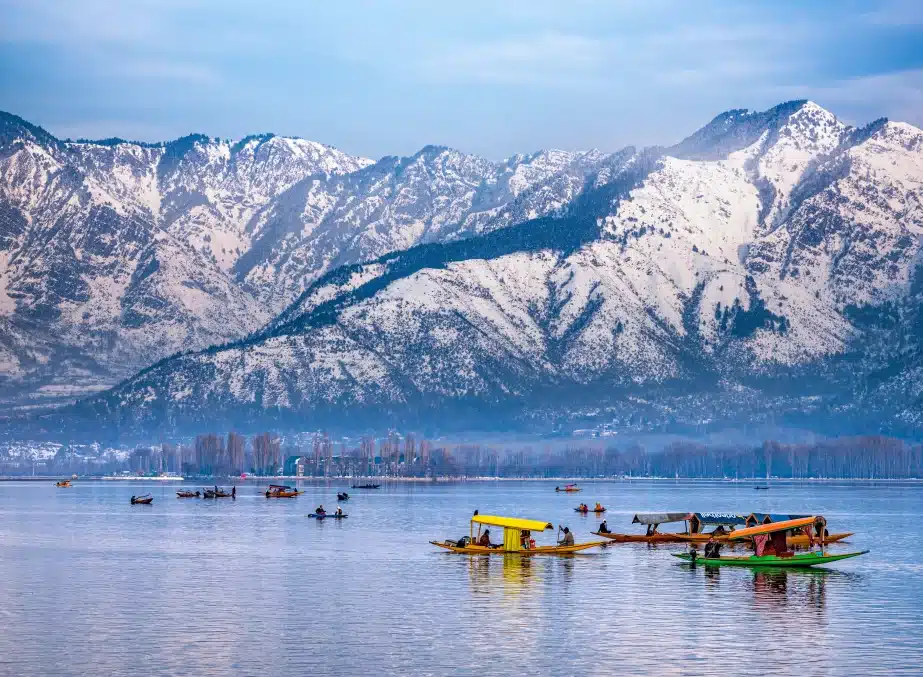
Five miles long and two miles wide, this lake divides the city of Srinagar into two parts. But in the middle, it splits itself into two parts, the sight of the rising sun and the reflection of the city of Srinagar on the clear water of the lake, the heart cries out.

The pages of history bear witness that the center of interest of poets and tourists, this most beautiful and fertile lake was once the most attractive for kings. Apart from the Mughal emperors, the rulers of Kashmir have also left their historical traces around Lake Dal.

So, in the middle of the lake, Sultan Zainul Abedin built a beautiful island called “Sona Link”. For this, soil was soaked in water for several months. Finally, five thousand boats filled with mud were sunk here. Then the island appeared where the ruins of a rock-hewn palace indicate that it was a rare masterpiece of architecture.

Sultan Hussain Shah Chak built an island in the other part of the lake. Later, the Afghan governor Jawan Sher demolished the palace and built a beautiful seven-story building for himself, the ruins of which are still there.

The most special feature of this lake is the small floating fields located on its banks. Which “Hanji” means sailors of Kashmir cultivate various vegetables. Floating on the surface of the water, these lush fields look like green fairies dancing on the water, and the visitors are left in awe of this magical sight.

Sheshnag Lake

Every lake in Kashmir comes into being from springs gushing out from here, small rivers coming out of them or snow melting from high mountains. The foothills and valleys of the high mountains here are very suitable for the existence of these lakes.

Therefore, Sheshnag Lake is also located at the foothills of Mount Amarnath, sixteen thousand feet above sea level, and is the center of interest for those tourists who are fond of “fishing”. There are plenty of fish in the lake for the ladies and gentlemen who are fond of this hobby. A small river also originates from the lake.

Gangabal Lake

There are three routes leading to this lake from Srinagar. The course of the Attock River is 42 miles, the Nadan Nag 46 miles, and the Ganderbil 25 miles. The blue water of the lake is transparent like a mirror. Even the small stones lying in its bottom are clearly visible. Hindus consider the water of this lake as holy and make a pilgrimage to it. A fair is also held here in Sawan.

Anchar Lake

This lake is located between the Indus River and the Jhelum River (which is not very big here). The river grass growing around it looks very good. When the flowers themselves show their spring, every scene is bathed in color and every breeze is filled with fragrance.

The lake is situated in the Indus Valley, a valley of Kashmir near Mira Kadal, which was once a great trading market and which still abounds in valuable forests of bear, keel, cedar, and walnut.

Tarsar, Marsar Lakes

These two lakes are located side by side in the embrace of Kalhai Glacier, sixty-two miles from Srinagar. Like most of the lakes in Kashmir, it is very clear and blue. Even in the green fields here, when the season of spontaneous flowers comes, their fragrance spreads throughout the valley.

All the ways to get here are very difficult. But when the tourists reach here, they get lost in the scenery of the lakes and forget the fatigue and all the troubles of the journey. There are extensive forests around here.

Kalinag Lake

is also called Qazinag Lake. Encompassing a stretch of one mile long and half a mile wide, this lake is at the foot of a high mountain. It is surrounded by dense forests. Like other forests of Kashmir, they also have plenty of prey for leopards, lions, and bears. Thus, the entire Kashmir is a healthy region, but the climate of this lake is very famous for its healthy climate. It is said that tuberculosis patients who stay here also get well soon.

Tourists who enjoy these natural scenes of Kashmir start leaving before the heavy snowfall. Because after that the traffic routes become blocked or difficult and only the hardy inhabitants of this place are left to face these difficulties. But they are also in love with the thorns of their grass, their motherland, Kashmir like a bulbul.

Apart from these famous lakes, there are hundreds of lakes in Kashmir. If it is a matter of earning and profit, where could the occupiers be separated from it? Why would he want to see the people of Kashmir benefiting from the great blessings and treasures here? Apart from himself, how could he consider the poor Kashmiris as eligible for trade, wealth, and emirate? They are simple-hearted Muslims, don’t be clever.


You have heard the cry of my heart, the lakes of my country

have drowned in the plains and Kahsar, you have also heard the cry of my heart, but who has heard this cry? Who has heard the call of sad lakes in the noise of foreign tourists and luxuries, the propaganda of usurper India? Baniye’s business is booming, the priceless treasures of Kashmir are in his hands. These tyrants of cruelty and exploitation with a knife in their armpits and a ram in their mouth have long hands and a stone heart. If the future of Kashmir is linked to Pakistan through seven ancient and natural routes, what happened? India has also made a way out of Pathankot by cutting the mountain. If the future of the lush and green fields of Pakistan is linked to the water of the rivers flowing from the womb of Kashmir, then what happened? He himself has been looking for heinous strategies to stop these waters by tying a dam. So will the long and serious night of India’s slavery on Kashmir remain the same? Not at all!! The colorful morning of freedom will come someday, when the snow-clad mountains will become volcanoes for the natives, the burning poplars will be engulfed in flames and every lake of Kashmir will become a lake of death for him!! ! Today it is Kashmir, subjugated, forced and impoverished. Tomorrow, what people used to call Iran is small. It is telling the story of days of cruelty at the foot of the mountain.


Seasonal Migration of Gujjar and Bakarwal Tribes Begins in Jammu and Kashmir

0

Srinagar (Azadi Times) – With the rising temperatures in the plains of Jammu, the Gujjar and Bakarwal tribes have started their annual seasonal migration to the upper regions of Kashmir. This centuries-old tradition sees the nomadic communities, particularly the Gujjars and Bakarwals, move to cooler, higher-altitude grazing grounds for the next few months. The migration typically begins around April each year, with herders traveling with their livestock, including sheep, goats, cattle, and horses.

The Bakarwal tribes from Rajouri and Poonch traverse long routes through locations such as Falyaz, Behram Gali, Chandi Mar, Poshana, Tatta Pani, Peer Ki Gali, and eventually reach Srinagar and Sonamarg. Upon reaching the Valley, they set up camps in grazing meadows in areas like Pahalgam, Peer Ki Gali (Shopian), Doodhpathri, Yusmarg, Bangus Valley (Kupwara), Gurez, and the higher reaches of Sonamarg, staying until September. The herders, both nomadic and local, also bring livestock from various regions of the Valley.

Government records indicate that there are more than 1.5 million Gujjars and Bakarwals in Jammu and Kashmir, with approximately 500,000 being nomadic. These communities are heavily dependent on livestock for their livelihood. Sonamarg remains the most popular destination for Bakarwal migrations, with official registration of herders taking place in Ganderbal, Naranag, and Haknar.

According to the Sheep Husbandry Department, there are approximately 200,000 livestock in the Ganderbal and Kangan areas, and an additional 500,000 sheep and goats are brought from other regions to Sonamarg. Last year, around 500,000 sheep and goats migrated with Bakarwals to Sonamarg, but this number has increased to 550,000 this year, reflecting a 3% annual rise in livestock.

This year, over 17,000 sheep and goats from Budgam district and 20,000 from Pulwama were brought for grazing. The majority of these nomadic herders come from Rajouri and Poonch. They travel to places like Vishansar, Gangbal, Machoi Valley, Lenderwas, Gadsar, and numerous other temporary grazing camps scattered across Sonamarg and its neighboring areas.

While the Sheep Husbandry Department sets up over 10 camps across various locations for medical support and vaccination against livestock diseases, the lack of communication infrastructure in some remote areas poses challenges. Despite these difficulties, the migration remains a vital aspect of the Gujjar and Bakarwal way of life.

An official from an organization working for the welfare of Gujjars and Bakarwals told Azadi Times that 50,000 Gujjars and Bakarwals migrate annually from Rajouri and Poonch to various areas of Kashmir, particularly to Budgam, Pahalgam, and Sonamarg. These migrations play a crucial role in sustaining their traditional way of life and preserving their cultural heritage.

Enraged Mother Snake Kills Four Domesticated Animals Worth Thousands After Baby Snakes Die During House Excavation in Chinari AJK

    0

    Hattian Bala (The Azadi Times): In the nearby village of Chinari Bharaiyan, Chanuian, a female snake became enraged after her baby snakes were killed during excavation for the construction of a house.

    In retaliation, she, along with other snakes, attacked and killed four domesticated animals worth thousands of rupees. A young man narrowly escaped the snake’s attack, spreading fear and panic throughout the area. The residents are now afraid to leave their homes at night.

    According to details, during the excavation for the construction of a house in the villages of Chanuian and Bharaiyan, a few baby snakes were killed. In response, the angry mother snake, along with other snakes, bit and killed a goat, a dog, a chicken, and a cat.

    The snake also attacked a young man, but fortunately, he managed to escape unharmed. Following the incident, fear and panic have gripped the area, with locals reluctant to venture outside at night.

    Locals have reported that the snakes are highly venomous, as the goat, dog, chicken, and cat died within minutes of being bitten. It is worth noting that a few weeks ago in a nearby area of Hattian Bala, a person killed a snake, and the next day, another snake attacked and fatally bit the man in retaliation.

    Doctors have advised the public to take precautions this month to avoid snake bites, as snakes are more likely to be found near water, in bushes, and in fields during this time.

    Doctors recommend that people carry torches at night, wear shoes while walking, and if anyone is bitten by a snake, they should be immediately rushed to the District Headquarters Hospital in Hattian Bala to prevent the loss of life.

    Neelum Valley: Fire Erupts in Barian Seri Bazaar, Fears of Major Losses

    0

    Neelum Valley: A massive fire broke out in Barian Seri Bazaar, raising concerns of significant damage. Fire brigade vehicles have been dispatched from Athmuqam towards Barian to control the blaze. The fire is believed to have started due to a short circuit.

    Several shops have been completely destroyed, and the upper portion of a house belonging to a local resident, Shabbir, has also been burned. The local community is currently engaged in efforts to extinguish the fire on their own. Fortunately, no reports of casualties have surfaced so far.

    Further updates will follow as the situation develops.

    Flag of JKLF | Meaning Symbol & History

    0

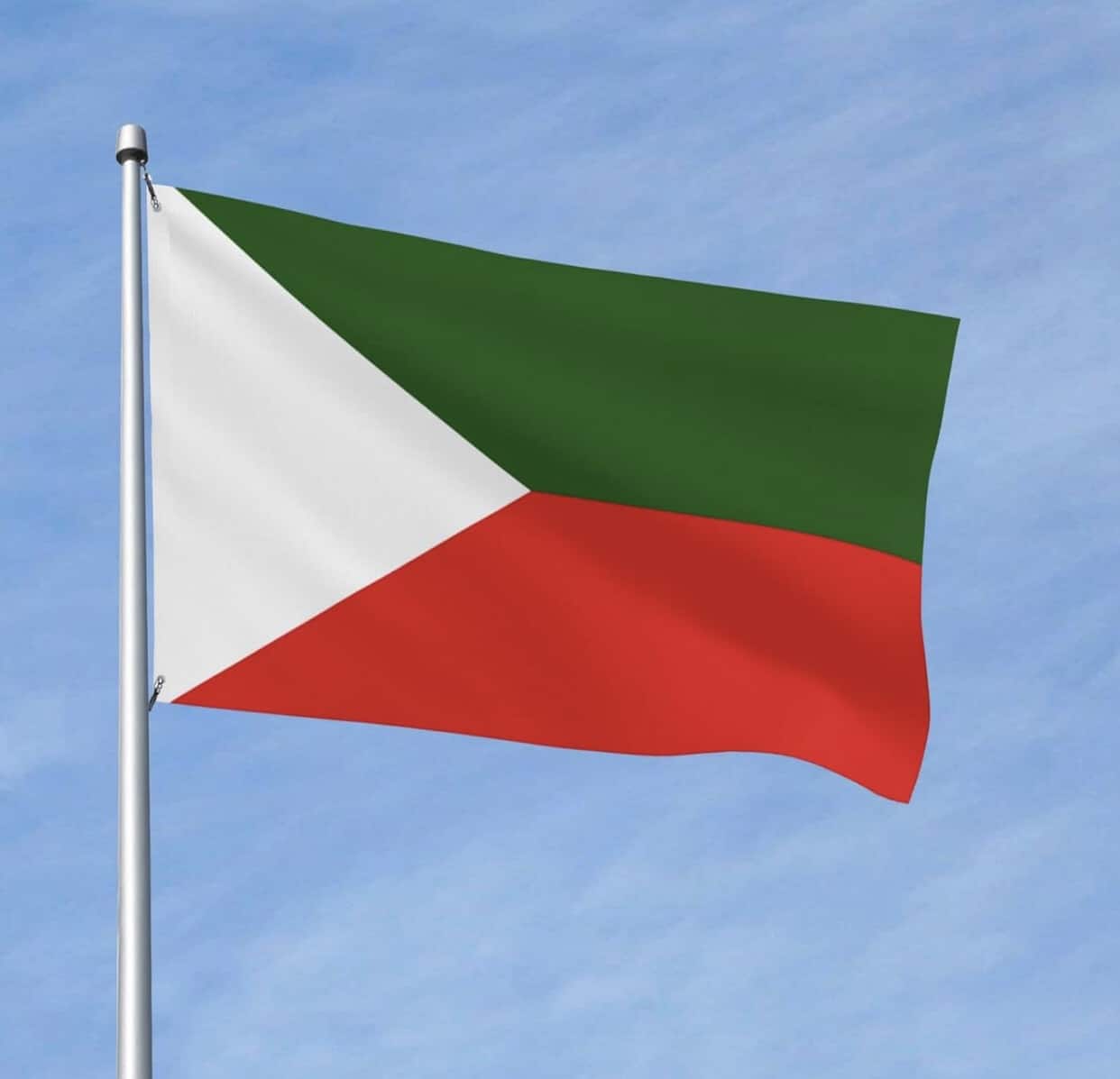
    The flag of the Jammu Kashmir Liberation Front (JKLF) is a powerful symbol that encapsulates the organization’s ideology and philosophy through its three distinct colors.

    Each color holds significant meaning and represents various aspects of the region and its people.

    1. Green: The green color primarily symbolizes the lush greenery of the state. Additionally, it represents the identity of the majority population, which is 78% Muslim. This color is a tribute to the natural beauty of the region and the cultural and religious identity of its inhabitants.
    2. Red: Red stands for both revolution and sacrifice. In terms of revolution, it signifies the JKLF’s commitment to revolutionary ideals and programs. Regarding sacrifice, it reflects the organization’s belief that freedom cannot be achieved without significant sacrifices, including the ultimate sacrifice of life. This color embodies the spirit of struggle and the willingness to shed blood for the cause of liberation.
    3. White: White represents peace and the minority communities, which make up 22% of the population. It signifies the JKLF’s dedication to a peaceful struggle and the recognition of the religious minorities’ identity within the state. This color underscores the organization’s commitment to peaceful coexistence and respect for all communities.

    Together, these colors illustrate the JKLF’s vision for a free and harmonious Jammu and Kashmir, where the natural beauty, cultural identity, revolutionary spirit, and peaceful coexistence are all honored and preserved.

    Bollywood actress Sonakshi Sinha and actor Zaheer Iqbal decided to get married after dating for more than 7 years

    0

    Bollywood actress Sonakshi Sinha and actor Zaheer Iqbal decided to get married after dating for more than 7 years.

    In June this year, Sonakshi and Zaheer registered their marriage in a ceremony held at their home in Mumbai. After the wedding, Sonakshi and Zaheer were given a grand reception, attended by prominent Bollywood stars including Salman Khan, Huma Qureshi, Rekha, and Kajol.

    During a recent interview, Sonakshi Sinha openly discussed her relationship with Zaheer Iqbal and explained why they kept it a secret.

    Sonakshi shared that she believes personal matters should be kept private, especially since they are both already in the limelight. “Everyone knows you, so what you hold dear should be kept personal,” she said, clarifying that there was no big secret behind their decision to keep their relationship private.

    She further admitted, “We met and fell in love, we started going out. I realized early on that it was permanent, but Zaheer took time to make a decision. Once that decision was made, it became easier for us to go public.”

    In the same interview, Zaheer Iqbal spoke about his love for Sonakshi, saying, “In the beginning, I thought my feelings for Sonakshi were just a matter of interest, but as time went by, my feelings became deeper. Even though I knew from day one that Sonakshi was the one, I accepted it much later.”

    It is worth noting that the announcement of Sonakshi Sinha’s marriage to Zaheer Iqbal, a Muslim friend, caused some buzz, with reports of differences within the family.

    Foundation Day Jalsa of Jammu Kashmir Joint Awami Action Committee at Rawalakot – A Powerful Show of Unity

    0

    Rawalakot: The Jammu Kashmir Joint Awami Action Committee (JKAAC) organized a first foundation Day Jalsa at Sabir Shaheed Stadium Rawalakot, drawing large crowds from across all ten districts of Azad Kashmir (Pakistan administered Kashmir).

    The event witnessed the participation of people from various regions, including Gilgit Baltistan and Azad Jammu Kashmir, who came together in solidarity.

    The leadership of the Jammu Kashmir Joint Awami Action Committee was present on stage, addressing the crowd with powerful speeches. The rally aimed to highlight the unity of the Kashmiri people and their determination to resist any attempts to divide them.

    During the event, the committee strongly condemned the recent remarks made against Sardar Aman Khan former member of Jammu Kashmir Joint Awami Action Committee, reaffirming that any conspiracies to weaken the unity of the Kashmiri people would be defeated.

    According to a special report from The Azadi Times, around 53 sticks (timber da sota) were prominently displayed on stage, symbolizing the strength and unity of the movement.

    The Jalsa has received significant media attention, with social media platforms buzzing with coverage of this important event.

    The Jammu Kashmir Joint Awami Action Committee continues to push for the rights of the people of Jammj Kashmir, standing against any efforts to undermine their unity and purpose.

    The Azadi Times YouTube channel

    Enraged Mother Snake Kills Four Domesticated Animals Worth Thousands After Baby Snakes Die During House Excavation in Chinari AJK

      0

      Hattian Bala (The Azadi Times): In the nearby village of Chinari Bharaiyan, Chanuian, a female snake became enraged after her baby snakes were killed during excavation for the construction of a house.

      In retaliation, she, along with other snakes, attacked and killed four domesticated animals worth thousands of rupees. A young man narrowly escaped the snake’s attack, spreading fear and panic throughout the area. The residents are now afraid to leave their homes at night.

      According to details, during the excavation for the construction of a house in the villages of Chanuian and Bharaiyan, a few baby snakes were killed. In response, the angry mother snake, along with other snakes, bit and killed a goat, a dog, a chicken, and a cat.

      The snake also attacked a young man, but fortunately, he managed to escape unharmed. Following the incident, fear and panic have gripped the area, with locals reluctant to venture outside at night.

      Locals have reported that the snakes are highly venomous, as the goat, dog, chicken, and cat died within minutes of being bitten. It is worth noting that a few weeks ago in a nearby area of Hattian Bala, a person killed a snake, and the next day, another snake attacked and fatally bit the man in retaliation.

      Doctors have advised the public to take precautions this month to avoid snake bites, as snakes are more likely to be found near water, in bushes, and in fields during this time.

      Doctors recommend that people carry torches at night, wear shoes while walking, and if anyone is bitten by a snake, they should be immediately rushed to the District Headquarters Hospital in Hattian Bala to prevent the loss of life.