Tuesday, March 24, 2026
18.4 C
Srinagar
Home Blog Page 158

Flour Prices Drop Significantly, But Roti Remains at 20 Rupees in Muzaffarabad; Public Demands Action

0

Muzaffarabad (Azadi Times): Despite a significant reduction in flour prices from 6,000 to 2,000 rupees per 40 kg, the price of roti remains unchanged at 20 rupees. The administration has failed to reduce the prices of roti, kulcha, and naan.

Instead of imposing fines from their office, municipal magistrates are urged to personally check rate lists in the market.

In areas such as Bela Noor Shah, Neelum Bridge, Neelum Park, and Abbottabad Road, hotel and tandoor owners continue to sell roti and naan at the old prices, exploiting consumers without any intervention from the price control committee or administration.

Residents of Bela Noor Shah, Bala Peer, and Bandi Saman have demanded immediate action from the Prime Minister and Deputy Commissioner. They urge municipal magistrates to check the prices of roti, naan, and other food items in the market rather than imposing fines from their office.

Jhelum Valley Administration Sets Roti Price at 16 Rupees, Warns of Strict Enforcement

Hattian Bala (Azadi Times): The Jhelum Valley administration has officially set the price of a single roti at 16 rupees across all markets, including Hattian Bala, Chinari, and Chakothi. Strict action will be taken against tandoor and hotel owners who violate this pricing directive.

Assistant Commissioner Hattian Bala, Kamran Khan, addressed journalists, stating that the administration will strictly enforce the 16-rupee price for roti.

He urged the presidents of Hattian Bala, Chinari, and Chakothi markets to ensure compliance. Any complaints of roti being sold above 16 rupees in any market or hotel will result in severe penalties.

Kamran Khan also called on local journalists in Jhelum Valley to play their part in raising public awareness about the new pricing. He further warned that hotels or tandoors found using government-subsidized flour from Azad Kashmir will face strict action, along with the flour dealers involved.

The public has praised the decision to set the roti price at 16 rupees, noting significant drops in the prices of flour and refined flour (maida) in recent weeks.

They suggested that the administration should also standardize the weight of roti and reduce prices for naan, baqarkhani, and bakery items, as bakery owners continue to sell products at old rates despite the decrease in oil and flour prices.

Fact Check: Firing Incident in Sadiqabad, Rawalpindi

    0

    Claim: Two Kashmiri men in Sadiqabad, Rawalpindi were shot for raising a Kashmiri flag and lowering the Pakistani flag.

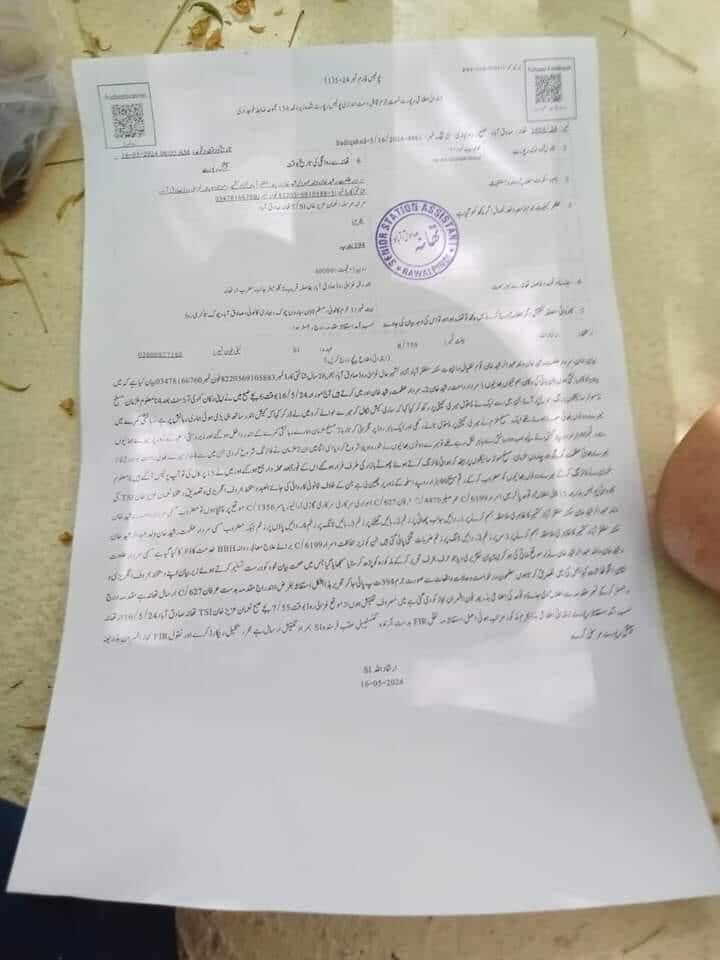
    Truth: This claim is false and fabricated. The incident was actually a robbery attempt, and the FIR copy is attached.

    Details:

    On May 17, 2024, social media reports surfaced about two Kashmiri men being shot in Sadiqabad, Rawalpindi for raising a Kashmiri flag and lowering the Pakistani flag. These reports also claimed that the incident was causing sectarian tension between local Kashmiris and Pakistanis.

    However, these claims are false. The police have confirmed that the incident was an attempted robbery. Two armed men stormed into a shop and shot the owner and his employee, injuring them. The injured were taken to a local hospital and are in stable condition.

    The police have launched an operation to apprehend the culprits.

    Conclusion:

    The firing incident in Sadiqabad, Rawalpindi was a robbery attempt, not a sectarian conflict between Kashmiris and Pakistanis. It is important to refrain from spreading misinformation and fabricated stories that can incite sectarian hatred and violence.

    Sources:

    • Police statement (FIR)
    • FIR copy (evidence)

    Should You Tint Your Car Windows? A Guide to Costs, Benefits, and Drawbacks

    Tinted windows have become synonymous with modern automotive aesthetics, offering more than just a stylish upgrade. They provide a range of benefits, from UV protection to enhanced privacy.

    However, for many car owners, the decision to tint their windows often hinges on one crucial question: How much does it cost? In this in-depth exploration, we delve into the intricacies of tinting car windows, deciphering the factors that influence costs and weighing them against the array of advantages.

    How much does it cost to tint car windows?

    The cost of tinting car windows is not set in stone; it’s a variable influenced by several key factors. Primarily, the size and type of vehicle play a significant role. Sedans typically entail lower costs compared to larger vehicles like SUVs or trucks due to the differing amounts of window material required.

    Also Read: How to Get Your Azad Kashmir Driving License Latest Update

    Additionally, the quality of the tint film is a pivotal determinant. Higher-grade films, renowned for superior heat rejection and UV protection, inevitably command a higher price tag than their basic counterparts. Local regulations concerning window tint darkness also factor into the equation, potentially shaping the type of film chosen and consequently affecting overall costs.

    Benefits of tint car windows

    Despite the financial investment, tinting car windows offers a multitude of benefits that often outweigh the initial expense:
    Sun Protection: Shielding occupants from harmful UV rays, tinted windows safeguard against sunburns and premature aging while preserving the interior from fading.
    Heat Rejection: By repelling solar heat, tinted windows maintain a cooler cabin temperature, reducing reliance on air conditioning and potentially improving fuel efficiency.

    Privacy Enhancement: The added tint provides a veil of privacy for passengers and valuables, enhancing security and peace of mind.
    Safety Amplification: In the unfortunate event of an accident, tinted windows can mitigate risks by adding an extra layer of shatter resistance.
    Aesthetic Appeal: Beyond functional benefits, tinted windows contribute to the overall aesthetics of a vehicle, lending it a sleek and sophisticated look.

    The Drawbacks and Considerations

    While the advantages are compelling, it’s crucial to acknowledge the potential drawbacks and considerations:
    Reduced Visibility: Darker tints may impede visibility, particularly at night or in low-light conditions, necessitating adherence to local regulations on tint darkness.
    Legal Compliance: Window tint laws vary by jurisdiction, necessitating thorough research to ensure compliance and avoid penalties or removal mandates.

    Quality Assurance: Opting for cheaper tinting options may result in premature fading, bubbling, or peeling, underscoring the importance of investing in professional installation and premium-grade materials.
    Maintenance Commitment: Sustaining the pristine condition of tinted windows requires regular maintenance to prevent deterioration and preserve their effectiveness.

    Conclusion:

    In conclusion, the decision to tint car windows involves a careful balancing act between costs and benefits. While the initial outlay may seem significant, the long-term advantages in terms of protection, comfort, and aesthetics often justify the expense.

    By understanding the cost dynamics, evaluating the benefits, and navigating potential drawbacks, car owners can make an informed decision that aligns with their preferences and budget.

    Consulting reputable professionals for personalized advice and adhering to local regulations ensures a seamless tinting experience, transforming your vehicle into a sanctuary of style and functionality.

    Kashmiri Journalist from Bagh, Azad Kashmir Abducted in Rawalpindi

    0

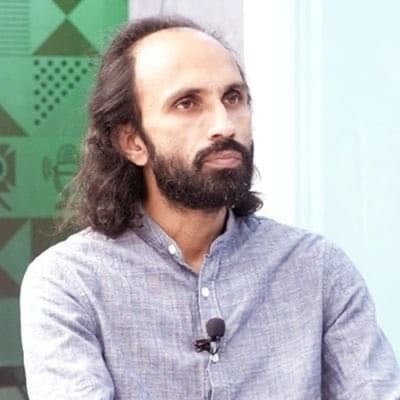
    MUZAFFARABAD: Ahmad Farhad, a Kashmiri journalist hailing from Bagh, Azad Kashmir, residing in Rawalpindi, has been abducted from his residence.

    The abduction, marked by the destruction of CCTV cameras, reflects a disturbing trend of targeting voices of dissent in Pakistan-administered Kashmir.

    Ahmad Farhad’s journalistic endeavors centered on shedding light on the prevailing unrest in Azad Kashmir, particularly the violent suppression of protests by state authorities, resulting in numerous casualties.

    His courageous reporting had earned him recognition as a prominent advocate for human rights and press freedom in the region.

    This incident underscores a broader pattern of intimidation and coercion against journalists and activists critical of the government. Enforced disappearances and custodial torture have become commonplace, signaling a grave threat to freedom of expression and democracy in Pakistan-administered Kashmir.

    Amidst growing concerns over press freedom in Pakistan and Pakistan administered Kashmir, Ahmad Farhad’s abduction is a stark reminder of the risks faced by journalists, especially those from marginalized communities such as Kashmir. The targeting of individuals like Farhad not only silences dissent but also perpetuates a culture of fear and oppression.

    As calls for accountability reverberate, it is imperative for the authorities to swiftly investigate Farhad’s abduction and ensure the safe return of all unlawfully detained individuals. The international community must stand in solidarity with Kashmiri journalists and activists, advocating for their rights and condemning all forms of repression and violence perpetrated against them.

    Protests to end Azad Kashmir: What Was The True Objectives and Background

    0

    A year ago, a Jammu Kashmir Joint Awami Action Committee (JKAAC) public movement that originated from Pakistan-administered Kashmir’s cities Kotli, Mirpur, and Rawalakot has now ended, yet its momentum continues unabated.

    The evidence of this is in the last speech by Shoukat Nawaz Mir, a senior member of the Jammu Kashmir Joint Awami Action Committee, where he declared that their next step is the recognition of statehood, a message both for the populace and the authorities.

    The Joint Awami Action Committee traces its roots back to Independent Jammu and Kashmir, where it emerged as the first national movement in Pakistani-administered Kashmir, championing the cause of the people from all over the region.

    Initially fueled by nationalist sentiments, with contributions from organizations like Jammu Kashmir Liberation Front (JKLF), traders union, and Jammu Kashmir National Student Federation (JKNSF), it gradually evolved into a national movement, encompassing diverse ideologies.

    Notably, it became a platform where Kashmiris rallied under the singular banner of Kashmir’s flag, distinct from any Pakistani flag, a sight unseen since the 1947 division of Kashmir.

    Also Read: Jammu Kashmir Joint Awami Action Committees: The Ongoing Movement for Rights and Reforms in Azad Kashmir

    The pinnacle of the Jammu Kashmir Joint Awami Action Committee’s efforts came with their long march, a culmination of a year-long protest against injustices, particularly focusing on electricity production costs and subsidized flour prices in the region.

    Despite government attempts to thwart the march, including road closures and seeking assistance from Pakistani forces, the public movement persevered, reaching Muzaffarabad on May 11. However, the peaceful protest turned tragic when on May 13, authorities resorted to open fire, resulting in three deaths and 180 injuries.

    Leadership Of Jammu Kashmir Joint Awami Action Committee long march

    The leadership during this long march was diverse, with Dr. Toqeer Gilani leading the caravans from Kotli and Mirpur, Qari Naseer from Rawalakot, and Shoukat Nawaz Mir at the forefront in Muzaffarabad.

    The actions of protestors during the march, such as removing Pakistani flags and signs indicating Kashmir’s affiliation with Pakistan, gained traction on social media, resonating with many who supported their cause.

    Following the fulfillment of the demands by the Awami Action Committee, including concessions on electricity costs and flour prices, a black day was observed on May 14 across Pakistan-controlled Kashmir, commemorating the sacrifices made during the protest.

    As the public movement transitions into its next phase, as articulated by senior members, the focus shifts towards achieving statehood recognition.

    This marks a significant development in the ongoing struggle for the rights and autonomy of the people of Azad Kashmir.

    Tragic Incident Unfolds as Pakistani Rangers Fire at Protesters in Muzaffarabad, Claiming a Life

    0

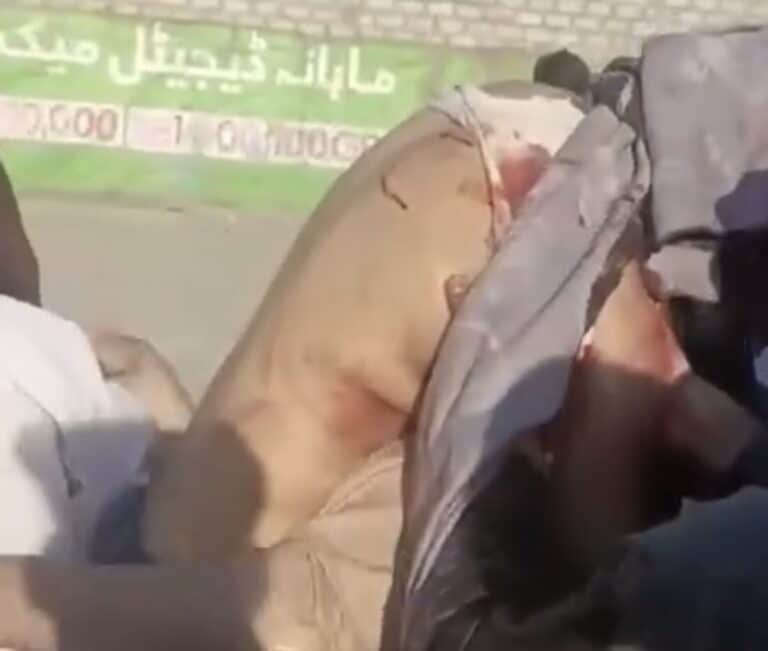
    Muzaffarabad: A man lost his life in Barkot, Muzaffarabad, as Pakistani Rangers opened fire during a confrontation with local residents.

    The incident transpired as Pakistani Rangers attempted to breach into Azad Jammu and Kashmir early in the morning. However, the resilient community of Barkot, Muzaffarabad rallied together, blocking the road and staunchly refusing entry to the Rangers.

    Despite the determined efforts of the protesters, Pakistani Rangers resorted to force, firing upon the peaceful demonstrators.

    Tragically, amidst the chaos, one Kashmiri lost his life, succumbing to the violence unleashed by the Rangers.

    This unfortunate event unfolded following the issuance of a notification by the Azad Jammu and Kashmir Government, aiming to address the demands put forth by the Jammu Kashmir Joint Awami Action Committee.

    The community’s peaceful demonstration turned into a scene of horror as gunfire echoed through the streets, leaving a trail of devastation and mourning in its wake.

    The incident serves as a stark reminder of the volatile tensions surrounding the region and the precarious situation faced by the residents of Azad Jammu and Kashmir.

    As investigations into the matter unfold, the community mourns the loss of a fellow Kashmiri and stands united in demanding justice for the victim and accountability for those responsible for the tragic events that unfolded in Barkot, Muzaffarabad.

    Jhelum Valley District Gripped by Protests: Demonstrations Persist Despite Restrictions

      0

      Jhelum Valley: The Jhelum Valley district in Jammu and Kashmir continues to be engulfed in unrest as protests orchestrated by the Joint Action Committee persist for the second consecutive day.

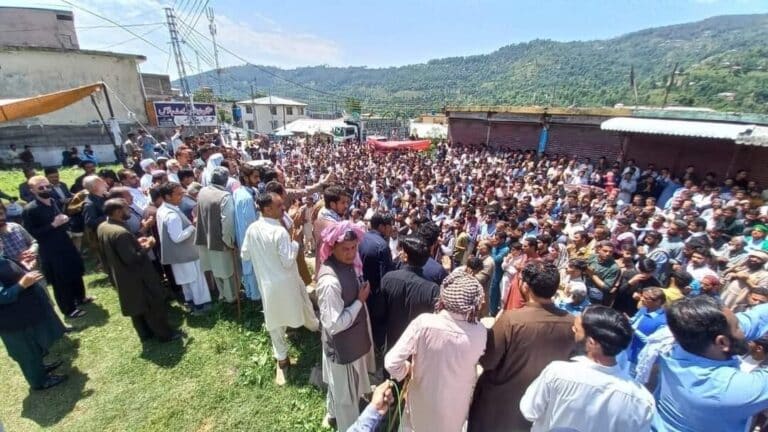
      Despite the imposition of Section 144, the district headquarters in Hattian Bala witnessed a massive gathering of traders and civil society representatives protesting against government policies.

      In a remarkable display of solidarity, traders and individuals from various walks of life staged a sit-in protest in Channari for over two hours, demonstrating their concerns about the prevailing situation. The atmosphere in Jhelum Valley remains charged, with the government and Prime Minister being the targets of criticism, while slogans in support of the Joint Action Committee echo through the streets.

      The unrest has disrupted normal life across the district, with markets in Hattian Bala, Chakothi, Channari, Goojar Bandi, and Khilana Valley observing complete shutdowns and trade unions continuing their strike actions. The largest rally in the district was organized in Hattian Bala, spearheaded by prominent political figures including former MLA Liaquat Ali Awan, youth leaders Ovais Khan and Timur Beg, and Maulana Mukhtar Ahmad Kiyani of the Jamiat Ulema-e-Islam.

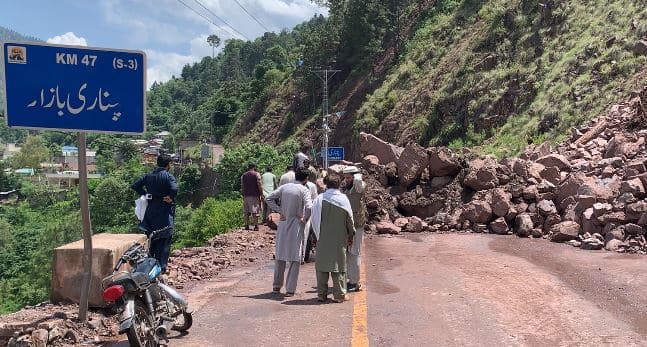
      The protest intensifies as traders and civil society leaders from Channari announce a march towards Muzaffarabad at 11 AM on Sunday. However, authorities have blocked the Srinagar-Muzaffarabad road near Seringar, preventing the procession from advancing and causing inconvenience to ambulances and patients trying to reach hospitals.

      The demonstrators expressed strong resentment against the government’s failure to address the soaring prices of essential commodities and the ongoing electricity crisis. They chanted slogans condemning the government’s incompetence and demanded immediate action to alleviate the suffering of the people.

      In a defiant stance, the organizers reiterated their commitment to peaceful protest and vowed to continue their struggle until their demands, outlined in their charter of demands, are met. They warned the government against resorting to any coercive measures, emphasizing that such actions would only exacerbate the situation.

      As tensions escalate, calls for the resignation of the Prime Minister and a change in government policies grow louder. Opposition leader Khawaja Farooq and former Prime Minister Raja Farooq Haider Khan are urged to step forward and support the movement for the greater good of the people.

      The ongoing protests in Jhelum Valley underscore the deep-seated discontent among the populace and their determination to fight for their rights. The government’s response to this wave of dissent will likely shape the future trajectory of the region.

      Srinagar-Muzaffarabad road barricaded by Jhelum Valley administration amid protests and shutdown

        0

        Hattian Bala: The Jhelum Valley Joint Action Committee’s call for a shutdown has plunged the entire district of Jhelum Valley into chaos. Hattian Bala, a town and Jhelum Valley District headquarters in Jammu and Kashmir witnessed a complete shutdown as businesses closed their shutters and wheels of commerce came to a grinding halt. The call for a strike persisted for the third consecutive day, with no signs of abating.

        The unrest spread like wildfire, with internet services suspended across the district from Saturday night, causing inconvenience not only to the general public but also to journalists striving to fulfill their professional duties. Despite the imposition of Section 144, protests continued in Hattian Bala, Chanari, and Chakothi, where demonstrators voiced their grievances against the government.

        The atmosphere in Jhelum Valley has become tense, with rising prices of essential commodities adding fuel to the fire of discontent among the populace. The Joint Action Committee, led by vocal opposition figure Chaudhry Anwar-ul-Haq, has intensified its rhetoric against the government’s policies, labeling them as incompetent and indifferent to the people’s plight.

        The protests have paralyzed normal life in Hattian Bala, Chakothi, Chanari, and other major markets of the district. Despite the restrictions, demonstrators remain undeterred, vowing to march towards Muzaffarabad, the capital city, to join the central procession. Organizers have reiterated their commitment to peaceful protest, rejecting any attempts by the government to suppress their movement.

        In a bold statement, protesters condemned the government’s decision to disrupt internet services, labeling it as a blatant violation of fundamental rights. They demanded an immediate restoration of internet services and warned of further escalation if their demands were not met promptly.

        The situation in Jhelum Valley reflects a growing discontent among the people, reminiscent of historic protests in the region. From Bimber to Taobutt and Chakothi to Kohala, the entire state seems to be engulfed in a wave of dissent rarely witnessed before. The government’s reliance on force and propaganda to quell the movement has only fueled the flames of resistance, highlighting its inability to address the grievances of the populace.

        As the standoff between the government and protesters intensifies, the future remains uncertain. However, one thing is clear: the people of Jhelum Valley are determined to continue their struggle until their voices are heard and their rights are respected.

        Negotiations Stumble Amidst Jammu and Kashmir’s People’s Rights Movement

        0

        Rawalakot: In the midst of the ongoing People’s Rights Movement in Jammu and Kashmir, negotiations hit a roadblock, casting doubts on the prospects of resolving the long-standing grievances in the region.

        The latest attempt at dialogue, spearheaded by the leadership of the Jammu Kashmir Joint Awami Action Committee, aimed to address the demands for greater autonomy and rights for the people of the region.

        However, the negotiations took an unexpected turn as government representatives opted for talks at the administrative level rather than through ministerial committees.

        Chief Secretary Azad Jammu Kashmir Dawood Bajwa, accompanied by officials from Pakistani intelligence agencies, engaged in discussions with members of the Joint Public Action Committee, marking a departure from previous negotiation structures.

        Despite assurances of considering all demands, negotiations faltered, revealing underlying tensions and challenges.

        Reports emerged of discrepancies in the subsidy allocation and resistance to equitable distribution of power resources, further complicating the dialogue process.

        Key figures from the movement, including Shaukat Nawaz Mir, Umar Nazir Kashmiri, and Amjad Ali Khan Advocate, participated in the negotiations, expressing disappointment over the lack of progress.

        The failure of talks prompted leaders to announce the cessation of negotiations and the continuation of the march towards Muzaffarabad.

        Additionally, the presence of military intelligence officials during negotiations raised questions about their role and influence in the dialogue process. Brigadier Shahzad’s involvement sparked speculation regarding political maneuvering and potential interference from higher authorities.

        As negotiations collapsed, the responsibility for the outcome fell on the shoulders of movement leaders, who vowed to escalate their efforts to achieve their objectives. However, concerns remain about the escalating tensions and the potential for further unrest in the region.

        Amidst these developments, there are growing calls for a concerted effort to address the demands of the movement and prevent the situation from deteriorating further.

        The stakes are high, with the need for concrete actions to alleviate the grievances and restore stability in Jammu and Kashmir.