Sunday, March 22, 2026
9.3 C
Srinagar
Home Blog Page 25

Crackdown in Pakistan-administered Kashmir: Police Book 2,500 in Protester’s Killing Case

0

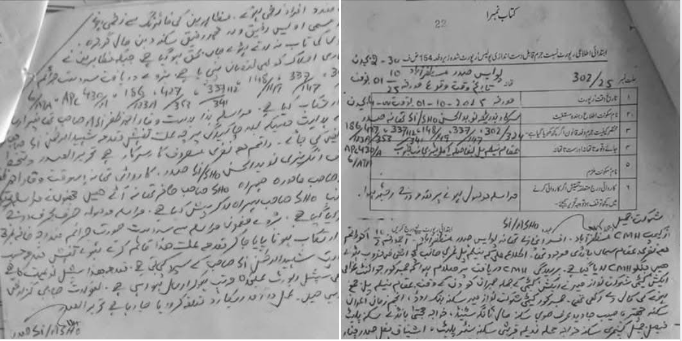
Muzaffarabad | October 10, 2025: A murder case has been registered against 2,500 individuals, including Shaukat Nawaz Mir and other members of the Jammu Kashmir Joint Awami Action Committee (JKJAAC), following the death of protester Owais Rafiq during demonstrations held on October 1 in Muzaffarabad.

The First Information Report (FIR), filed by police under multiple sections including the Anti-Terrorism Act (ATA), was brought to public attention on Thursday by journalist Naeem Chughtai. The move has triggered fresh political debate across Pakistan-administered Jammu and Kashmir (AJK), where tensions between the government and the rights movement have remained high for weeks.

From Protest to Prosecution

According to official documents, the FIR was lodged in police custody after violent clashes erupted between security forces and demonstrators in the AJK capital. Protesters, led by the Joint Awami Action Committee, had been demanding affordable electricity tariffs, transparent governance, and control over local resources issues that have resonated widely among the region’s population.

The death of Owais Rafiq, described by locals as a committed young activist, sparked widespread outrage and calls for accountability. Witnesses claim he was struck during police action to disperse the crowd, a claim authorities have not publicly addressed.

The inclusion of anti-terrorism provisions in the FIR has alarmed rights observers, who say the case represents an escalation in the government’s approach to dealing with civic dissent.

Ultimatum and Escalating Tensions

The filing of the case comes days after Shaukat Nawaz Mir, the convener of the JKJAAC, issued a 10-day ultimatum to authorities, demanding the arrest of those responsible for killing protesters — particularly those involved in the September 29 “Peace March” killings during the Muslim Conference rally in Muzaffarabad.

In his public statement, Mir warned that if justice was not delivered within the given time frame, the committee would be compelled to resume its long march towards Muzaffarabad, reviving fears of another wave of protests.

Political analysts in the region believe that the FIR’s timing immediately after Mir’s ultimatum suggests an attempt to neutralize the movement’s leadership. Sources within the Action Committee told Azadi Times that arrests of key organizers “cannot be ruled out” in the coming days.

Rights Groups Warn of ‘Criminalizing Dissent’

Human rights advocates have criticized the government’s approach, arguing that using terrorism laws against protest organizers undermines the democratic fabric of AJK.

“These are citizens demanding their rights, not insurgents,” said a Muzaffarabad-based rights activist, speaking to Azadi Times on condition of anonymity. “Criminalizing peaceful dissent only deepens mistrust between the people and the state.”

Local observers point out that the JKJAAC movement — once dismissed as a fringe coalition — has evolved into one of the largest grassroots mobilizations in AJK’s recent history, drawing participants from civil society, traders, teachers, and the youth.

Public Sentiment and Media Attention

The case has reignited public debate over state accountability, with many Kashmiris viewing the FIR as an attempt to silence a growing movement. On social media, hashtags such as #AJKRightsMovement, #JusticeForOwaisRafiq, and #KashmirBleeds have gained traction, with activists urging international media and rights organizations to take notice.

Several journalists, including those from international outlets, have highlighted that the JKJAAC’s protest movement reflects a deeper frustration with governance structures and economic inequality in the region — an issue that has rarely received sustained global coverage.

As AJK braces for what could be another tense week, the Joint Awami Action Committee has yet to release an official statement responding to the FIR. Meanwhile, political circles in Muzaffarabad remain abuzz with speculation that the state may attempt to preempt further mobilization by detaining senior JKJAAC leaders.

The unfolding events underscore a pivotal moment for Azad Jammu and Kashmir where demands for accountability and autonomy increasingly challenge the balance of power between the public and the state apparatus.

Early Snowfall Blankets Pir Panjal Mountains, Bringing Winter Chill to Rajouri and Poonch

0

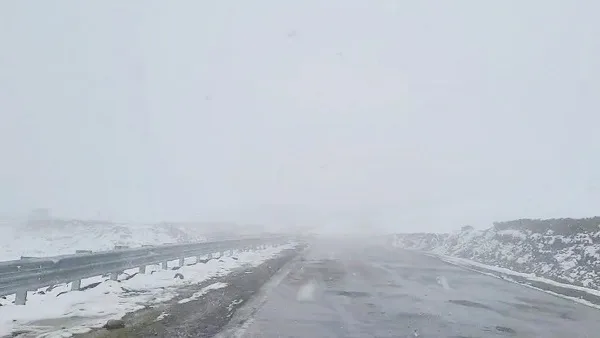
By Staff Reporter Rajouri, October 7, 2025 — The upper reaches of Rajouri and Poonch districts witnessed fresh snowfall from Sunday evening, marking an early onset of winter across the Pir Panjal mountain range. The sudden weather change has surprised residents and significantly affected daily activities across the twin border districts.

Nearly all higher-altitude areas of the Pir Panjal range received snow, with around two inches accumulating at Pir Ki Gali, a well-known mountain pass along the Mughal Road. Authorities reported slippery conditions but confirmed that traffic continues to operate, with drivers being urged to exercise caution as weather conditions remain unpredictable.

Meanwhile, heavy rains have lashed the plains of Rajouri and Poonch since Monday morning, disrupting normal life. Waterlogging has been reported in several areas, affecting drainage systems and creating difficulties for shopkeepers and commuters alike. School children and office-goers struggled to reach their destinations amid persistent downpours.

The abrupt shift in weather has led to a sharp drop in temperature, prompting people to take out warm clothing, blankets, and heaters earlier than usual. Locals say winter appears to have arrived ahead of schedule, raising expectations of a harsher season ahead for the Pir Panjal region.

Farmers Concerned Over Crop Loss

The unseasonal snowfall and rains have also triggered concerns among farmers. This period coincides with the harvest season for maize, rice, and dry fodder, and continuous rainfall has inundated fields in several areas, leading to crop damage.

Local farmers report that standing crops have begun to rot due to excess water accumulation, and if conditions persist, losses could deepen — particularly in villages where the harvest has yet to be completed.

Agricultural experts warn that prolonged wet weather could further impact yields, urging authorities to assess the situation and provide timely support to affected farmers.

Authorities on Alert

District administrations in both Rajouri and Poonch have instructed concerned departments to monitor the situation closely and keep the public updated about weather developments.

While the snow has transformed the Pir Panjal mountains into a scenic landscape, for many residents and farmers, this sudden beauty has brought fresh challenges and an early reminder of the hardships of winter life in Kashmir’s border highlands.

FIR Filed Against 47 Individuals in Muzaffarabad Over Lynching Incident

0

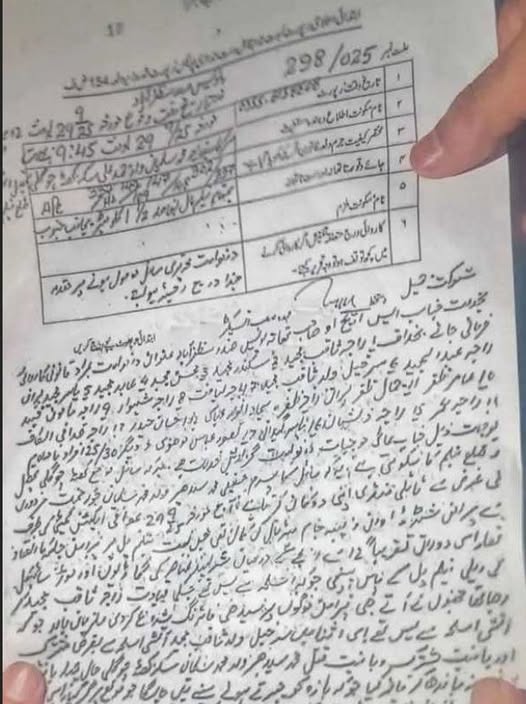
By Staff Reporter Muzaffarabad, October 7, 2025 — An FIR has been registered in Muzaffarabad against 47 individuals, including prominent local figure Raja Saqib Majeed, his four brothers, and his son, following the death of Sudheer, who was killed during a violent attack reportedly carried out by workers affiliated with the Muslim Conference.

The case was filed by Sudheer’s father, who accused the suspects of direct involvement in his son’s killing. The FIR includes Section 302 (murder) and several other clauses of the Pakistan Penal Code, but notably, no provisions under the Anti-Terrorism Act have been added.

Human rights observers and political analysts have expressed concern over the omission of terrorism charges, arguing that the nature of the attack and its political motivation merit a stronger legal response.

The incident has once again highlighted the volatile political climate in Azad Jammu and Kashmir, where clashes between rival party workers have grown increasingly violent in recent years.

Authorities have yet to confirm whether any of the accused have been detained, while local groups are calling for a transparent investigation and accountability for all involved.

Anti-Corruption or Control? Understanding the Expanding Powers of Pakistan’s Accountability Bureau in Kashmir

0

In Pakistan, the National Accountability Bureau (NAB) holds sweeping powers to investigate corruption across public offices—excluding the military. Yet, questions persist over its role, independence, and the selective application of accountability laws.

Notably, there is no lower limit defined in the NAB Ordinance for the amount of corruption it can pursue. However, in administrative practice, cases involving corruption below Rs. 50 million are typically referred to the Anti-Corruption Department or the Federal Investigation Agency (FIA).

A Legal Threshold with Political Implications

Amendments introduced in 2022 sought to redefine what constitutes a punishable act under NAB’s jurisdiction. Section 5(o) of the revised ordinance established a threshold of Rs. 500 million, limiting NAB’s prosecution to cases exceeding that amount. Although the Supreme Court restored the amendment last year, the court also questioned the legitimacy of this threshold — which nonetheless remains intact within the amended ordinance.

This effectively means that NAB may not investigate cases involving less than Rs. 500 million, raising serious concerns about loopholes and selective accountability.

Interestingly, Section 5(o) also mentions NAB’s authority over offenses listed in its Schedule, which includes various criminal acts without any financial threshold, creating a grey area that could be used at the discretion of authorities when politically convenient.

Extension to Pakistan-Administered Jammu and Kashmir

In Pakistan-administered Jammu and Kashmir (PAJK), adapting the NAB framework into the local Accountability Bureau Act is expected to bring structural changes. Previously, complainants were required to identify themselves and prove allegations of corruption at their own expense. Under the new provisions, anonymous complaints may trigger investigations, and the accused will now bear the burden of proving the legitimacy of their assets.

If they fail to justify their income sources, they will be presumed guilty — a significant shift in accountability procedure. Moreover, the merging of the Anti-Corruption Department into the Accountability Bureau means that even minor corruption cases will now fall under the Bureau’s mandate, with complaints becoming easier to file and investigate.

Despite this administrative alignment, the Accountability Bureau of Azad Kashmir will remain autonomous and outside NAB’s direct control, functioning under the region’s own governance structure.

Accountability or Instrument of Power?

Historically, anti-corruption institutions in South Asia — including NAB — have been used more as instruments of political control than genuine vehicles of transparency. Both military and civilian governments have allegedly weaponized these bodies to silence opponents, while shielding their own ranks.

This pattern is not unique to Pakistan. Across the postcolonial world, corruption often serves as a symptom of a deeper, dependent economic order — a byproduct of elite structures shaped by colonial legacies and global capital. In such systems, bureaucracies and political elites operate as clients rather than sovereign actors, incentivized to maintain dependency rather than reform it.

As analysts point out, corruption becomes less a moral failure and more a structural feature — sustained by systems where power, privilege, and patronage are distributed top-down. The rhetoric of anti-corruption, then, often becomes a political weapon—to discipline, to control, and to legitimize existing hierarchies.

The Broader Question

The real question for Pakistan-administered Jammu and Kashmir is whether this restructured Accountability Bureau will genuinely curb corruption — or simply replicate the same coercive and selective mechanisms seen elsewhere in Pakistan.

For a region that has long struggled for political and economic self-determination, true accountability will depend not merely on laws and ordinances but on public empowerment and transparency from below.

As the system stands, the line between accountability and authority remains dangerously blurred.

Pakistan’s Sana Mir Faces Backlash Over ‘Azad Kashmir’ Comment During Cricket Broadcast

0

Muzaffarabad, October 7, 2025 — What began as a routine cricket commentary has unexpectedly stirred political controversy across South Asia. Pakistan’s former women’s cricket captain and renowned commentator Sana Mir has found herself defending her words after referring to “Azad Kashmir” during a live broadcast of the Pakistan vs Bangladesh match.

During the coverage, Mir introduced Pakistani player Natalia Pervaiz, mentioning that she hails from “Azad Kashmir,” the Pakistan-administered region of the disputed territory of Jammu and Kashmir. The comment sparked criticism from Indian social media users and some media outlets, accusing her of making a “political statement.”

Clarification and Reaction

In response, Sana Mir issued a clarification, stating that she did not intentionally use the term “Azad Kashmir.” She shared a screenshot from ESPN Cricinfo, which had originally listed Natalia Pervaiz’s birthplace as Azad Jammu and Kashmir. The platform has since modified the description to “Pakistan-administered Jammu and Kashmir.”

“I simply read what was written on Cricinfo’s player profile,” Mir explained, emphasizing that her comment was not politically motivated.

A Region of Complex Identities

The Jammu and Kashmir dispute remains one of the world’s longest unresolved territorial conflicts — spanning over seven decades since the partition of British India in 1947. The region is divided into four administrative parts: two under Pakistan’s control (Azad Jammu and Kashmir and Gilgit-Baltistan), and two under India’s administration (Jammu and Kashmir and Ladakh). A fifth portion, Aksai Chin, remains under China’s control.

Home to diverse ethnicities, languages, and religions, the people of Jammu and Kashmir share a complex history of unity and division. Following the 1947 uprising in Poonch against autocratic rule, the region was split by the newly independent states of Pakistan and India — giving rise to what continues to be recognized internationally as the Kashmir conflict.

Freedom and Identity Debates

Ironically, while many Kashmiris are often criticized for not using the term “Azad” (meaning “free”), Sana Mir now faces backlash for having used it. The debate highlights how even linguistic choices remain deeply political in discussions related to Kashmir.

For Kashmiris, the issue is not merely about terminology — it is about representation, identity, and the unfulfilled promise of self-determination, a right acknowledged by the United Nations but yet to be realized.

Ten Killed, Hundreds Injured as Unrest Deepens Across Pakistan-administered Kashmir

0

By The Azadi Times | Muzaffarabad | October 5, 2025 At least ten people, including seven civilians and three police personnel, were killed and more than 300 injured during a week of violent clashes in Pakistan-administered Jammu and Kashmir (AJK), highlighting the deepening public anger over governance failures and political neglect in the region.

The violence, which erupted between September 29 and October 3, spread across Muzaffarabad, Dheerkot, and Mirpur, as protesters clashed with security forces during demonstrations calling for economic reforms, lower electricity tariffs, and greater political autonomy.

Local reports confirm that three civilians lost their lives in Muzaffarabad, two in Dheerkot, one in Palak (Dadyal), and one in Khaliqabad (Mirpur). Meanwhile, three police officials were also killed in Dheerkot amid heavy confrontation.

More than 300 people sustained injuries, including over 50 in Muzaffarabad and 120 in Dheerkot, with dozens more hurt in Riyan (Kotli), Palak, and Khaliqabad. Many of the injured were struck by tear-gas shells or rubber bullets, while others were wounded in stampedes and accidents during the long protest march.

Among the wounded was Umair Khalid, a young protester from Baloch, who suffered a severe leg fracture after an accident in Tararkhal while returning from the march.

Injured police personnel were transported to PIMS Hospital in Islamabad, while scores of civilians were admitted to hospitals across the region for emergency care.

Public Anger and Silence From Authorities

The unrest, one of the deadliest episodes in recent years, reflects growing frustration in Azad Jammu and Kashmir over rising inflation, unemployment, and the perception that Islamabad has ignored the region’s constitutional and economic grievances.

Residents and civil society groups have condemned what they describe as the use of excessive force by police, while rights activists have urged the government to launch an independent inquiry into the deaths.

For many in AJK, the recent protests are not merely about utilities or taxes — they are a symbol of political suffocation and a call for the fulfillment of long-standing promises of autonomy and accountability.

As tension continues to simmer, observers warn that unless meaningful dialogue begins between the government and regional representatives, the situation could trigger a broader crisis across the mountainous territory that remains at the heart of the Kashmir conflict.

Two Agreements Reached, Strike Ends, and Three Days of Mourning Announced — Internet Blackout Lifted in Pakistani-Administered Kashmir

0

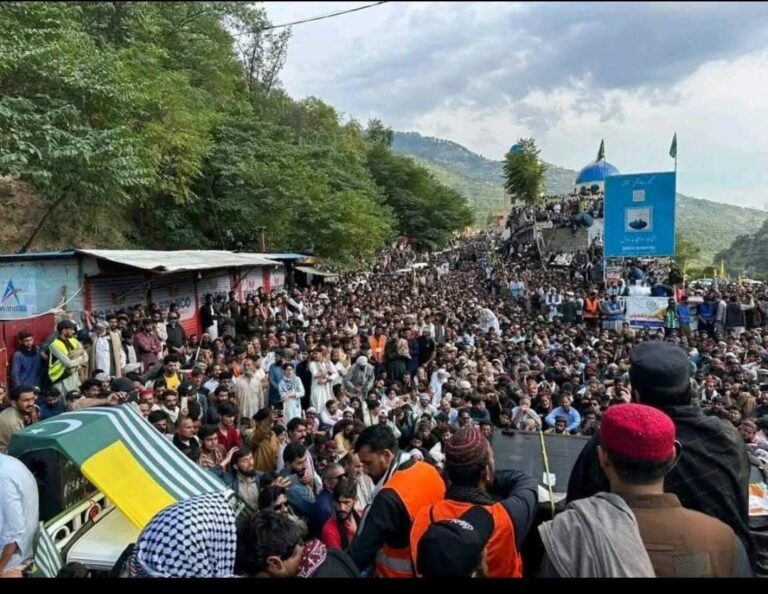
Muzaffarabad (The Azadi Times Report) — After several tense days of protests, lockdown, and uncertainty, two major agreements have been reached between the Jammu Kashmir Joint Awami Action Committee (JKJAAC) and Pakistan’s federal ministers in Pakistani-administered Jammu & Kashmir.
The committee has called off the strike that had been ongoing since September 29 and declared three days of mourning to honor those who lost their lives during the demonstrations.

The long march participants have now returned home from Kohala, marking a pause in the months-long standoff.
Thanksgiving rallies are scheduled for October 7 across the region.

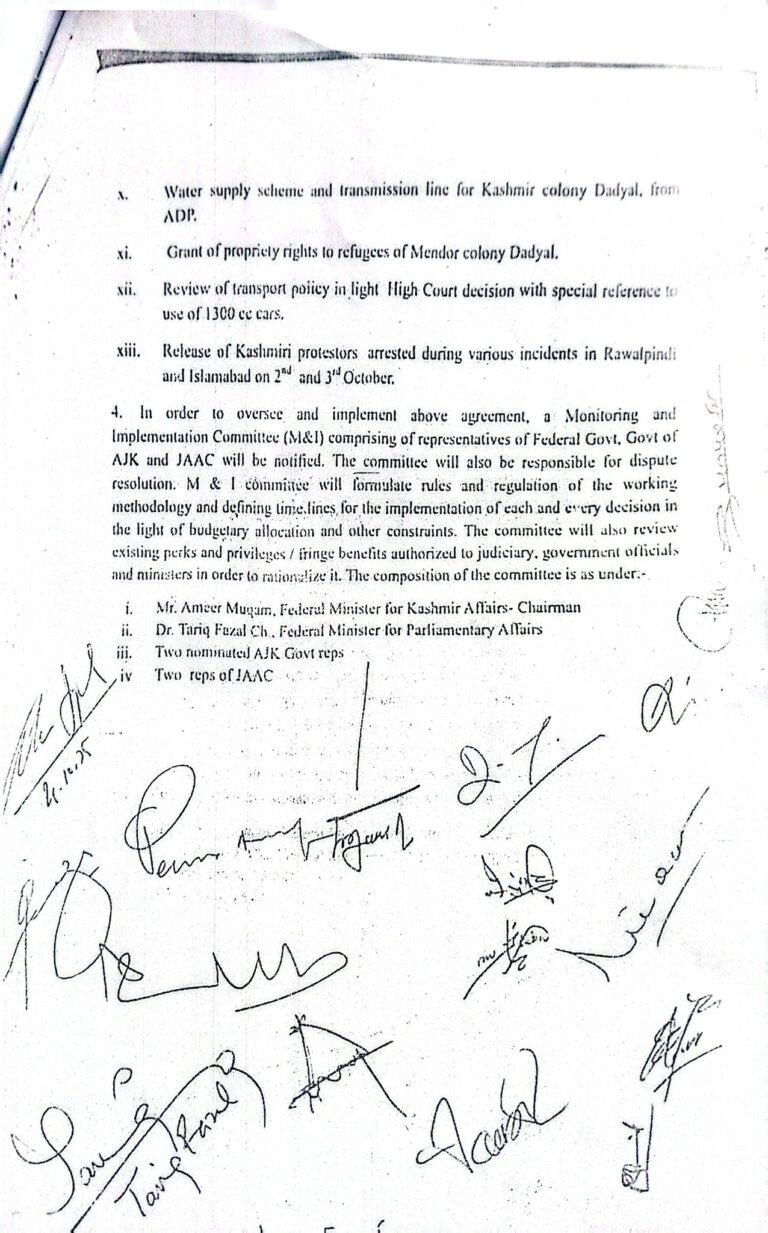
Importantly, two separate agreements were finalized — one dated September 25 (with signatures completed on October 3) and another dated October 3, 2025.
The September 25 agreement was drafted in Urdu, while the October 3 agreement was in English.

First Agreement (September 25, 2025)

This agreement primarily addressed JAAC’s key demands, including reduced electricity tariffs, wheat subsidies, and institutional reforms.
Although negotiations took place on September 25, signatures were delayed until October 3 due to the complete internet blackout that lasted from September 28 to October 4 across the region.

Second Agreement (October 3, 2025)

The second agreement, drafted in English, was officially signed between Pakistan’s federal ministers and the JAAC. It includes 12 main clauses and several additional points, outlining both political and administrative reforms for the region.

1. Terrorism Law Cases

Cases related to the violent incidents from September 29 to October 3 will be registered under the Anti-Terrorism Act (ATA).
These include casualties among both protesters and law enforcement officers.
Where deemed necessary, judicial commissions will be formed to investigate the incidents.

2. Compensation for Victims

Families of those killed on October 1 and 2 will receive the same compensation as law enforcement personnel who died on duty.
Those injured by gunfire will receive PKR 1 million, while the families of those killed will receive a government job within 20 days for one family member.

3. New Education Boards

Two new Intermediate and Secondary Education Boards will be established in Muzaffarabad and Poonch.
Together with the existing Mirpur Board, all three will be linked to Pakistan’s Federal Board within 30 days.
This effectively ends the independent education system in the region.

4. Mangla Dam Expansion Families

Land under the use of Mangla Dam extension families will be regularized within 30 days.

5. Local Government Act 1990

The Local Government Act of 1990 will be implemented in full within 90 days, in line with court orders.

6. Health Card Program

The AJK government will release funds within 15 days to implement the Health Card scheme for all citizens.

7. MRI and CT Scan Machines

Through funding from the Government of Pakistan, MRI and CT scan machines will be supplied to all AJK districts.

8. Power Infrastructure Improvement

Pakistan will provide PKR 10 billion to improve the electricity distribution system, following a pre-approved release plan.

9. Cabinet and Bureaucratic Reforms

The cabinet size will be limited to 20 ministers and advisers, and there will be no more than 20 administrative secretaries at a time.

  • The Civil Defence and SDMA departments will be merged.

  • The Accountability Bureau and Anti-Corruption Department will also merge, aligning AJK’s accountability law with Pakistan’s NAB laws.

10. Construction of Tunnels

Feasibility studies will be conducted for two tunnels:

  • Kahori/Kamsar Tunnel (3.7 km)

  • Chhaplani Tunnel on Neelum Valley Road (0.6 km)
    These projects will be prioritized under the Saudi Development Fund’s PC-I approved on December 6, 2022.

11. Refugee Constituencies (Migrants Residing in Pakistan)

A high-level constitutional and legal committee will be formed to review the refugee constituencies.
It will consist of:

  • 2 legal experts from the Government of Pakistan,

  • 2 from the Government of AJK, and

  • 2 members from the JAAC.

Until the committee’s report is finalized, all funds and ministries held by refugee representatives will remain suspended.

12. Additional Points

  1. A judicial commission headed by a High Court judge will investigate the violent incidents in Banjosa, Muzaffarabad, Plak, Dheerkot, Mirpur, and Reyan Kotli.

  2. An International Airport in Mirpur will be announced within the current fiscal year.

  3. Property transfer tax will be adjusted within three months to match Punjab and Khyber Pakhtunkhwa.

  4. Implementation of the 2019 High Court ruling on hydropower projects.

  5. Completion of feasibility studies for Greater Water Supply Schemes in ten districts within the current fiscal year.

  6. Operation theatres and nurseries to be funded for Tehsil Headquarters Hospitals under the ADP.

  7. Construction of Gulpur and Rehman Bridge through the ADP.

  8. Reduction in advance taxes in line with FATA and Gilgit-Baltistan.

  9. Open merit to be strictly implemented for educational admissions.

  10. Construction of Kashmir Colony Dadyal water supply scheme and transmission line through ADP.

  11. Granting property rights to refugees of Mender Colony Dadyal.

  12. Transport policy revision in accordance with High Court rulings on the use of 1300cc vehicles.

  13. Release of Kashmiri protesters arrested in Rawalpindi and Islamabad on October 2 and 3.

Monitoring and Implementation Committee

A joint monitoring and implementation committee will oversee the execution of all agreed points.
The committee will include representatives from:

  • The Government of Pakistan,

  • The Government of AJK, and

  • The Joint Awami Action Committee.

It will define the timelines, resolve disputes, and review the benefits and privileges of judges, ministers, and government officials.
From Pakistan’s side, Amir Muqam and Tariq Fazal Chaudhry will be the first two members, while four more will be nominated later.

Internet Blackout Delayed Information Flow

Due to a complete internet shutdown from September 28 to October 4, media outlets and journalists were unable to publish updates or access official information in real-time.
With the restoration of internet services today, details of the agreements have finally come to light, offering clarity after a week of silence.

Analysis: A Turning Point in AJK’s Political Landscape

These two agreements mark a significant political breakthrough and the end of a tense standoff between the people of AJK and Islamabad.
While calm has returned to the streets, the focus now shifts to how effectively and transparently these promises will be implemented.

For the people of Pakistani-administered Jammu & Kashmir, this moment may well represent the beginning of a new phase — one that tests both governance and public trust.

Sonam Wangchuk Arrested After Ladakh Protests: Kashmir’s Struggle for Rights Intensifies

0

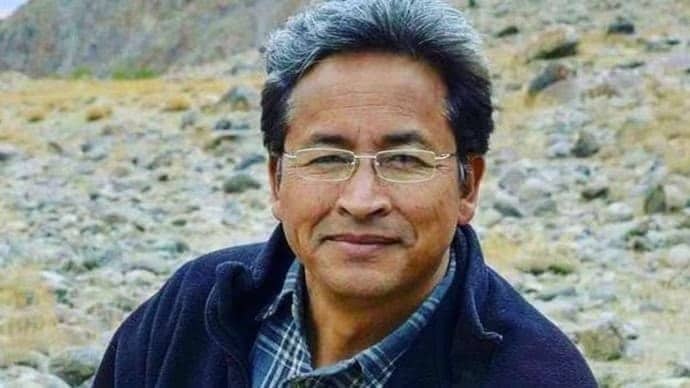
Leh, Ladakh — Jammu & Kashmir: Authorities in Ladakh have arrested renowned environmentalist and education reformer Sonam Wangchuk, two days after violent protests demanding full statehood and constitutional safeguards for the region. The clashes, which left four people dead and nearly 70 injured, erupted after weeks of demonstrations calling for Ladakh to be recognised as a state and included under India’s Sixth Schedule.

Arrest and crackdown on civil society

Wangchuk, a prominent voice for Ladakh’s autonomy, was taken into custody as New Delhi intensified its crackdown on local movements. His NGO, the Students’ Educational and Cultural Movement of Ladakh (SECMOL), had its foreign funding license revoked and its registration cancelled, with authorities accusing the organisation of repeatedly violating funding regulations.

Civil society groups and activists say the timing of the action less than 24 hours after the protestsis aimed at silencing Ladakh’s growing calls for democratic rights.

Wangchuk rejects allegations

Speaking before his arrest, Wangchuk dismissed the accusations as politically motivated, urging both authorities and protesters to focus on resolving the crisis rather than trading blame.

“People have lost their lives; families are grieving. Instead of playing a blame game, we must address the root causes of this anger,” he said.

Why Ladakh is on edge

The region has seen heightened tensions since India revoked Jammu and Kashmir’s limited autonomy in August 2019, carving Ladakh into a separate Union Territory directly governed from New Delhi. Since then, residents have demanded restoration of statehood and constitutional protections for land, jobs, and culture.

Analysts note that Wangchuk’s arrest risks fuelling further unrest in a region already alienated by centralised governance. For many in Ladakh, the current protests are not isolated but part of the wider struggle of the people of Jammu & Kashmir against political disenfranchisement.

Wider implications

Observers warn that continued suppression of peaceful voices in Ladakh could deepen discontent and draw global attention to New Delhi’s handling of dissent in the disputed Himalayan region. The crackdown also raises questions about space for civil society in areas under direct federal control.

Talks Fail After 13-14 Hours Session — JKJAAC Maintains September 29 Lockdown Call

0

Thirteen hours of negotiations between the Jammu & Kashmir Joint Awami Action Committee (JKJAAC) and officials sent from Islamabad ended without agreement late Thursday night, keeping intact the JKJAAC’s call for a territory-wide lockdown on September 29.

Talks opened with long-standing demands that the Azad Jammu & Kashmir (AJK) authorities had previously accepted but failed to implement. JKJAAC leaders argued that without visible, time-bound action, verbal commitments were meaningless.

The discussions later turned to JKJAAC’s wider charter of demands, including reform of state institutions, fairer distribution of resources, and restrictions on elite privileges. But the talks collapsed over two unresolved issues: the 12 legislative seats reserved for Kashmiri refugees living in Pakistan, and what JKJAAC described as the “misuse of the state’s machinery against its own people.”

Following the collapse, JKJAAC leaders confirmed that the September 29 shutdown will go ahead, describing it as a peaceful civil response to years of unfulfilled promises.

Increased force deployment raises concerns

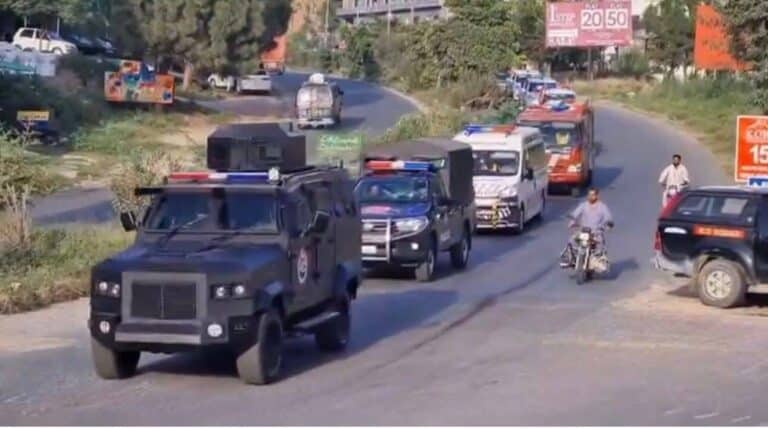
In response to the looming lockdown, Islamabad has ordered the deployment of nearly 2,000 police personnel into different districts of Pakistan-administered Kashmir. The forces — equipped with heavy weaponry and armoured vehicles were seen entering Muzaffarabad and surrounding areas, a move that JKJAAC condemned as “an attack on Kashmiri autonomy.”

“The arrival of non-local forces is an interference in the internal matters of Jammu & Kashmir,” the committee said in a statement, calling it a direct provocation at a time when dialogue should have been prioritised.

A looming standoff

Civil society groups, traders and youth organisations have largely expressed support for JKJAAC’s call, raising the possibility of a complete shutdown across the territory. Analysts warn that the confrontation risks deepening political mistrust if authorities resort to force rather than addressing grievances.

With only days left before September 29, Kashmir faces a decisive moment: whether authorities will move towards meaningful concessions or escalate tensions by relying on outside deployments to contain popular dissent.

The Minahil Malik New Viral Video: Eid 2025 Controversy and the Persistent Struggle of Pakistani Influencers Against Online Exploitation

0

In the vibrant yet volatile world of social media, where a festive post can spark joy or ignite outrage, the name Minahil Malik has once again dominated headlines in Pakistan and beyond. As Eid al-Fitr celebrations unfolded in early April 2025, marking the end of Ramadan with family gatherings and shared sweets, a purported “new viral video” allegedly featuring the 23-year-old TikTok star surfaced online, thrusting her back into a nightmare she thought she’d escaped. Labeled by searchers as the “Minahil Malik new viral video on Eid” or “Minahil Malik new viral video original,” the clip quickly debunked as a deepfake has amassed millions of views across dubious platforms, reigniting debates on digital privacy, gender-based cyber violence, and the cultural double standards that plague female creators in conservative societies.

This isn’t Minahil’s first brush with infamy; her October 2024 scandal set a grim precedent. Now, in September 2025, with the dust still settling from Eid’s aftermath, her story serves as a poignant cautionary tale. Drawing from statements by Minahil herself, investigations by Dawn and Geo News, and reports from the Digital Rights Foundation (DRF), this article unpacks the latest controversy without sensationalism. We prioritize verified facts and survivor perspectives, refusing to link to or endorse any alleged content—searches for “Minahil Malik new viral video original link” often lead to exploitative traps. Instead, we highlight resources for those impacted, emphasizing that true virality should celebrate, not devastate.

Who Is Minahil Malik? A TikTok Trailblazer Navigating Fame and Fragility

Minahil Malik, born in 2002 in Lahore, Pakistan, represents the empowering face of a generation redefining self-expression through short-form video. She joined TikTok in 2020 amid the platform’s explosive growth in South Asia, initially sharing lip-syncs to Bollywood hits and Punjabi folk songs. Her breakthrough came with dance challenges infused with cultural flair think henna-adorned hands twirling to Atif Aslam tracks—blending tradition with modernity in a way that resonated deeply with young Pakistani women.

By 2024, Minahil had cultivated a devoted following: over 700,000 on TikTok (before temporary deactivations) and 500,000 on Instagram. Her content evolved to include makeup tutorials, modest fashion hauls, and motivational snippets on mental health, often captioned with empowering Urdu phrases like “Apni jagah banao, duniya badal degi” (Carve your space; the world will change). Off-screen, she’s a media studies student at the University of the Punjab, balancing gigs as a brand ambassador for local labels like Sapphire and Khaadi. In a pre-scandal interview with Images Magazine, she reflected: “Social media isn’t just likes—it’s a mirror for who we can become. But it reflects the ugly too.”

Her appeal lies in authenticity: unfiltered glimpses of Lahore’s bustling streets, family iftars, and quiet victories over societal norms that often sideline women’s voices. Yet, in Pakistan—where a 2024 DRF survey found 65% of female users face online harassment—this visibility made her a target, foreshadowing the storms ahead.

The Eid 2025 Viral Video: From Festive Cheer to Fabricated Fury

Eid al-Fitr 2025 dawned on April 1, a day of moon-sightings, new clothes, and communal prayers across Pakistan. Minahil, like many influencers, shared wholesome content: an Instagram Reel of her in a pastel shalwar kameez, distributing sheer khurma to neighborhood kids, captioned “Eid Mubarak—may joy eclipse every shadow.” It was a moment of light amid her ongoing recovery from prior traumas.

But by April 3, the narrative twisted. A 2-minute-47-second clip emerged on Telegram groups and X (formerly Twitter), timestamped vaguely to “Eid night,” depicting a woman resembling Minahil in a private, intimate setting. Dubbed the “Minahil Malik new viral video on Eid,” it spread via WhatsApp forwards and spam links on Dailymotion and Bitchute, with titles like “Minahil Malik latest viral video Eid 2025” racking up 8 million views in 48 hours. Hashtags such as #MinahilMalikEidLeak and #NewViralMinahil trended regionally, spiking Google searches by 150% in Punjab and Khyber Pakhtunkhwa.

The video’s timing amplified its malice: During Eid, when families bond over forgiveness and renewal, this intrusion felt like a deliberate desecration. Platforms’ algorithms—X’s especially—propelled it, recommending to non-followers under “trending in Pakistan.” Dubious sites masqueraded shares as “Eid specials,” blending exploitation with holiday bait.

Minahil’s response was swift and raw. On April 5, via a voice note on her reactivated Instagram Stories (now @minahilmalik_official), she declared: “This is not me—it’s another deepfake, timed to ruin our Eid. My family is heartbroken; please, report and respect.” Echoing her 2024 denial, she revealed the emotional whiplash: “I thought I was healing. Now, trolls message my mother, saying we’ve shamed our faith.” Geo News forensics corroborated her claim, spotting AI artifacts like mismatched lighting and audio desyncs, likely generated via tools like FaceSwap.

This “new” scandal mirrors the old: In October 2024, a similar MMS-style leak forced her offline for months, costing sponsorships and triggering therapy. The Eid iteration, per DRF, involved coordinated bot farms, with X posts from August 2025 (e.g., anonymous accounts sharing teaser clips) suggesting premeditation. By mid-April, views surpassed 20 million, infiltrating Indian and UAE feeds, where cultural crossovers fueled Islamophobic commentary.

The Devastating Impact: Emotional Scars, Family Strain, and a Chilling Effect on Creators

For Minahil, the “viral” label is laced with loss. In a May 2025 DRF webinar, she shared how the Eid video shattered her tentative comeback: “Eid was about light after Ramadan’s darkness. This video plunged us back in.” She deferred exams, citing panic attacks in public—classmates’ stares evoking 2024’s isolation. Her Lahore family, conservative yet supportive, weathered village gossip; an aunt confided to Dawn: “We celebrate her talent, but society celebrates her fall.”

The psychological toll is stark: A 2025 UN Women report on South Asian cyber abuse links such leaks to 80% higher depression rates among victims. Minahil credits therapy via DRF’s Bolo app for coping, but admits: “Every notification feels like a threat.” Financially, brands paused deals—her ambassador role with a beauty line evaporated overnight—halving her estimated $200,000 annual earnings.

Broader ripples hit Pakistan’s creator ecosystem. Female TikTokers like Aina Asif and Imsha Rehman (who faced parallel deepfakes) reported self-censorship, with 40% reducing posts post-Eid, per a Jazz-commissioned study. Conservative outlets like PTV framed it as “moral erosion,” blaming “Western apps,” while supporters launched #ProtectMinahil, amassing 50,000 signatures for better FIA enforcement.

Legally, Minahil refiled under PECA 2016, naming Telegram admins as co-perpetrators. By July 2025, FIA arrested a 28-year-old from Rawalpindi for distribution, but experts like Nighat Dad of DRF decry gaps: “We prosecute sharers, not AI creators. Eid’s timing shows malice—holidays heighten vulnerability.”

Systemic Shadows: Deepfakes, Platform Failures, and the Urgent Call for Reform

Minahil’s ordeal exposes Pakistan’s digital fault lines. With 90 million social users—TikTok alone boasting 60 million—the nation ranks high in global deepfake incidents, per Sensity AI’s 2025 index, where 92% target women. Tools like Stable Diffusion, freely available, democratize harm, often wielded by jilted suitors or rivals, as in Minahil’s case.

Platforms lag: TikTok’s detection flags only 60% of NCII (non-consensual intimate imagery), per internal audits; X’s “freedom of speech” ethos delays takedowns to 72 hours. Spam ecosystems—Dailymotion uploads, Tidal playlists disguised as “Eid mixes”—monetize misery via ads, evading PTA filters.

This Eid scandal fits a pattern: 2025 saw 25+ leaks during festivals, from Basant to Independence Day, exploiting communal highs. Globally, it parallels Taylor Swift’s deepfake saga, spurring U.S. laws—blueprints for Pakistan’s stalled Digital Pakistan Bill. Activists demand: AI watermarking mandates, school cyber-literacy, and a NCII victim fund.

Economically, the cost is steep: A World Bank estimate pegs South Asian digital violence at $20 billion yearly in lost productivity, stifling Pakistan’s $150 million creator economy.

Minahil Malik’s “new viral video” isn’t a spectacle—it’s a symptom of unchecked digital toxicity. In Eid’s spirit of renewal, her plea echoes: Pause before sharing; protect before it breaks. As Pakistan’s influencers like her push boundaries, society must build bridges, not barriers. True celebration? Lifting voices, not leaking them.