
Home Blog Page 44

Underage Marriage Scandal in Gilgit-Baltistan: Poonch Resident Arrested for Marrying Minor Girl

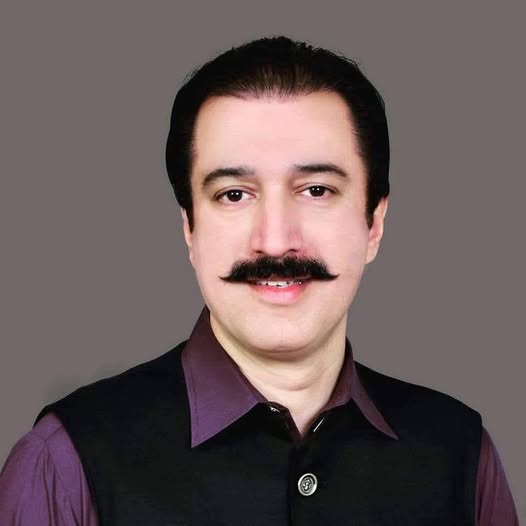
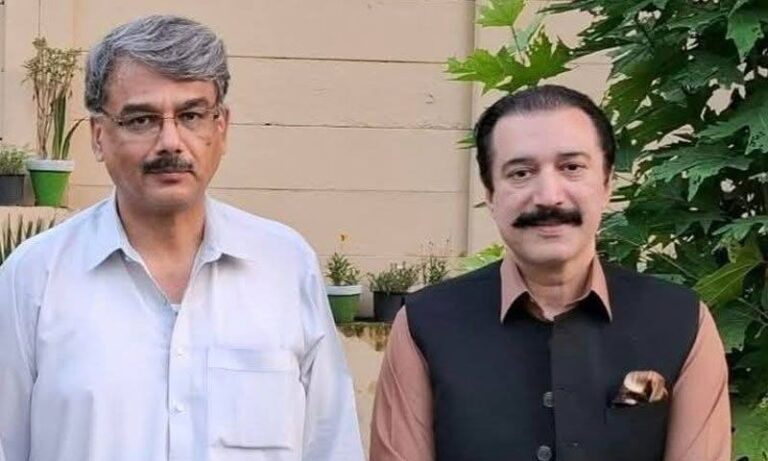
Astore, Gilgit-Baltistan — A disturbing case of underage marriage and potential human trafficking has surfaced in Pakistan’s northern Gilgit-Baltistan region, where several underage girls have reportedly been married off to much older men. In a recent case, a man from the Thorar area of Rawalakot, Poonch — identified as Masoor, aged over 50 — has been arrested for marrying a minor girl from Astore district.

According to police sources, Musawar was taken into custody along with the girl’s father, brother, and the matchmaker after authorities discovered during a CNIC registration attempt that the bride was underage.

Musawar, who reportedly married the girl a month ago, admitted during a local media interview that he had spent more than 500,000 PKR on the marriage, including bride expenses and travel costs.

“If I had known she was a minor, I would never have married her. I’m ready to divorce her now,” he stated during his interview from the police station.

The girl’s father denied any involvement, while her brother, who allegedly accepted the payment, downplayed the issue by saying:

“I don’t see anything wrong in it — I have young children too.”

A Pattern of Abuse and Exploitation

The matchmaker claimed that the girl had previously been married to a drug addict in Chilas and was divorced after paying him ($1769) PKR 150,000. She stated that PKR 100,000 was given to the girl’s brother and that the match was arranged with full family consent.

Deputy Speaker of the Gilgit-Baltistan Assembly, Sadia Danish, condemned the practice of marrying off underage girls as a form of human trafficking, calling it a “moral, legal, and humanitarian crime.”

“This is a stain on our society, on parental responsibility, and on basic human dignity,” she said.
“When brothers — meant to protect their sisters — begin selling them for a few rupees, it is a moment of national shame. Such heartless and soulless individuals deserve no leniency.”

Sadia Danish also expressed deep concern over the increasing number of reports involving minor girls being trafficked from Astore to Punjab and Azad Kashmir under the guise of marriage.

According to unofficial sources, 70 to 80 such marriages have been reported, where elderly men were wed to teenage girls, many of which ended in immediate separation or have subjected the girls to ongoing abuse and violence.

In one shocking incident, a 13-year-old girl was allegedly sold twice under the pretense of marriage.

Mixed Reactions from the Community

While authorities and human rights advocates have strongly condemned the practice, some locals in Thorar, Rawalakot, have come forward in support of Masoor, describing him as a “simple and hardworking man” who faced financial hardship throughout his life.

Fatima Akhter, a local social worker, stated:

“Masoor has seen extreme poverty. He spent his life supporting his family and arranging his siblings’ weddings. He couldn’t marry at the socially expected age. He didn’t buy a bride; the money he paid went toward clothing and jewellery, as is customary.”

She added that Masoor was led to believe the girl was divorced and of legal age, and that he had even personally taken her to Gilgit for official ID documentation.

Human rights groups have repeatedly called for stronger enforcement of child protection laws, particularly in remote regions like Gilgit-Baltistan and Azad Kashmir, where poverty and lack of education often enable such exploitative practices.

While the government has passed laws setting the minimum age of marriage, enforcement remains weak — especially in cross-regional cases involving vulnerable families.

Pakistan Bans Road Travel for Pilgrims to Iran and Iraq Ahead of Arbaeen, Sparking Widespread Disappointment

The Azadi Times Web Desk | July 28, 2025: Muzaffarabad / Skardu – In a controversial move, the Government of Pakistan has banned road travel for Pakistani pilgrims to Iran and Iraq ahead of the annual Arbaeen pilgrimage, a decision that has sparked frustration and heartbreak among thousands of Shia pilgrims across the country, including those from Pakistan-administered Kashmir and Gilgit-Baltistan.

Pakistani Interior Minister Mohsin Naqvi confirmed the ban on social media platform X (formerly Twitter), citing national security concerns and public safety as key reasons behind the decision. The announcement came after consultations with the Ministry of Foreign Affairs, the Balochistan government, and national security agencies.

“This step has been taken purely in the interest of public safety and national security,” Naqvi posted.

However, the timing and suddenness of the announcement have triggered strong backlash, especially from pilgrims who had spent months preparing for the overland journey to the holy shrines in Karbala and Najaf.

“Our Bags Were Packed. Now Our Dreams Are Crushed.”

Ali Raza, a pilgrim from Sargodha, told The Azadi Times he had been saving for over a year to fulfill his dream of visiting the shrine of Imam Hussain during Arbaeen. He had packed his bags and was scheduled to leave in just two days.

“Now I’ll have to arrange at least an additional 300,000 rupees if I want to travel by air. Why wasn’t this decision announced earlier? Why couldn’t the government provide security instead of crushing our hopes?” he asked, visibly disheartened.

The alternative traveling by air is out of reach for many lower- and middle-income pilgrims. Overland travel via Balochistan was considered not only more economical but also spiritually fulfilling for thousands who preferred to walk in solidarity with fellow Shia Muslims from around the world.

Outcry from Kashmir and Gilgit-Baltistan

The backlash is particularly strong in Pakistan-administered Kashmir and Gilgit-Baltistan, where hundreds of caravans were already in final stages of preparation.

In Muzaffarabad, a group of young pilgrims gathered outside the press club to protest the government’s decision.

“We were ready to leave in two days,” said Muhammad Taqi, a pilgrim from Neelum Valley. “We come from remote areas, and flying isn’t an option for us. The government should have made alternative arrangements, not imposed a blanket ban.”

In Skardu, a volunteer organizing committee that had helped coordinate over 500 pilgrims across Baltistan expressed disappointment in a video statement:

“This ban has created uncertainty and deep grief. The route via Taftan is not new—it has been used for decades. Why can’t proper security measures be ensured instead of denying access to thousands of peaceful pilgrims?”

Security vs Religious Freedom

The Interior Ministry has defended the decision as a preventive measure amid intelligence reports about possible threats along the route through Balochistan. However, critics argue that the move reflects a failure in governance rather than a viable security strategy.

“It is the government’s responsibility to protect its citizens, not restrict their religious freedom,” said political analyst Dr. Nusrat Hussain. “This decision may deepen the trust deficit between the state and Shia communities, especially in sensitive regions like Gilgit-Baltistan and Azad Kashmir.”

Arbaeen and Its Significance

Arbaeen, observed 40 days after Ashura, marks the martyrdom of Imam Hussain, the grandson of Prophet Muhammad. Millions of pilgrims from across the world travel to Iraq each year to take part in the largest peaceful gathering on earth.

For Pakistani Shias, especially those from underserved regions, the overland pilgrimage is not just a religious obligation—it’s a lifelong spiritual dream. This year’s restrictions are expected to affect more than 50,000 would-be pilgrims nationwide.

Veteran Kashmiri Comedian Bashir Kotur Dies at 65

Budgam, Indian-administered Kashmir — July 28, 2025: Bashir Ahmad Bhat, a beloved figure in Kashmir’s cultural scene and famously known by his stage name Bashir Kotur, passed away on Monday at his home in Hanjigund, Chadoora, in the central Budgam district. He was 65.

Family sources confirmed that Kotur had been suffering from multiple health complications. He was admitted to the Intensive Care Unit (ICU) in critical condition several days ago and discharged on Saturday. However, his condition worsened again, and he passed away at home on Monday afternoon.

For decades, Bashir Kotur captivated audiences with his sharp wit and powerful stage presence. Known across the region for his contributions to folk theatre and traditional Kashmiri comedy, he played a key role in preserving and popularizing local performance arts during times of significant social and political upheaval.

His performances, often laced with satire and cultural commentary, brought both laughter and reflection to countless audiences across the Valley. He was regarded not just as a comedian, but as a storyteller deeply rooted in the lived experiences of Kashmiri society.

News of his passing has sparked widespread mourning across Kashmir. Tributes from fellow artists, fans, and community leaders have flooded social media, describing his death as the end of an era in Kashmiri performance art.

His funeral prayer is expected to be held later this evening in his native village, where friends, admirers, and fellow performers are expected to gather to pay their final respects.

‘He Was Not a Criminal’: Gujjar Youth Shot Dead by Police in Jammu, Family Demands Justice

0

Jammu | Indian administered Jammu Kashmir: A young tribal man from the Gujjar community was shot dead by police in Jammu on Thursday, sparking outrage and protests over what activists and family members are calling a “cold-blooded killing” and “yet another case of targeted violence” against tribal populations in the region.

The deceased, identified as Mohammad Parvez, 21, a resident of Nikki Tawi, was allegedly shot by plainclothes police personnel near the Surre Chak area under the jurisdiction of Satwari Police Station on 24 July. He was declared dead upon arrival at Government Medical College (GMC), Jammu.

“This is the fifth incident this year in which a member of the Gujjar community has died under suspicious circumstances involving security forces,” said a tribal activist speaking to The Azadi Times. “The pattern cannot be ignored.”

Family Says He Was Innocent

Parvez had recently gotten married. According to his family, he had left home around 3–4 PM with his brother-in-law to buy medicine when they were stopped by a group of unidentified men in civilian clothes. Initially assuming them to be members of cow vigilante groups, the two tried to flee. Parvez was shot in the process, while his brother-in-law managed to escape.

“They killed him and then said he was a drug smuggler,” said Mohammad Farooq, Parvez’s elder brother. “If even one of us has an FIR against our name, let the police shoot us all.”

Police sources claimed that a special anti-drug unit was conducting a raid when it came under “heavy stone pelting” and responded with gunfire, in which Parvez was hit. However, no injuries were reported among the police, and no formal charges had ever been filed against the deceased.

Massive protests erupted outside GMC Jammu as Parvez’s family refused to accept the body. Videos showed grieving relatives wailing outside the mortuary amid heavy police presence. Hundreds gathered in solidarity at the family’s home.

“My brother was a daily wage labourer. He wasn’t a criminal. He was married just two months ago. What was his fault?” his sister cried before local reporters.

Talib Hussain, a prominent tribal rights activist, condemned the killing and demanded a judicial inquiry. “This was a fake encounter. He had no criminal record. If the police suspected him, they should have arrested him — not killed him,” he said.

Hussain further alleged political pressure behind the incident, stating that senior officials may be operating under directives to target Gujjar youth in the name of drug or cattle smuggling.

Political Reactions

Mehraj Malik, Doda MLA from the Aam Aadmi Party, called it a “fake encounter”, questioning whether Jammu and Kashmir had turned into a region where “police play judge, jury, and executioner.”

Former J&K Chief Ministers Omar Abdullah and Mehbooba Mufti also expressed concern. While Abdullah warned that such incidents had previously “cost Jammu and Kashmir dearly,” Mufti said this type of policing would only breed more instability. “Labeling someone a drug dealer without trial sets a dangerous precedent,” she said.

A Disturbing Pattern

Parvez’s death is not an isolated case. In April, a Gujjar man was allegedly killed in custody in Bandipora after being detained as an “OGW” (Over Ground Worker). In March, three Gujjar youths were found dead in South Kashmir’s Kulgam district under mysterious circumstances. In February, another Gujjar youth from Kathua died by suicide following alleged police torture — the probe into that incident remains unresolved.

“How many more Gujjar youth must die before someone is held accountable?” asked Hussain. “We’ve stayed silent for too long — this ends now.”

As of Friday evening, the family of Mohammad Parvez continues to demand an independent judicial probe, refusing to bury their son until accountability is ensured.

The Azadi Times has reached out to Jammu Police and senior administration officials for comment. This report will be updated upon receiving a response.

“Dragged, Beaten, and Silenced”: Tribal Communities in Indian-administered Kashmir Accuse Army of Brutality and Land Grabbing

Srinagar, Dhokmanpura, Indian-administered Kashmir: In a harrowing account emerging from the high-altitude summer pastures known locally as Dhoks in Indian-administered Kashmir, dozens of tribal herders have alleged systematic harassment, assault, and forced evictions at the hands of the Indian Army. The accusations were brought to light by social activist Talib Hussain, who spoke exclusively to The Azadi Times on behalf of the affected Gujjar-Bakarwal community in the Dhokmanpura region.

“We built the outposts, now we’re being driven out”

According to Hussain, more than 40 to 45 residents, including elders and youth from the summer grazing areas of Dhokmanpura, Seri Bal, Oxar, and Dhokman, were forcibly summoned around noon on 26 July to a newly constructed military outpost. Ironically, the residents claim they had themselves transported the materials and assisted in building this very post, acting under military orders.

Instead of receiving compensation or gratitude, they allege that soldiers, led by a man identifying himself as “Major Feroz,” brutally assaulted them for hours.

“They called the villagers, made them sit, and beat them with rods and sticks from 12 PM to 4 PM,” said Hussain. “The beatings were so vicious that one young man, Mohammad Azam, lost consciousness. The officer allegedly ordered his men to ‘throw him into the kaar’ — a local term used by Gujjar tribes for rocky ravines in the Himalayas.”

Azam was later rescued by other villagers and survived the ordeal, but at least 11 people sustained serious injuries, including multiple fractures and head wounds. The Azadi Times has reviewed video evidence and testimonies corroborating the injuries.

“Clear these pastures – the Army will stay here now”

The motive, villagers allege, is part of a broader campaign to evict tribal herders from their ancestral summer pastures. They claim the Army repeatedly pressured them to vacate the Dhoks, suggesting that the military — or corporations — plans to take control of these strategic lands in the Himalayas.

“This is not just an abuse of power — it is a silent land grab,” Hussain told us. “They want to push out the Gujjars and give our meadows to private corporations under the guise of national security.”

According to the activist, residents were earlier given assurances by a top police official (DIG), who promised that there would be no further harassment. A contact number for his PA (PA to DIG) was also provided — C7006614964 — but villagers claim that the situation has only worsened since.

Names of the Injured

Below is a partial list of individuals reportedly injured during the assault:

  1. Shaukat Ali, son of Mohammad Yousaf (Mughla Kala Ghoth)

  2. Ghulam Qadir, son of Mohammad Qasim Khatana

  3. Mohammad Azam, son of Mohammad Iqbal Koli

  4. Faiz, son of Masih Koli

  5. Liaqat Ali, son of Mohammad Riaz

  6. Ahmed, son of Abdul Rasheed

  7. Shabir Ahmed, son of Makhia (Khatana caste)

  8. Mohammad Hanif, son of Mohammad Iqbal Awan

  9. Mohammad Mukhtar, son of Abdul Latif Awan

  10. Mohammad Younis, resident of Mughla Kala Ghoth

Several of these men are unable to walk due to severe beatings. Videos shared with The Azadi Times show broken limbs, bruised backs, and accounts of being dragged by mules overnight to the Harwan Police Station, fearing retaliation or being shot if seen in daylight.

A Broader Pattern of Militarisation?

The incident has raised urgent questions about the militarisation of tribal lands, especially in ecologically sensitive areas traditionally inhabited by Gujjar and Bakarwal pastoral communities during summer.

“We buried one of our elders just two days ago, and now we’re being told our land isn’t ours,” said one of the residents. “They are trying to erase our identity and claim our mountains.”

Hussain also referenced an earlier report involving alleged custodial abuse of a 14-year-old boy named Shabir inside the Satwari Police Station, suggesting that such cases are becoming part of a systemic trend of repression under the guise of security and development.

Hussain has appealed to the Lieutenant Governor (LG) of Jammu & Kashmir, senior Army officials, and India’s Chief Minister to immediately investigate the incident, remove the Army outpost from the Dhokmanpura region, and ensure accountability for what he described as “a grave violation of human and tribal rights.”

“I am not against the Army,” said Hussain. “But when officers like this Major think they can act like corporate agents and crush poor herders under boots, then someone must stand up. This is about our existence.”

The Azadi Times reached out to the Indian Army’s local PRO office for comment. At the time of publishing, no official statement had been issued.

The Azadi Times continues to monitor this developing story. For updates, follow us at azaditimes.com.

How to Say Happy Birthday Dad: The Most Loving Wishes for Every Daughter & Son

In every corner of the world, but especially across the culturally rich landscapes of Kashmir, Pakistan, India, Sri Lanka, Nepal, and Malaysia, a father is far more than just a parent — he is a protector, a silent supporter, a source of strength, and often, a quiet warrior for his family’s future. From the bustling markets of Muzaffarabad to the vibrant streets of Delhi, the role of a father is revered, not through grand gestures, but through the everyday sacrifices he makes.

As the world modernizes and digital messages replace handwritten letters, expressing gratitude through heartfelt birthday wishes for a father has become both simpler and more essential. In this era of fleeting attention, a well-chosen birthday message isn’t just a formality — it’s a tribute, a pause in time that reminds us of love, roots, and unspoken bonds.

This feature from The Azadi Times explores the evolving ways we celebrate our fathers. From spiritual prayers to warm messages from daughters and sons, we bring you a collection of deeply meaningful birthday wishes, shaped by tradition, emotion, and cultural nuance. Whether you’re in Lahore or Colombo, Kathmandu or Kuala Lumpur or anywhere our diaspora resides let this guide help you find the perfect words to honour the man who helped shape your world.

The Emotional Impact of a Father’s Role

Fathers have long been viewed as pillars of strength and protectors within families. From providing for their children to offering moral guidance, their influence shapes generations. But beyond these roles, fathers are also emotional anchors in the lives of their children.

In many South Asian families, fathers are traditionally seen as the authoritative figures, guiding their children through academic, social, and personal development. However, as cultures evolve, so too does the perception of a father’s role. Fathers today are not only seen as providers and protectors but also as emotional mentors and loving caregivers.

When birthdays come around, the occasion provides an opportunity to reflect on all the sacrifices and quiet gestures of love that fathers often make. A simple “happy birthday” can capture a world of gratitude, but crafting a personal message makes it all the more impactful.

Real-Life Example: A Father’s Day Tribute from a Daughter

Take, for example, the heartfelt words shared by Rina, a 28-year-old from Delhi, on her father’s 55th birthday:

“Dad, you’ve been my constant support, guiding me through every decision, and yet you’ve never asked for anything in return. Today, I wish for you all the happiness in the world. Happy birthday, Papa. I love you more than words can ever express.”

For Rina, this message is not just about celebrating her father’s birthday — it’s about honoring a relationship built on love, trust, and a lifetime of memories.

Cultural Variations in Birthday Wishes for Fathers

In South Asia, birthdays are celebrated with a blend of traditional customs and modern influences. In many Indian and Pakistani families, there is a strong spiritual component, especially as fathers reach significant milestones such as turning 60. Birthday celebrations are not just about parties and presents, but also about honoring the father’s life, achievements, and spiritual journey.

India: A Family-Centered Celebration

In India, birthdays are often marked by family gatherings where rituals such as the “Aarti” (a traditional Hindu prayer ritual) are performed, and blessings are sought from elders. For example, a son might offer a heartfelt birthday wish like:

“Papa, may your life always be filled with blessings. You’ve taught me so much, and I pray that you continue to lead our family with love and wisdom. Happy birthday, and may God’s grace always be with you.”

This combination of words and spiritual practices forms the backbone of birthday celebrations for fathers in India. The focus is not just on the festive aspect but also on seeking divine blessings for the father’s health and happiness.

Pakistan: Respect and Reverence

In Pakistan, birthday wishes for fathers often carry an air of deep respect and reverence. Fathers are viewed as figures who guide families with wisdom, and their birthdays are seen as an occasion to express gratitude. A typical birthday wish might include:

“Happy birthday, Baba! You have always been the one who stood by me through thick and thin. Your wisdom and love have shaped my life, and I’m forever grateful to you. May Allah grant you long life and happiness.”

Sri Lanka: A Spiritual Touch

In Sri Lanka, where Buddhism plays a major role in daily life, birthday wishes often include spiritual blessings. Messages tend to focus on peace, prosperity, and longevity. A common message might be:

“Wishing you a very happy birthday, Appa. May Buddha’s blessings always bring peace and joy to your life. I am so grateful for your guidance and love.”

This reflection of spiritual reverence reflects how birthdays, particularly for fathers, are celebrated with a blend of familial and religious significance.

Nepal: A Blend of Tradition and Modernity

Nepal, much like India, celebrates birthdays with a blend of modern and traditional influences. Many families, especially in urban areas, are increasingly embracing global birthday trends such as cakes and presents, but the core sentiment remains deeply traditional. A heartfelt birthday message might read:

“Baba, your love and sacrifices have shaped the person I am today. May your birthday be filled with all the love and joy you’ve given me all my life. Happy birthday from your loving daughter.”

Kashmir: A Region of Rich Cultural Significance

In Kashmir, the way fathers are celebrated on their birthdays carries a deep connection to family, honor, and tradition. Kashmiris, often steeped in a history of struggle and resilience, find moments like a father’s birthday to be a celebration of not just personal milestones, but of familial strength and cultural pride. In many Kashmiri Muslim households, fathers are often celebrated with heartfelt prayers for longevity and divine blessings. A birthday wish for a Kashmiri father might sound like:

“On your special day, I pray to Allah to bless you with health and happiness. Your resilience and strength have shaped me in ways words cannot describe. Happy birthday, Baba. May your heart always find peace.”

In Kashmir, family is often considered the ultimate source of support, and birthdays become opportunities to pay homage to this sacred bond.

Sample Heartfelt Messages for Different Occasions

Crafting the perfect birthday message for your father can be challenging, especially when you want to balance emotion and reverence. Below are some sample messages that cater to different relationships and milestones.

Birthday Wishes for Father from Daughter

For a daughter, the relationship with her father is often one of unconditional love and emotional depth. Whether you’re a young daughter or an adult, expressing gratitude can be incredibly meaningful:

“Happy birthday, Dad! Every day I am thankful for the lessons you’ve taught me, the love you’ve given me, and the example you’ve set for me. You will always be my hero, and I’m so proud to be your daughter.”

Birthday Wishes for Father-in-Law

When celebrating the birthday of a father-in-law, the tone often leans toward respect and warm admiration. Here’s a suggestion for such an occasion:

“Wishing you the happiest of birthdays, Dad. Your wisdom and kindness have made me feel like a true part of the family from the moment I met you. May this year bring you all the joy you deserve.”

60th Birthday Prayer for Dad

Turning 60 is a significant milestone in any father’s life, and for many, it is a time of reflection, gratitude, and spiritual connection. In South Asian cultures, it’s common to offer prayers on such occasions:

“Happy 60th birthday, Dad. May God bless you with many more years of health, peace, and happiness. Thank you for your never-ending love and support. I pray that your wisdom continues to guide us, and that your days ahead are filled with the blessings of good health and joy.”

Birthday Wishes to Father Figure

For those who may not have a biological father in their lives but have been blessed with a father figure, the birthday message often centers around gratitude for the role they’ve played:

“Happy birthday to the man who stepped in and gave me love when I needed it most. You’ve been a guide, a friend, and a protector. I’m so grateful for you and your presence in my life.”

The Evolving Language of Birthday Wishes in the Digital Age

With the rise of social media and instant messaging, the way we send birthday wishes has transformed. No longer do we rely solely on handwritten cards or face-to-face greetings. Platforms like WhatsApp, Facebook, and Instagram have introduced new ways to express our feelings, and this has influenced the language of birthday wishes for father.

Social media allows for more creativity, from posting photo montages of father-daughter memories to sending short video clips with messages of love. Emojis and GIFs have become staples of birthday greetings, but many still prefer to include a personal touch with their words. Here’s a modern example:

“Happy birthday, Dad! 🎂🎉 I am so grateful for all the love and wisdom you’ve shared with me. You are truly the best, and I hope your day is as amazing as you are! ❤️”

Despite the shift towards digital communication, the emotional resonance behind birthday wishes remains unchanged. People still crave authentic expressions of love and appreciation, even if they’re shared via a smartphone screen.

Prayers and Spiritual Messages for Father’s Birthdays (Especially the 60th Birthday)

As fathers age, their birthdays often carry more spiritual significance. In many South Asian communities, reaching the age of 60 is a landmark occasion, often seen as a time to reflect on one’s life and express gratitude for all that has been achieved.

Here are some spiritual birthday wishes to share with your father, especially when celebrating his 60th birthday:

“May Lord Krishna bless you with a long life filled with peace, wisdom, and divine joy. Your presence has always brought stability and love to our lives. On your 60th birthday, we honor not just your age but the lifetime of values and grace you’ve shared with us.”

Spiritual birthday messages carry emotional depth, often invoking divine blessings from across different religious beliefs. Whether rooted in Hinduism, Islam, Christianity, or Buddhism, these prayers add a sacred dimension to an already meaningful day.

Here are a few spiritually inclined birthday wishes you can personalize and use:

  • Islamic Birthday Prayer
    “Ya Allah, bless my father with a healthy, prosperous life ahead. Reward him for his patience, sacrifice, and love. May he continue to guide us with faith and humility. Ameen.”

  • Christian Birthday Blessing
    “Heavenly Father, on this day, I thank You for blessing me with a dad who walks in love and faith. May his days be filled with grace, and may he continue to be a light to our family.”

  • Buddhist-Inspired Message
    “May you be blessed with continued mindfulness, peace, and happiness. Your strength and compassion inspire us every day. Happy 60th birthday, Dad.”

These messages go beyond the traditional “happy birthday” and become lasting memories — often printed, saved, or shared again in the years to come.

Closing Thoughts: Honoring Fathers Through Words

In every corner of the world — from the colorful streets of Delhi to the peaceful valleys of Kashmir — a father’s birthday is a moment to pause, reflect, and show gratitude. Whether through a simple message, a heartfelt letter, or a whispered prayer, birthday wishes for fathers remind us of the enduring power of love, guidance, and quiet strength.

As cultures evolve and technology reshapes how we connect, one thing remains constant: a father’s love is timeless, and celebrating it with sincere words can create memories that last a lifetime.

So the next time your father’s birthday comes around, don’t settle for a generic greeting. Dig deep, reflect on what he’s meant to you, and write something that touches the soul — something that honors the man who helped shape your world.

Tensions Escalate Along Thailand–Cambodia Border Amid Historic Dispute

Key Takeaways

  • Deadliest fighting in over a decade near disputed ancient temples.
  • Historic border dispute over Preah Vihear and surrounding areas.
  • Thai PM suspended after leaked phone call with Cambodia’s Hun Sen.
  • Over 100,000 displaced; trade and energy ties disrupted.
  • Regional mediation efforts underway, but no clear resolution in sight.

25 July 2025 – Bangkok/Phnom Penh: Fighting between Thai and Cambodian forces has intensified in recent days, with both sides trading artillery fire and conducting air operations near ancient Hindu temples located in a long-disputed border region.

The flare-up marks the worst violence between the Southeast Asian neighbours since 2011, raising fears of a prolonged conflict in the heart of mainland ASEAN.

What’s Happening?

On 24 July, Thai and Cambodian troops clashed near the Ta Muen Thom and Ta Muen Toch temples — sacred 11th-century sites located in a densely forested zone known as the Emerald Triangle, where Thailand, Cambodia, and Laos meet.

Military sources on both sides confirmed rocket fire, shelling, and drone surveillance in the area. Cambodia claims the Thai military violated its airspace and struck a forward outpost. Thailand accuses Cambodia of provoking conflict by reinforcing military presence near contested areas.

Casualty figures have not been independently verified, but local media report several soldiers killed and dozens wounded. Tens of thousands of civilians have fled surrounding districts, fearing a wider escalation.

A Dispute Rooted in Colonial Maps

The two countries have contested parts of their shared 800-km (500-mile) border for over a century. At the centre of the dispute is the 11th-century Preah Vihear Temple, which the International Court of Justice (ICJ) awarded to Cambodia in 1962. However, surrounding areas — especially buffer zones near temple complexes — remain disputed.

In 2013, the ICJ reaffirmed Cambodia’s sovereignty over the main temple, but Thailand rejected the ruling’s interpretation of adjacent territories. Since then, multiple flare-ups have occurred, most notably from 2008–2011, during and after the site’s controversial designation as a UNESCO World Heritage Site.

A Leaked Phone Call Sparks Political Crisis in Thailand

The most recent escalation has been compounded by domestic political turmoil in Thailand. A leaked phone conversation between Thai Prime Minister Paetongtarn Shinawatra and Cambodian Senate President Hun Sen ignited fierce debate.

In the recording, Paetongtarn is heard requesting leniency and referring to Hun Sen as “uncle,” a cultural term of respect. Critics in Bangkok viewed the exchange as “undermining national sovereignty.”

The fallout was swift: Paetongtarn was suspended from office, her coalition fractured, and Deputy PM Phumtham Wechayachai was appointed acting prime minister. Analysts say the controversy has weakened Thailand’s negotiating position and emboldened Cambodian officials.

Economic & Human Impact

Border towns like Poipet in Cambodia and Aranyaprathet in Thailand have seen a sharp drop in trade, tourism, and cross-border commerce. Cambodian authorities have banned Thai imports, while Thailand has closed key checkpoints and threatened to cut electricity and internet access to Cambodian provinces dependent on Thai infrastructure.

According to local humanitarian groups, over 100,000 civilians have been displaced. Schools and health centres along the border remain closed. Relief agencies warn of shortages in food, fuel, and clean water if fighting continues.

Regional and International Reactions

  • The United Nations and ASEAN have urged both governments to “exercise maximum restraint.”
  • Cambodia has submitted a new petition to the ICJ over four contested areas.
  • Thailand continues to reject international mediation, instead calling for bilateral talks via the Joint Border Commission.

Neighbouring countries like Vietnam and Laos have tightened security along their borders. China and the United States have issued separate statements urging de-escalation.

What’s Driving the Conflict?

Experts cite a combination of historic grievances, political opportunism, and shifting regional power dynamics as key drivers of the renewed conflict:

  • Territorial ambiguity due to colonial-era French maps.
  • Personal rivalries between the Shinawatra and Hun political dynasties.
  • Use of the conflict to divert attention from domestic crises, particularly in Bangkok.
  • Rising military assertiveness across Southeast Asia.

What Happens Next?

With both countries locked in a blame game and diplomacy stalled, observers warn of a stalemate turning into a prolonged low-intensity conflict. ASEAN has offered to mediate, but no formal negotiations have been confirmed.

In the meantime, villagers continue to flee, border trade remains paralysed, and trust between two ASEAN founding members has eroded further.

Heavy Rains Trigger Landslide Risk in Gilgit Amid Ongoing Weather Alert

Gilgit Baltistan (PaJK) — July 24, 2025:
Authorities in Gilgit have issued an emergency weather advisory as continuous rainfall poses serious threats of landslides and flooding in the region. The warning, issued by Deputy Commissioner and Chairman of the District Disaster Management Authority (DDMA) Gilgit, Captain (R) Arif Ahmed, urges residents to avoid unnecessary travel and exercise extreme caution.

According to alerts from the Pakistan Meteorological Department, persistent rain in Gilgit and surrounding areas has caused a significant rise in water levels in streams and rivers. Officials warn that mountainous zones are especially prone to landslides and falling rock debris during this period.

“People are strongly advised to refrain from venturing out unnecessarily, avoid standing under billboards, electric poles, and old trees,” stated the DDMA in its advisory. “Residents living near glaciers, unstable infrastructure, and other sensitive zones should take all necessary precautions.”

The advisory also extends to tourists currently traveling in the region, urging them to remain alert and follow safety guidelines issued by local authorities.

Emergency Contacts Issued

In case of emergencies, the following helplines have been provided for immediate assistance:

  • Alpha Control Room (AC Office Gilgit): 05811-920724
  • Police Control Room: 05811-930346
  • DDMA Gilgit: 05811-930346
  • Rescue 1122: 1122 or 05811-920200

Authorities Mobilize Response Teams

In response to the ongoing threat, Deputy Commissioner Arif Ahmed has directed various government departments to remain on high alert:

  • Highways and Building Department (B\&R): Machinery and staff must remain on standby.
  • Rescue 1122: Emergency staff and rescue equipment must be ready around the clock.
  • National Highway Authority (NHA): Preparedness for any road-related emergencies is required.
  • Civil Supply Officers: Ensure timely delivery of food supplies, particularly wheat, to upper mountainous areas.
  • Assistant Commissioners (Gilgit, Danyore, Juglot): Ensure field teams remain mobilized.
  • District Health Officer (DHO) Gilgit: Doctors, ambulances, and medical staff must stay prepared for emergency deployment.
  • Radio Pakistan Gilgit: Instructed to broadcast weather alerts repeatedly to raise public awareness.

Background Context

Gilgit, part of the wider Gilgit-Baltistan region, lies within the territory of Jammu and Kashmir — a region internationally recognized as disputed between India and Pakistan. The area’s rugged terrain and underdeveloped infrastructure make it particularly vulnerable during extreme weather events.

As monsoon rains intensify across the Himalayan belt, residents and travelers in Gilgit are urged to monitor official updates and avoid high-risk areas.

Israel Accuses UN of Blocking Aid to Gaza, Despite 950 Trucks Waiting at Border

0

Tel Aviv/Gaza – The Israeli Ministry of Foreign Affairs has publicly accused the United Nations of obstructing the delivery of humanitarian aid to Gaza, as nearly 950 aid trucks remain stalled at border crossings.

In a statement posted on the official social media accounts of the Israeli Foreign Ministry, the government claimed that while Israel is facilitating the entry of aid and organizations like the Global Humanitarian Foundation (GHF) are ready to distribute it directly to civilians in Gaza, the UN is acting as a bottleneck.

“Nearly 950 aid trucks are waiting at the border, ready to support the people of Gaza. So who’s holding them back? The UN,” the post stated. “We call on the United Nations to stop blocking essential aid. Immediately.”

The statement has added fuel to an already heated debate surrounding the distribution of humanitarian assistance amid the ongoing conflict in Gaza. Israel has consistently emphasized that it is not obstructing the flow of aid and blames international agencies, particularly the UN, for delays.

There has been no immediate response from the United Nations regarding this specific accusation. UN officials have previously stated that logistical, security, and verification processes are essential to ensure that aid reaches civilians safely and is not diverted.

The GHF, which is mentioned in the Israeli statement, has not independently confirmed the UN’s role in the delay but has stressed the urgent need to get aid into Gaza as soon as possible.

The situation on the ground remains dire, with over two million residents in Gaza facing severe shortages of food, water, and medical supplies.

This is a developing story.

AJK Police Launch Nationwide Protest Over Unfulfilled Demands and Government Retaliation

Muzaffarabad, Pakistan administered Kashmir — Tensions continue to rise in Pakistan-administered Kashmir (Azad Jammu & Kashmir – AJK) as police personnel have announced a district-wide protest in Rawalakot starting July 24, accusing the government of reneging on promises made during earlier negotiations.

The unrest began on July 21 when police employees from Grade 1 to 16 launched a strike, presenting an 18-point charter of demands. Following the strike, a government committee was formed, and assurances were given that 80% of their demands would be met through formal notification by July 24, with the remaining to be implemented within two weeks.

However, in a press conference held earlier today at the Press Information Department (PID) Muzaffarabad, senior ministers from AJK’s ruling coalition — including Senior Minister and Interior Minister Col. (R) Waqar Noor of the Pakistan Muslim League-N, Finance Minister Abdul Majid Khan of the Pakistan Tehreek-e-Insaf (referred to locally as “Lota Party”), and Law Minister Mian Abdul Waheed of the Pakistan Peoples Party — claimed that several demands had been accepted and declared the strike over.

Contrary to the official statement, the Police Association of AJK rejected the announcement, asserting that only 5% of their demands were accepted and officially notified — a clear deviation from the promised 80%. The association strongly rejected both the press conference claims and the partial implementation.

Further deepening the crisis, the Inspector General’s office in Muzaffarabad issued a directive to all district police heads (SPs) across AJK’s ten districts. The letter instructed them to send reports every two hours on the status of police stations and checkpoints, and to treat striking personnel as absent, initiating departmental inquiries against them.

In response, the Police Association of AJK condemned the directive, calling it an act of retaliation. The police force in Poonch Division, particularly Rawalakot District, issued a formal press release announcing a full-scale protest sit-in at Rawalakot District Complex starting tomorrow, July 24.

Additionally, police employees across AJK have been urged to stage similar protests at their respective district headquarters, remove their uniforms’ caps and belts, and suspend all official duties — symbolically rejecting the government’s “broken promises and authoritarian tactics.”

The crisis poses a serious challenge to the AJK government, with implications for law and order across the region. Civil society activists and human rights observers have called for immediate dialogue, transparency, and fulfillment of commitments to prevent further unrest in an already politically sensitive region.

For real-time updates on the situation in Pakistan-administered Kashmir, stay connected with our newsroom.