Monday, March 30, 2026
12.9 C
Srinagar
Home Blog Page 63

Jammu Kashmir Joint Awami Action Committee Issues Ultimatum as Government Misses Charter Deadlines

    0

    Muzaffarabad, Azad Jammu & Kashmir (PaJK) – The Jammu Kashmir Joint Awami Action Committee (JKJAAC) has announced a renewed phase of action following the government’s failure to implement the remaining points of the agreed Charter of Demand. Despite granting a six-month extension after the final round of negotiations on December 7, 2024, the committee says no meaningful progress was made by the deadline on June 7, 2025.

    In a statement issued by Core Committee member Shaukat Nawaz Mir, the committee emphasized that repeated delays and broken promises have forced them to escalate demands. As of June 8, 2025, the committee has formally added five new demands to the original charter following a Core Committee meeting in Dheerkot on May 21, widely endorsed during a mass public event on May 24 – the Martyrs’ Day of JKJPAC.

    Newly Added Demands:

    1. Free and universal healthcare

    2. Equal and free education for all citizens

    3. Construction of an international airport in AJK

    4. A central Kashmir highway (motorway/expressway) from Neelum Valley to Bhimber

    5. Abolition of the 12 refugee seats and quota in the AJK Legislative Assembly

    JKJPAC now insists that any further negotiations with the state or federal institutions must strictly include these additional demands as non-negotiable conditions for dialogue.

    Read Also: Gilgit-Baltistan Police Arrest Awami Action Committee Gilgit Baltistan Leaders; Civil Society Condemns Political Tactics

    This move reflects growing frustration among citizens across the region, who have consistently supported the committee’s non-violent efforts over the past year. Observers warn that failure to act could deepen political unrest and widen the gap between state authorities and civil society.

    Tensions Escalate in Los Angeles: Day Two of Violent Clashes Between Protesters and Federal Agents Amid Immigration Raids

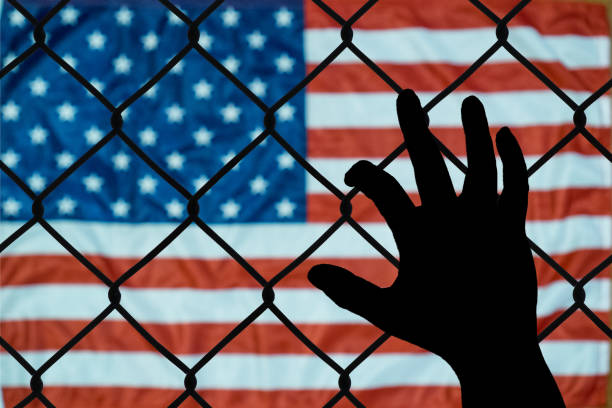
    LOS ANGELES, CALIFORNIA — Clashes between federal agents and protesters escalated for a second day on Saturday, February 16, in the southeastern neighborhoods of Los Angeles, particularly in Paramount, after a wave of controversial immigration raids executed by U.S. Immigration and Customs Enforcement (ICE) agents. The confrontations, marked by street fires, rubber bullets, and tear gas, have drawn national attention as tensions flare over President Donald Trump’s immigration enforcement policies and his administration’s pledge to tighten control over the U.S.-Mexico border.

    Immigration Raids Trigger Mass Protests

    The protests began late Friday evening, following an intensive round of immigration enforcement operations that resulted in the arrest of 44 individuals in Los Angeles for alleged immigration violations. ICE’s large-scale raids are part of the Trump administration’s controversial strategy to bolster border security, with President Trump recently setting a target of arresting 3,000 migrants per day at the U.S.-Mexico border.

    These raids have sparked fierce backlash from both local residents and immigrant rights activists, particularly in communities with significant Latino populations. In Paramount, demonstrators gathered in protest, rallying against the U.S. government’s aggressive tactics toward undocumented immigrants.

    Read Also: Public Rights Movement Demands Kashmiri Self-Determination and Justice

    Protesters, including several community organizations, have condemned the raids as inhumane, particularly as they have led to the mass separation of families and led to widespread fear in immigrant communities.

    Growing Tensions: Federal Agents Respond

    On Saturday, federal law enforcement agencies, including ICE and the Department of Homeland Security (DHS), intensified their presence in the area. The situation quickly became volatile, as officers responded to the protesters with tear gas, rubber bullets, and other crowd control methods.

    In response to the growing unrest, Christy Nome, the head of the DHS, issued a statement on social media, condemning the protests, stating: “You will not stop us. You will not slow us down.” In another statement, Tom Homan, the U.S. Border Czar appointed by President Trump, declared that the National Guard would be deployed to Los Angeles Saturday evening, to quell the violence and ensure the safety of federal officers.

    As of 5:00 p.m. local time, the National Guard’s deployment was expected to coincide with increasing unrest across the city. Eyewitness reports from the scene indicated that protesters were becoming more organized, with barricades being set up on streets and several police vehicles being set on fire in the chaos.

    On-the-Ground Images: A City in Turmoil

    Live images from Los Angeles showed riot police advancing through the streets, using their vehicles to shield themselves from angry demonstrators. There were reports of burning cars and shopping carts strewn across the road as barricades, creating a volatile and unpredictable environment.

    At one point, riot officers were seen in intense standoffs with the protesters. Though the crowds appeared to be dispersing toward the late afternoon, there were still pockets of protesters, with a few individual demonstrators clashing with federal officers.

    Read Also: Trump Meets Gaza Hostages at White House, Issues Final Warning to Hamas

    Local media outlets reported that a number of law enforcement officers had been injured in the confrontations, although no fatalities had been confirmed at the time of publication.

    Protestors shouted demands for the abolition of ICE and an end to the harsh deportation policies, while others voiced support for immigrant families affected by the raids. The demonstration’s slogans included “Trump Must Go Now” and “Justice for Immigrants.”

    Department of Homeland Security’s Reaction

    In the midst of the unrest, the Department of Homeland Security issued a statement accusing the demonstrators of engaging in violent and unlawful activities. The department claimed that over 1,000 protesters surrounded a federal law enforcement building, assaulting officers, slashing the tires of police vehicles, defacing government property, and causing damage to taxpayer-funded assets. The DHS vowed to continue its crackdown and stated that such violence would not deter its operations.

    Community’s Resentment of Federal Immigration Policy

    The protests are a response to the Trump administration’s immigration enforcement strategy, which has faced widespread criticism both domestically and internationally. Advocates argue that the policy disproportionately targets Latino and undocumented immigrant communities, especially in states with high immigrant populations like California, Texas, and Arizona.

    “These people are just trying to survive. We are doing our best to get by, and yet we face this treatment every day,” said Maria Lopez, a protester from the predominantly Latino neighborhood of Paramount, during an interview with Al Jazeera. “We need to stand up for our families, our neighbors, and our friends who are being torn apart by these raids.”

    Since Trump’s inauguration in 2017, the U.S. has experienced a marked increase in deportations, and the White House has been vocal in its support for ICE and other immigration enforcement agencies. Critics argue that these policies exacerbate racial tensions, particularly within immigrant communities.

    National Guard Deployed: Escalating the Crisis

    As the situation continues to develop in Los Angeles, many residents fear that the deployment of the National Guard will only escalate the crisis further. Though the White House has argued that the presence of the National Guard will help restore order, experts warn that the increased military presence in the streets could spark more violent confrontations.

    For immigrant rights groups, the involvement of the National Guard represents a dangerous precedent, with fears that the state will resort to military intervention to quash political dissent.

    “We are already dealing with a system that criminalizes immigrants and now they’re sending military personnel to intimidate us,” said Carlos Hernandez, an activist and spokesperson for the advocacy group Movimiento Cosecha. “It’s clear that this administration’s priority is power, not people.”

    Local and International Responses

    The protests in Los Angeles have garnered support from other immigrant communities across the United States and around the world. International reactions have ranged from condemnation of the U.S. government’s immigration policies to calls for increased solidarity with immigrants and refugees.

    The Mexican government has issued multiple statements denouncing the Trump administration’s aggressive stance at the border, while human rights groups have called for an end to mass deportations and family separations.

    Rep. Alexandria Ocasio-Cortez, one of the leading voices for progressive policy in the U.S. House of Representatives, tweeted: “The violence and racism facing immigrant communities today is unacceptable. We must call for the immediate abolition of ICE and stand against Trump’s militarization of our neighborhoods.”

    Meanwhile, Senator Bernie Sanders also weighed in on the protests, stating, “We are witnessing the cruel and unjust treatment of families who are simply seeking a better life. I stand with the people of Los Angeles and all immigrant communities who are being harmed by this administration’s policies.”

    Looking Ahead: What’s Next for Los Angeles?

    As the National Guard mobilizes in Los Angeles, the future remains uncertain. The deployment of additional federal troops could either pacify the situation or further inflame tensions. Given the explosive mix of immigrant rights activists, immigrant families, and federal agents, it’s possible that the protests could spread to other cities with significant immigrant populations.

    For many, the ongoing protests are not just about immigration policy; they represent a broader battle for justice, fairness, and dignity for those often ignored by the political establishment. As the unrest in Los Angeles continues, it remains clear that the debate over immigration policy in the U.S. is far from over, with no clear resolution in sight.

    The Future of AI Voice Cloning: How Free Tools Are Revolutionizing Content Creation in 2025

    In the rapidly evolving world of digital media, voice cloning technology has emerged as one of the most disruptive innovations of 2025. From creating highly realistic text-to-speech content to replicating voices for entertainment and marketing, AI-driven voice cloning is pushing boundaries and opening up new opportunities. In recent months, a new tool has begun to garner attention, offering an advanced and free way to clone voices with remarkable precision. This development is set to revolutionize industries across the globe, from content creation to digital advertising.

    Voice cloning is not entirely new, with tools like 11 Labs and Play.ht already popular in the market. However, a new platform called Hello AI, using a cutting-edge tool called Minimax.audio, promises even greater quality and accessibility. As AI tools become increasingly sophisticated, it raises significant questions about the ethical implications of voice cloning, its legal framework, and the future of content creation.

    In this article, we’ll explore the newest advancements in AI voice cloning, how they work, and their implications for various industries, including entertainment, digital marketing, and cybersecurity. Furthermore, we’ll examine the pros and cons of these new technologies and highlight the tools that are currently leading the market.

    The Rise of AI Voice Cloning

    Voice cloning technology has evolved dramatically over the past few years. Initially, AI-generated voices sounded robotic and unnatural, making them difficult to incorporate into professional settings. However, recent developments in deep learning and natural language processing have made it possible to replicate voices with stunning accuracy. These advancements have significant ramifications for content creators, brands, and even governments, as voice cloning can now be used for everything from dubbing films in different languages to creating hyper-realistic virtual assistants.

    At the forefront of these advancements is Hello AI, a platform that allows users to clone voices for free, a feature that has created a buzz in the digital content creation community. While several voice cloning platforms already existed, Hello AI’s integration with Minimax.audio promises a level of realism that previously required costly investments in voice talent and recording equipment. What makes this platform particularly appealing is its ability to generate voices with minimal effort and cost, making it accessible to anyone with an internet connection.

    How It Works: The Mechanics of Voice Cloning

    To clone a voice, users must upload an audio sample. This can be any recording featuring the voice they wish to replicate. The AI tool then processes the sample, isolating the unique characteristics of the voice, including tone, pitch, cadence, and accent. Once the AI has analyzed the voice, it can then generate synthetic speech in that voice, using only text input.

    Read Also: How to Safely Get a Free Amazon Gift Card: Tips, Legitimate Offers, and Scam Warnings

    In the case of Minimax.audio, users can upload a variety of voice samples, including celebrity voices such as Salman Khan, Shahrukh Khan, CarryMinati, and Dhruv Rathi. After uploading the sample, users can choose the language and accent they wish to generate, with options now including Hindi, English, and other regional dialects.

    Once the voice is cloned, the platform allows users to generate text-to-speech audio by simply typing in the desired content. The tool even allows for customization, enabling users to adjust the pacing, tone, and pauses between words to mimic natural speech patterns. The result is a hyper-realistic synthetic voice that can be used for a wide range of applications, from content creation to personal projects.

    The Power of Free Voice Cloning: Why It Matters

    The ability to clone voices for free is a game-changer for content creators. Historically, voice talent was a costly and often time-consuming endeavor. Even for small YouTube channels or indie filmmakers, hiring voice actors or narrators was often an expense that stretched budgets thin. With the advent of free voice cloning platforms, creators now have access to professional-quality voiceovers without spending a penny.

    Beyond entertainment, this technology opens up opportunities in fields like digital marketing, advertising, and virtual assistants. Brands can now create personalized ads in a wide array of voices, tailoring the message to specific demographics without the need for multiple voice actors. Additionally, virtual assistants and AI chatbots can be made more interactive and engaging by incorporating human-like voices that users can relate to.

    Moreover, voice cloning technology provides a new avenue for accessibility. For individuals with speech impairments or other disabilities, voice cloning can be used to create synthetic voices that sound just like their own. This could have profound implications for communication, allowing people who have lost the ability to speak to communicate more naturally through AI-generated voices.

    Ethical and Legal Considerations

    While the potential applications of voice cloning are exciting, they also raise important ethical and legal concerns. The ability to replicate a person’s voice opens the door to potential misuse. Deepfake technology, which can generate video and audio content that is nearly indistinguishable from reality, has already been used to create misleading content that can damage reputations or spread misinformation. With voice cloning, the risk of impersonation becomes even greater.

    The legal implications of voice cloning are still in their early stages. Currently, there are no standardized laws governing the use of cloned voices, and the practice of cloning someone’s voice without their consent could lead to legal action in some cases. For instance, if a cloned voice is used to produce misleading content or to impersonate someone for financial gain, it could be considered identity theft or fraud.

    To address these concerns, many AI voice cloning platforms are implementing safeguards, such as requiring users to provide proof of consent for voice samples before they can be uploaded and cloned. However, these safeguards are still in their infancy, and more work needs to be done to ensure that voice cloning technology is used ethically and responsibly.

    The Future of Voice Cloning

    As AI voice cloning technology continues to evolve, the possibilities for its use are virtually limitless. In the future, we can expect to see even more advanced features, such as the ability to replicate voices in real-time and the integration of AI-generated voices into virtual reality and gaming. This could lead to the creation of fully immersive virtual environments where users can interact with characters whose voices are indistinguishable from those of real people.

    In addition to entertainment and marketing, voice cloning has the potential to revolutionize industries such as education, journalism, and customer service. For example, educators could use voice cloning to create personalized lessons in their own voices, and journalists could generate audio versions of their written reports for accessibility purposes. Customer service representatives could use cloned voices to provide more personalized support to customers, further enhancing the user experience.

    Conclusion: A New Era in Content Creation

    The rise of AI-driven voice cloning technology marks the beginning of a new era in digital content creation. With platforms like Hello AI and Minimax.audio, users can now create hyper-realistic voice clones without breaking the bank. While the technology is still in its early stages, its potential to disrupt industries ranging from entertainment to marketing is undeniable. As voice cloning continues to evolve, it is essential that both the public and lawmakers stay informed about the ethical and legal challenges that come with this new technology.

    For content creators, marketers, and anyone interested in exploring the world of AI-generated voices, the future looks bright. Voice cloning is no longer a distant dream; it is a reality that is ready to be harnessed to create more personalized, engaging, and accessible content. The next step is ensuring that these technologies are used responsibly, ethically, and for the greater good.

    How Whop’s New Clipping Feature is Revolutionizing Online Earning Opportunities in 2025

    In 2025, one of the most exciting opportunities is provided by Whop’s content rewards program, which allows users to earn significant amounts by clipping and sharing viral content. What makes this program so appealing is its simplicity – all you need to do is clip moments from popular videos, add captions, and share them on various platforms.

    But as with any opportunity, there’s a catch. While this can be a lucrative path for many, the time-consuming nature of manual clipping and editing limits how much users can earn. That’s where artificial intelligence (AI) tools, such as Opus Clip, are transforming the landscape, enabling content creators and beginners to generate a steady stream of clips in a fraction of the time.

    Whop’s Content Rewards Program: A Game-Changer for Creators

    Whop’s content rewards program was launched to democratize online content creation. The premise is simple: creators post bounties, offering financial rewards to those who can clip moments from their content, enhance them with captions, and post them on various platforms. The amount you earn depends on the number of views your clips generate. The more viral your clip becomes, the more you earn.

    For new users, the process is simple:

    1. Join a Campaign – After signing up for the platform, users can browse available content rewards. These campaigns usually specify the amount paid per 1,000 views, along with the types of content that need to be clipped.
    2. Clip and Share – Once you’ve selected a campaign, you clip parts of the content (e.g., a podcast, video snippet, or live stream), add captions, and post the clips on platforms such as Instagram, TikTok, or YouTube Shorts.
    3. Earn Money – The more viral your clips go, the more money you can earn. The program is ideal for beginners, offering an entry point into digital content creation.

    In the right circumstances, it’s possible to earn substantial sums in a relatively short time, especially if your clips go viral.

    The Painful Catch: Time and Effort Constraints

    However, as any seasoned content creator will tell you, there’s a painful catch. While Whop offers users the chance to earn money from viral clips, the work involved can be extremely time-consuming.

    Read Also: How to Make Money from WhatsApp: Top Best Ways to Generate Income

    Clipping raw footage requires hours of sifting through long videos to find compelling moments. Afterward, creators must edit the clips by adding captions and fine-tuning them for each platform’s unique format. It’s not just about posting content – it’s about ensuring the clips are perfectly optimized for maximum engagement.

    The tedious nature of this process can significantly limit how much a creator can earn daily. A person could spend hours clipping just a handful of videos, and even then, there’s no guarantee the clips will go viral.

    The AI Revolution: Speeding Up the Process

    Frustrated with the manual labor, many content creators, including one prominent user who recently shared his experience online, have turned to AI tools for help. By leveraging advanced AI technologies, creators can vastly improve their productivity and output.

    The AI tool in question, Opus Clip, has become a game-changer in the world of content clipping and editing. Opus Clip automates the process of identifying viral moments within long-form videos, clipping them, and even adding captions automatically.

    How Opus Clip Works: A Step-by-Step Guide

    Here’s a closer look at how this AI tool transforms the clipping process:

    1. Upload Raw Content – First, users upload their raw footage, which could be anything from podcasts to interviews to live streams.
    2. AI Analysis – Opus Clip analyzes the content, automatically identifying the most viral moments based on trending topics, engagement patterns, and viewer sentiment.
    3. Clipping and Editing – Once the viral moments are identified, the AI tool creates short clips under 60 seconds and adds captions in a matter of minutes.
    4. Instant Publication – The clips can then be posted on multiple social media platforms, significantly improving the chances of going viral.

    By automating these tasks, Opus Clip allows users to produce 20-30 clips in the same time it would take to produce just one manually. This efficiency means that users can scale their efforts and maximize their earnings by clipping far more content.

    How Much Can You Really Earn?

    For those who manage to consistently produce viral content, the financial rewards can be substantial. On average, creators can earn anywhere from $2 to $3 per 1,000 views. With AI tools like Opus Clip, it’s possible to generate hundreds of clips per day, and therefore, significantly increase the chances of earning a large sum of money.

    For instance, in one case study, a creator used Opus Clip to produce 50 reels within an hour. One of those clips went viral and generated 50,000 views, which translated to $100 in earnings from just a single clip. By scaling this process, it’s possible to earn thousands of dollars a month, especially if you consistently create high-quality content.

    Choosing the Right Campaigns: Maximizing Your Earnings

    To maximize earnings, it’s essential to select the right campaigns on Whop’s content rewards platform. Here are some strategies for choosing the most profitable opportunities:

    1. Sort by Paid Out Amount – Always sort campaigns by the amount that has already been paid out. This ensures you’re selecting campaigns from creators who have a proven track record of paying their content clipppers.
    2. Avoid Full Budget Campaigns – Avoid campaigns that are near completion (e.g., 90% funded) as they may run out of money before you can generate enough views.
    3. Choose Campaigns Paying $2-$3 per 1,000 Views – This range typically offers a balance between reasonable requirements and decent earnings potential.
    4. Look for Multi-Platform Opportunities – Campaigns that allow you to post on multiple platforms (Instagram, TikTok, YouTube) increase the likelihood of going viral.

    By using these strategies, creators can find the highest-paying campaigns and avoid wasting time on underperforming ones.

    Leveraging AI to Gain a Competitive Edge

    One significant advantage of using AI tools like Opus Clip is that they allow creators to stay ahead of the competition. While most content creators are still manually clipping and editing their footage, AI users are able to work much more efficiently, increasing their chances of creating viral content and, in turn, earning more money.

    If you want to be a successful content creator in 2025, using AI tools to streamline your work is becoming increasingly essential. The traditional method of manually clipping and editing raw footage is no longer competitive – AI tools offer a way to produce far more content in less time, giving you an edge in the content rewards market.

    Final Thoughts: The Future of Online Content Creation

    The rapid rise of AI-powered tools like Opus Clip is reshaping the way people can earn money online. The combination of Whop’s content rewards program and AI-driven clipping technology offers a powerful opportunity for both beginners and experienced content creators to monetize their skills and efforts.

    However, the key to success in this space is efficiency. As the demand for short-form viral content continues to grow, those who can produce high-quality, engaging clips at scale will be the ones who reap the most rewards. With AI tools making the process faster and more efficient, the future of online content creation looks brighter than ever.

    As this trend continues to grow, expect more creators to adopt AI tools, making it the new standard for content creators across the globe. The potential is limitless, and those who get on board early will likely find themselves at the forefront of this digital revolution.

    Burkina Faso’s Revolutionary Transformation: 10 Groundbreaking Projects Reshaping the Nation

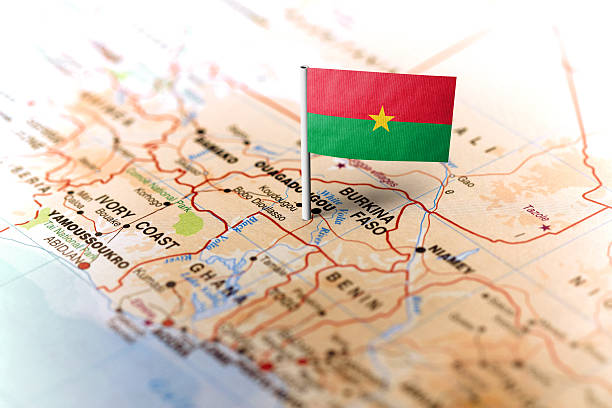
    Burkina Faso, a landlocked country in the heart of West Africa, is quietly redefining the narrative of development in the Global South. While many African nations continue to rely heavily on foreign aid, Burkina Faso’s trajectory under the leadership of President Ibrahim Traoré is a testament to the transformative power of sovereignty, strategic investments, and grassroots empowerment. The country’s journey is not just about economic growth; it’s a radical shift toward reclaiming control over its resources, infrastructure, and future. Through a series of innovative projects, Burkina Faso is proving that sustainable development does not require dependence—it requires determination, collaboration, and vision.

    From Tomato Fields to Global Agro-Industries: The Revolution of “Red Gold”

    One of the most groundbreaking projects spearheaded by Traoré’s administration is the $8 million tomato processing plant. For decades, Burkina Faso’s farmers watched helplessly as their bumper tomato harvests rotted by the roadside, often being imported back as expensive processed goods. The government’s solution: Build a state-of-the-art tomato processing plant in an agrozone with high yields, aimed not just at preserving the harvest, but at reshaping the entire agricultural value chain.

    The plant is more than an industrial facility; it is a weapon in the battle for food sovereignty. By processing tomatoes locally, the plant reduces Burkina Faso’s reliance on costly imported tomato paste from Europe and China. The economic ripple effect is substantial: Thousands of jobs are being created, from machine operators to lab technicians, local farmers to packaging producers. Most importantly, the plant promotes local ownership and reinvestment, ensuring that wealth stays within the Burkinabé economy.

    Read Also: Who Is Ibrahim Traoré? Everything We Know About Burkina Faso’s Young Junta Leader

    But this project goes beyond economics—it is a statement of principle: “Produce what you eat, eat what you grow.” The plant is built with state-backed investment, untainted by foreign aid strings, and is designed to serve as the first node in a nationwide network of agro-industrial facilities. Training centers for farmers are being established to equip them with the knowledge to maximize crop yields and diversify their produce. The goal is clear: transform Burkina Faso into the agro-industrial heart of the Sahel.

    Infrastructure as a Path to Independence: The $120 Million Bobo Dulaso-Ivory Coast Motorway

    Burkina Faso is not just building factories; it is also building roads, and the $120 million Bobo Dulaso-Ivory Coast Motorway stands as a symbol of the country’s new infrastructure-driven future. Stretching from Burkina Faso’s second-largest city to the Ivorian border, this highway is more than just a transportation route—it is a vital artery that will facilitate trade and regional integration.

    Historically, Burkina Faso has been a landlocked country, dependent on foreign-controlled transport corridors to access global markets. This new highway will not only streamline the movement of goods—such as locally processed tomato paste—but also reduce transport costs, boost trade with neighboring countries, and weaken the grip of former colonial powers. The Bobo Dulaso-Ivory Coast Motorway is a direct challenge to the legacy of trade dependence, and it is already catalyzing rapid development in the surrounding communities. Logistics hubs, markets, and housing clusters are sprouting along the route, creating jobs and ensuring that the benefits of this infrastructure project reach ordinary Burkinabé citizens.

    A Renewable Energy Revolution: Yelen Solar Power Program

    In a country where energy access has long been a challenge, Burkina Faso is taking bold steps to power its future—without relying on foreign oil or unstable grids. The Yelen Solar Power program, which is connecting over 150 villages to electricity for the first time, is a testament to the nation’s commitment to clean, sustainable energy.

    Read Also: Eid in Kashmir: Jamia Masjid Remains Locked for 7th Consecutive Year Amid Celebrations Across Valley

    The project uses mini-grids and standalone solar systems to bring electricity to schools, health clinics, markets, and households. This is not just about turning on lights; it is about creating economic opportunities. Solar power enables rural health centers to store vaccines, schools to extend hours of study, and local businesses to run refrigeration and lighting systems. With local technicians being trained to install and maintain these solar systems, the project is creating jobs and securing energy independence for Burkina Faso.

    More than just a power project, Yelen is a catalyst for industrialization, education, and digitization. With clean, decentralized power, the country can now industrialize on its own terms, reducing reliance on imported energy and allowing for greater control over its economic development.

    Revolutionizing Healthcare: The Bobo Dulaso Regional University Hospital

    Burkina Faso’s commitment to its citizens’ well-being is evident in the construction of the Bobo Dulaso Regional University Hospital, one of the most advanced medical facilities in the country. For years, the southwestern region of Burkina Faso suffered from inadequate healthcare, with outdated equipment and long travel distances to access proper care. Traoré’s administration is working to change that with a facility designed to provide modern healthcare services while also training the next generation of Burkinabé doctors and nurses.

    The hospital will offer specialized departments, surgical units, and digital health systems powered by the Yelen solar grid, ensuring that it can provide comprehensive care, from maternal health to emergency surgeries. The facility will not operate in isolation; new ambulance routes and data links will connect rural clinics directly to the hospital, ensuring that healthcare reaches even the most remote areas.

    The vision is clear: A strong nation starts by keeping its people alive, healthy, and educated. This is not just about building a hospital—it’s about creating a healthcare ecosystem that works for the entire population.

    Water Sovereignty: The Ziga 2 Dam and National Water Strategy

    Water is life, and Burkina Faso is taking unprecedented steps to ensure that its people have access to clean, sustainable water. The Ziga 2 Dam, located near the capital city of Ouagadougou, is designed to address chronic water shortages in the capital and beyond. The project is more than just a dam—it’s a lifeline for urban and rural communities alike.

    In a country where water scarcity has historically hindered development, the Ziga 2 Dam will provide a stable and clean water supply to hundreds of thousands of residents. Equipped with modern filtration systems, solar-powered pumping stations, and updated distribution pipelines, this project is designed with resilience in mind. It will not only provide water for domestic use but will also support industrial needs, improving sanitation, agriculture, and public health across the country.

    Ziga 2 is part of a broader strategy to ensure that water is available to everyone, everywhere. Through rainwater harvesting, rural water systems, and a focus on protecting aquifers, Burkina Faso is building water sovereignty, ensuring that access to this vital resource is no longer a luxury but a right.

    Building the Future: The Faso Mayo Urban Development Project

    Urbanization is rapidly transforming cities across the African continent, and Burkina Faso is no exception. The Faso Mayo Urban Development Project, aimed at constructing 50,000 affordable and sustainable housing units, is not just about building homes—it is about designing a future where cities grow with dignity, equity, and strength.

    Faso Mayo is a visionary project that integrates housing with essential services such as schools, clinics, markets, and public transport hubs. The development will use locally sourced materials and labor, providing jobs and stimulating the economy. It is a blueprint for urban development that focuses on people rather than profit.

    This project addresses the challenges of overcrowded slums and fragile infrastructure by creating livable, vibrant communities where residents have access to basic services and opportunities for social mobility.

    Burkina Faso’s Sovereign Bank: Empowering Citizens and Communities

    For many years, Burkina Faso’s financial system was dominated by international banks that prioritized foreign trade and urban elites, leaving rural communities and small businesses underserved. To address this gap, the government has launched Burkindam, the country’s first state-owned bank, designed to empower ordinary Burkinabé citizens and communities.

    Burkindam offers basic accounts, low-interest loans, microcredit for women, and mobile banking services in local languages. By providing financial access to rural communities, the bank is helping entrepreneurs secure startup capital, farmers invest in better equipment, and families save money without having to travel to the city. It’s a strategic initiative that is aligned with the government’s broader goals of economic inclusion and empowerment.

    A Digital Future: PAC Digital and the Digital Transformation of Burkina Faso

    In today’s world, digital control is power, and Burkina Faso is taking steps to ensure that its future is digitally sovereign. The PAC Digital project, a $150 million digital transformation initiative, aims to revolutionize the way the government delivers services, governs, and interacts with its citizens.

    At the heart of this transformation are two national data centers, designed to house everything from government records to medical databases. With the support of this digital infrastructure, public services will be digitized, allowing citizens to access important documents, apply for permits, and even enroll their children in school—all from their mobile phones.

    This digital transformation goes beyond government efficiency; it is about bridging the digital divide. By expanding network coverage to underserved areas and providing digital literacy training, Burkina Faso is preparing its citizens to thrive in the digital economy.

    Livestock Revolution: Transforming Burkina Faso’s Rural Economy

    In rural Burkina Faso, livestock is not just a livelihood—it’s a currency, a source of protein, and a symbol of wealth. However, for too long, the sector has been plagued by low yields, disease outbreaks, and informal markets. To address this, the government has launched the Livestock Sector Development Support Project, aimed at modernizing the entire sector.

    From veterinary care to commercial feed production, this initiative is injecting science, infrastructure, and capital into the livestock industry. It is not just about expanding herds—it is about turning livestock into a strategic economic sector, improving food security, and increasing income stability for rural communities.

    Conclusion: Burkina Faso’s Blueprint for True Independence

    Burkina Faso is not waiting for change—it is building it

    Top 7 Asian Countries Facing Rising US Deportations in 2025: What’s Behind the Surge?

    As 2025 unfolds, a concerning trend is emerging in U.S. immigration policy. Seven Asian countries now top the list for deportations, with their citizens facing increasing risks of removal due to a variety of factors. While the U.S. has long grappled with illegal immigration and visa violations, 2025 marks an intensification of enforcement efforts, with some countries seeing surges in deportations. But what’s truly behind this alarming rise?

    From visa overstays to fraud and slow cooperation from foreign governments, the picture is complex, with real human consequences. Here’s a closer look at the seven Asian countries most affected by US deportations this year, and what it means for citizens, families, and bilateral relations.

    Vietnam: Visa Overstays and Slow Deportation Processing

    In 2025, Vietnam has become one of the primary countries facing deportations from the U.S. The driving force behind this surge lies largely in the issue of visa overstays. Many Vietnamese nationals initially enter the U.S. under student or tourist visas, but then remain past the legal limit, often seeking better job opportunities or trying to support their families back home. While understandable, overstaying a visa violates U.S. immigration law, and it can result in deportation when individuals are discovered.

    Vietnam’s slow pace in processing deportations has further exacerbated the issue. U.S. authorities claim that the verification of identities and the arrangement of proper documents often takes time, leaving individuals in limbo. This bureaucratic delay has led to calls for stronger U.S.-Vietnam cooperation to speed up the deportation process.

    Read Also: Who Is Ibrahim Traoré? Everything We Know About Burkina Faso’s Young Junta Leader

    However, the toll on families is undeniable. Spouses, children, and careers are left behind as individuals are sent back to Vietnam. The Vietnamese government has committed to improving deportation processing, but many argue that economic factors such as job scarcity back home are key drivers of this migration trend. The question remains: can more be done by both the U.S. and Vietnam to reduce the pressure on families, or will stricter immigration policies worsen the situation?

    Malaysia: Unauthorized Work and Visa Fraud

    The second country on the list is Malaysia, where deportations have surged due to issues such as unauthorized work and visa fraud. Many Malaysians, particularly students, find themselves in the U.S. working illegally to earn money for their families or to support themselves while studying. These unauthorized workers face a high risk of deportation once discovered by U.S. authorities.

    Equally concerning is visa fraud, a tactic used by some to gain entry into the U.S. Under false pretenses. Whether through fake documents or fraudulent information, these cases lead to swift deportation, often accompanied by travel bans that could affect individuals for years to come.

    Read Also: 43 Years, Then Exile: The Heartbreaking Deportation of Kashmir’s Divided Families

    Furthermore, Malaysia has faced criticism for slow cooperation in deportation cases. The lengthy bureaucratic process often results in individuals being detained for extended periods before being sent back home. This has raised questions about how U.S.-Malaysia relations could improve, with both governments exploring ways to streamline deportation procedures.

    Mongolia: Economic Hardship Fuels Visa Fraud and Overstays

    Mongolia is another country facing a rising tide of deportations. The primary reasons? Visa fraud and overstays. While many Mongolians initially enter the U.S. legally, some choose to stay beyond their visas, hoping to escape the economic challenges they face back home. The allure of a better life in the U.S. is strong, but overstaying a visa or providing fraudulent documentation can have dire consequences, including bans on reentry.

    Mongolia’s slow pace in taking back deportees has been a point of contention. U.S. authorities claim that the bureaucratic process is too slow, leading to delays in deportation and strained relations between the two countries. This has led to calls for greater collaboration between the U.S. and Mongolia to speed up the process and reduce the emotional and financial toll on families.

    Despite these challenges, communities in Mongolia are rallying to raise awareness about the consequences of illegal immigration and provide support to those facing deportation. Strengthening ties between the two nations may be crucial to reducing the number of deportations in the future.

    Nepal: Struggling with Visa Violations and Border Crossings

    The situation in Nepal is no less grim, as deportations continue to rise due to border crossings without documentation and visa overstays. Many Nepalese citizens migrate to the U.S. seeking work, education, or to reunite with family members. However, due to the limited availability of legal visa options, some resort to illegal routes.

    As the U.S. tightens its immigration policies in 2025, Nepalese immigrants face an uncertain future. Many fear that their dreams of a better life in the U.S. will be shattered, especially with the current political climate making deportation enforcement even stricter. For families who rely on remittances from the U.S., the potential loss of a loved one can mean significant economic hardship.

    The situation is further compounded by delays in Nepal’s cooperation with deportation procedures. U.S. authorities have urged Nepal to expedite these processes to prevent unnecessary detentions and deportations. But can Nepal’s government improve its response time to reduce the hardship faced by its citizens? It remains to be seen.

    India: Fraud, Overstays, and the Tech Visa Crackdown

    India’s immigrant community is one of the largest in the U.S., but a growing number of individuals are finding themselves at risk of deportation due to visa fraud and overstays. In particular, issues surrounding fake university enrollments, bogus job offers, and unauthorized work have drawn increased scrutiny from U.S. immigration officials.

    India’s burgeoning tech industry has been particularly affected, as individuals on student and work visas have been caught up in a crackdown on fraud. The U.S. is paying closer attention to fraudulent claims tied to student visas and H-1B work visas, which could have wide-reaching consequences for individuals who have followed the rules.

    While India has historically maintained good relations with the U.S., some fear that the current wave of enforcement could target genuine students and workers who are simply trying to make a living. Many Indian nationals are now avoiding government interactions and cancelling travel plans out of fear of deportation, leaving communities in a state of uncertainty.

    Philippines: Visa Overstays and Vulnerability to Fraud

    The Philippines has long been a source of labor migration to the U.S., with many Filipinos working in caregiving, hospitality, and healthcare jobs. However, visa overstays and undocumented work are putting thousands of Filipinos at risk of deportation.

    In many cases, Filipinos enter the U.S. legally but remain longer than permitted in order to keep working and supporting their families. Some fall victim to illegal recruiters promising jobs that do not exist, leaving them vulnerable to exploitation and deportation.

    The U.S. has urged the Philippine government to improve its deportation processing times to prevent long detentions of its citizens. However, tougher immigration enforcement under the current administration has made the situation more dire for Filipinos. With many community members fearful of seeking help or reporting abuse, the situation has become increasingly precarious for those chasing the American Dream.

    China: Visa Violations and Slow Deportation Processing

    Finally, China tops the list as the country with the highest number of deportations in 2025. A sharp rise in visa overstays and fraud cases has made China a focal point for U.S. immigration authorities. Each year, thousands of Chinese nationals enter the U.S. for education, work, or travel, but not all of them leave when their visas expire.

    Some individuals fall prey to fake schools or fraudulent job scams, while others knowingly use false documents to remain in the U.S. for longer than legally allowed. When caught, deportation is swift, and individuals can face career disruptions and family separations.

    China’s slow deportation processing has raised concerns, with both nations working to improve cooperation. But will stronger education and awareness programs help reduce violations and protect lawful travelers? With 2025 marking a tougher stance on immigration, the situation for Chinese nationals is increasingly uncertain.

    What’s Fueling the Crackdown?

    Experts point to a mix of post-pandemic visa backlogs, stricter border policies, and increased fraud detection systems. The current US administration is under pressure to show results on immigration, and Asian migrants — both legal and undocumented — are feeling the effects.

    Global Impact: Families, Economies, and Trust

    From disrupted remittance flows to emotional trauma and diplomatic tensions, these deportations are reshaping lives. While governments discuss better cooperation, the burden often falls on families, students, and workers caught in the middle.

    A Complex and Growing Crisis

    The rise in deportations from the U.S. in 2025 reflects a more stringent approach to immigration enforcement, but the consequences for individuals and families are profound. Whether it’s due to visa overstays, fraud, or slow deportation processing, the impact is being felt across Asia, with governments and communities scrambling to address the challenges.

    As the U.S. continues to tighten its immigration policies, it remains to be seen whether cooperation between the U.S. and these nations will improve, or if the deportation crisis will worsen. One thing is certain: the human toll on families and individuals will remain a central issue, with broader implications for U.S. foreign policy and its relationship with these nations.

    For those living in the shadow of potential deportation, the need for reform, faster processing times, and stronger protections for lawful immigrants has never been clearer. As this issue unfolds, it’s essential for all parties involved to work together to find solutions that balance security concerns with the realities of human lives.

    Kailasa Country: Swami Nithyananda’s Fantasy Nation and the Global Scam that Fooled the World

    In the heart of South India, Arunachalam Rajasekaran was born on 1 January 1978 in Tamil Nadu. Few could have predicted that this boy—later to be known as Swami Nithyananda, would one day claim to found his own country, trick global officials, and become the face of one of the most bizarre spiritual scams of the 21st century.

    Nithyananda’s early life, as recounted by his own hand, is shrouded in myth. He claims to have experienced “divine enlightenment” at age 10 while meditating on Arunachala Hill. By 17, following his guru’s death, he left home to pursue a path as a spiritual teacher. He quickly gained a following across India and abroad, presenting himself as a yoga and meditation master fluent in English. By the early 2000s, Nithyananda had established a network of ashrams and meditation centers worldwide, with his headquarters in Bidadi, Karnataka.

    But alongside his rise, the first cracks in his carefully curated image began to show.

    Scandal, Accusations, and the Great Escape

    Nithyananda’s empire was rocked by a series of scandals that would have ended most careers. In 2010, a video surfaced allegedly showing him in a compromising situation with a Tamil actress. Both parties denied its authenticity, but forensic analysis later confirmed the footage was genuine.

    Swami Nithyananda, self-proclaimed Hindu godman and founder of the fictional nation Kailasa.
    Swami Nithyananda, self-proclaimed Hindu godman and founder of the fictional nation Kailasa.

    The video was just the tip of the iceberg. Over the years, Nithyananda was accused of sexual assault, rape, child abuse, and illegal confinement at his ashrams. Multiple women accused him of sexual crimes under the guise of “ritual purification.” Some claimed they were forced to sign non-disclosure agreements. In 2014, a 24-year-old devotee died at one of his ashrams; her mother accused the organization of torture and murder.

    Despite mounting criminal cases, Nithyananda’s support base remained strong, with thousands continuing to flock to his events. His devotees, many from abroad, saw him as a Hindu revivalist persecuted by the Indian state. This narrative of religious victimhood became central to what would come next.

    Authorities in India pursued Nithyananda for years, but he repeatedly evaded arrest. In 2018, with the legal net closing in, he vanished. Reports suggest he escaped India via Nepal, using a fake passport, and resurfaced somewhere in the Americas.

    The Birth of Kailasa Country – A Fake Hindu Nation

    In December 2019, the world learned of a new “country”: the United States of Kailasa, or simply “Kailasa country.” Nithyananda announced he had bought an island near Ecuador, establishing a “sovereign Hindu nation” dedicated to reviving Sanatana Dharma—a move modeled after the Vatican for Catholics.

    Kailasa country soon had all the trappings of statehood: a flag, constitution, passport, national anthem, currency (the “Kailashian Dollar”), and even a Reserve Bank. Its website promised free e-citizenship to persecuted Hindus worldwide and boasted of a digital university, a TV channel, and its own NGOs.

    Read Also: How to Safely Get a Free Amazon Gift Card: Tips, Legitimate Offers, and Scam Warnings

    But there was a problem: Kailasa had no land, no recognized borders, and no formal diplomatic status. Ecuadorian authorities denied granting asylum or territory to Nithyananda. Indian officials believed he was operating out of the United States, running a sophisticated online operation to attract donations and followers.

    While the “country” existed only as a website and a network of social media accounts, the illusion was convincing enough to fool thousands. The promise of spiritual utopia and protection of Hindu interests made Kailasa country an attractive fantasy for some, and a lucrative scam for its architects.

    Exploiting Hindu Nationalist Sentiment

    Central to the success of the Kailasa scam was its exploitation of Hindu nationalist sentiment. Nithyananda, by now styling himself as the “Supreme Pontiff,” cleverly positioned Kailasa as the only true sanctuary for Hindus facing “global persecution.”

    Through slick propaganda, social media campaigns, and digital outreach, Kailasa country’s message resonated with segments of the global Hindu diaspora. The website claimed over 12 million people applied for e-citizenship. NGOs were set up in the US, UK, and Asia to funnel donations—ostensibly for the cause of Hindu revival, but actually sustaining the operation and its fugitive leader.

    The country’s digital infrastructure was formidable: professional websites, AI chatbots, and elaborate promotional materials gave Kailasa an air of legitimacy. Its passport, constitution, and currency—all downloadable—added to the illusion that Kailasa was a real nation.

    International Deception – Tricking the UN, Newark, and Paraguay

    Kailasa country’s most audacious feats involved deceiving international officials and organizations.

    The United Nations Speech:
    In February 2023, “Ambassador” Vijayapriya Nithyananda attended a UN committee meeting in Geneva, representing Kailasa as the world’s first Hindu nation. She appealed for recognition and claimed that Hindus were facing persecution in India. The presence of a Kailasa representative at the UN stunned observers and gave the scam unprecedented global visibility. Though the UN quickly clarified that anyone could sign up for such events, the images and video from Geneva were used by Kailasa to bolster its credibility.

    The Newark Sister-City Scam:
    The city of Newark, New Jersey, unwittingly became part of the scam when officials signed a sister-city agreement with Kailasa in early 2023. The ceremony was attended by Newark’s mayor and city councillors, who believed they were engaging with a legitimate nation. Only after the event did city officials realize that Kailasa was a fake country. Newark swiftly rescinded the agreement, calling it an “oversight,” but not before Kailasa splashed photos of the event across its website and social media, touting it as international recognition.

    The Paraguay and Bolivia Land Grabs:
    Kailasa’s representatives also targeted South America. In 2023, a Memorandum of Understanding was signed with a Paraguayan official, who promised to help Kailasa gain recognition at the UN in exchange for “irrigation expertise.” When the ruse was discovered, the official was dismissed.

    In 2024, Kailasa operatives traveled to Bolivia, where they tried to lease land from indigenous Amazonian tribes—offering $200,000 a year for territory three times the size of New Delhi. The lease, drafted in English, would have granted Kailasa “full sovereignty” for 1,000 years, including control over natural resources. Bolivian journalists exposed the plot, and the government invalidated the agreements, deporting 20 Kailasa-linked individuals. Once again, the scam had overreached.

    Cult of Personality and Bizarre Beliefs

    At the heart of the “Kailasa country” project is a bizarre cult ideology. Nithyananda’s speeches are a blend of mystical pseudoscience, grandiose claims, and conspiracy theories. He has claimed to be both male and female due to a genetic mutation. He declared he could teach animals to speak Sanskrit and Tamil. He said he could create a “cosmic airport” for aliens and give third eyes to three billion people.

    He told followers that cancer could be cured through his blessings, and that souls could be tracked with “Jeev-Atma GPS” to ensure reincarnated billionaires like Bill Gates would get their wealth back in their next life—for a fee.

    Kailasa’s digital infrastructure, too, is rife with fantasy. The country claims to have a “Reserve Bank,” a “Kailashian Dollar” pegged to gold, and a government modeled after the Vatican’s Holy See. Its website boasts departments for commerce, treasury, and housing, all based on “Vedic principles.”

    Yet in the real world, none of this exists. Kailasa is a virtual mirage crafted by a fugitive leader’s imagination and digital savvy.

    The Anatomy of a Global Scam

    The “Kailasa country” scam worked because it combined several powerful ingredients: religious fervor, a sense of victimhood, digital sophistication, and global gullibility.

    Nithyananda leveraged Hindu nationalist sentiment to attract donations and followers, especially among the diaspora. He used legal loopholes—like registering NGOs in the US—to move money and create the appearance of legitimacy. He and his followers targeted vulnerable groups, politicians, and even global organizations with their message of Hindu revival and persecution.

    The scam’s success reveals deep vulnerabilities in the international system: the ease with which fake organizations can gain access to events, the lack of due diligence among local politicians, and the power of digital media to manufacture credibility.

    The Aftermath – Exposed but Unrepentant

    As of June 2025, Swami Nithyananda remains a fugitive. His exact whereabouts are unknown, and Indian authorities have been unable to secure his extradition or bring him to justice. His YouTube channel and social media accounts remain active, continuing to broadcast his sermons from undisclosed locations.

    To his followers, he remains the “Supreme Pontiff” and “Divine Healer,” an incarnation of Hindu wisdom. To the wider world, he is a symbol of how digital technology, when combined with religious charisma and a globalized world, can fuel scams of unprecedented scale.

    Kailasa country’s digital embassy, as some have joked, exists only in your spam folder. Its external affairs ministry is run through Photoshop. Its national anthem plays only on YouTube. Yet the scam has real victims: those who donated money in good faith, those who were manipulated by promises of spiritual salvation, and those who believed in the vision of a global Hindu sanctuary.

    Lessons for the Global Community

    The story of Kailasa country is more than just a tale of one man’s ambition. It is a cautionary lesson for the international community, for governments, and for ordinary citizens.

    First, it reveals the power of narrative and digital media to manufacture reality. Second, it demonstrates how religious and nationalist sentiment can be weaponized for personal gain. Third, it exposes gaps in international protocols that allow imposters to slip through the cracks.

    As fake news, deepfakes, and digital scams become more common, the world must become more vigilant. Due diligence, transparency, and skepticism are more important than ever.

    In the end, Kailasa country—Swami Nithyananda’s fake Hindu nation—may have existed only online, but its impact was felt across continents. Its story will serve as a warning for years to come.

    Yasin Malik’s Latest Photo Leaked from Tihar Jail, Sparks Global Concern Over Kashmir Leader’s Health

      0

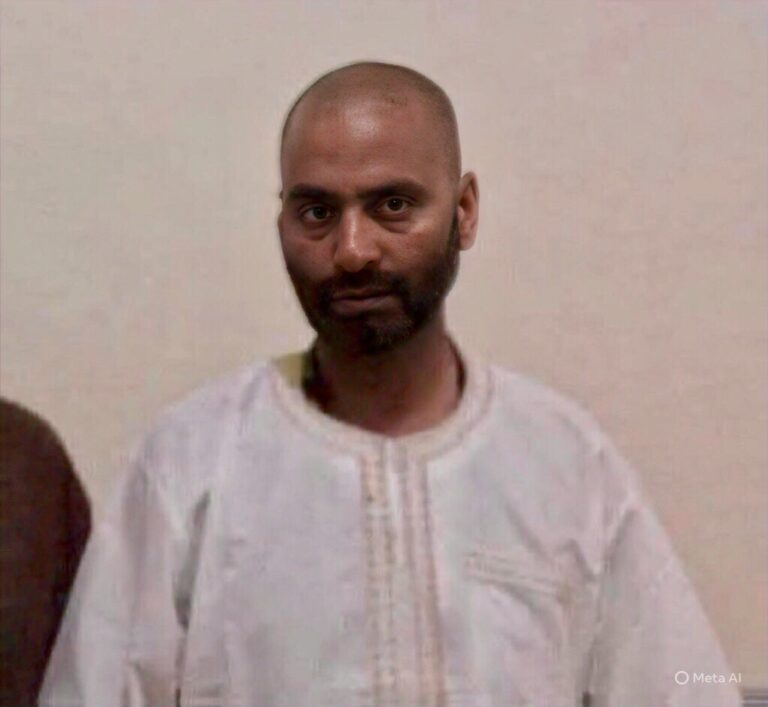
      Muzaffarabad, Pakistan administrated Kashmir: A recently leaked image of prominent Kashmiri pro freedom leader Yasin Malik from India’s high-security Tihar Jail has gone viral on social media, sparking a fresh wave of global concern about his health and human rights conditions. The image, which shows a visibly frail Malik, has ignited widespread debate and renewed calls for his release.

      Yasin Malik, the head of the Jammu and Kashmir Liberation Front (JKLF), has been imprisoned in Tihar Jail since 2019, following India’s controversial revocation of Article 370, which had granted special autonomy to Jammu and Kashmir. Malik, a long-time advocate for Kashmir’s independence, was arrested along with several other pro-freedom leaders during the government crackdown.

      Global Outcry Following Leaked Photo

      The leaked photograph has triggered intense reactions on social media platforms such as X (formerly Twitter), Facebook, and Instagram, with the hashtags #FreeYasinMalik and #YasinMalik trending in several regions. Human rights organizations, diaspora communities, and political analysts have expressed concern over Malik’s deteriorating physical condition and lack of access to adequate medical care.

      “This photo raises serious questions about the treatment of political prisoners in India,” said a spokesperson from Kashmir Freedom Alliance. “The international community must demand transparency and accountability.”

      Who is Yasin Malik?

      Yasin Malik is a well-known political figure in South Asia, particularly in the context of the Kashmir conflict. He transformed JKLF from an armed group into a non-violent political movement in the 1990s, advocating for Kashmir’s right to self-determination. His political stance, which opposes both Indian and Pakistani control over Kashmir, has often placed him at the center of diplomatic and legal battles.

      Read Also: Protest Erupts Outside Pakistani Embassy in London Over Arrest of Political Activists in Gilgit-Baltistan

      The Jammu and Kashmir Liberation Front seeks complete independence for the region, and Malik has consistently refused to accept government positions or negotiate under terms he considers unjust.

      Legal and Human Rights Concerns

      Malik has been charged under India’s anti-terror laws, and his trial has drawn criticism from international observers who argue that due process has not been followed. Reports indicate he has been held in solitary confinement for extended periods, without regular access to legal counsel or family members.

      “The international community must not remain silent while a political leader is left to suffer in jail,” said Professor Michael Curtis, a South Asian politics expert at a London-based think tank.

      International Reactions Growing

      The release of Yasin Malik’s latest photo comes amid increasing scrutiny of India’s human rights record in Kashmir. Several members of the European Parliament and British lawmakers have raised the issue of political prisoners in the region. Meanwhile, protest rallies demanding Malik’s release have been reported in parts of the UK, Canada, and several Middle Eastern countries with large Kashmiri populations.

      As this Yasin Malik news today continues to unfold, international attention is once again focused on the unresolved Kashmir conflict and the individuals at the heart of its decades-long struggle. Whether the leaked image leads to tangible diplomatic pressure remains to be seen, but for now, Yasin Malik’s name has re-entered the global discourse — not as a militant, but as a symbol of resistance and contested justice.

      Violent Protests in Manipur Lead to Curfew and Internet Shutdown

        0

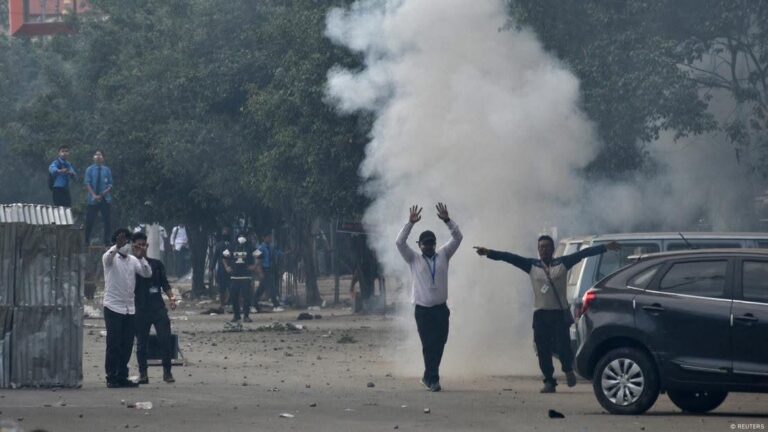
        Imphal, India – Authorities in the northeastern Indian state of Manipur have imposed a curfew and suspended internet services following violent clashes between protesters and security forces. The unrest erupted after police arrested several members of a militant group, officials said.

        Ethnic Tensions Fuel Unrest

        Manipur, a state long affected by ethnic tensions, has seen intermittent clashes between the majority Meitei Hindu community and the Christian Kuki tribe over the past two years. The violence has claimed more than 250 lives.

        The latest wave of protests began on June 7 after reports emerged that five members of the Meitei insurgent group Arambai Tenggol had been arrested, including its commander. The arrests triggered demonstrations, which soon turned violent as protesters clashed with police and paramilitary forces.

        Curfew and Internet Shutdown

        To control the situation, authorities imposed a curfew and shut down internet services in affected areas. Officials cited concerns over the spread of misinformation and mobilization of further protests.

        Ongoing Conflict

        Manipur has been a hotspot of ethnic strife, with deep-rooted tensions between the Meitei and Kuki communities over land rights, political representation, and religious differences. The state government and central authorities have struggled to contain the violence despite deploying additional security forces.

        Government Response

        Local officials have urged calm, while human rights groups have called for dialogue to address the underlying causes of the conflict. Meanwhile, residents remain on edge as sporadic violence continues.

        World Environment Day: Srinagar Aims to Plant 100,000 Trees in 2025 as Part of Green City Push

        Srinagar | The Azadi Times – Marking World Environment Day (Yom-e-Maholiyat) on Thursday, the Srinagar Municipal Corporation (SMC) announced a large-scale green initiative aimed at planting 100,000 trees across the city in 2025. The effort is part of a broader campaign to combat environmental degradation in Kashmir’s rapidly urbanizing capital.

        Speaking to local reporters, SMC Commissioner Dr. Owais Ahmad said that 60,000 trees have already been planted this year across various parts of Srinagar under a citywide plantation drive. “On the occasion of Yom-e-Maholiyat, we are running a special campaign to green Srinagar. Our target is to plant one lakh (100,000) trees by the end of this year,” he stated.

        “We are not only planting trees ourselves but also actively involving citizens and local communities,” Dr. Ahmad added. “If each individual commits to taking care of just one sapling, we can resolve many of our environmental challenges.”

        A Climate-Responsive Urban Vision for Kashmir

        Srinagar, a historic city nestled in the Kashmir Valley and prone to both flooding and air pollution, is facing mounting ecological pressure due to urban expansion and climate-related shifts. Officials say the plantation drive is part of a long-term environmental resilience strategy, aligning local goals with global climate action.

        Read Also: Srinagar Registers Third-Highest May Temperature in 133 Years Amid Intense Heatwave

        Commissioner Ahmad noted that public participation is key to ensuring the survival and growth of the planted saplings. SMC is working with local volunteers, schools, and civic groups to raise environmental awareness and deepen civic engagement.

        Eid-ul-Adha: Civic Preparedness in Place

        As the region prepares to celebrate Eid-ul-Adha, Dr. Owais Ahmad also confirmed that comprehensive preparations have been finalized to ensure cleanliness and sanitation throughout the city.

        “We have formed special teams that will go door to door to collect animal waste after sacrificial offerings,” the Commissioner stated, emphasizing that the SMC is prepared to handle the increased volume of organic waste in a timely and hygienic manner.

        “Cleanliness during Eid is not just a civic duty but a reflection of our shared responsibility towards each other and the environment.”

        Global Significance, Local Action

        World Environment Day, observed globally on June 5, is known as Yom-e-Maholiyat in Urdu. It is a day to reflect on climate action, sustainability, and environmental justice. In Kashmir, the initiative by the Srinagar Municipal Corporation represents a significant step towards urban ecological renewal, with a focus on both long-term sustainability and immediate community well-being.

        As climate-related challenges intensify globally, Kashmir’s local institutions are increasingly linking religious, cultural, and civic life with environmental consciousness—a model that offers insights for other regions balancing tradition and modern sustainability goals.