Tuesday, March 31, 2026
10.7 C
Srinagar
Home Blog Page 77

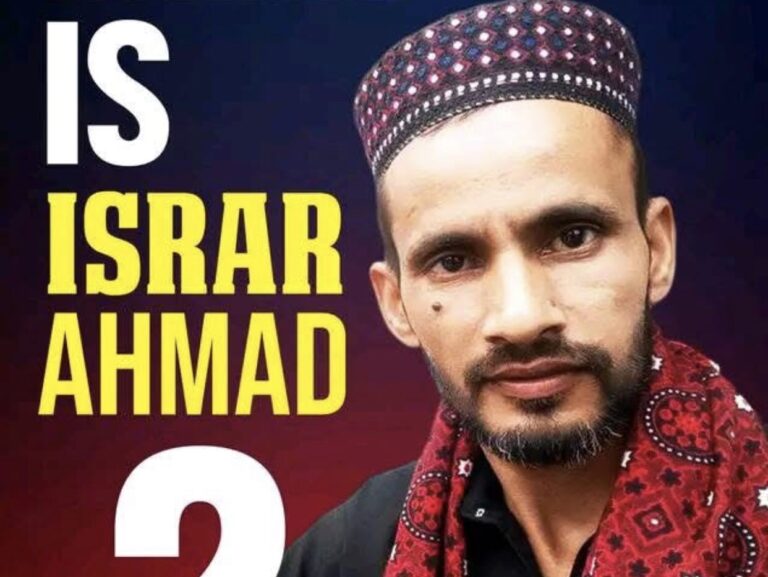
Tensions Rise in Dadyal After Arrest of JKLF Leader Israr Kashmiri, Dadyal Entry Point Blocked

Dadyal, Pakistan-administered Kashmir — A wave of protests has erupted in Dadyal following the reported arrest of nationalist leader Israr Kashmiri, Information and Broadcast Secretary of the Jammu Kashmir Liberation Front (JKLF). The situation has escalated with local residents blocking the key Plak Entry Point, cutting off all vehicular traffic into the city.

According to local sources and Kotli Sohlanan Digital, Israr Kashmiri was allegedly abducted by unidentified individuals late Sunday night. His family members and supporters spent the night visiting local police stations in search of information, but received no confirmation about his whereabouts. Despite repeated assurances from officials, no progress was made regarding his release.

By Tuesday morning, JKLF Dadyal chapter leaders, along with a large number of citizens, initiated a protest by closing down the main bridge at Plak — the central entryway into Dadyal town.

Public Response and Road Closure

Protesters, including a significant number of young people, erected barricades and halted all forms of traffic. Their primary demand is the immediate release of Israr Kashmiri, and they have warned that the protests will intensify if their demand is not met.
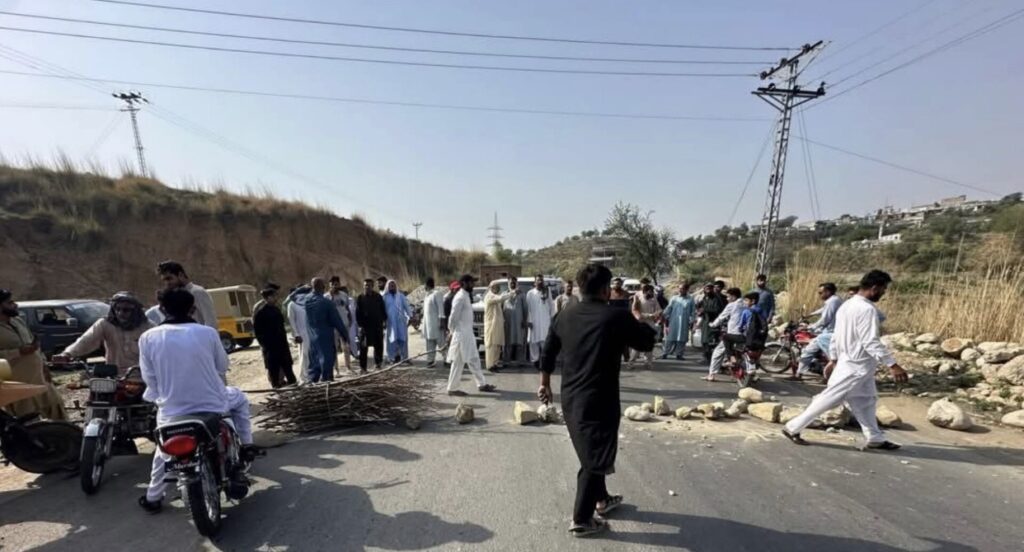
Local protesters block Palak Road in Dadyal, Azad Kashmir, (Pakistan administered Kashmir) demanding release of JKLF leader Israr Kashmiri.

Tensions in Dadyal are visibly rising as the protest enters its second day. Local reports confirm that all major routes leading into the town are currently blocked, affecting the movement of goods and people.

Background of the Arrest

A First Information Report (FIR) shared earlier by law enforcement authorities states that Israr Kashmiri was taken into custody on charges related to national security. He is accused of uploading social media content critical of Pakistan’s military, ideology, and state institutions — a violation of laws governing cybercrime and national integrity.

However, JKLF leaders and various nationalist groups argue that the arrest is politically motivated and part of a larger crackdown on dissent in Pakistan-administered Kashmir.

Civil Society Reacts

Representatives from the Jammu Joint Awami Action Committee and human rights activists have strongly condemned the arrest. In a joint statement, they demanded a fair trial in a court of law instead of arbitrary detention.

“If there are legal charges, let them be heard in an open court. Disappearances and secret detentions only deepen mistrust and create unrest,” said one activist speaking to The Azadi Times.

This is not the first time Israr Kashmiri has faced arrest. He was previously detained under similar charges but later released after widespread public pressure.

Nationalist Sentiment in Dadyal

Dadyal, part of the Mirpur Division in Azad Jammu and Kashmir, (Pakistan administered Kashmir) is known for its strong pro-Kashmiri nationalist identity. While the region is under Pakistan’s administrative control, many residents advocate for Kashmir’s independence from both India and Pakistan.

The arrest of a prominent pro-independence leader like Israr Kashmiri has further aggravated political sensitivities, especially in a town with a long history of political activism and civil resistance.

Official Silence and Security Measures

As of this report, no formal statement has been released by AJK authorities or Pakistani law enforcement agencies regarding the current legal status of Israr Kashmiri.

Security forces are reportedly monitoring the situation, and informal efforts at negotiation are ongoing. However, the lack of transparency and absence of official clarification has added to the unrest.

Local businesses remain shuttered, and schools and public transportation have been affected due to the blockade at Plak.

Human Rights and Legal Concerns

Legal experts and human rights defenders are watching the case closely. Several have pointed out that freedom of expression and the right to protest are protected under international human rights frameworks — including treaties that Pakistan has ratified.

Any violations of due process, including detentions without trial, risk triggering international scrutiny and could damage Pakistan’s credibility on human rights in the Kashmir region.

What Happens Next?

Protesters have vowed to continue their peaceful blockade until Israr Kashmiri is released or officially presented in court. The coming hours are critical, as the administration must decide whether to negotiate or risk a broader escalation of unrest in the region.

The Azadi Times will continue to monitor the situation and provide timely updates as the story develops.


Syed Basit Ali’s Referendum Call Sparks Mixed Reactions in Kashmir

Muzaffarabad, Pakistan administrated Kashmir: – Syed Abdul Basit Ali, a prominent figure from Leepa Valley a scenic valley alongside the Ceasefire Line in Pakistan-administered Kashmir, has sparked a heated debate in the region with his recent call for a referendum to resolve the longstanding issue of Jammu and Kashmir’s status.

In a video uploaded on his Facebook page, Ali emphasized the need for a referendum, citing it as a viable solution to the Kashmir dispute. His comments have been met with both praise and skepticism, with some hailing his move as a step towards resolving the issue, while others questioning the motivations behind his sudden push for a referendum.

Ali, known for his pro-Pakistan Army stance and frequent media appearances. However, his latest move has raised eyebrows, with some speculating that there may be ulterior motives at play.

“While we appreciate Syed Basit Ali’s efforts to highlight the Kashmir issue, we cannot ignore the fact that similar promises have been made to the Kashmiri people in the past, only to be left unfulfilled,” said a local Kashmiri resident, who wished to remain anonymous. “We will be watching closely to see if this is a genuine attempt to resolve the issue or just another ploy to manipulate public opinion.”

Despite the skepticism, many Kashmiris have welcomed Ali’s call for a referendum, seeing it as a potential step towards a peaceful resolution to the longstanding dispute.

“We stand with all voices that advocate for the rights of the Kashmiri people, including the right to self-determination through a free and fair referendum,” said a spokesperson for a local Kashmiri rights group. “However, we also urge all parties involved to ensure that any solution is inclusive, transparent, and respects the wishes of the Kashmiri people.”

As the debate surrounding Ali’s call continues, one thing is clear: the people of Jammu and Kashmir are eager for a resolution to the decades-long dispute. Whether Ali’s referendum call will gain traction remains to be seen, but it has undoubtedly sparked a much-needed conversation about the region’s future.

The local leader from Leepa Valley told to the Azadi Times that Syed Basit Ali’s comments have sparked a wider debate about the role of external actors in shaping the Kashmir dispute. While some have hailed Ali’s call as a positive step, others have expressed concerns about the potential for external interference.

The Azadi Times remains committed to providing balanced and unbiased reporting on the Kashmir dispute. We will continue to follow developments closely and provide updates as the situation evolves.

SIM Owner Details by Number: How to Check, Legal Concerns, and Global Regulations

SIM Owner Details by Number – Legal Ways to Trace SIM Ownership. Learn how to check SIM owner details by number in legal, ethical ways. Discover global regulations, privacy concerns, and tools used by authorities and telecom providers.

In today’s interconnected world, mobile numbers are more than just tools for communication—they are digital identities. Whether you’re trying to verify the authenticity of a caller or investigating harassment or fraud, the ability to trace a SIM owner by numberhas become a significant issue. This article explores how SIM owner details can be retrieved, the legal landscape globally, and the ethical concerns tied to this practice.

What Does “SIM Owner Details by Number” Mean?

“SIM owner details by number” refers to retrieving personal information—such as name, address, ID proof, and registration details—associated with a mobile SIM card. These details are typically held by telecom operators and are used to:

  • Authenticate users
  • Prevent fraud
  • Comply with government surveillance and security laws

However, accessing this data is tightly controlled in most countries due to privacy laws and the risk of misuse.

Why Would Someone Want to Find SIM Owner Details?

There are several legitimate reasons for wanting to identify a SIM card owner:

  • Verification during business deals
  • Reporting spam or fraud calls
  • Tracking a lost device
  • Helping law enforcement in investigations
  • Avoiding scams or impersonation

However, many people search for ways to find SIM owner details without permission, which can lead to legal repercussions.

How Telecom Companies Handle SIM Registration

Most countries now require mandatory SIM registration with government-issued identification. Here’s a quick comparison of SIM registration rules in key countries:

CountrySIM Registration Requirement National Database Integration India Mandatory KYC with Aadhaar or ID proofYes (Centralized)PakistanBiometric verification via NADRAYesNigeriaNIN-linked registrationYesUSANo national SIM registryNo (carriers handle KYC)UKNo ID required for prepaid SIMsNoUAEEmirates ID requiredYesPhilippinesSIM Card Registration Act (2022)Yes

Is It Legal to Check SIM Owner Details?

Accessing SIM owner details without consent is illegal in most countries. Telecom providers are bound by data protection laws like:

  • GDPR in Europe
  • CCPA in California
  • ITU Data Protection Frameworks in developing countries

Only authorized government bodies (like the police or intelligence agencies) can legally request this information from telecom operators through proper channels.

How Do Law Enforcement Agencies Trace SIM Owners?

Authorities use Cellular Network Data Monitoring and Subscriber Information Requests through legal orders (like subpoenas). They rely on:

  • IMEI tracking
  • Call detail records (CDR)
  • GPS triangulation
  • Telecom KYC databases

This process is slow, regulated, and only done with legitimate cause.

Online Tools Claiming to Reveal SIM Owner Details: Are They Real?

If you’ve come across websites or apps claiming they can reveal SIM owner details by just entering a number—be cautious. Most of these platforms are either:

  • Scams designed to steal 
  • your personal data
  • Illegally operating without any authorization from telecom regulators

These services often ask for sensitive information or permissions that could compromise your privacy or security. In some cases, using such tools might also make you complicit in a privacy violation, which can have legal consequences depending on your country’s cyber laws.

Red Flags of Fraudulent SIM Lookup Services:

  • Asking for upfront payment or banking details
  • Requiring unnecessary permissions (like access to contacts or messages)
  • Not affiliated with any official telecom providers or government bodies
  • Lack of a clear privacy policy or terms of service

Pro Tip: Always verify whether a service is recognized by your local telecom regulator or government agency before using it.

Legal Alternatives for Verifying a Phone Number

If you have a legitimate need to verify a phone number’s owner, consider these legal and ethical methods:

  • Contacting the Telecom Provider: Some telecoms offer limited verification for businesses or fraud reports, though personal data won’t be disclosed.
  • Reporting to Authorities: In cases of fraud or harassment, file a complaint with law enforcement who can request the data legally.
  • Use Verified Business Tools: Platforms like Truecaller or Hiya use crowdsourced data and can provide caller identity (though not guaranteed to be accurate or legally verified).
  • Government Portals (where available):Some countries provide limited lookup features for registered users under lawful conditions.

Global Regulations on SIM Data Privacy

Here’s a brief overview of how some regions regulate access to SIM data:RegionRegulatory BodyAccess LimitationsEUGDPRStrong individual consent required; heavy penalties for misuseUSAFCC, CCPA (California)Telcos cannot disclose subscriber info without warrantIndiaDoT, TRAIAccess limited to law enforcement; KYC mandatory for all SIMsMiddle EastLocal telecom regulators (e.g., TRA, UAE)Strict ID-based registration; access only via court orders

While the curiosity to uncover a SIM owner’s identity may stem from genuine concerns—such as safety or fraud prevention—it’s essential to understand the legal and ethical boundaries involved. Unauthorized attempts to obtain this information can result in severe penalties under privacy and cybercrime laws.

The best approach? Work within the law, use official channels, and always respect individual privacy.

How to Check if Your WhatsApp Has Been Hacked

WhatsApp has become a primary tool for communication, connecting millions of users daily. However, this widespread use also makes it a prime target for hackers.

If you suspect your WhatsApp account has been compromised, it is crucial to act swiftly to protect your privacy and data.

Signs Your WhatsApp May Be Hacked

There are several warning signs that your WhatsApp account may have been hacked. One of the most obvious indicators is unusual activity, such as messages you did not send appearing in your chats. Friends or family may inform you that they have received strange links or spam from your number. Another red flag is being unexpectedly logged out of your account, which could mean someone else has gained access.

Additionally, if your phone’s battery drains faster than usual or your mobile data usage spikes without explanation, it could be a sign that malware or spyware is running in the background. Slow performance, unfamiliar apps installed on your device, or sudden pop-ups may also indicate a security breach.

How to Check for WhatsApp Hacking

To confirm whether your WhatsApp has been hacked, follow these steps:

  1. Check Active Sessions – Open WhatsApp, go to Settings > Linked Devices, and review all active sessions. If you see an unfamiliar device, log it out immediately.
  2. Enable Two-Step Verification – This adds an extra layer of security. Go to Settings > Account > Two-Step Verification and set up a PIN.
  3. Scan for Spyware – Use a reputable antivirus app to scan your phone for malicious software.
  4. Monitor Your Account Activity – Regularly check your WhatsApp Web sessions and revoke access to any suspicious devices.

What to Do If Your WhatsApp Is Hacked

If you confirm that your account has been compromised, take immediate action:

Log Out of All Devices – Go to Linked Devices and select Log Out from All Devices.

Change Your SIM Card PIN – Contact your mobile provider to secure your number.

Notify Contacts – Inform friends and family to ignore any suspicious messages sent from your account.

Report to WhatsApp – Use the in-app support feature to report the breach.

Preventing Future Hacks

To safeguard your WhatsApp account, avoid clicking on suspicious links, never share verification codes, and regularly update the app. Using strong, unique passwords and enabling two-factor authentication can significantly reduce the risk of hacking.

Staying vigilant and proactive is the best defense against cyber threats. If you suspect any unauthorized access, act quickly to secure your account and personal information.

Difference Between LoC and the Working Boundary: A Critical Look at South Asia’s Flashpoints

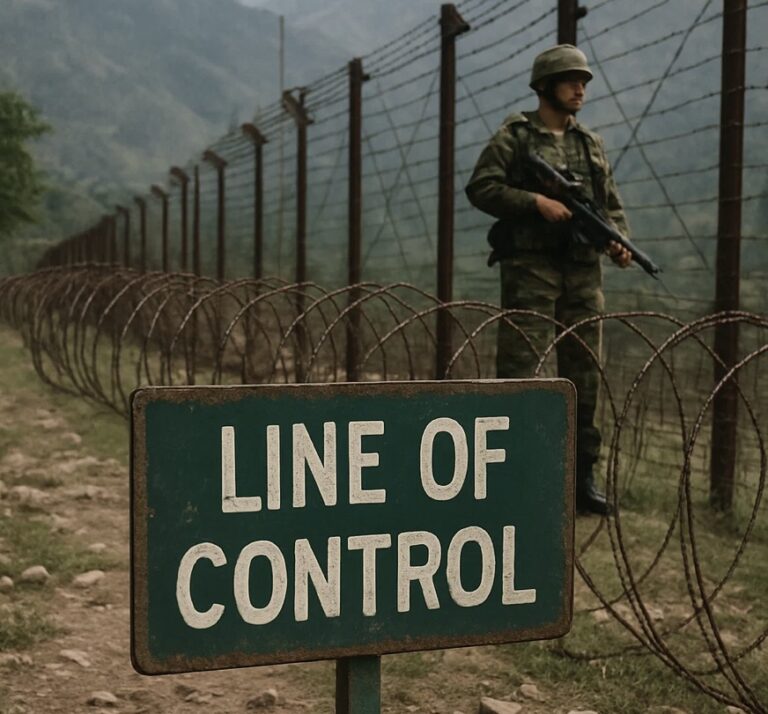
Muzaffarabad, Pakistan administrated Kashmir: The Line of Control (LoC) and the Working Boundary are two of the most sensitive and often misunderstood fault lines in South Asia, particularly between India and Pakistan. These terms are often used interchangeably in media reports, but they refer to distinct geopolitical realities with different legal, military, and political implications.

In the context of Kashmir and the broader conflict between India and Pakistan, understanding these boundaries is critical—not just for policymakers but also for the public, particularly near Ceasefire Line where people live under the daily shadow of these volatile lines.

This article breaks down the key differences, explores their origins, and explains what they mean for the region’s stability.

What is the Line of Control (LoC)?

The Line of Control (LoC) is the military control line that divides the Indian-administered Jammu and Kashmir from the Pakistan-administered Azad Jammu and Kashmir (AJK). It is not an internationally recognized border but functions as the de facto boundary between the two regions since the Simla Agreement of 1972.

Key Facts about the LoC:

  • Length: Approximately 740 km (460 miles)
  • Status: A military ceasefire line, not an international border
  • Origins: Ceasefire line established after the First Indo-Pak war in 1947–48, formalized in the Simla Agreement (1972) after the 1971 war
  • Monitoring: Both India and Pakistan maintain a heavy military presence; there is no third-party monitoring (e.g., UN) on the Indian side
  • Ceasefire Violations: Frequently sees cross-border shelling, infiltration attempts, and military skirmishes

The LoC passes through rugged mountainous terrain, heavily militarized zones, and villages where civilian populations often bear the brunt of hostilities. The region sees intermittent peace, but long-term stability remains elusive.

What is the Working Boundary?

The Working Boundary is the line that separates Pakistan’s province of Punjab from India’s Jammu region, specifically the area where Sialkot (Pakistan) borders Jammu (Indian administered Jammu Kashmir’ Region). Unlike the LoC, the Working Boundary is more ambiguous in legal terms and has often been a flashpoint for border firing.

Key Facts about the Working Boundary:

  • Length: Around 200 km (124 miles)
  • Location: Lies between Pakistan’s Punjab (Sialkot area) and Indian administered Kashmir’s Jammu region
  • Recognition: India refers to this as part of its International Border, while Pakistan calls it the Working Boundary, asserting it is not internationally demarcated due to the Kashmir dispute
  • Military Presence: Regularly patrolled by Pakistan Rangers and India’s Border Security Force (BSF)
  • Violence & Disputes: High number of civilian casualties and displacements during periods of shelling and border tensions

The Working Boundary, unlike the LoC, does not go through disputed territory (as per Pakistan), yet is treated differently by both countries, leading to frequent confusion and escalation.

Key Differences Between LoC and Working Boundary

Aspect Line of Control (LoC) Working Boundary Location Separates Indian-administered and Pakistan-administered Kashmir Lies between Pakistan’s Punjab and India’s Jammu region Status De facto military boundary Considered part of the international border by India; disputed by Pakistan Length Approx. 740 km Approx. 200 km Monitoring No third-party monitoring; UNMOGIP operates on Pakistan side Patrolled by Rangers (Pakistan) and BSF (India) Origin Created post-1947 war; formalized in Simla Agreement Not defined in Simla Agreement; contested terminology International Recognition Not recognized as an international border India claims it as international border; Pakistan disputes that

Why It Matters: Impact on Civilians

Both the LoC and Working Boundary have seen frequent shelling, infiltration, and displacement. Villages on both sides are vulnerable to sudden military action, causing loss of lives, destruction of property, and psychological trauma.

In Pakistan-administered Kashmir (AJK), hundreds of families live within range of Indian shelling and are often forced to relocate during high tensions. Likewise, in Indian-administered Jammu and Kashmir, civilians near the LoC and Working Boundary have also suffered immensely.

The lack of a peaceful resolution to the Kashmir conflict continues to make both boundaries dangerous fault lines.

The UN Role

  • The United Nations Military Observer Group in India and Pakistan (UNMOGIP) monitors ceasefire violations only from the Pakistan side of the LoC.
  • India does not allow UN observers on its side, claiming that the 1972 Simla Agreement superseded previous UN resolutions.
  • The Working Boundary is not monitored by UNMOGIP, which further complicates accountability and conflict prevention.

Voices from the Ground

Many in AJK and GB see the LoC not just as a line but as a wall dividing families, culture, and shared history. In recent years, various political and civil society movements have called for:

  • Peace corridors for cross-LoC trade and cultural exchange
  • Civilian ceasefire protections
  • Recognition of Kashmiris as key stakeholders in all negotiations

The Need for Dialogue and Clarity

Understanding the difference between the LoC and the Working Boundary is essential in analyzing South Asia’s most protracted conflict. While both serve as dangerous lines of control, their legal definitions, military implications, and humanitarian impact differ substantially.

As cross-border tensions persist, there is an urgent need for neutral journalism, cross-border dialogue, and humanitarian cooperation to ensure that the people of Kashmir, on both sides, are not forgotten in political narratives.

Indian YouTuber Arrested Over Alleged Espionage Links with Pakistan

Muzaffarabad / Hisar / New Delhi: Indian police have arrested Jyoti Malhotra, a prominent travel YouTuber from Haryana, on suspicions of spying for Pakistan—a case that has sparked debate across the subcontinent and raised fresh tensions between the nuclear-armed neighbours.

According to Haryana police, Malhotra allegedly maintained continuous contact with individuals linked to Pakistani intelligence, including a Pakistan High Commission official who was expelled from India earlier this month. Authorities claim she travelled to Pakistan several times, most recently in March 2025, where she attended cultural and religious events and appeared in videos from Hindu and Sikh temples.

The arrest follows increased military friction between India and Pakistan earlier this month, including cross-border strikes and a subsequent ceasefire announcement on May 10, brokered by the United States.

Who is Jyoti Malhotra?

Known for her vibrant social media presence, Jyoti Malhotra describes herself as a “modern girl with old ideas.” Her YouTube channel boasts over 377,000 subscribers, and her Instagram account has more than 133,000 followers. Her content features travel vlogs from across South and Southeast Asia—including destinations such as China, Bangladesh, Thailand, the UAE, and Indonesia—alongside religious and cultural tourism in India.

Despite her popularity, investigators have raised questions about how she funded her frequent international travels, pointing to what they describe as a lack of transparency about her income sources.

Alleged Links to Pakistan

Police allege Malhotra established contact with Pakistani officials during a visa application process in 2023 at the Pakistan High Commission in New Delhi. Among her contacts was Ahsan-ur-Rahim, a High Commission official who was ordered to leave India on May 13 for “activities incompatible with his diplomatic status.”

Her last known video featuring Pakistan was uploaded in March 2025, where she documented attending a Ramadan dinner at the Pakistan High Commission. She has also posted videos of her travels through Pakistan, engaging with locals, and visiting sites of religious significance.

According to police in Hisar district, Malhotra may also be under investigation for possible links to the Pahalgam attack, a recent militant strike that killed Indian and foreign tourists in Jammu and Kashmir. No formal charges connecting her to the attack have been filed as yet.

Statements and Denials

Malhotra’s father has denied all allegations, asserting that she travelled to Pakistan through legal channels and obtained the necessary permissions from Indian authorities. He maintains her visits were cultural and journalistic in nature, aimed at promoting peace and cross-border understanding.

Meanwhile, police claim they are examining her communications with other YouTubers and are tracking potential collaborators inside India. “She used to go to Pakistan on sponsored trips,” said Hisar police superintendent Shashank Kumar Sawan in a statement to ANI news agency.

Diplomatic Fallout

The case has added a layer of tension to already strained diplomatic ties between India and Pakistan. After India expelled Ahsan-ur-Rahim, Pakistan responded by ordering an Indian diplomatic staff member in Islamabad to return home, citing similar violations.

Arrests over espionage suspicions are not uncommon between the two countries. However, the involvement of a social media influencer—a figure outside conventional intelligence circles—has brought a modern twist to a longstanding geopolitical rivalry.

The Kashmir Tension

This arrest comes just weeks after India claimed to have conducted “surgical strikes” on what it described as terror infrastructure inside Pakistan, following the Pahalgam attack. Pakistan denied any involvement in the incident.

Both countries have since agreed to a ceasefire. Yet, the Malhotra case is likely to prolong diplomatic unease and amplify debates on digital surveillance, cross-border interaction, and the politicization of content creators in South Asia.

AJK and GB: The Push for Political Unity in Pakistan-Administered Kashmir

Muzaffarabad, Pakistan administrated Kashmir: Azad Jammu and Kashmir (AJK) and Gilgit-Baltistan (GB) are two strategically important, semi-autonomous regions administered by Pakistan, both of which form part of the larger, disputed territory of Jammu and Kashmir.

Despite the shared historical context and geopolitical significance, AJK and GB have operated under distinct political and administrative structures since their incorporation into Pakistan following the partition of British India in 1947.

In recent years, there has been a growing movement advocating for greater political unity between these two regions, aiming to consolidate their political, social, and economic resources. This article takes a deep dive into the historical context, political dynamics, and implications of such a unification effort within the framework of Pakistan-administered Kashmir.

Historical Context

The roots of the current political landscape in AJK and GB are embedded in the tumultuous history of the Kashmir region. Following the partition of British India in 1947, the princely state of Jammu and Kashmir was left to decide its future. The region became a point of contention between India and Pakistan, both of which sought control over the territory. Following the Maharaja of Kashmir’s controversial accession to India in 1947, the region was divided into two parts, with Pakistan controlling the areas now known as AJK and GB.

Azad Jammu and Kashmir (AJK) was established as a self-governing entity under Pakistan’s administration in 1947, with its own constitution and government structure. Gilgit-Baltistan (GB), however, did not receive the same level of political autonomy and remained under direct federal control. In 2009, a notable shift occurred when Pakistan granted GB a limited form of self-rule under the Gilgit-Baltistan Empowerment and Self-Governance Order. Despite these reforms, GB still lacks a full constitutional framework and continues to be heavily dependent on Pakistan’s federal government.

Political Structures and Autonomy

Azad Jammu and Kashmir (AJK):

  • Constitutional Framework: AJK has its own constitution, a legislative assembly, and a judiciary. The region enjoys a degree of self-governance, but matters such as defense, foreign affairs, and currency remain under the jurisdiction of the federal government of Pakistan.
  • Political Parties and Governance: The political landscape in AJK is characterized by a range of political parties that operate under the umbrella of supporting Pakistan’s eventual accession. These parties work within the boundaries of Pakistan’s broader national policies, though they often advocate for greater regional autonomy and political rights.

Gilgit-Baltistan (GB):

  • Lack of Constitutional Status: Unlike AJK, GB does not possess its own constitution. Instead, it is governed by the Gilgit-Baltistan Order of 2018, which provides a legislative assembly but still places significant powers with Pakistan’s federal government.
  • Limited Autonomy: While GB has a legislative assembly that can pass laws on local issues, its powers are far more constrained compared to AJK. The region is often viewed as more directly controlled by Islamabad, with fewer opportunities for local political autonomy.

Movements Advocating Unity

In recent years, there has been a growing call from various political groups and activists advocating for the unification of AJK and GB. The rationale behind this push is multifaceted, encompassing both practical governance concerns and broader political ideals. Among the key movements supporting this unification are:

United Kashmir People’s National Party (UKPNP):

This political group has been one of the strongest advocates for the unification of AJK and GB. The UKPNP has long championed the cause of self-determination for the people of Jammu and Kashmir, pushing for a unified, democratic structure in the region. The party argues that a merged region would allow for greater political cohesion, improved governance, and a stronger collective voice in the ongoing Kashmir dispute.

Jammu and Kashmir Liberation Front (JKLF):

The JKLF, historically aligned with the cause of Kashmir’s independence, has been less directly involved in advocating for the unification of AJK and GB under Pakistan. However, their longstanding message of regional unity and self-determination for the people of Kashmir aligns with the broader goals of those calling for political unity between AJK and GB. The JKLF’s vision of an independent Kashmir remains a central tenant of their political philosophy, which complicates their direct endorsement of unification under Pakistan.

Other Advocacy Groups:

Several smaller political factions and civil society organizations within AJK and GB have also pushed for unification, believing it will lead to a more cohesive governance structure that can better address the needs of the people. These groups argue that unified administration would streamline the allocation of resources, ensure a more effective response to local issues, and strengthen the political representation of Pakistan-administered Kashmir in national matters.

Challenges to Unification

Despite growing support for political unity, several significant hurdles remain:

Constitutional and Legal Barriers:

The distinct legal frameworks governing AJK and GB are a major impediment to unification. AJK operates under its own constitution, whereas GB is governed by federal orders from Islamabad. Merging these two regions would require significant legal reforms, including amendments to both regional and national laws, which is a complex and politically sensitive process.

Political Resistance:

Political parties and leaders in both regions have expressed concerns about the potential drawbacks of unification. In AJK, some factions fear that such a move could lead to the dilution of their regional political influence, as they might lose some of the autonomy currently afforded under their constitution. Similarly, in GB, there is apprehension that unification might lead to greater centralization of power in Islamabad, reducing their limited self-governance.

Public Opinion:

While some segments of the population support unification for practical reasons—such as improved infrastructure, unified resource management, and a stronger political voice—others worry about the potential loss of regional identity and autonomy. The differing views within the local population reflect the complex nature of political identity in both AJK and GB, where loyalty to Pakistan, regional autonomy, and a sense of Kashmiri identity often coexist in tension.

Implications of Potential Unification

Should efforts for political unity between AJK and GB succeed, several potential outcomes could shape the future of the region:

Enhanced Political Representation:

A unified region could potentially have a more powerful political voice, both in Islamabad and on the international stage. The regions’ combined population and political clout could result in stronger advocacy for the rights of Pakistan-administered Kashmiris in national politics, particularly with regard to the ongoing Kashmir dispute.

Streamlined Governance:

Unification could streamline governance by merging administrative structures, allowing for more efficient decision-making and resource distribution. A unified region might be able to better address local challenges such as economic development, infrastructure, and public services.

Impact on the Kashmir Dispute:

A political unification of AJK and GB could alter the dynamics of the broader Kashmir conflict. While it might strengthen the political position of Pakistan-administered Kashmir within Pakistan, it could also complicate the region’s already delicate status on the global stage. The move could influence the positions of India and other international actors in the ongoing Kashmir dispute.

The debate over political unity between Azad Jammu and Kashmir (AJK) and Gilgit-Baltistan (GB) represents a critical chapter in the evolving narrative of Pakistan-administered Kashmir. Advocates for unification argue that it would lead to greater political representation, improved governance, and a stronger collective identity, while critics remain cautious, citing potential risks to regional autonomy and identity.

The future of such unification remains uncertain, shaped by a complex mix of legal, political, and societal challenges. As discussions continue, the path toward greater unity—or further divergence—will have lasting implications for the people of AJK, GB, and the broader Kashmir conflict.

NADRA Clarifies Smart CNIC Regulations for AJK Residents Amid Rumors

Muzaffarabad, Pakistan administrated Kashmir: The National Database and Registration Authority (NADRA) of Pakistan has recently addressed circulating rumors regarding changes to the regulations for issuing Smart Computerized National Identity Cards (CNICs) for residents of Azad Jammu and Kashmir (AJK).

As tensions continue to swirl around the region’s identity, particularly in the context of political and legal intricacies, NADRA’s clarification seeks to put an end to misleading claims and provide much-needed transparency to applicants from AJK.

In the face of misinformation, NADRA has reaffirmed that there has been no change in its policies concerning the imprints on CNICs for AJK residents. This article aims to outline NADRA’s stance on the issue, the steps residents can take to ensure proper documentation, and the importance of adherence to the regulatory framework in securing identity documents for AJK residents.

NADRA’s Official Policy on CNICs for AJK Residents

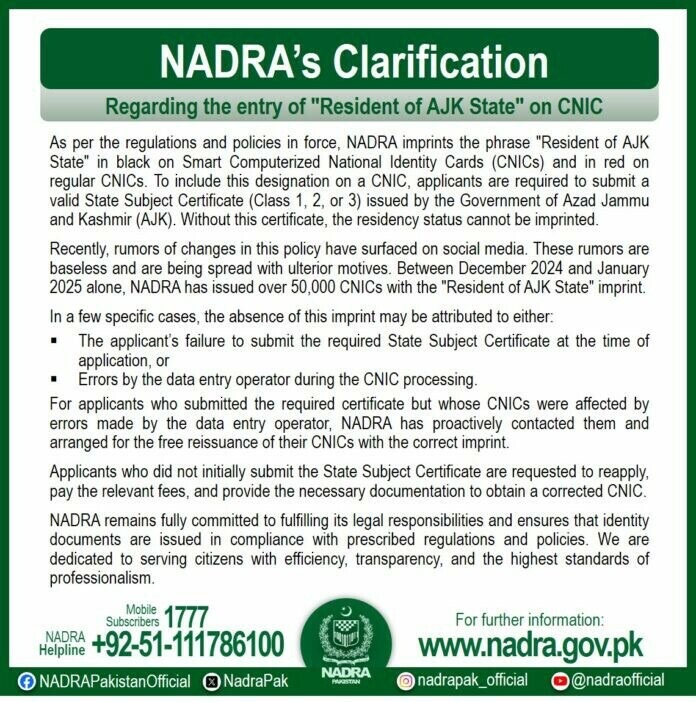
NADRA follows a clear and structured process for issuing CNICs to residents of AJK. As per the existing regulations, residents of AJK are provided with identity cards that prominently display the designation “Resident of AJK State”. This is imprinted in black ink on Smart CNICs and red ink on regular CNICs.

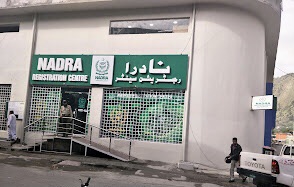
Pakistani national database center NADRA clarifies rules for resident of ajk state cnic imprint

However, to be eligible for the “Resident of AJK State” imprint, applicants must submit a valid State Subject Certificate issued by the Government of Azad Jammu and Kashmir. The State Subject Certificate is available in three categories: Class 1, 2, and 3, and serves as the official proof of residency in the region. This certificate is mandatory to confirm an individual’s status as a resident of AJK.

In the absence of this essential document, NADRA cannot issue a CNIC with the “Resident of AJK State” designation. Applicants who fail to submit the necessary certificate will face delays or the imposition of restrictions in the processing of their CNIC applications.

No Policy Change

Amidst circulating rumors on social media regarding a potential change in the CNIC policy for AJK residents, NADRA has emphatically denied any such alteration. These rumors have raised concerns among the Kashmiri community, particularly those who rely on these identity documents for a variety of purposes, including voting rights, access to government services, and personal identification.

NADRA clarified that between December 2024 and January 2025, over 50,000 CNICs with the “Resident of AJK State” imprint were successfully issued. The rumors suggesting that the policy has changed or that this imprint will no longer be issued are baseless and have been dismissed by the authority. NADRA also emphasized that it remains steadfast in upholding its commitment to serving the Kashmiri community with transparency and professionalism.

Common Mistakes and How to Correct Them

Despite NADRA’s rigorous procedures, some issues may arise during the application process. The absence of the “Resident of AJK State” imprint in certain CNICs has been attributed to two primary factors:

  1. Failure to Submit the Required State Subject Certificate: Applicants who did not provide the State Subject Certificate at the time of their CNIC application will not have the “Resident of AJK State” imprint. NADRA advises these individuals to reapply with the proper documentation, pay the required fees, and submit the State Subject Certificate to ensure the accurate issuance of their CNICs.
  2. Data Entry Errors: In rare instances, technical or human errors during the data entry process may result in the omission of the imprint. For applicants who have already submitted the necessary documentation, NADRA has proactively reached out to affected individuals and arranged for the free reissuance of their CNICs with the correct imprint.

For individuals whose CNICs are affected by data entry errors, NADRA is committed to resolving the issue swiftly and without charge. This underscores the authority’s dedication to maintaining high standards of service and professionalism.

NADRA’s Commitment to AJK Residents

NADRA continues to assure the people of AJK that their identity documents will be processed according to the established legal framework. The authority emphasizes that identity documents are issued in full compliance with the regulations that govern the issuance of CNICs, ensuring the process remains transparent, efficient, and accountable.

For residents of AJK, possessing a Smart CNIC is a significant milestone, as it not only confirms their identity but also ensures their access to public services, including healthcare, education, and social welfare programs. Furthermore, the CNIC is an essential document for participation in national elections, ensuring that every eligible citizen has the opportunity to vote and engage in the democratic process.

How to Reapply for a Corrected CNIC

For those applicants who need to rectify errors or submit missing documentation, NADRA provides clear guidance on how to proceed. The steps are as follows:

  1. Reapply for the CNIC: If the State Subject Certificate was not submitted at the time of application, individuals should visit their nearest NADRA registration center to reapply.
  2. Provide the Required Documentation: Ensure that a valid State Subject Certificate is submitted along with the CNIC application.
  3. Pay the Relevant Fees: The applicable fees must be paid for the issuance of a corrected CNIC.
  4. Free Reissuance for Data Entry Errors: For those affected by data entry mistakes, NADRA will offer a free reissuance of their CNICs with the correct imprint.

NADRA urges all applicants to verify the accuracy of their documentation and to promptly address any issues to avoid delays in the CNIC issuance process.

NADRA’s recent clarification addresses a critical issue concerning the identity documentation of AJK residents, who are facing growing uncertainties amid rising rumors and misinformation. By reiterating the importance of the State Subject Certificate and explaining the steps to rectify potential issues, NADRA aims to maintain transparency and serve the people of AJK with professionalism.

For residents of Azad Jammu and Kashmir, ensuring their CNICs accurately reflect their status is an essential part of accessing the services and rights afforded to them. As the situation continues to evolve, NADRA remains committed to its duty to support the Kashmiri population with fair and efficient service.

The Unfolding Legacy of Kashmiriyat: A Cultural and Educational Odyssey in the Kashmir Valley

Kashmiriyat, a profound cultural and spiritual ethos, encapsulates the centuries-old tradition of coexistence among diverse religious, ethnic, and cultural communities in Kashmir.

Rooted in the rich history of the region, Kashmiriyat weaves together Sufi mysticism, Islamic traditions, Hindu beliefs, and Buddhist influences into a unique social fabric. This harmonious coexistence, often heralded as the essence of Kashmiri identity, now stands at a crossroads as global and regional tensions over the region intensify.

As Kashmir continues to be the focal point of both political discourse and academic investigation, the preservation and propagation of Kashmiriyat—through education, literature, and cultural expression—become increasingly crucial. This article explores the evolving role of Kashmiriyat in academic curricula, its portrayal in literature, and the growing efforts to ensure that future generations understand and preserve this integral aspect of Kashmiri heritage.

Kashmiriyat in Contemporary Educational Frameworks

Education in Pakistan-Administered Kashmir

In the regions of Kashmir administered by Pakistan, the academic pursuit of Kashmiriyat has seen significant institutional development over the past few decades. Notably, the University of the Punjab in Lahore and the University of Azad Jammu and Kashmir have become epicenters for academic research on the region’s rich cultural legacy. The establishment of the Department of Kashmiryat in 1982 was a pivotal step in integrating Kashmir’s multifaceted heritage into the formal educational framework.

The curriculum at the Department of Kashmiryat is designed to provide an in-depth exploration of Kashmir’s cultural, linguistic, historical, and religious dynamics. Students pursuing degrees in Kashmiriyat engage with subjects such as:

  • Kashmir’s Political History: The evolution of Kashmir as a political entity and its changing relationship with neighboring powers.
  • Kashmiri Language and Literature: Analysis of poetry, prose, and folk literature, including the iconic works of poets like Ahmad FarooqNuruddin Noorani, and Agha Shahid Ali.
  • Cultural Anthropology: The study of social customs, traditions, and festivals that have transcended generations, such as the Mela (fair) and Shikara (houseboat) culture.
  • Religious Studies: Delving into the Sufi traditions that have shaped Kashmiri Islam, as well as the region’s Hindu and Buddhist communities.

These academic endeavors not only facilitate the preservation of Kashmiri traditions but also promote scholarly understanding of the region’s diverse and often tumultuous history.

Education in India-Administered Kashmir

In India-administered Kashmir, the academic study of Kashmiriyat faces a complex set of challenges. Despite the establishment of institutions such as the University of Kashmir, the inclusion of Kashmiriyat in mainstream educational curricula is a politically sensitive subject. The state’s control over the region’s education system, combined with the ongoing political conflict, has made it difficult to offer a fully comprehensive and unbiased exploration of Kashmir’s cultural identity.

While the University of Kashmir has attempted to include Kashmiriyat as a key area of study, the complexities surrounding the region’s ongoing conflict make it a contentious issue. For example, the inclusion of works such as Basharat Peer’s “Curfewed Night”, a personal narrative detailing the daily horrors of living under curfews and military occupation, has sparked debates within the academic community. Critics argue that such works challenge the state’s narrative, leading to heated discussions about freedom of expression and historical interpretation.

Nonetheless, Indian universities continue to engage with the rich heritage of Kashmiriyat in a variety of ways. Scholars like Khalid Bashir Ahmad and Ather Zia have contributed significantly to academic discourse, examining issues of identity, displacement, and the intersection of cultural and political forces in Kashmir.

Kashmiriyat Through Literature

The literary tradition of Kashmir has long been celebrated for its depth and diversity. From ancient Sanskrit epics to contemporary Urdu and English works, Kashmiri literature has served as both a mirror of the region’s past and a guide to its future. The following works are indispensable for anyone looking to understand the profound impact of Kashmiriyat on the cultural landscape of the region:

  1. “Curfewed Night” by Basharat Peer: This memoir recounts life in Kashmir under the shadow of conflict. Peer’s poignant account provides a deeply human perspective on the effects of militarization, curfews, and insurgency on ordinary Kashmiris.
  2. “Our Moon Has Blood Clots” by Rahul Pandita: A powerful chronicle of the exodus of Kashmiri Pandits in the 1990s, this book explores the trauma of forced migration and the emotional toll of dislocation.
  3. “Resisting Disappearance” by Ather Zia: Through the lens of gender and activism, Zia provides an insightful analysis of the role of Kashmiri women in the ongoing struggle for justice and human rights.
  4. “Kashmir: A Disputed Legacy, 1846-1990” by Alastair Lamb: Lamb’s work traces the historical roots of the Kashmir conflict, providing an invaluable analysis of the region’s colonial legacy and its complex political evolution.
  5. “Islamic and Cultural Foundations of Kashmiriyat” by Mohammed Ishaq Khan: This seminal work examines the fusion of Islamic Sufi traditions with local Kashmiri practices, exploring the syncretic nature of Kashmir’s religious identity.

These texts—along with others like “Baharistan-i-Shahi” (a Persian chronicle of medieval Kashmir)—offer a panoramic view of the region’s literary and cultural journey. Collectively, they help to preserve and amplify the voices of Kashmiris whose stories have often been marginalized or erased.

A Vision for the Future: Preserving Kashmiriyat

In light of its turbulent past and uncertain future, the question of how to preserve and promote Kashmiriyat remains urgent. As tensions in the region continue to evolve, education, literature, and cultural expression stand as crucial tools for safeguarding the cultural heritage of Kashmir.

One promising avenue is the increasing role of digital platforms and international collaborations. Scholars and activists from both Pakistan and India-administered Kashmir are now using social media and online forums to share stories, promote academic work, and engage in cross-border dialogue. This digital movement offers a powerful way to challenge the narratives imposed by state powers, creating space for marginalized voices to be heard.

Additionally, international support for Kashmiri cultural preservation—through UNESCO or other global organizations—could provide the necessary resources and frameworks for protecting Kashmiriyat’s cultural legacy. Efforts to preserve the Shankaracharya Temple, Mughal Gardens, and other heritage sites, alongside initiatives to safeguard the region’s language and oral traditions, are essential steps toward ensuring that future generations can engage with Kashmir’s rich cultural legacy.

As Kashmir continues to endure political and social upheaval, understanding and nurturing Kashmiriyat remains an act of resistance—a way of preserving a unique cultural identity amidst adversity. Whether through educational programs, literary contributions, or grassroots movements, the legacy of Kashmiriyat is not only an academic pursuit but a lifeline to the region’s past and future.

For those seeking to understand Kashmir’s cultural and historical evolution, it is essential to approach the subject with an open mind, recognizing the complexity and diversity of perspectives that have shaped this remarkable land. By doing so, we ensure that Kashmiriyat is not lost to time, but rather continues to inspire dialogue, learning, and unity in a world that sorely needs both.

India revokes overseas citizenship of UK-based Kashmiri academic

London/Srinagar – The Indian government has cancelled the Overseas Citizen of India (OCI) status of a British-Kashmiri academic, citing “anti-India activities,” in the latest case highlighting tensions between Delhi and diaspora critics.

Dr Natasha Kaul, a politics professor at the University of Westminster, told BBC she was “shocked but not surprised” by the move, which follows her being denied entry to India in February despite holding valid documents.

What happened?

The 44-year-old scholar – born in Kashmir but a British citizen since 2016 – received notification this week that her OCI card, which grants foreign nationals of Indian origin visa-free travel and work rights, had been revoked.

This comes four months after immigration officials at Bengaluru airport refused her entry, detaining her overnight before deporting her to London. At the time, she was invited to speak at a conference on Indian federalism.

Why was she targeted?

Government sources speaking anonymously to Indian media suggested Dr Kaul’s “consistent anti-India propaganda” on Kashmir motivated the decision.

The academic has been openly critical of:

  • The 2019 revocation of Jammu and Kashmir’s special status
  • Human rights violations in the region
  • Democratic backsliding under Prime Minister Modi

In a statement to BBC, Dr Kaul said: “Criticising government policy is being framed as anti-national. This should worry anyone who cares about India’s democratic traditions.”

Wider pattern

The move fits an established pattern:

  • 2022: OCI cancelled for Canadian doctor critical of Kashmir policy
  • 2021: Pulitzer winner barred over citizenship law reporting
  • Dozens of journalists, activists affected since 2019

Legal experts note OCI cards, introduced in 2005 to connect diaspora to India, increasingly function as “loyalty cards” under the current government.

Dr Kaul says she will challenge the decision legally, though precedents suggest slim chances. Meanwhile, the incident has sparked fresh debate about shrinking space for dissent in the world’s largest democracy.