Tuesday, March 31, 2026
19.1 C
Srinagar
Home Blog Page 84

Anantnag Student Sheyrub Parvaiz Secures 4th Rank in Commerce Stream Across Kashmir

    0

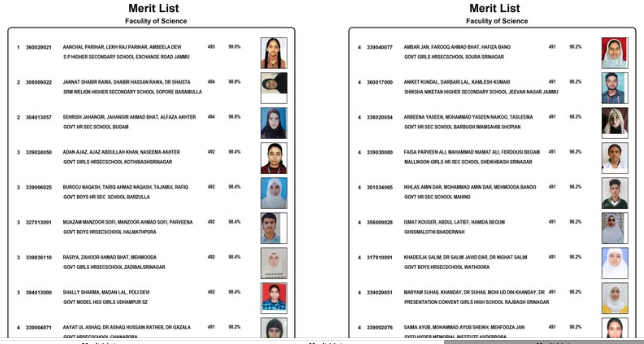
    Anantnag, J&K (Indian administered Kashmir): In a remarkable academic achievement from Indian-administered Kashmir, Sheyrub Parvaiz, daughter of Parvaiz Ahmad Najar from KP Road, Anantnag, has secured the 4th position in the Commerce stream in the recently declared JKBOSE (Jammu & Kashmir Board of School Education) examinations for Class 12.

    Sheyrub scored an impressive 492 out of 500 marks, achieving a 98.4% overall score, placing her among the top-performing students across the Kashmir Valley.

    She received her academic coaching from ACIT, KP Road, a local institute in Anantnag known for nurturing young talent. Her success comes at a time when students across the region continue to face severe challenges, including political instability, internet disruptions, and a constrained educational environment under Indian administration.

    The Jammu & Kashmir Board of School Education (JKBOSE), which operates under the education department of the Indian-administered region, has been the primary examining body for students in the valley.

    Sheyrub’s outstanding result has brought pride not only to her family and community but also serves as a testament to the resilience and dedication of Kashmiri students who pursue academic excellence despite systemic obstacles.

    “It’s a moment of joy and reflection. Our youth are full of potential—they just need support and peace,” a local educator from Anantnag commented.

    As Kashmir continues to be entangled in a prolonged conflict, achievements like Sheyrub’s highlight the undeterred spirit of the valley’s younger generation, committed to building a better future through education and determination.

    JKPNP Holds Labour Day Events and Anti-War Protests in Bagh and Mirpur

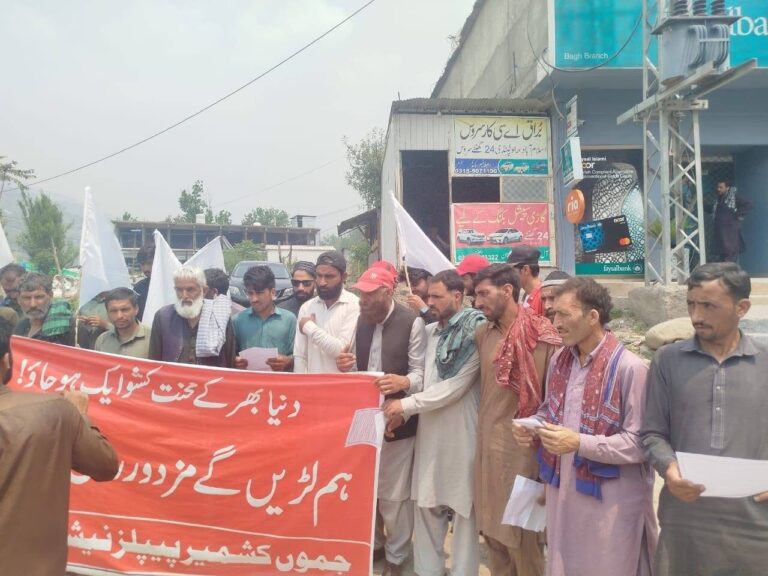
    Bagh / Mirpur, AJK (Pakistan administrated Kashmir): — On International Labour Day, the Jammu Kashmir People’s National Party (JKPNP) held a series of events and peaceful demonstrations in Pakistan-administered Jammu & Kashmir, including the districts of Bagh and Mirpur. The events focused on workers’ rights, regional peace, and growing concerns over the impact of militarization on everyday life in both side of the Ceasefire Line in Kashmir.

    In Bagh, JKPNP’s local branch organized a symbolic peace rally at Azadi Chowk, where party members stood in solidarity with daily wage laborers. The rally served both as a tribute to the working class and a protest against the increasing war rhetoric in the region. Pamphlets highlighting the socio-economic struggles faced by Kashmiri laborers under occupation and conflict were distributed, and party members engaged directly with workers to listen to their concerns.

    Similar Labour Day commemorations were held in Mirpur, where JKPNP emphasized the link between social justice and the broader struggle for Kashmiri rights and self-determination. Participants condemned the regional war narrative, stressing that it is the ordinary people especially workers—who bear the heaviest burden of conflict and political stagnation.

    JKPNP leaders reiterated that lasting peace in South Asia cannot be achieved without addressing the political aspirations of the Kashmiri people. They stressed that the working class, often neglected in high-level diplomacy, remains central to any vision of a just and liberated society.

    “The voices of our workers are not separate from our struggle—they are at its heart,” a JKPNP representative stated during the Bagh rally. “Peace and dignity for Kashmiris cannot exist alongside occupation and war.”

    As Kashmir continues to navigate complex geopolitical realities, JKPNP’s May Day actions served as a reminder that the region’s future must be built not on military might, but on justice, equality, and the aspirations of its people.

    Israel Fire Crisis: Historic Wildfire Forces Evacuations Near Jerusalem

    Israel battles “largest fire in history” as flames threaten occupied East Jerusalem outskirts

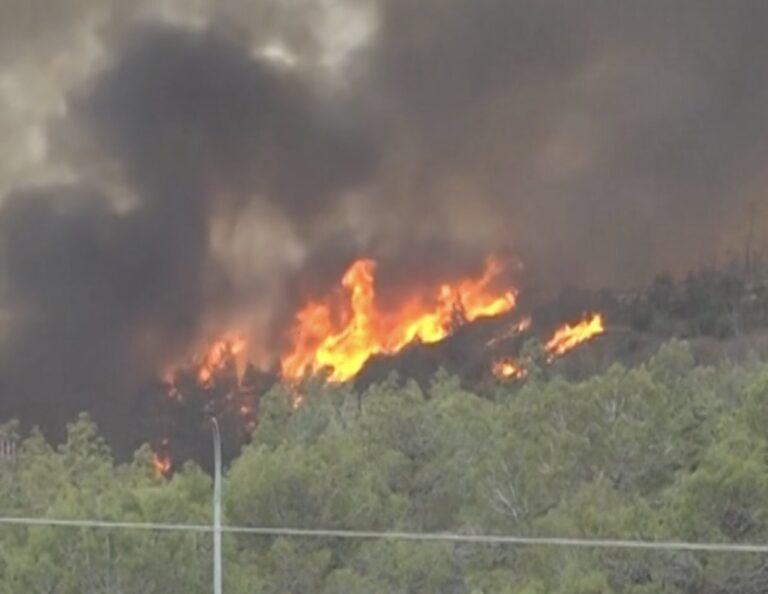
    TEL AVIV – Israeli authorities have declared a national emergency as an unprecedented wildfire continues to rage uncontrollably in the hills surrounding occupied Jerusalem, forcing mass evacuations and international calls for assistance.

    Crisis Escalates

    The fire, which began at approximately 9:30 AM local time, has rapidly expanded due to strong winds, with officials warning it could become the most devastating blaze in Israel’s history. Over 120 firefighters, supported by aircraft and military personnel, are struggling to contain the flames as they spread toward residential areas.

    Key Developments:

    • Evacuations Ordered: Residents in multiple neighborhoods near Ein Kerem and West Jerusalem have been instructed to leave immediately.
    • International Aid Requested: Israel’s Foreign Minister has appealed to Greece, Italy, Bulgaria, Croatia, and Cyprus for firefighting assistance.
    • Casualties Reported: Emergency services have treated 22 individuals, with 12 hospitalized for smoke inhalation and burns.

    Political and Social Impact

    The disaster struck on Israel’s Memorial Day for fallen soldiers, leading to the abrupt cancellation of tomorrow’s Independence Day celebrations. The timing has amplified national distress, with the fire now dominating public attention.

    Concerns for Palestinian Residents

    While the fire primarily threatens Israeli-controlled areas, smoke and emergency operations have raised alarms for Palestinian communities in occupied East Jerusalem, where infrastructure for disaster response remains inadequate.

    Global Response

    Several countries are assessing Israel’s request for aid, while Palestinian civil defense teams have offered support despite ongoing political tensions. Environmental experts warn that climate change-induced droughts have increased wildfire risks across the region.

    Ongoing Coverage

    Firefighting teams are working through the night, but officials caution that shifting winds could worsen the situation. Air quality alerts have been issued for central Israel as thick smoke blankets the area.

    This is a developing story. Updates will follow as more information becomes available.

    Follow us for real-time updates on this emergency.

    How to Plan a Family Trip to Kashmir: A Comprehensive Guide for International and Local Travelers

    Kashmir, often described as “Paradise on Earth,” has long captivated travelers with its stunning landscapes, rich heritage, and a tapestry of cultural traditions. However, for many, the idea of planning a family trip to Kashmir still comes with questions and concerns. This detailed guide is designed to help both international visitors and local families learn “how to plan a family trip to Kashmir,” ensuring an safe, enjoyable, and memorable journey through one of the most disputed yet enchanting regions in the world.

    In this comprehensive article, we cover:

    • The allure of Kashmir as a family travel destination
    • Essential steps to plan your trip, from visas to itineraries
    • Safety tips given the unique geopolitical context
    • Must-see attractions and recommended itineraries for various family types
    • Travel, accommodation, and dining suggestions for all budgets
    • Cultural insights and reconciling local perspectives with international interest

    By the end of this guide, you will have all the necessary information to embark on a journey that is both fulfilling and culturally enriching.

    1. The Allure of Kashmir: Why It’s the Perfect Family Destination


    Kashmir has earned its reputation as one of the world’s most beautiful regions. Surrounded by majestic mountains, pristine lakes, and verdant valleys, Kashmir offers visitors an experience that combines natural splendor with rich cultural history. Families can enjoy:

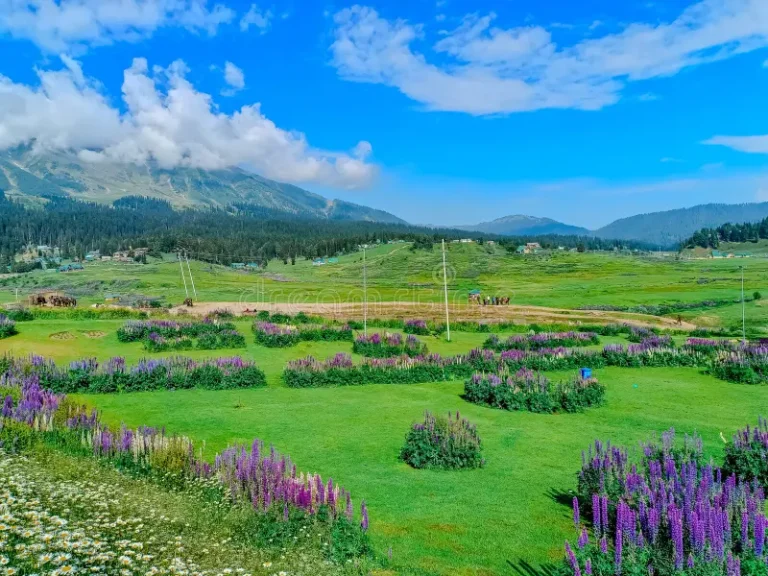
    • Scenic Landscapes: From the shimmering Dal Lake in Srinagar to the captivating meadows of Gulmarg, the region is a feast for the eyes.
    • Cultural Diversity: Kashmiri culture is a blend of ancient traditions and modern adaptations. Local festivals, handicrafts, and culinary delights provide a window into the area’s storied past.
    • Outdoor Adventures: For families with active members, activities like trekking, skiing in Gulmarg, and boating on the lakes promise both excitement and bonding moments.
    • Peaceful Retreats: Despite its history as a disputed area, many parts of Kashmir nowadays offer tranquil settings ideal for family relaxation and recharging away from urban chaos.

    The keyword “how to plan a family trip to Kashmir” resonates with many who wish to explore this magical region without compromising safety and comfort.

    2. Understanding the Geopolitical Context


    It is important to note that Kashmir is a disputed region with ongoing political complexities. Both international travelers and locals should be aware of the situation:

    • Safety and Security: Before planning your journey, check the latest travel advisories issued by your country’s government and consult local news outlets. Websites like the Ministry of External Affairs or travel forums can offer updated insights.
    • Local Sensitivities: Kashmir’s history is intertwined with political narratives. Respect local customs, participate in cultural exchanges, and be mindful of your surroundings.
    • Travel Insurance: Given the dispute in the region, it is advisable to secure comprehensive travel insurance that covers political risks, emergencies, and medical care.

    By staying informed and respectful, families can enjoy a rich and rewarding experience without interfering with local dynamics.

    3. Step-By-Step: How to Plan a Family Trip to Kashmir


    Planning a family trip to Kashmir involves several key steps, from booking flights and accommodations to creating an itinerary that suits different interests. Here’s a detailed breakdown:

    3.1 Research and Preparation


    Start with comprehensive research:

    • Destination Research: Read travel blogs, watch documentaries, and consult travel forums to understand what Kashmir has to offer.
    • Travel Advisory and Updates: Regularly check for travel advisories from both local authorities and international agencies. Subscribing to local news updates can also help you stay informed about any political shifts.
    • Budgeting: Plan your budget to include airfare (if you are an international traveler), local transportation, accommodation, food, and entrance fees to attractions.
    • Vaccinations and Health Check-ups: Consult your healthcare provider for any necessary vaccinations or medications, especially if traveling with young children or elderly family members.

    3.2 Visa and Documentation


    For international travelers:

    • Visa Requirements: Ensure your passport is valid for at least six months. Apply for an Indian visa online or through your nearest consulate. In some cases, special permits may be needed for certain areas in Kashmir.
    • Supporting Documents: Keep copies of your travel itinerary, hotel bookings, and travel insurance handy. It is beneficial to have both physical and digital copies of all important documents.

    For local travelers:

    • Local Identification: Most Kashmiri families already have the necessary identification documents. However, be prepared with additional documents if you plan to visit restricted areas or border markets.

    3.3 Booking Flights and Local Transportation


    • Air Travel: Srinagar International Airport is the main gateway for air travel. Book your flights well in advance, especially during peak tourist seasons (spring and autumn are ideal for family trips).
    • Local Transportation: Options include taxis, rental cars, and even local buses. For comfort and flexibility with children, hiring a private car can be advantageous.
    • Rail Options: While road and air are the most common ways to travel, there are also rail services connecting major cities. Ensure to check updated schedules if you’re considering a train journey.

    3.4 Selecting Accommodation


    Choosing the right place to stay will define your overall experience:

    • Hotels and Resorts: Many hotels in Srinagar, Gulmarg, and Pahalgam offer family-friendly amenities, such as spacious rooms, play areas, and in-house dining options. Look for establishments with a reputation for safety and cleanliness.
    • Houseboats: For a unique experience, consider staying in a traditional houseboat on Dal Lake. This option provides a blend of culture and relaxation, with breathtaking lake views.
    • Homestays and Guesthouses: These can offer more personalized experiences, ideal for those who prefer a local touch and wish to interact with the Kashmiri community.

    3.5 Crafting the Itinerary: A Blend of Adventure, Culture, and Leisure


    A balanced itinerary should cater to various interests:

    • Day 1-2: Srinagar Exploration
      • Sightseeing: Begin with a shikara ride on Dal Lake. Visit Mughal Gardens such as Shalimar Bagh and Nishat Bagh.
      • Cultural Immersion: Explore local bazaars and sample traditional Kashmiri cuisine.
    • Day 3: Gulmarg Day-Trip
      • Outdoor Activities: Enjoy cable car rides to Apharwat Peak and engage in skiing or trekking if the season permits.
      • Relaxation: Spend an evening enjoying the cool mountain air and panoramic views.
    • Day 4: Pahalgam and Adventure
      • Family Adventure: Visit Betaab Valley for lush landscapes and fun outdoor activities. Arrange guided treks suitable for families.
      • Cultural Stops: Visit local villages to understand the rural lifestyle and try authentic Kashmiri handicrafts.
    • Day 5: Heritage and Farewell
      • Historical Sites: Visit ancient temples and shrines that depict the region’s rich spiritual heritage.
      • Relaxation and Reflection: Use the last day to relax, enjoy a local spa or cultural performance, and recap cherished moments.

    Customize the itinerary further based on family preferences and seasonal weather conditions.

    4. Family-Friendly Attractions in Kashmir


    This section highlights attractions and activities that cater specifically to families:

    4.1 Dal Lake: The Heart of Srinagar


    A trip to Kashmir is incomplete without visiting Dal Lake:

    • Shikara Rides: A gentle boat ride on the shimmering lake is perfect for children and seniors alike. Shikara rides offer a serene experience, capturing the essence of Kashmiri beauty.
    • Houseboats: Staying on a houseboat is an unforgettable experience that offers a blend of comfort and tradition.

    4.2 Mughal Gardens: A Walk Through History

    The most awaited season in Jammuand Kashmir sets in the month of September .It is autumn,the season of mists and mellow fruitfulness. Every thing turns to gold. The sight of the landscape has a magnetic appeal then. The red carpeted gardens are a treat to the eyes. Sounds and smells of this idyllic land ,vibrant valleys,the rustle of the fallen leaves, the fragrance of flowers are there to enchant you.


    The Mughal Gardens are ideal for leisurely walks while imparting lessons on history and architecture:

    • Shalimar Bagh and Nishat Bagh: These gardens showcase Mughal horticultural brilliance and are excellent spots for picnics.
    • Local Legends: Educate your family about the unique stories behind each garden, making history come alive for young minds.

    4.3 Gulmarg: The Adventure Hub


    Gulmarg is synonymous with outdoor adventure:

    • Skiing and Snowboarding: In winter, the snow-covered slopes are a haven for skiing enthusiasts. Family-friendly ski lessons are available.
    • Cable Chair Rides: The Gulmarg Gondola offers breathtaking views and a thrilling ride suitable for older children and adults.
    • Nature Walks: For families not inclined towards adrenaline-pumping activities, leisurely walks in the pristine meadows provide serene escapes.

    4.4 Pahalgam: Nature and Culture Combined


    Ideal for families, Pahalgam offers a mix of natural beauty and cultural richness:

    • Betaab Valley: Known for its expansive meadows and crystal-clear streams, this valley is perfect for photography and relaxation.
    • Local Crafts and Markets: Engage in shopping for locally made handicrafts, providing an insight into Kashmiri art and tradition.
    • Wildlife Encounters: Arrange a safe visit to nearby wildlife sanctuaries to enjoy the natural flora and fauna.

    4.5 Festivals and Local Events


    Keep an eye on local cultural calendars:

    • Festivals: Participating in local festivals or cultural events can be an enriching experience that showcases the traditions, dances, and music of Kashmir.
    • Local Cuisine Events: Experiencing a traditional Kashmiri Wazwan (feast) can be both educational and delicious, offering insights into the culinary heritage of the region.

    5. Navigating Logistics: Practical Tips for International and Local Travelers


    Organizing a family trip to Kashmir requires attention to many logistical details:

    5.1 Health and Safety Precautions


    • Medical Facilities: While major cities like Srinagar have reputable hospitals and clinics, always carry necessary medications and a basic first aid kit.
    • Travel Insurance: Secure a robust travel insurance policy to cover medical emergencies and unexpected cancellations. This becomes even more important given the region’s unique security situation.
    • Local Guidance: Engage local tour operators or guides who are familiar with the current ground realities. They can offer insights into safe areas and provide immediate assistance if necessary.

    5.2 Commercial and Currency Considerations


    • Currency Exchange: While the Indian Rupee is the standard currency, it is advisable for international travelers to exchange money before arrival or use official exchange counters at the airport.
    • Cash and Card Use: Although major establishments accept credit cards, local markets and smaller vendors may deal only in cash. Keep an adequate amount of cash handy.

    5.3 Communication and Connectivity


    • SIM Cards and Internet: Purchase a local SIM card at the airport for better connectivity and navigate your trip using local apps like Zomato for food or Ola for local transport.
    • Language Help: While Urdu and Kashmiri are widely spoken, English is commonly understood amongst the younger demographics and in tourist areas. Basic phrases in Kashmiri or Urdu can enhance your interactions with locals.

    5.4 Packing and Weather Considerations


    • Seasonal Packing: Kashmir experiences varied weather. In summer, pack light cotton clothing, sun hats, and sunscreen. In winter, essential items include warm clothes, gloves, and scarves.
    • Essential Gadgets: Don’t forget travel adapters, power banks, and digital cameras to capture the scenic beauty of the valley.

    6. Capturing the Essence: Cultural and Culinary Experiences


    The trip is not just about sightseeing. It’s equally about embracing the culture and savoring the flavors unique to Kashmir.

    6.1 Kashmiri Cuisine: A Taste of Tradition


    Kashmiri food is a vibrant amalgamation of spices, techniques, and culinary traditions:

    • Signature Dishes: Enjoy famous dishes like Rogan Josh, Gushtaba, and the delicately spiced Yakhni. Local bakeries also offer traditional pastries that are perfect for family snacks.
    • Street Food: Explore Srinagar’s bazaars to sample local street foods such as kokanee (a type of pastry) and various kebabs.
    • Family-Friendly Dining: Many restaurants provide an ambient setting with options for both traditional Kashmiri cuisine and Western fare, ensuring there is something for every family member.

    6.2 Arts, Crafts, and Local Music


    Kashmir’s artistic heritage is as rich as its landscapes:

    • Handicrafts: Visit local markets to purchase Pashmina shawls, papier-mâché items, and intricate wood carvings. These make perfect souvenirs and gifts.
    • Cultural Performances: Attend live music and dance performances that showcase traditional Kashmiri folklore and Sufi influences.
    • Art Galleries and Museums: Explore galleries in Srinagar and other cities to discover local art that tells the poignant stories of the region’s history and dreams.

    7. Behind the Scenes: Insights from Local Experts and Tour Operators


    Local tour operators and cultural scholars offer valuable perspectives that can greatly enhance your trip:

    • Expert Advice: Many local travel experts have published guidebooks and blogs detailing safety tips, hidden gems, and the best times to visit Kashmir. Reach out to reputed local agencies for detailed itineraries customized to your family’s needs.
    • Community Engagement: Opt for tours that involve community engagement, such as visits to local craft centers or culinary tours. Such experiences enrich your travel while supporting local economies.
    • Sustainable Tourism: Embrace eco-friendly and sustainable tourism practices by choosing accommodations and tours that are conscious of environmental and cultural preservation.

    8. The Final Checklist: Making Your Family Trip to Kashmir Unforgettable


    Before setting off on your trip, here is a succinct checklist to ensure you have everything in order:

    • Travel Documents: Visa, passport, insured documents, and itineraries.
    • Health Kit: Medications, first aid kit, and health insurance details.
    • Currency: Sufficient cash, international credit cards, and a local SIM card.
    • Personal Essentials: Clothing based on season, electronic gadgets, camera, and travel adapters.
    • Local Guides: Book tours or hire reliable local guides for ease and enhanced safety.
    • Emergency Contacts: Save local emergency numbers, your country’s embassy contact, and local tour operator details.
    • Itinerary Printouts: Keep printed copies of your schedule, accommodation details, and contact numbers.

    9. Embracing the Journey: A Family Affair in a Land of Contrasts


    Planning how to plan a family trip to Kashmir offers a chance to create lifelong memories as you explore one of the world’s most complex yet mesmerizing regions. Whether you are an international visitor eager to experience the natural beauty and cultural richness or a local family looking to reconnect with your roots in a rapidly changing world, Kashmir has something unique to offer.

    As this guide has shown, successful travel preparation involves thorough research, adherence to safety protocols, and a well-structured yet flexible itinerary. The balance of adventure, cultural immersion, and relaxation can turn the trip into an unforgettable affair—one that not only strengthens family bonds but also broadens your understanding of a land steeped in history and natural wonders.

    10. Conclusion: Your Journey Awaits


    In conclusion, understanding “how to plan a family trip to Kashmir” means equipping yourself with the right knowledge, tools, and mindset. Kashmir invites you to explore its majestic landscape, engage with its rich cultural heritage, and be part of a narrative that blends modern discovery with historical depth.

    For international and local travelers alike, family travel in Kashmir is more than just a vacation; it is an immersive journey where every winding road, every friendly smile, and every shared meal recounts a story of resilience, beauty, and hope. As you set forth to explore this living paradise, remember that being informed is the first step to enjoying a rich travel experience that honors both the spirit of your family and the legacy of Kashmir.

    Kashmir January 1990: Unraveling the Turbulence, Tragedies, and Transformations

    Kashmir has long been at the crossroads of history and conflict. Among the many chapters that define this region, January 1990 stands out as a turning point, an epoch marked by political upheaval, communal discord, and a profound human tragedy. This article offers an in-depth exploration of “Kashmir January 1990,” a period that reshaped the social, political, and humanitarian fabric of the valley and continues to influence its present-day narrative.

    The roots of the Kashmir conflict stretch back decades, influenced by political ambitions, cultural disputes, and the fallout of colonial legacies. In the wake of the 1947 partition of India, disputes over territorial claims and self-determination became pronounced. Over time, unresolved tensions culminated in a series of events that would eventually lead to the tragic events of January 1990.

    During the late 1980s, Kashmir was already simmering with discontent. The 1987 state elections, tainted by allegations of electoral fraud and political manipulation, deeply undermined the trust that the Kashmiri people had in their governance. As many residents perceived the elections as a deliberate ploy to suppress their democratic rights, deep-rooted frustrations began to surface.

    By 1989, these political rancors had given way to a growing militancy, largely led by the Jammu and Kashmir Liberation Front (JKLF). Many young Kashmiris, disillusioned by a sense of systemic injustice, began embracing armed struggle as a perceived pathway to reclaiming their rights. Against this backdrop, January 1990 emerged not as an isolated event but as the culmination of years of mounting grievances.

    The Unfolding of Events: A Timeline of Turmoil in January 1990

    The events of January 1990 in Kashmir were not the result of a single incident; instead, they were a series of interlinked episodes that rapidly escalated into full-blown violence. Below is a detailed timeline highlighting the key episodes that have defined “Kashmir January 1990” as a historical inflection point.

    1. The Exodus of Kashmiri Pandits: January 19, 1990

    On January 19, 1990, Kashmir witnessed one of its most heart-wrenching episodes. Driven by a maelstrom of fear and orchestrated by campaigns of hate, Kashmiri Pandits the long-established Hindu community in the valley—were mercilessly targeted. Announcements from local mosques and widespread hate propaganda demanded that Pandits either convert to Islam, leave the valley, or face violent reprisals. This led to the forcible exodus of approximately 90,000 to 100,000 Kashmiri Pandits, forever altering the demographic and cultural landscape of the region.

    2. Mass Protests and Clashes: January 21, 1990

    In the immediate aftermath of the targeted exodus, tensions reached a boiling point. On January 21, 1990, thousands of demonstrators gathered at strategic locations, including the iconic Gawkadal Bridge in Srinagar. The protests, initially a reaction to political arrests and allegations of widespread human rights abuses, soon transformed into violent clashes. The scene at Gawkadal Bridge remains etched in the collective memory of Kashmiris as a symbol of both resistance and profound despair.

    3. The Hindwara Massacre: January 25, 1990

    January 25, 1990, marked yet another horrific episode. In the locality of Hindwara, large-scale protests erupted aiming to demand accountability for the extrajudicial actions that had already claimed numerous lives. The ensuing clashes resulted in what is widely referred to as the Hindwara Massacre. Eyewitness reports from the day recount scenes of chaos as crowds were met with a heavy-handed response from state forces, further deepening the sense of malaise and entrenching fears among the civilian population.

    4. The Raulpur Incident: Another Tragic Day

    Also on January 25, an incident in the Raulpur area of Srinagar added another tragic layer to the month’s narrative. In a surprising turn of events, an operation targeted members of the Indian Air Force stationed in the region. In this tragic episode, 4 air force personnel lost their lives while 10 others were injured. This event not only inflamed local sentiments but also escalated the military and political stakes involved in the conflict.

    The Human Dimension: Stories from Kashmir January 1990

    Quantifying the human cost of conflict often falls short of encapsulating the true depth of suffering. The events of Kashmir January 1990 are replete with personal stories of loss, survival, and resilience. Countless Kashmiri families continue to bear the scars of that tumultuous time.

    Survivors recall a day when normal life dissolved into chaos; entire communities were uprooted, and the bonds of trust that once held neighborhoods together were irrevocably shattered. The mass migration of Kashmiri Pandits, in particular, has left a lasting void—a poignant reminder of what happens when fears and hostility dominate civic life.

    In subsequent years, the psychological impact of the violence has had profound effects on the collective psyche of the region’s inhabitants. Efforts by local NGOs and international humanitarian organizations have been critical in providing mental health support and fostering communal reconciliation, though the scars remain deep and raw.

    Political Implications: Reshaping the Regional Landscape

    The far-reaching consequences of Kashmir January 1990 went beyond immediate human suffering to influence political dynamics in the region. The upheaval fundamentally altered the relationship between the Kashmiri populace and the state apparatus.

    Erosion of Faith in the Political Process

    The tarnished electoral process of 1987 and subsequent events led to a severe erosion of trust in public institutions. The Kashmiri people, disillusioned by what they perceived as systematic neglect and blatant manipulation, lost faith in democratic processes. This loss of trust was pivotal in propelling a segment of the youth toward militancy, further complicating the political landscape.

    The Rise of Militancy and Its Aftermath

    The events of January 1990 accelerated the rise of militant organizations in Kashmir. The mass exodus of Kashmiri Pandits and the subsequent violent protests created an atmosphere where radical ideologies thrived. Militancy, backed by both internal and external factors, became a rallying cry for those who felt marginalized. This period marked the beginning of a sustained era of insurgency that would continue to shape Kashmir’s future for decades.

    Policy Shifts and Government Actions

    In the aftermath of the upheaval, the government was forced to reconsider its approach to managing the conflict. Policies were both repressive and, in some cases, conciliatory. However, attempts at reconciliation were often met with skepticism by a populace that had witnessed firsthand the brutal consequences of state intervention. The failure to adequately address underlying political grievances contributed significantly to the ongoing cycles of unrest.

    Economic and Social Consequences: The Ripple Effects

    Beyond the immediate political and human toll, the events of Kashmir January 1990 cast long shadows on the region’s economic and social structures.

    Economic Disruption and Loss of Livelihoods

    The constant state of uncertainty and violence significantly disrupted normal economic activities in Kashmir. Commercial activities came to a near standstill. Agriculture, which had long been a cornerstone of the regional economy, suffered immensely due to displacement and instability. Moreover, the once-flourishing tourism industry—a critical source of revenue—was decimated by the rampant insecurity. The economic fallout compounded the existing distress, making recovery an uphill struggle for local communities.

    Social Fabric: A Community in Mourning

    The social impact of the events is just as profound as the economic and political consequences. Traditional community bonds were weakened, and longstanding social structures faced unprecedented stress. Families were divided, entire communities found themselves isolated, and a pervasive sense of mistrust spread across the societal landscape. The loss of cultural heritage—especially that of the Kashmiri Pandits—represents an irreplaceable void in the region’s diverse tapestry.

    Education, Culture, and the New Generation

    While the immediate aftermath brought a halt to educational and cultural activities, the resilience of the Kashmiri people eventually paved the way for a gradual revival. Educational institutions, though slow to recover, emerged as bastions of hope and reform. The younger generation, now fully aware of their historical legacy, began to reimagine a future where their heritage could thrive alongside modern aspirations.

    Cultural production, including literature, music, and visual arts, began to take on a new role. Artists and intellectuals used their platforms to critique past injustices and explore pathways toward reconciliation. This cultural renaissance not only served as a medium for healing but also played a vital role in redefining the region’s identity for the global stage.

    International Response and Media Coverage

    The international community’s gaze was firmly fixed on Kashmir during this period. The events of January 1990, encapsulated by the keyword “kashmir january 1990”, resonated far beyond the borders of the subcontinent. Global media outlets reported extensively on the humanitarian crisis and the political turmoil engulfing the region.

    Media Narratives and Global Perspectives

    International journalists brought attention to the plight of the Kashmiri people, often providing contrasting narratives to those prevalent in local discourse. Major newspapers, television networks, and online platforms highlighted not only the violent outbreaks but also the underlying causes—such as the erosion of democratic processes and systemic discrimination.

    While international media coverage played a crucial role in garnering global support, it sometimes risked oversimplifying a deeply complex situation. Independent news outlets based in Kashmir have since made it their mission to offer nuanced perspectives that give voice to local realities. This balanced reportage is essential in a world where one-dimensional narratives can obscure the subtleties of Kashmir’s ongoing struggle for justice and dignity.

    Diplomatic and Humanitarian Interventions

    In response to the unfolding crisis, several international organizations and foreign governments engaged in diplomatic efforts, calling for dialogue and reconciliation. Humanitarian agencies were dispatched to provide immediate relief, deliver much-needed medical aid, and assist in the resettlement of displaced populations. However, while these efforts helped alleviate some of the immediate suffering, they also underscored the need for a long-term political solution that addresses the root causes of the conflict.

    The Struggle for Justice and Reconciliation

    The aftermath of Kashmir January 1990 has left a legacy of unresolved questions and enduring pain. For many Kashmiris, the events of that period remain a profound reminder of the cost of political intransigence and the brutal consequences of unchecked violence.

    Demanding Accountability

    One of the most pressing issues in the post-January 1990 era has been the quest for accountability. Families continue to seek justice for the loss of their loved ones, and many remain haunted by the absence of a comprehensive truth and reconciliation process. The demand for an impartial investigation into the human rights abuses during that period remains a potent rallying cry for activists and survivors alike.

    Efforts to document these abuses have taken various forms—from grassroots initiatives to international legal campaigns. The hope is that by unearthing and acknowledging the full truth of what transpired during those fateful days, a foundation can be laid for genuine healing and restoration of trust.

    Initiatives for National Healing

    Local civil society organizations and humanitarian groups have long stressed the importance of initiating a structured truth and reconciliation mechanism. Such a process would involve open dialogue with survivors, a commitment to documenting historical injustices, and steps toward legal redress. While the political will required to implement these measures has often been in short supply, there is a growing consensus that reconciliation is essential for any renewed hope of lasting peace.

    Community-led initiatives have emerged as a beacon of hope. Local peace committees, cultural forums, and educational projects have all served to create spaces where dialogue can replace enmity and where collective memory is used as a tool for healing rather than division.Economic Revival and the Road Ahead

    As Kashmir continues to grapple with the legacy of January 1990, efforts to rebuild its economy and restore normalcy have taken center stage. The region’s natural resources, its rich cultural heritage, and the indomitable spirit of its people all offer promising avenues for renewal.

    Revitalizing Key Sectors

    The long-term recovery of Kashmir hinges on the revitalization of its key economic sectors, notably agriculture and tourism. Progressive initiatives aimed at modernizing agricultural practices, ensuring fair market access, and supporting local farmers are crucial steps toward economic stabilization. Similarly, reigniting the tourism sector can not only generate vital revenue but also reintroduce the world to the unparalleled beauty of Kashmir.

    Governmental and non-governmental organizations are working in tandem to create a conducive environment for economic growth. Infrastructure redevelopment projects, enhanced connectivity, and targeted financial support are all part of a broader strategy to rebuild a war-torn economy. While the road to recovery is fraught with challenges, the resilience demonstrated by the people of Kashmir in the aftermath of January 1990 fuels optimism.

    Empowering the Next Generation

    Central to Kashmir’s future is the empowerment of its youth. Education, skill development, and access to global opportunities can lay the foundation for a more dynamic and inclusive society. With a focus on innovation and entrepreneurship, many young Kashmiris are harnessing digital technologies to create new business opportunities and challenge stock narratives of conflict and despair.

    Initiatives led by local educational institutions, in collaboration with international partners, aim to create a generation that is not defined by the past but is equipped to build a prosperous and just future. Invested in creative arts, technology, and civic activism, the youth of Kashmir are emerging as the torchbearers of a new era. Their energy and vision offer a counter-narrative to decades of conflict, showcasing that hope and progress may well be the defining traits of post-1990 Kashmir.

    Long-Term Impacts and the Global Quest for Peace

    The repercussions of Kashmir January 1990 are still evident in the region’s governance, its social fabric, and its international relations. For those seeking to understand contemporary geopolitics, the events of this critical month serve as a case study in the dynamics of insurgency, state power, and the global fight for human rights.

    Shaping Regional Politics

    The legacy of January 1990 continues to influence regional politics in profound ways. The experience of a protracted conflict has instilled a sense of skepticism toward centralized authority among many Kashmiris. This has, in turn, catalyzed demands for greater regional autonomy and more participatory governance. While various political groups propose different solutions to these issues, the underlying call for inclusivity and accountability remains a constant.

    The transformation in local political thought has also led to a re-examination of historical narratives. There is a growing movement to revisit and rewrite the history of Kashmir in a way that acknowledges both the dark chapters and the moments of resilience. Historians, activists, and policy-makers are increasingly advocating for an integrated approach to governance—one that aligns with the aspirations of the diverse Kashmiri populace.

    Global Solidarity and Advocacy

    Internationally, the events encapsulated by the term “kashmir january 1990” have galvanized advocacy groups, human rights activists, and global think tanks. The ongoing conversation in global forums underscores the importance of addressing long-standing grievances and promoting sustainable peace processes. As diplomatic initiatives continue to seek a resolution to the conflict, the persistent international focus serves as a reminder of the universal pursuit of justice and human dignity.

    Advocates warn that unless the historical injustices of January 1990 are fully acknowledged and addressed, the potential for future conflict will remain high. They call for comprehensive measures that not only provide reparations for past suffering but also invest in building resilient institutions designed to safeguard human rights in turbulent times.

    Reflections on Kashmir January 1990: A Timeless Lesson

    The narrative of “kashmir january 1990” is more than a chronicle of violence and displacement; it is a reflection on the cost of political inaction and the resilience of a people determined to reclaim their destiny. In many ways, the events of this turbulent period continue to serve as a somber reminder of the consequences that arise when voices of dissent are stifled and democratic institutions are undermined.

    Lessons for Future Generations

    For the new generation of Kashmiris and the broader international community, the events of January 1990 are a clarion call for vigilance against injustice. They underscore the importance of upholding democratic values, ensuring transparency in governance, and fostering a culture of accountability. The past, though fraught with pain, holds critical lessons that can guide contemporary efforts to build a more inclusive society.

    By learning from history, present-day policymakers and civil society leaders have the opportunity to chart a course toward a future where peace and prosperity are common realities rather than distant aspirations. The lessons of unity, resilience, and hope that emerged from the dark days of January 1990 continue to inspire movements that strive to bridge old divides and create a shared narrative for reconciliation.

    Embracing a New Narrative

    In the modern era, Kashmir stands at the crossroads between a tumultuous past and the promise of a renewed future. As voices from all sections of society push for transparency and holistic reform, there is a growing realization that the path ahead must be paved with collaboration, empathy, and unwavering justice. The power of storytelling—through literature, journalism, and art—is instrumental in this endeavor. By accurately documenting the events of “kashmir january 1990,” and using them as a foundation for a more equitable discourse, Kashmiri society can begin to heal old wounds and build bridges for lasting peace.

    The Enduring Relevance of Kashmir January 1990

    Kashmir January 1990 is not merely an historical footnote. It represents a pivotal juncture that reshaped the region’s destiny. The exodus of Kashmiri Pandits, the tragic clashes at Gawkadal Bridge, the Hindwara massacre, and the Raulpur incident are all chapters in a story that continues to resonate today. Each incident serves as a reminder of the high cost of discord and the urgent need for sustainable justice and reconciliation.

    Published by The Azadi Times – Bringing the multifaceted stories of Kashmir to a global audience, with a commitment to truth, justice, and reconciliation.


    Crisis Survival Guide: How Civilians Near Kashmir’s LoC Can Stay Safe Amid Escalating India-Pakistan Tensions

    0

    By: Public Safty and Crisis Desk The Times — Kashmir

    The Ceasefire line also known as Line of Control (LoC) in Kashmir remains one of the most volatile military frontiers in the world. Following the recent Pahalgam attack in Indian administered Kashmir cross-border tensions have surged, with frequent ceasefire violations, artillery exchanges, and military build-ups. According to South Asia Terrorism Portal (SATP), over 3,000 ceasefire violations were reported along the LoC between 2020 and 2023, displacing thousands of civilians.

    For Kashmiris living near the LoC, the threat of sudden conflict is an ever-present reality. With both India and Pakistan possessing nuclear capabilities, the stakes are devastatingly high. The Azadi Timss presents this neutral, fact-based crisis guide to help civilians protect themselves and their families in case of an escalation.

    1. Stay Informed — But Avoid Panic

    • Monitor trusted news sources (BBC, Al Jazeera, Reuters, UN reports, Radio Kashmir).
    • Avoid social media rumors — Misinformation spreads faster than truth in crises.
    • Emergency alerts: Follow advisories from local disaster management authorities (if available).
    • Historical context: Since 1947, Kashmir has witnessed three full-scale wars (1947, 1965, 1999) and multiple near-war crises (2001-02, 2019). Civilians must remain vigilant.

    2. Emergency Kit: What You Must Prepare

    Data from past conflicts (Kargil War, 1999; 2019 Balakot crisis) shows that displaced families often flee with no time to gather supplies. Prepare a go-bag with:

    • Documents: ID cards, land records, medical prescriptions (in waterproof bags).
    • Food & Water: At least 5 days’ worth of dry rations (biscuits, nuts, dried fruit).
    • First Aid: Bandages, antiseptics, painkillers, and any critical medications (diabetes, heart conditions).
    • Survival Gear: Flashlight, batteries, power bank, whistle, multi-tool.
    • Cash: ATMs may not work; keep small denominations.

    3. Locate Safe Zones & Evacuation Routes

    • Past shelling incidents (2020-23) have shown that interior rooms or basements offer the best protection.
    • UN-reported data: Over 500 civilian deaths occurred due to LoC shelling between 2014-2023.
    • If evacuation is necessary:
    • Move away from military installations (common targets).
    • Use pre-identified community bunkers (where available).
    • Avoid open fields and roads near the LoC.

    4. Protect Vulnerable Family Members

    • Children & elderly: Assign a family member to assist them in emergencies.
    • Persons with disabilities: Pre-plan accessible escape routes.
    • Women’s safety: Carry sanitary products and ensure safe shelter access.

    5. Community Solidarity & Avoiding Exploitation

    • Historical lesson: During the Kargil War, villages near the LoC relied on local cooperation for survival.
    • Beware of:
    • Rumors that incite panic.
    • Militarized groups pressuring civilians.
    • Scams offering fake evacuation help.
    • Document violations: If safe, record shelling damage or rights abuses for international organizations (UNHRC, ICRC).

    6. International Advocacy & Legal Protection

    • Under international law (Geneva Conventions), civilians cannot be targeted. Report violations to:
    • UN Military Observer Group in India and Pakistan (UNMOGIP).
    • International Committee of the Red Cross (ICRC).
    • Demand global attention: Share verified reports with human rights groups (Amnesty, HRW).

    Conclusion

    For Kashmiris near the LoC, survival is not just luck—it’s preparation. While the world debates geopolitics, civilians bear the cost. This guide is a tool for resilience, not fear. History has shown that Kashmiris endure, but they should not have to. Until lasting peace comes, knowledge and unity remain the best defense.Azadi Times urges all parties to prioritize civilian safety and adhere to ceasefire agreements.

    Additional Resources

    UNMOGIP Contact: [https://unmogip.unmissions.org/contact]

    Amid India-Pakistan Tensions, Flights Suspended to Gilgit-Baltistan

    0

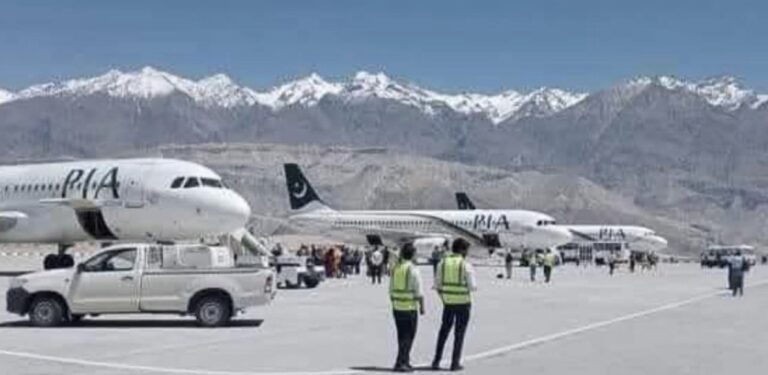
    Gilgit, Pakistan-Administered Kashmir – Aviation authorities in Pakistan have suspended all scheduled flights to and from Gilgit-Baltistan for three days amid rising military tensions between India and Pakistan. The move has effectively sealed off the only operational civilian airport in Pakistan-administered Kashmir, leaving the region’s residents cut off from the rest of the country and the world.

    Authorities have cited “precautionary measures” for the sudden closure of airspace in the northern region, which sits at the crossroads of the contested Himalayan territory. The decision comes in the backdrop of intensifying military posturing along the Line of Control (LoC), raising fears of further escalation in an already volatile area.

    A Region Left Isolated—Once Again

    Gilgit Airport, though modest in scale, serves as a vital lifeline for the people of Gilgit-Baltistan, particularly during the spring and summer months when tourism, medical travel, and educational migration peak. The airport’s closure disproportionately affects civilians who rely on limited infrastructure in a mountainous region that remains severely underdeveloped and geographically isolated.

    With no railway connectivity and treacherous road conditions that can make travel nearly impossible during seasonal shifts, the closure of air routes is not just an inconvenience — it is a suspension of basic mobility and access to essential services.

    Kashmiri Voices Call Out Militarization of Civilian Life

    In a strongly worded statement, veteran nationalist leader Baba Jan — a prominent figure in Gilgit-Baltistan’s pro-Kashmiri rights movement — condemned both India and Pakistan for treating disputed territories as battlegrounds in their ongoing rivalry.

    “Gilgit-Baltistan is not a military buffer zone. It is home to millions of people with rights, dreams, and dignity,” Baba Jan said. “If India and Pakistan are determined to engage in conflict, they must do so within the bounds of their permanent, internationally recognized borders — not in our disputed homeland, where the people have already suffered enough.”

    Baba Jan’s statement reflects a broader sentiment in the region, where many feel they are pawns in a geopolitical chess game between two nuclear-armed states. Over the years, civilians in Kashmir — on both sides of the LoC — have faced the brunt of cross-border firing, troop deployments, communications blackouts, and political disenfranchisement.

    The Airport as a Symbol of Civic Aspiration

    The Gilgit Airport’s symbolic value extends beyond travel. It is seen by many locals as a fragile link to the rest of Pakistan, but also as a potential gateway for broader international engagement. In a region that has long been kept politically marginalized, the airport stands as one of the few infrastructural assets representing a semblance of normalcy and inclusion.

    Its closure, particularly without civilian consultation or parliamentary oversight, further fuels the perception that the people of Gilgit-Baltistan and Kashmir at large remain voiceless in decisions that directly impact their lives.

    Need for a Demilitarized and Just Approach to Kashmir

    This incident has reignited calls from nationalist Kashmiri groups and civil society organizations for a demilitarized, people-centered approach to the Kashmir issue. Analysts and peace advocates stress that long-term peace in South Asia cannot be achieved through troop build-ups and airspace closures, but only through inclusive political dialogue that centers the rights and aspirations of the Kashmiri people.

    The international community, too often silent on the creeping militarization of civilian life in Kashmir, is being urged to take a more active stance. Human rights defenders argue that both India and Pakistan must be held accountable for policies that endanger non-combatants and suppress self-determination movements in the region.

    As flights remain suspended and tensions simmer, the people of Gilgit-Baltistan are once again caught in the crosshairs of history. Their demand is clear: the disputed status of Kashmir should not be used as a justification to militarize civilian spaces or to deny the people their fundamental rights.

    The airspace may reopen in a few days, but the deeper crisis — the denial of Kashmiri agency, sovereignty, and security — remains unresolved. Until that is addressed, such closures will remain not just logistical disruptions, but profound political statements about who controls the skies — and who is left grounded.

    Thrown Out of Their Own Land: Kashmiri Families Face Deportation from Kashmir Amid Statelessness Crisis

    Muzaffarabad, AJK (Pakistan-administered Kashmir): In a deeply emotional and politically charged development, the Indian government has begun deporting individuals identified as “Pakistani nationals” from Jammu and Kashmir, many of whom are women, children, and families who have been residing in Indian-administered Kashmir for years, some even decades. These are not foreign infiltrators or illegal settlers. These are human beings many born in Kashmir, married in Kashmir, raising children in Kashmir now being forcibly removed from their homes in the name of administrative legality.

    The deportations, carried out by Indian police forces in areas such as Baramulla, have drawn outrage from civil society and human rights defenders, especially in the context of unresolved political tensions in the region. A bus carrying over 25 individuals, mostly women and children, was seen departing from Jammu and Kashmir, escorted by security officials, toward the Wagah-Attari border for expulsion to Pakistan.

    “I have children here, and my husband works in Saudi Arabia.”

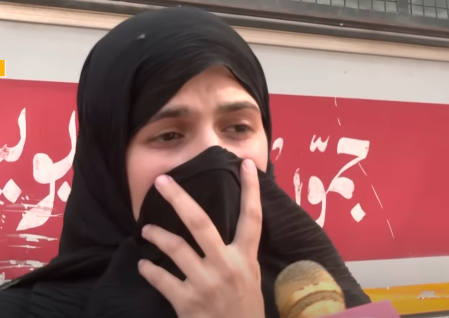
    One of the deportees, Afzala, is originally from Muzaffarabad, the capital of Pakistan-administered Jammu and Kashmir. She came to India six years ago after marrying a man from Baramulla. For the last three years, she has been living peacefully in the region and has given birth to two daughters, one of whom is an Indian citizen by birth.

    “Our families are here. We got married here by choice. Our grandparents were also born here. But now they are forcing us to leave,” she says tearfully.

    Her youngest daughter is still an infant who depends on breast milk. The trauma of forced separation from her extended family is evident in every word she utters.

    Despite having every intention of settling legally and raising her family in Indian administered Kashmir, Afzala points out that Indian citizenship laws require seven continuous years of residency before one can apply. She has only lived in Kashmir for three years.

    “We are not outsiders—Kashmir is our home”

    Another voice in the crowd is Ghulam Rasool, whose daughter-in-law and grandchildren are also being deported. His plea raises fundamental questions about identity and belonging.

    “My daughter-in-law is from Muzaffarabad, but our ancestors are from this side. We have land here. Our roots are here. Why are we being treated like outsiders?”

    This situation challenges the very definitions of nationality and citizenship in a region that remains internationally disputed. The region of Jammu and Kashmir, administered by both India and Pakistan, is not a settled part of either country. So how can anyone born in this divided land be definitively labeled as an Indian or Pakistani national?

    A 40-Year Wait for Citizenship Ends in Deportation

    Perhaps the most striking testimony came from Praveen, a woman who has been living in India for over 40 years without ever being granted citizenship. Despite raising children, working, and contributing to society, she now finds herself on a bus bound for a place she left four decades ago.

    “I raised my kids here. My son is in Saudi Arabia. I called my daughter-in-law from Muzaffarabad for delivery. Is that a crime?”

    She laments how difficult it was to travel to Delhi in her early days—she did it for her family, for her children’s education, and now, after a lifetime of waiting, she is being told she does not belong.

    The Bigger Question: Whose Kashmir Is It?

    While Indian authorities justify the deportations as a legal procedure, claiming that these individuals overstayed after visa expirations or lacked proper documentation, the ground realities paint a more nuanced picture.

    The core issue lies in the undefined identity of Kashmiris—those born across the Line of Control (LoC), whether in Indian-administered or Pakistan-administered Kashmir. The people of Muzaffarabad, Neelum, Baramulla, Srinagar, and Kupwara share the same language, culture, bloodlines, and history. The political division between India and Pakistan does not erase their Kashmiri identity.

    How, then, can a woman from Muzaffarabad—married into a family in Baramulla—be seen as an “outsider”? What laws can override the lived reality of generations who call both sides of the border home?

    “If Muzaffarabad is part of India, as your ministers say, then why are we being deported?” asked one man, echoing the contradictions in Indian policy toward Kashmir.

    A Humanitarian Crisis in Disguise

    While media attention remains focused on security narratives and cross-border hostilities, the human side of this crisis is often forgotten. Children are being separated from their homes, women from their husbands, and families from the only lives they’ve ever known—all in a region that still awaits its promised right to self-determination under international law.

    Azadi Times calls upon human rights organizations, international legal bodies, and pro-justice advocates worldwide to take notice. Deportation of Kashmiri families is not just a legal matter—it is a humanitarian issue.

    Conclusion: Stateless in Their Own Homeland

    The tragedy of these deportations is not just in the physical removal—it is in the erasure of identity. People who see themselves as Kashmiris first are now being asked to choose between two nationalities that neither fully accepts them.

    In a region crying out for peace, these actions only deepen wounds.

    The world must ask: If Kashmiris are denied dignity, identity, and even the right to live with their families—what freedom remains?

    JKBOSE Class 12 Results Announced: Girls Outperform Boys Amid Ongoing Challenges in Kashmir

    0

    Srinagar, J&K (Indian Administered Kashmir): Female students have once again outperformed their male counterparts in annual Class 12 examinations conducted by the Jammu and Kashmir Board of School Education (JKBOSE), results showed Wednesday, continuing a decade-long trend in the disputed Himalayan territory.

    The board reported a 75% overall pass rate among the 103,308 students who appeared for this year’s examinations. While 77,311 candidates cleared the tests, approximately 970 failed to meet passing requirements.

    Key Highlights:

    • Total examinees: 103,308
    • Students passed: 77,311 (75%)
    • Girls’ pass rate: 78%
    • Boys’ pass rate: 72%
    • Approximately 970 students failed

    The disparity in performance is attributed to several factors, including higher dropout rates among boys caused by economic pressures, stronger familial support bolstering girls’ education in urban centers, and fewer distractions for female students. Nonetheless, experts warn that while urban districts such as Srinagar, Baramulla, and Anantnag showcased strong performance, rural regions, especially those near the Ceasefire line (Line of Control) continue to struggle with sporadic access to education due to infrastructural constraints and frequent disruptions.

    Read Also: Education Crisis in Azad Kashmir: Urgent Measures Required for Post-Quake Recovery

    In remote areas of Kupwara, Poonch, and other border districts, challenges persist as schools remain vulnerable to the impacts of internet shutdowns, constant militarization, and declining infrastructure, conditions that severely affect the continuity and quality of education. A teacher from Pulwama, speaking on condition of anonymity, remarked, “Our students are brilliant, but how can they compete fairly when their classrooms lack proper heating, and when schools are forced to close for months amidst shifting exam schedules?”

    Students can access their results through several channels, including the official JKBOSE website, SMS services, and designated school portals. However, access issues remain a concern due to periodic internet restrictions across certain regions.

    Despite these challenges, the excellent performance of Kashmiri students serves as a testament to their resilience and determination. The results underscore the urgent need for policy reforms aimed at bridging the urban-rural education divide and reinforcing educational infrastructure in conflict-prone zones. Advocacy groups continue to urge authorities to implement interventions that ensure uninterrupted schooling and support initiatives that harness the untapped potential of girls’ education as a transformative tool for societal change.

    Residents of Abbaspur Protest Delayed Road Construction Despite Tender Approval

      0

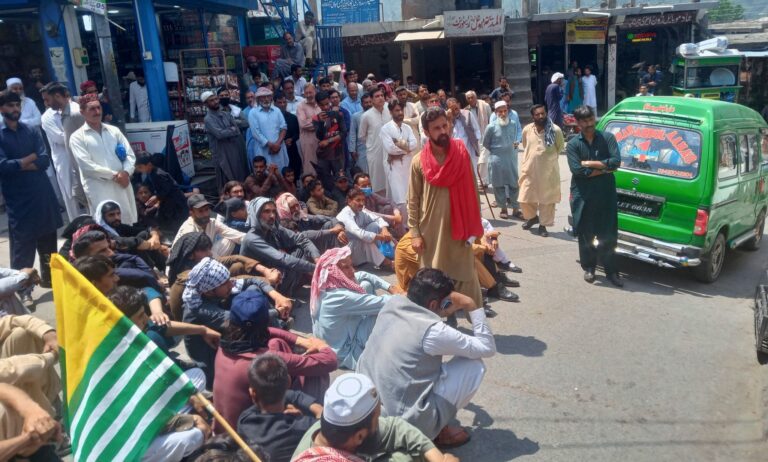
      Abbaspur, Poonch, Pakistan-Administered Kashmir – Frustrated by the prolonged delay in the construction of a crucial 6-kilometer road from Mati Post to Chattra Mor, residents of Sathwal Dhassi Ward in Union Council Chattra staged a massive protest today. Despite the tender being awarded, the stalled construction has left the community disconnected and angry, leading to a forceful demonstration.

      Peaceful March Turns Into Vocal Protest

      The protesters, led by local councilor Sardar Ehsan Shafiq, District Council candidate Sardar Mazhar Chughtai, and other public representatives, marched on foot from Mati Post to Abbaspur. Chanting slogans such as “Takbeer, Allahu Akbar!” (God is Great), “Humare Mutalibat Puri Karo!” (Fulfill Our Demands), and “Sathwal Road Ka Work Order Jari Karo!” (Issue the Work Order for Sathwal Road), the demonstrators demanded immediate action.

      The march culminated in a public gathering at Meelad Chowk, where councilors, chairmen, and local leaders from various political parties voiced strong support for the road’s construction. Protesters criticized the Pakistan-administered Kashmir government, shouting “Na-Ahal Qiyadat Murdabad!” (Down with Incompetent Leadership) and “Hukumat-e-Azad Kashmir Murdabad!” (Down with the Azad Kashmir Government).

      A Long-Pending Demand

      The Sathwal road project, vital for connectivity and economic activity, has seen repeated delays despite the tender process being completed. Locals accuse the government of negligence, leaving them stranded with poor infrastructure.

      As of the latest reports, the protest continues, with demonstrators vowing to escalate their movement unless their demands are met. The situation highlights growing public discontent over stalled development projects in the region.

      (Reporting by The Azadi Times – Kashmir)