Tuesday, March 31, 2026
18.2 C
Srinagar
Home Blog Page 86

Police Assault Journalists Covering Protest in Muzaffarabad; Press Freedom Under Threat in Kashmir

0

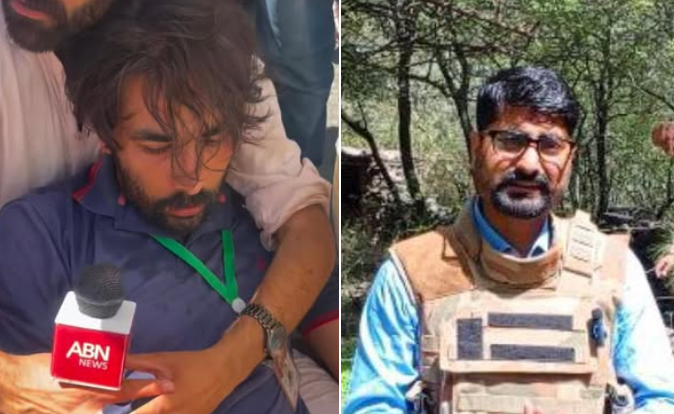
Muzaffarabad, Azad Jammu and Kashmir (AJK) — On April 28, 2025, journalists in Muzaffarabad, the capital of Pakistan-administered Azad Jammu and Kashmir, were subjected to police violence while covering a protest organized by the Maternal, Neonatal & Child Health (MNCH) employees. The incident has sparked widespread condemnation from media organizations and human rights groups, raising serious concerns about press freedom and the safety of journalists in the region.​

During the protest coverage, police forces reportedly assaulted several journalists, including Hamza Katil of ABN News, Kamran Mughal, and Muqaddas Gilani. Hamza sustained severe injuries and was promptly transported to a nearby hospital for treatment. The attack occurred as journalists were documenting the MNCH employees’ demonstration, which was part of a broader movement addressing grievances related to healthcare services and workers’ rights.​

In response to the assault, the Young Journalists Forum (YJF) and other media bodies have demanded the immediate suspension of the Senior Superintendent of Police (SSP) and Deputy Superintendent of Police (DSP) involved in the incident. They are also calling for the registration of a First Information Report (FIR) against the officers responsible for the violence. The YJF has threatened to escalate protests across the state if their demands are not met by the evening of April 28.​

The district administration, including the Deputy Commissioner, Additional Deputy Commissioner, Assistant Commissioner, and other officials, engaged in negotiations with the protesting journalists. While the administration acknowledged the journalists’ concerns and issued an unconditional apology, the initial round of talks ended in a deadlock. Both parties agreed on the need to establish a liaison mechanism for field reporters to prevent future incidents, but key demands regarding accountability and legal action remain unresolved.​

This incident is part of a broader pattern of unrest in Azad Jammu and Kashmir. In recent weeks, the region has witnessed significant protests led by the Jammu Kashmir Joint Awami Action Committee (JKJAAC), advocating for affordable electricity, subsidized wheat flour, and the abolition of elite privileges. Clashes between protesters and security forces have resulted in injuries to both civilians and police officers, with reports of teargas shelling and aerial firing by law enforcement agencies .​

Human rights organizations have expressed alarm over the increasing suppression of dissent in Pakistan-administered Kashmir. The CIVICUS Monitor highlighted the targeting of activists and journalists, increased controls on online expression, and crackdowns on protests in its recent report . These developments have raised concerns about the erosion of civil liberties and press freedom in the region.​
Civicus Monitor

As the situation unfolds, journalists and civil society groups continue to demand accountability and the protection of fundamental rights. The events in Muzaffarabad underscore the challenges faced by media professionals in conflict-affected areas and the critical need for safeguarding freedom of expression.​

The Karachi Agreement: A Critical Examination of Its Impact on Kashmir’s Struggle for Self-Determination

0

The Karachi Agreement, often overlooked in mainstream narratives, remains one of the most pivotal yet controversial documents in the history of the Kashmir conflict. Signed in the aftermath of the 1947-48 war between India and Pakistan over the princely state of Jammu and Kashmir, this agreement not only formalized administrative arrangements in regions now known as Azad Jammu and Kashmir (AJK) and Gilgit-Baltistan, (Pakistan administered Kashmir) but also laid down a framework that has had lasting repercussions on the self-determination of the Kashmiri people.

Historical Context and Background

The Partition and the Emergence of a Conflict

The disintegration of British India in 1947 set off a series of seismic political changes in South Asia. As the British departed, boundaries were suddenly redrawn, giving birth to two independent nations India and Pakistan. Amidst the chaos that ensued, the princely state of Jammu and Kashmir, ruled by Maharaja Hari Singh, became a flashpoint due to its strategic and symbolic importance. The Maharaja’s decision to get military assistance from India following the invasion of his territory by tribal militias from Pakistan led to the first Indo-Pakistani war over the region.

The ensuing conflict resulted in a United Nations-brokered ceasefire in 1948, effectively dividing Jammu and Kashmir into areas administered by India and those controlled by Pakistan. It was in this charged atmosphere that the Karachi Agreement was conceived, aiming to lay down administrative guidelines for the disputed territories.

The Birth of the Karachi Agreement

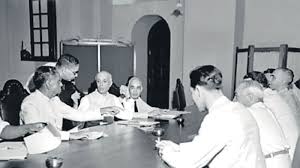
Signed on April 28, 1949, the Karachi Agreement was an effort by both Pakistan and the nascent AJK government to clarify administrative responsibilities following the bloody conflict. Key figures in its signing included Pakistan’s Minister without Portfolio Mushtaq Ahmed Gurmani, AJK President Sardar Muhammad Ibrahim Khan, and the prominent Muslim Conference leader Chaudhry Ghulam Abbas. While the agreement was technically designed to establish order and facilitate governance, its secretive nature and lack of local representation have made it a lasting symbol of disenfranchisement in the Kashmiri narrative.

Provisions of the Karachi Agreement

Transfer of Critical Powers to Pakistan

One of the most significant aspects of the Karachi Agreement was the transfer of authority over crucial domains defense, foreign affairs, and communications—from the AJK government to Pakistan’s federal authorities. This shift meant that while the AJK administration was tasked with handling internal matters, it was effectively stripped of any real power to influence decisions that affected the region’s strategic and political direction.

This centralization of power in Islamabad has been widely criticized as it sidelined the indigenous political aspirations of the Kashmiri people. By ceding authority over external matters to a distant federal government, the agreement laid the groundwork for a system where decisions with long-lasting consequences on the region were made without any direct input from the local populace.

The Controversial Transfer of Gilgit-Baltistan

Equally significant was the provision regarding Gilgit-Baltistan a region with its distinct cultural and historical identity. The Karachi Agreement effectively transferred administrative control of Gilgit-Baltistan to Pakistan’s federal government. Critics argue that this move ignored longstanding local aspirations for self-rule and further complicated the already murky question of Kashmir’s final status. Today, the ambiguous constitutional status of Gilgit-Baltistan continues to fuel debates about its political future and its role within the broader Kashmiri struggle for autonomy.

Institutionalizing a Ceasefire Line

Although not the primary focus of the Karachi Agreement, the document reaffirmed the ceasefire line that had been drawn following the UN-mediated ceasefire in 1948. This line, which would later evolve into what is known today as the Line of Control (LoC), effectively institutionalized a physical and political division of the region. For decades, this demarcation has been at the heart of violent confrontations and has compounded the humanitarian crisis in Kashmir, as communities on either side of the line have been subjected to regular military offensives and cross-border shelling.

The Detrimental Impact on Kashmir

Erosion of Self-Determination

For the Kashmiri people, the Karachi Agreement represents a significant setback in their quest for self-determination. By transferring power away from local governance structures, the agreement not only marginalized the voices of the people of Azad Jammu and Kashmir and Gilgit-Baltistan, but also delegitimized their cultural and political identity. The promise of a plebiscite—a democratic process to determine the future of Kashmir—remained unfulfilled, leaving generations without a genuine avenue to voice their aspirations.

Moreover, the agreement’s opaque formulation and its implementation without local consultation solidified a sense of exclusion. This disenfranchisement has led many Kashmiri activists and intellectuals to view the accord as a betrayal—a legal and administrative tool that paved the way for decades of political suppression and human rights violations in the region.

Militarization and Humanitarian Crisis

The long-term consequences of institutionalizing the division of Kashmir can be directly observed in the continued militarization of the region. The LoC, originally a temporary ceasefire line, has evolved into a heavily fortified boundary, with both India and Pakistan maintaining significant military presences along its length. The heavy militarization has not only stifled economic development and social advancement, but has also resulted in recurring humanitarian crises. Communities located near the demarcation line suffer constant uncertainty, facing displacement, loss of livelihoods, and a persistent threat to life all consequences indirectly linked to the administrative decisions codified in the Karachi Agreement.

Political Alienation and Legal Ambiguities

The exclusion of Kashmiri voices from the formulation of the Karachi Agreement has had enduring political consequences. The legal ambiguities surrounding the status of areas like Gilgit-Baltistan exacerbate a sense of political alienation among locals. Over the years, repeated demands for the annulment or revision of the agreement have surfaced, with local activists arguing that the document does not reflect the political will or aspirations of the affected populations.

The fragmentary nature of the political structure that emerged from the Karachi Agreement has, in effect, entrenched a dual system of governance. On one hand, Pakistan’s federal policies dominate external affairs and strategic matters; on the other, a nominal local government is left to administer routine matters without real political leverage. This division has led to chronic underdevelopment and a fragile state of democratic governance, further eroding trust in the political process.

International Perspectives and Reactions

International human rights organizations and several global policy think tanks have repeatedly criticized the secrecy and non-inclusive nature of the Karachi Agreement. By keeping its contents hidden from the public for many decades, the agreement not only undermined democratic accountability but also set a dangerous precedent for handling conflict resolution in disputed territories. Global observers argue that any agreement that permanently alters the political landscape without the input of local stakeholders is inherently flawed and unsustainable.

The Role of the United Nations

The United Nations, which played an instrumental role in brokering the ceasefire that preceded the Karachi Agreement, has long been an advocate for self-determination and transparent governance in conflict zones. However, the UN’s inability to enforce its resolutions regarding Kashmir, including the much-anticipated plebiscite, has been a subject of criticism. International agencies have frequently called on both India and Pakistan to revisit and revise the agreements that have resulted in protracted conflict, emphasizing that the rights of the Kashmiri people must not be sidelined in political negotiations.

Western and Regional Powers

Major Western powers have maintained a cautious stance regarding South Asia’s internal affairs, often balancing their strategic interests against the imperatives of democracy and human rights. While they emphasize the importance of bilateral dialogue between India and Pakistan, there is growing concern in international diplomatic circles that agreements like the Karachi Accord contribute to an imbalanced status quo that perpetuates long-term instability.

At the same time, regional players, including neighboring Central Asian nations and countries that have historical ties with Kashmir, express solidarity with Kashmiri aspirations for greater autonomy. Their endorsements underscore the need for a revisionist approach that not only addresses security concerns but also fosters inclusive political participation.

International Human Rights and Advocacy Groups

Several international human rights advocacy groups have highlighted the Karachi Agreement as a key example of administrative overreach that has facilitated political suppression in Kashmir. Reports published by these organizations document the adverse impact of the agreement on civil liberties, including restrictions on freedom of expression and assembly in the affected regions. Such reports have lent momentum to calls for an international review of the legal frameworks governing Kashmir, aiming for a resolution that upholds both human dignity and the right to self-determination.

Implications for Kashmir’s Future

As the Kashmir conflict continues to evolve, many voices both within the region and internationally—are calling for a fresh review of historical agreements, including the Karachi Agreement. For proponents of Kashmiri self-determination, revisiting such documents is not merely an academic exercise; it is a critical step toward establishing a governance model that genuinely reflects the will of the people.

Reforming the Karachi Agreement, or even annulling its most problematic provisions, might pave the way for a more balanced approach to managing Kashmir’s future. This could include constitutional reforms to integrate regions like Gilgit-Baltistan fully into a democratic framework that respects local identities and rights. The long-overdue inclusion of Kashmiri voices in the political process represents both a moral and practical necessity for lasting peace in the region.

Toward an Inclusive and Equitable Framework

For any meaningful progress to be achieved, it is essential that future negotiations on the Kashmir conflict prioritize inclusivity and transparency. Lessons learned from the Karachi Agreement underscore the pitfalls of contrived administrative divisions imposed without local consent. Building an equitable framework requires:

  • Inclusive Dialogue: All stakeholders, including representatives from AJK, Gilgit-Baltistan, and other affected communities, must have a seat at the negotiating table.
  • Reformed Legal Structures: Legal ambiguities that have plagued administrative arrangements in Kashmir must be addressed through comprehensive reform, ensuring that governance structures support rather than hinder local self-determination.
  • Accountability and Transparency: Historical documents and decisions that have shaped the region’s destiny should be open to public scrutiny, enabling affected communities and international observers to engage in meaningful debate over the path forward.

The Role of International Mediation

Given the deep-seated mistrust between India and Pakistan and the complex political dynamics at play, international mediation might be key to breaking the impasse. An independent, multilateral process could help establish norms and frameworks that ensure any resolution is both sustainable and respectful of the Kashmiri identity. Global institutions, including the United Nations and other international mediators, must play a proactive role in facilitating dialogue, offering guarantees for human rights, and promoting economic development in the region.

The Karachi Agreement of 1949 represents a turning point in the history of Kashmir—a document born out of the turbulence of partition and war which has, over the decades, contributed to the enduring challenges faced by the Kashmiri people. By shifting critical powers to a distant federal government and sidelining local voices, the agreement laid the groundwork for long-term political suppression, economic stagnation, and widespread disillusionment in Kashmir.

For those who advocate for a just and equitable resolution to the Kashmir conflict, the Karachi Agreement is not merely a historical artifact it is a living document whose legacy continues to shape the aspirations and hardships of generations. Its controversial provisions, the exclusion of local input, and its lasting impact on the governance and rights of communities in AJK and Gilgit-Baltistan underscore the urgent need for a comprehensive reassessment.

Only through an inclusive, transparent, and genuinely participatory process can the region hope to overcome the legacy of this agreement. For the Kashmiri people, whose voices have long been marginalized, the future lies in reclaiming their right to self-determination and establishing a political framework that honors their cultural, social, and historical identity.

The struggle for Kashmir is far from over, but by learning from the past and embracing a more inclusive approach to governance, there remains hope for a future where the Kashmiri people can finally determine their own destiny.

The Karachi Agreement – A Dark Chapter in the History of Gilgit-Baltistan

0

By: Ashfaq Ahmed Advocate

The geographical location of Gilgit-Baltistan holds immense strategic importance. It borders China’s Xinjiang province to the north, India-administered Jammu and Kashmir to the east, Pakistan-administered Kashmir to the south, and Afghanistan and Central Asia to the west through the Wakhan Corridor. Given its position, it has often been referred to as the “Gateway to Asia.” This geopolitical importance has made Gilgit-Baltistan a focal point of colonial powers in the past. It was part of the “Great Game” played between Russia and British India. The region became a contested area, as both British colonial rulers and Russian expansionists sought to dominate it.

Gilgit-Baltistan was historically part of the princely state of Jammu and Kashmir and, under British colonial rule, remained a part of the British Indian Empire until 1947. It was a region of considerable geopolitical interest due to its positioning and natural resources. In the context of the British Empire, it was a strategic area of focus during the colonial “Great Game” with Russia. From 1846 until 1947, Gilgit-Baltistan, alongside the rest of Jammu and Kashmir, was governed by the Dogra rulers under the suzerainty of the British Crown.

Following World War II, when colonial territories around the world began gaining independence, Gilgit-Baltistan also experienced significant changes. In the aftermath of the partition of India and the creation of Pakistan in 1947, the region found itself embroiled in the larger Kashmir dispute. On November 1, 1947, a historic event unfolded in Gilgit-Baltistan—its inhabitants launched a rebellion that ended the Dogra rule in the region, albeit briefly. This revolt lasted for only 16 days but marked the end of centuries of Dogra control over the region. British Commander of the Gilgit Scouts, Major Alexander Brown, referred to this event as the “Gilgit Uprising,” while the people of the region regard it as a significant liberation movement. However, despite the initial independence, the political landscape would soon change again.

The Karachi Agreement: A Controversial Document

From November 16, 1947, Gilgit-Baltistan came under Pakistan’s administrative control, following the Karachi Agreement signed on April 28, 1949, between the Government of Pakistan, Azad Jammu and Kashmir (AJK) Government, and the Jammu and Kashmir Muslim Conference. The Karachi Agreement has since remained a significant, albeit controversial, legal document in the history of Gilgit-Baltistan.

Over the years, the Karachi Agreement has been the subject of significant debate among legal experts, political leaders, and activists of Gilgit-Baltistan. One of the major grievances is the lack of representation from the people of Gilgit-Baltistan at the time the agreement was signed. The agreement effectively excluded any representation from the region itself. This has raised important legal and political questions: How valid is an agreement concerning a region when its people were never consulted about their future? And how does this align with the principles of self-determination?

Each year, on April 28, many in Gilgit-Baltistan protest and condemn the Karachi Agreement, calling it an illegitimate contract that was signed without the consent of the people. In fact, the agreement outlined key responsibilities of the Government of Pakistan, Azad Jammu and Kashmir, and the Jammu and Kashmir Muslim Conference, but Gilgit-Baltistan was not represented at any point in these discussions.

Provisions of the Karachi Agreement:

The Karachi Agreement defined the administrative roles and functions of the parties involved, but it also lacked an essential piece—representation from Gilgit-Baltistan. The responsibilities outlined in the agreement were divided as follows:

Part A: Responsibilities of the Government of Pakistan

  1. Defense of the region
  2. Foreign Policy in coordination with Azad Kashmir
  3. Negotiations with the UN Commission for India and Pakistan (UNCIP)
  4. Promotion of Pakistan’s international standing and public relations
  5. Coordination of refugee resettlement and logistical support for relief
  6. Public relations for the plebiscite and Kashmir-related issues under UN supervision
  7. Administrative coordination for internal issues, such as food supply, transport, medical assistance, etc.
  8. Political management of Gilgit-Baltistan and Ladakh under the political agent’s office

Part B: Responsibilities of the Government of Azad Kashmir

  1. Administering the Azad Kashmir region
  2. Overseeing the general administration of Azad Kashmir
  3. Promoting the governance and functioning of Azad Kashmir
  4. Advising Pakistan on UNCIP negotiations
  5. Developing economic resources in Azad Kashmir

Part C: Responsibilities of the Jammu and Kashmir Muslim Conference

  1. Promotion of the plebiscite in Azad Kashmir
  2. Publicity and political activities within Indian-administered Jammu and Kashmir
  3. Organizing political and refugee activities related to the Kashmir issue
  4. Initial arrangements for the plebiscite
  5. Managing plebiscite operations and ensuring their proper conduct
  6. Political activities related to Kashmiri refugees within Pakistan
  7. Advising the Government of Pakistan regarding negotiations with UNCIP

Lack of Gilgit-Baltistan Representation: A Legal and Political Issue

A critical aspect of the Karachi Agreement that remains controversial is the lack of Gilgit-Baltistan representation in the agreement. This absence has caused considerable tension, especially when it became clear that the agreement impacted the region’s future without consulting its inhabitants.

The Supreme Court of Pakistan, in a ruling on January 19, 2019, affirmed that Gilgit-Baltistan was not represented in the Karachi Agreement. The Court’s seven-judge bench, under Chief Justice Saqib Nisar, noted:

“On 28th April 1949, officials of the Pakistan Government met those of the AJK Government to ink the Karachi Agreement. Under this accord, it was agreed that the affairs of Gilgit-Baltistan would be run by the Pakistan Government. It appears that no leaders from Gilgit were included in this Agreement.”

This landmark statement by the Supreme Court firmly validated the notion that the people of Gilgit-Baltistan were never consulted or involved in the key decisions regarding their future. It confirmed that the Karachi Agreement was indeed an agreement between Pakistan and Azad Kashmir, with no direct input from Gilgit-Baltistan itself.

The Dispute Over Governance and Autonomy

Since the signing of the Karachi Agreement, Gilgit-Baltistan has been administered by Pakistan through the Frontier Crimes Regulation (FCR) and other presidential orders. These administrative arrangements have led to the region’s continued lack of autonomy, and its residents remain deprived of full constitutional rights under Pakistan’s constitution. Despite this, the Supreme Court of Pakistan has classified Gilgit-Baltistan as a disputed territory and part of the larger Kashmir conflict.

This status means that Gilgit-Baltistan has been excluded from full participation in Pakistan’s constitutional framework, which has hindered the region’s political progress. While Azad Kashmir enjoys significant autonomy and has a local constitution, Gilgit-Baltistan has not been afforded such rights. This disparity continues to fuel demands for greater autonomy, constitutional rights, and political recognition for the people of Gilgit-Baltistan.

Nationalist Movements: Rejecting the Karachi Agreement

Nationalist groups in Gilgit-Baltistan view the Karachi Agreement as a colonial-era document that disregarded their self-determination. These groups believe that the region has a distinct historical and cultural identity, and should not be treated as part of Jammu and Kashmir. They assert that Gilgit-Baltistan has its own unique national identity that predates its integration into the Kashmir dispute.

From their perspective, Gilgit-Baltistan was never part of Kashmir historically. They point out that after the 1840s, when Sikh forces and later the Dogra rulers invaded the region, the indigenous people of Gilgit-Baltistan fought back for their freedom. They eventually secured independence from Dogra rule in 1947.

Yet, despite this brief period of freedom, the region was soon embroiled in the broader Kashmir conflict when Pakistan and India disputed Kashmir. Nationalist leaders in Gilgit-Baltistan reject the notion that the region should be seen as a part of Jammu and Kashmir. They demand a local governance structure, similar to Azad Kashmir, that would allow them more autonomy and rights.

Jammu Kashmir National Students Federation Vows to Continue Struggle Against Karachi Agreement

0

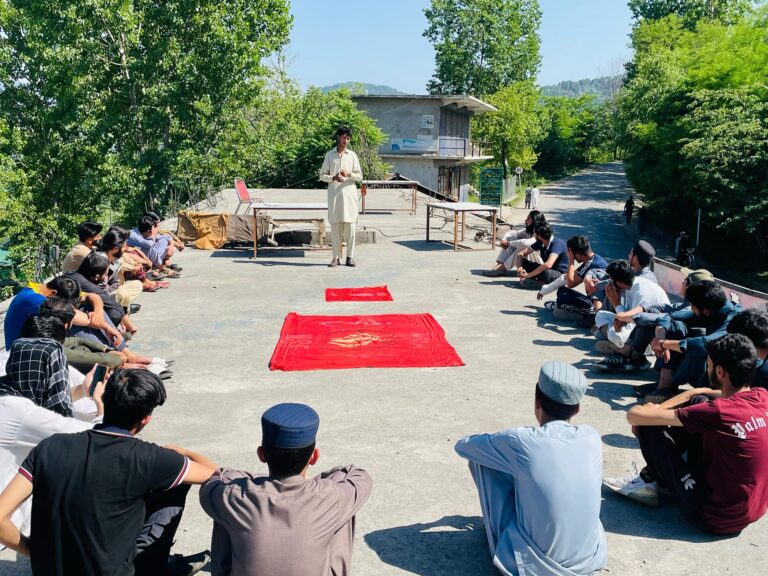
Paniola, Azad Jammu and Kashmir (PaJK): The Jammu Kashmir National Students Federation (JKNSF) held a significant meeting today in Paniola, reaffirming its long-standing demand for the annulment of the controversial Karachi Agreement. The gathering highlighted student activism, regional political grievances, and calls for justice in Kashmir, resonating with human rights concerns globally.

Senior leaders attending the meeting included JKNSF Publicity Board Chairman Zargham Jameel, District Poonch Chairman Hassan Sani, Central Committee Member Abdullah bin Masood, and other regional representatives. The meeting focused on the 28th April anniversary of the Karachi Agreement — a 1949 accord widely criticized for excluding the Kashmiri people’s participation in decisions affecting their future.

“The National Students Federation will continue its struggle until the Karachi Agreement is formally revoked,” declared Zargham Jameel during the session.

Demand for Immediate Arrests in JKNSF President’s Assault Case

Participants also strongly demanded the immediate arrest of those responsible for the assault on JKNSF Central President Khawaja Mujtaba Bande. Accusing state authorities and local police of protecting the perpetrators, the Federation warned of intensified protests if justice is delayed.

“The state’s complicity must end. We demand immediate action and arrests,” emphasized Hassan Sani, who chaired the meeting.

Organizational Expansion Across Constituency 5

Strategic organizational growth was another major focus. A special committee, headed by Hassan Sani, was established to initiate JKNSF’s presence at ward levels and across educational institutions within Constituency 5. The plan aims to empower youth and strengthen grassroots political mobilization.

Condemnation of Student Arrests in Indian-Administered Kashmir

The JKNSF also condemned the recent wave of arrests and reported mistreatment of students in Indian-administered Kashmir. The Federation expressed solidarity with detained students and called on international human rights organizations to intervene.

“Student activism is not a crime. We stand with the students who are facing violence and arbitrary detention,” said Abdullah bin Masood.

A Renewed Call for Justice and Self-Determination

Concluding the meeting, participants pledged to continue their peaceful struggle under the banner of “Knowledge, Struggle, Victory,” a motto symbolizing their commitment to education, activism, and human rights in Kashmir.

The JKNSF’s renewed energy and activism come at a time of growing international attention on human rights issues in both Indian and Pakistan-administered Kashmir, signaling a potential surge in youth-led political movements across the region.

China Calls for Restraint Amid India-Pakistan Tensions Over Pahalgam Incident

0

Muzaffarabad, AJK (Pakistan administered Kashmir): In the aftermath of the tragic Pahalgam attack that claimed the lives of 26 tourists, China has urged India and Pakistan to exercise restraint and engage in dialogue to prevent further escalation. The Chinese Foreign Ministry issued a statement emphasizing the importance of maintaining regional peace while expressing understanding of Pakistan’s security concerns.

China’s Position on the Incident

The Chinese Foreign Minister, in an official statement, stated, “We fully understand Pakistan’s legitimate security concerns and support its efforts to safeguard its sovereignty and territorial integrity.” The minister also reiterated China’s call for impartial and timely investigations into the Pahalgam attack, stressing the need for transparency and justice.

China’s appeal for calm reflects its broader interest in promoting stability in South Asia, a region that has been marred by decades of periodic conflict and mistrust between nuclear-armed neighbors India and Pakistan.

The Pahalgam Attack and Its Aftermath

The Pahalgam incident, which occurred four days ago in Indian-administered Kashmir, saw armed assailants open fire on a group of tourists, leading to the deaths of 25 Indians and one local horseman. The attack has sparked outrage and grief on both sides of the border. However, it has also led to heightened tensions, with India accusing Pakistan of involvement—a claim that Islamabad has strongly denied.

India responded to the attack with a series of measures, including:

  • Suspending the Indus Waters Treaty, an agreement that governs the shared rivers between the two nations.
  • Heightened security protocols and diplomatic démarches against Pakistan.

Pakistan, in turn, implemented its own countermeasures:

  • Halting all trade with India.
  • Closing Pakistani airspace to Indian airlines.
  • Declaring Indian diplomats in Pakistan as persona non grata and ordering their departure.

Calls for Impartial Investigations

Pakistan has sought international support for an independent investigation into the Pahalgam attack, aiming to clear its name and ensure that the victims receive justice. The Pakistani government has also launched a diplomatic campaign, with senior officials reaching out to global leaders to provide their perspective on the incident.

Islamabad maintains that any resolution to the crisis must involve unbiased investigations and the de-escalation of hostilities. “We are committed to peace, but any baseless allegations without evidence will not be accepted,” a Pakistani official stated during a press briefing.

Regional Stability and China’s Role

China’s involvement as a neutral actor in this situation is crucial, given its close ties with Pakistan and its economic and strategic interests in South Asia. The China-Pakistan Economic Corridor (CPEC), a flagship project under China’s Belt and Road Initiative, underscores Beijing’s commitment to fostering economic collaboration in the region.

At the same time, China’s call for dialogue reflects its broader diplomatic approach of encouraging peaceful conflict resolution. The Chinese Foreign Minister urged both India and Pakistan to prioritize dialogue over confrontation, stating, “Peace and stability in South Asia are in the interest of all parties involved.”

Global Reaction and Broader Implications

The Pahalgam attack has drawn international attention, with world leaders expressing concern over the potential for escalation. Observers warn that heightened tensions between India and Pakistan could have far-reaching implications, not only for South Asia but for global security.

While some nations have supported India’s right to address security concerns, others have called for restraint and impartial investigations. The international community has emphasized the importance of maintaining peace in a region that has witnessed multiple conflicts over the past seven decades.

A Call for Restraint and Dialogue

As tensions simmer, China’s diplomatic intervention serves as a reminder of the critical need for restraint and dialogue. Both India and Pakistan face significant domestic and international pressures to de-escalate, and the coming weeks will likely determine whether this crisis leads to further confrontation or a renewed commitment to peace.

For now, the focus remains on ensuring justice for the victims of the Pahalgam attack and preventing further deterioration of relations between the two neighbors. The international community, including China, continues to advocate for constructive engagement and mutual understanding to address the root causes of conflict in South Asia.

Kashmiri Leaders Warn Islamabad Over Enforced Disappearances, Demand End to Illegal Detentions

0

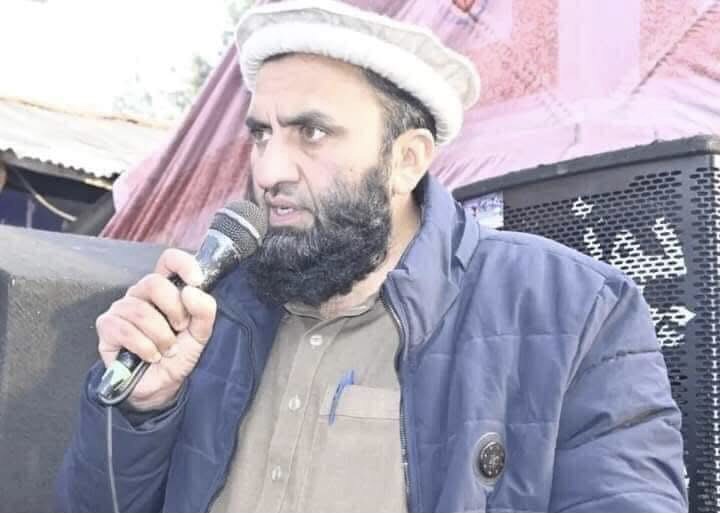
Rawalakot, AJK, (Pakistan-administered Kashmir): In a fervent address at the “Oath-Taking and Rights Conference” held in Bhora Union Council, Chhapriyan Khori Kair, DhirKot, a tehsil in Bagh district in Pakistan-administered Kashmir, Sardar Umar Nazir, a prominent figure of the Jammu and Kashmir Joint Awami Action Committee, denounced the ongoing enforced disappearances of Kashmiri citizens allegedly perpetrated by Pakistani authorities.

Nazir highlighted a disturbing pattern of abductions, particularly from Islamabad, where numerous individuals have reportedly vanished without trace. He emphasized that if any citizen is suspected of wrongdoing, due legal processes should be followed, asserting, “If there are charges or allegations against any individual, let the state’s courts, laws, and police handle the matter transparently.”

The leaders warned that the continuation of such practices would compel the Joint Public Action Committee to devise a strategic response. He urged both the Government of Pakistan and the Government of Azad Kashmir to uphold human rights and cease any actions that undermine the rule of law.

This call to action resonates amid broader concerns about human rights in the region. Notably, the case of journalist and poet Ahmad Farhad, who was forcibly disappeared from his Islamabad residence on May 15, 2024, drew international condemnation. Amnesty International reported that Farhad’s abduction was followed by weeks of uncertainty regarding his whereabouts, highlighting the peril faced by critics of enforced disappearances.

The Joint Public (Awami) Action Committee’s stance underscores a growing demand for accountability and adherence to legal norms in addressing allegations against citizens, reflecting a broader push for human rights and justice in the region.

Kashmir’s Leepa Valley, Kupwara Brace for Uncertain Future Amid Fresh Crossfire

    0

    Muzaffarabad, Leepa Valley, Kupwara, LoC (Jammu & Kashmir): In the wake of a deadly attack on Indian tourists in Pahalgam, located in Indian-administered Kashmir, cross-border tensions between India and Pakistan have reignited, with residents along the Line of Control (LoC) fearing a return to violence. Recent nights have seen intense exchanges of fire in the Leepa Valley (Pakistan-administered Kashmir) and the Uri sector (Indian-administered Kashmir), disrupting the fragile calm established by a 2021 ceasefire agreement.

    Renewed Hostilities and Civilian Anguish

    Over the past week, heavy gunfire and shelling have kept communities on both sides of the LoC awake through the night. While no casualties have been reported in the latest skirmishes, the psychological toll is palpable. Sohail Ali ul Mughal, a lawyer and resident of Leepa Valley, described the terror of recent nights: “The firing began suddenly around midnight. We moved our elderly family members to underground bunkers immediately. Everyone here lives in constant dread.”

    Leepa Valley, home to approximately 40,000 people, lies just 5 kilometers from the LoC. Mughal’s own home suffered damage during the 2019 shelling, a grim reminder of the vulnerability of border communities. Similar anxieties grip villages in Kupwara, a highly sensitive district in Indian-administered Kashmir, where authorities recently mandated permits for entry into LoC-adjacent areas. Residents like Peerzada Syed in Karnah have begun reinforcing personal bunkers, fearing a repeat of past tragedies. “We’ve seen shelling destroy lives and livelihoods. We pray for peace but must prepare for the worst,” Syed shared.

    Bunkers and Broken Promises

    Following the 2021 ceasefire, both governments pledged to shield civilians from cross-border violence. However, the surge in hostilities has exposed the fragility of these assurances. In Leepa Valley and Uri, decades-old underground bunkers—some government-built, others makeshift—are being hastily cleared and reinforced. Yet, many lack basic amenities like electricity or water, leaving residents to question their efficacy.

    On the Indian side, villages such as Tod in Kupwara’s “zero line” have endured repeated shelling. A local resident recalled the 2017 death of a relative in crossfire, lamenting, “Four years of peace let us farm and send children to school. Now, that feels threatened.”

    Economic Fallout and Lost Opportunities

    The resurgence of violence also threatens economic stability. Leepa Valley, once emerging as a tourist destination after road improvements in 2022, now faces uncertainty. Over 30 new hotels and guesthouses had sprung up, capitalizing on the region’s natural beauty. Bashir Alam Awan, a local council member, warned, “Tourists won’t come if firing continues. Livelihoods are at stake.”

    Similarly, in Uri’s Bhatgraan and Churanda villages, government-built bunkers remain ill-equipped, forcing residents to rely on personal savings for safety measures. “The poor can’t afford bunkers. We pray India and Pakistan resolve this,” said Mohammed Qadoos, a shopkeeper.

    Historical Context and Diplomatic Strain

    The LoC, spanning 744 kilometers in Kashmir, has been a flashpoint since India and Pakistan’s 1947 partition. A 2003 ceasefire, periodically violated, saw brief success in 2021 before recent events undermined it. Analysts suggest the Pahalgam attack has strained diplomacy further, with both armies accusing each other of provocations.

    While the 2021 agreement reduced casualties significantly, its collapse risks a humanitarian crisis. Experts warn that military escalations could mirror the 2019 Balakot strikes, which brought the nuclear-armed neighbors to the brink of conflict.

    Voices from the Ground

    Amid the turmoil, civilians cling to resilience. “We won’t leave our homes,” asserted Awan, reflecting a sentiment common in Leepa Valley. Yet, nights are punctuated by fear, as families monitor the skies for jets and bunker down. Sohail summarized the exhaustion: “No one sleeps when the firing starts. We check on neighbors, hoping the morning brings quiet.”

    As India and Pakistan trade accusations, border communities remain caught in the crossfire their lives suspended between hope for peace and preparations for war. With bunkers readied and prayers whispered, the people of Leepa Valley and Kupwara await a resolution that seems increasingly elusive.

    Massive Protests in Gilgit Baltistan Against Land and Mineral Resource Seizures

    0

    Shigar, Gilgit Baltistan (Pakistan administrated Kashmir): Thousands of residents took to the streets of Shigar in Gilgit-Baltistan today to protest against the increasing encroachments on mountains, pastures, and mineral resources. Chanting powerful slogans like “No to Land Grabbing” and “No to Seizure of Our Minerals,” the demonstrators turned the town into a sea of resistance, demanding an end to what they described as the illegal appropriation of their ancestral lands and natural resources.

    The protest highlighted growing public anger over what locals allege is a systematic attempt to seize land and mineral wealth without the consent of the indigenous communities. Protesters marched through major streets, waving banners and raising their voices against the exploitation of their natural heritage.

    Gilgit-Baltistan, which remains a part of the broader Jammu and Kashmir dispute under international law, has seen increasing tensions in recent years over land rights, resource control, and political disenfranchisement. Residents have long complained of being treated as second-class citizens, with little say in decisions that affect their land and livelihoods.

    The Shigar protest is being seen as part of a larger wave of public dissent across the region, with citizens calling for greater autonomy, protection of their rights, and an end to external exploitation.

    Organizers of the demonstration warned that unless authorities address their demands, the movement would expand across Gilgit-Baltistan. They emphasized that the land, pastures, and mineral resources are the rightful inheritance of the local people, not commodities to be seized by powerful interests.

    This fresh wave of protests adds yet another layer to the already complex situation in Jammu and Kashmir, where demands for political rights, land protection, and local empowerment continue to grow stronger by the day.

    Tensions Escalate Along Line of Control in Kashmir’ Leepa Valley

    0

    Leepa Valley, AJK (Pakistan administered Kashmir): The Line of Control (LoC) in Leepa Valley, Kashmir witnessed renewed tensions between India and Pakistan, with both sides engaging in post-to-post firing and shelling in the Leepa Valley sector of Azad Kashmir (PaJK). This development comes just two days after a deadly terrorist attack in Pahalgam, Kashmir.

    Recent Developments
    On the night of April 25, 2025 around 1:30 am, both sides resumed firing using small arms along the LoC in the LeepaValley sector. This follows a similar incident two days prior, where ceasefire violations were reported in the same area.


    The renewed tensions have spread fear and panic among the local population, with many residents feeling caught in the crossfire. The situation along the LoC remains volatile, with both sides dug in.


    The LoC has been a flashpoint for tensions between India and Pakistan for decades, with both countries claiming sovereignty over the region of Kashmir. Recent incidents, including the Pahalgam attack, have further strained relations.


    The situation along the LoC in Kashmir remains precarious, with both sides showing no signs of backing down. Diplomatic efforts will be crucial in easing tensions and preventing further escalation.

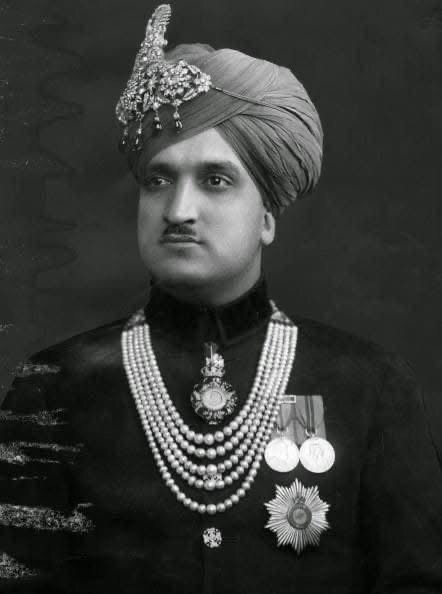
    Maharaja Hari Singh: The Last Dogra Ruler Who Shaped Jammu & Kashmir’s Sovereignty

    By Sameena Raja, Jammu & Kashmir: Sixty-four years ago, on April 26, 1961, Maharaja Hari Singh, the last Dogra ruler of the princely state of Jammu, Kashmir, and its Tibetan frontiers (Aksai Tibetha), passed away. His death marked the end of an era defined by his fierce commitment to preserving the region’s autonomy amid the turbulence of South Asia’s partition.

    Early Life & Ascension

    Born on September 23, 1895, in Jammu’s Amar Mahal, Hari Singh was the only surviving son of Raja Amar Singh, brother of Maharaja Pratap Singh. After his father’s death in 1909, British authorities appointed Major H.K. Brar as his guardian, under whom Hari Singh absorbed ideals of justice, democracy, and patriotism. Educated at Mayo College, Ajmer, and trained at the British Imperial Cadet College in Dehradun, he ascended the throne in 1925 following Maharaja Pratap Singh’s death.

    Reforms & Vision

    In his inaugural address, Hari Singh declared his “religion to be justice,” transcending his Hindu roots. His reign saw transformative policies:

    • Mandatory primary education.
    • Abolition of child marriage.
    • Opening places of worship to all castes.
    • Establishment of an elected legislature and independent judiciary.
    • The landmark State Subject Rules (1927), reserving landownership and state employment exclusively for locals—a bulwark against external influence.

    Controversies & Allegations

    Critics labeled Hari Singh a spendthrift and accused him of indulgent behavior, often citing lavish expenditures during Maharaja Pratap Singh’s funeral. A 1924 London court case involving an unnamed “Mr. A” further fueled speculation, though no conclusive evidence linked him to the allegations.

    The 1947 Crucible

    As British India dissolved, Hari Singh sought to maintain Jammu & Kashmir’s independence. Despite pressure from India, Pakistan, and internal political factions, he resisted full integration. His conditional accession to India in 1947, under duress from Pakistani tribal invasions, preserved a fragile sovereignty.

    Hari Singh’s diplomatic maneuvering ensured Jammu & Kashmir retained its constitutional presidency and prime ministership during his lifetime. His son, Dr. Karan Singh, upheld this legacy, refusing to dilute the region’s distinct identity.

    Legacy & Unfinished Struggle

    Hari Singh’s death in 1961 left a void in the fight for Kashmir’s self-determination. Today, activists advocating for the region’s sovereignty trace their roots to his vision. His State Subject Rules remain a cornerstone of Kashmiri identity, shielding the region from demographic and cultural erosion.

    “Had Hari Singh not ruled in 1947,” notes historian Sameena Raja, “Jammu & Kashmir would have vanished like the 562 other princely states absorbed by India and Pakistan.”

    A Call to Preserve History

    As modern debates over Kashmir’s status rage, Hari Singh’s legacy faces revisionism. Supporters urge transparency in portraying his complex role—champion of reform and target of colonial-era intrigue. “The truth must prevail without fear,” Raja asserts.