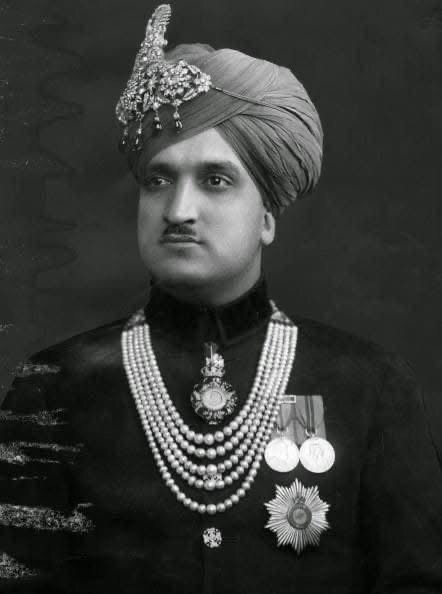

By Sameena Raja, Jammu & Kashmir: Sixty-four years ago, on April 26, 1961, Maharaja Hari Singh, the last Dogra ruler of the princely state of Jammu, Kashmir, and its Tibetan frontiers (Aksai Tibetha), passed away. His death marked the end of an era defined by his fierce commitment to preserving the region’s autonomy amid the turbulence of South Asia’s partition.
Early Life & Ascension
Born on September 23, 1895, in Jammu’s Amar Mahal, Hari Singh was the only surviving son of Raja Amar Singh, brother of Maharaja Pratap Singh. After his father’s death in 1909, British authorities appointed Major H.K. Brar as his guardian, under whom Hari Singh absorbed ideals of justice, democracy, and patriotism. Educated at Mayo College, Ajmer, and trained at the British Imperial Cadet College in Dehradun, he ascended the throne in 1925 following Maharaja Pratap Singh’s death.
Reforms & Vision
In his inaugural address, Hari Singh declared his “religion to be justice,” transcending his Hindu roots. His reign saw transformative policies:
- Mandatory primary education.
- Abolition of child marriage.
- Opening places of worship to all castes.
- Establishment of an elected legislature and independent judiciary.
- The landmark State Subject Rules (1927), reserving landownership and state employment exclusively for locals—a bulwark against external influence.
Controversies & Allegations
Critics labeled Hari Singh a spendthrift and accused him of indulgent behavior, often citing lavish expenditures during Maharaja Pratap Singh’s funeral. A 1924 London court case involving an unnamed “Mr. A” further fueled speculation, though no conclusive evidence linked him to the allegations.
The 1947 Crucible
As British India dissolved, Hari Singh sought to maintain Jammu & Kashmir’s independence. Despite pressure from India, Pakistan, and internal political factions, he resisted full integration. His conditional accession to India in 1947, under duress from Pakistani tribal invasions, preserved a fragile sovereignty.
Hari Singh’s diplomatic maneuvering ensured Jammu & Kashmir retained its constitutional presidency and prime ministership during his lifetime. His son, Dr. Karan Singh, upheld this legacy, refusing to dilute the region’s distinct identity.

Legacy & Unfinished Struggle
Hari Singh’s death in 1961 left a void in the fight for Kashmir’s self-determination. Today, activists advocating for the region’s sovereignty trace their roots to his vision. His State Subject Rules remain a cornerstone of Kashmiri identity, shielding the region from demographic and cultural erosion.
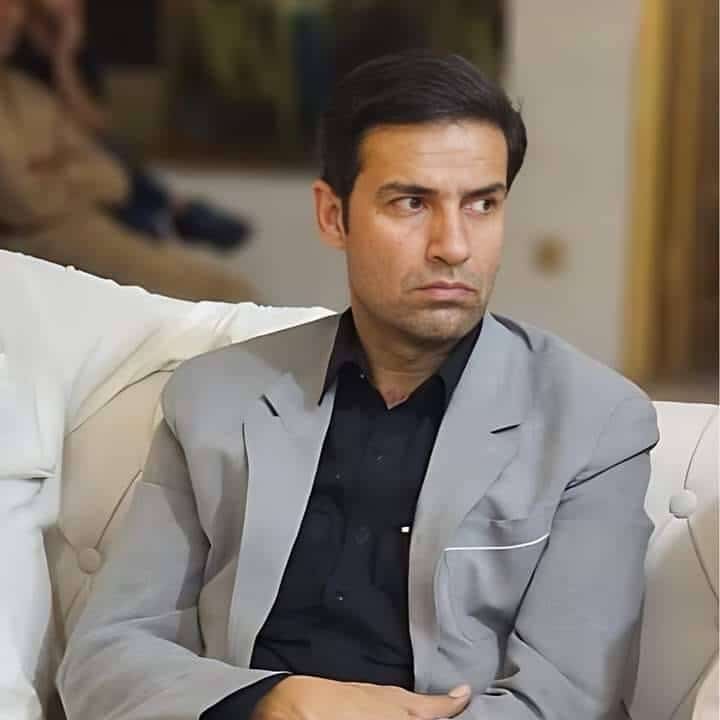
“Had Hari Singh not ruled in 1947,” notes historian Sameena Raja, “Jammu & Kashmir would have vanished like the 562 other princely states absorbed by India and Pakistan.”
A Call to Preserve History
As modern debates over Kashmir’s status rage, Hari Singh’s legacy faces revisionism. Supporters urge transparency in portraying his complex role—champion of reform and target of colonial-era intrigue. “The truth must prevail without fear,” Raja asserts.