

As the conflict involving Iran, Israel and the United States continues to escalate across the Middle East, attention has increasingly turned to the air war — a critical dimension that could shape the balance of power in the region.
Military analysts say Iran’s aviation losses remain difficult to quantify, with conflicting claims from the parties involved and limited independent access to targeted air bases. However, satellite imagery, defense assessments and open-source intelligence suggest that several Iranian aircraft have been destroyed or severely damaged since the latest phase of the conflict began in early 2026.
Strikes on Air Bases
Some of the most significant losses appear to have occurred during airstrikes on Iranian air bases and aviation infrastructure.

The Azadi Times
No state grants. No corporate lobby. Just ground‑truth reporting from Kashmir & beyond
You make this possible.
Security analysts reviewing satellite imagery say that strikes on key facilities targeted runways, hangars and parked aircraft. Among the aircraft believed to have been destroyed were older fighter jets that form the backbone of Iran’s aging air force.
Reports indicate that aircraft including F-4 Phantom and F-5 Tiger fighters — both originally supplied to Iran before the 1979 revolution — were damaged or destroyed during attacks on airfields in north-western Iran. Ground-attack aircraft such as the Su-22, which Iran has used for close air support missions, are also believed to have been hit.
Transport aircraft have not been spared. Images circulating among defense analysts appear to show damage to C-130 military transport planes, which are vital for logistics and troop movement.



Damage to Rare F-14 Fleet
Particular attention has focused on Iran’s F-14 Tomcat fleet, one of the most unusual elements of its air force.
Iran is the only country besides the United States ever to operate the aircraft, which was supplied to Tehran during the era of the Shah. Despite decades of sanctions and spare-parts shortages, Iran has managed to keep a small number operational.
Recent satellite imagery analysed by defense observers suggests that several of these aircraft may have been destroyed during strikes on military facilities. If confirmed, the losses would represent a symbolic and strategic setback for Tehran.

Helicopters and Support Aircraft
In addition to fixed-wing aircraft, reports indicate that at least one military helicopter was destroyed during a strike on a western Iranian airfield. Helicopters play a key role in Iran’s internal security and battlefield mobility operations.
Civilian or government aircraft stationed at some air bases may also have suffered damage as a result of attacks targeting nearby military infrastructure.
Estimated Losses
Based on available evidence from satellite imagery and defense reports, analysts estimate that around a dozen or more Iranian aircraft and helicopters may have been destroyed or rendered inoperable since the conflict intensified.
However, experts caution that the true number could be higher. In many cases, damaged aircraft remain inside hardened shelters or hangars that are difficult to assess using publicly available imagery.
A Different Kind of Air War
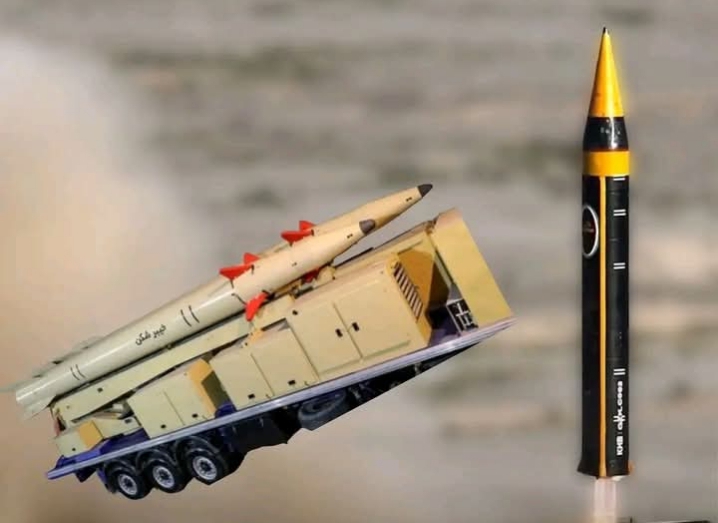
Despite the losses, Iran has not relied heavily on traditional fighter aircraft in the conflict. Instead, Tehran has leaned on ballistic missiles, cruise missiles and long-range drones to project power across the region.
This strategy reflects both the limitations of Iran’s aging air fleet and the evolving nature of modern warfare in the Middle East.
For now, analysts say the aerial battle is less about dramatic dogfights and more about targeting infrastructure, degrading capabilities and controlling the skies through technology and precision strikes.
As the conflict continues, the scale of aviation losses on all sides may only become clear once independent investigators are able to assess the damage on the ground.