
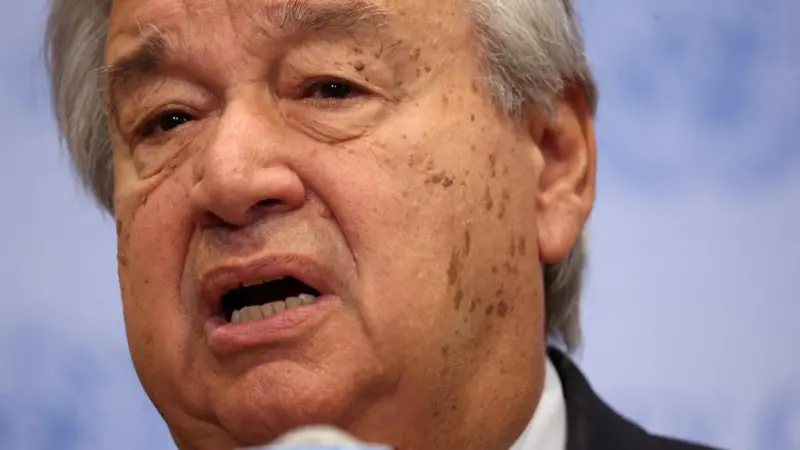
The United Nations Secretary-General Antonio Guterres has issued a stark warning over the rapidly escalating conflict in the Middle East, cautioning that the situation could “spiral beyond anyone’s control” if fighting continues.
In a statement shared on social media platform X, Guterres stressed that the stakes for regional and global stability are extremely high, urging world leaders to prioritize diplomacy over continued military confrontation.
“All the unlawful attacks in the Middle East and beyond are causing tremendous suffering and harm to civilians throughout the region – and pose a grave risk to the global economy, particularly to the most vulnerable people,” Guterres said.
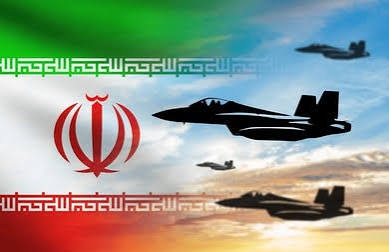
His remarks come amid intensifying tensions and military activity across the region, which analysts warn could widen into a broader confrontation involving multiple states and non-state actors.
According to the UN chief, the ongoing violence is not only causing immediate humanitarian devastation but also threatens broader economic stability worldwide.
“The situation could spiral beyond anyone’s control,” Guterres warned, adding that the international community must urgently work toward ending the fighting.


“It is time to stop the fighting and get to serious diplomatic negotiations. The stakes could not be higher.”
The United Nations has repeatedly emphasized the need for restraint from all parties, warning that continued escalation could deepen humanitarian crises across the Middle East while affecting global markets, trade routes, and energy supplies.
UN Humanitarian Chief Criticizes War Spending
Meanwhile, Tom Fletcher, the United Nations Under-Secretary-General for Humanitarian Affairs and Emergency Relief Coordinator, criticized the massive financial resources being spent on war at a time when humanitarian funding is declining.


Fletcher pointed to what he described as a troubling global trend in which governments allocate enormous budgets to military operations while reducing aid for vulnerable populations.
“We are seeing staggering amounts of money being spent on war while politicians continue to boast about cutting aid budgets for those most in need,” Fletcher said.
He also warned that modern warfare is increasingly shaped by advanced technologies that amplify destruction while reducing accountability.
“We are seeing an increasingly deadly alliance of technology and killing with impunity,” he added.
The latest warnings from senior UN officials reflect growing international concern that the Middle East crisis could trigger wider geopolitical instability.
Diplomats and analysts say that the region has long been a flashpoint for global tensions, and further escalation could have far-reaching consequences, from humanitarian disasters to economic disruptions affecting countries far beyond the Middle East.
Calls for diplomacy and de-escalation have intensified in recent days, with international organizations urging all sides to prioritize negotiations and civilian protection.
Observers warn that prolonged conflict could deepen humanitarian crises and strain already fragile economies, particularly in developing countries that are heavily dependent on global trade and energy markets.
The UN has repeatedly stressed that protecting civilians and ensuring humanitarian access must remain central priorities as tensions continue to rise.
As global attention remains fixed on the region, the warning from the UN Secretary-General underscores the urgent need for diplomatic engagement before the conflict reaches a point where it becomes impossible to contain.
Related coverage
Explore more reporting on the Iran–US–Israel conflict: