


Muzaffarabad (The Azadi Times | Pakistan Administered Kashmir): Following the confirmation of six new HIV cases in Azad Jammu & Kashmir, the region’s Health Department has launched an immediate response. The patients were identified during routine medical testing in various hospitals across Muzaffarabad,, the capital of Pakistan administered Kashmir.
Health Minister Nisar Ansar Abdali, speaking to the media, confirmed that action was initiated under direct instructions from the Prime Minister of Azad Kashmir and with the consensus of the cabinet.
“We are treating this issue with utmost seriousness,” said Abdali, adding that emergency meetings have been held with top health officials, and a visit to AIMS Muzaffarabad (Azad Institute of Medical Sciences) was conducted to assess the situation firsthand.
Free HIV Treatment Now Available at AIMS Muzaffarabad
In a significant move, the minister announced that free HIV testing and treatment services are now available at AIMS Muzaffarabad. Citizens are encouraged to come forward without fear or stigma.
“We are ensuring full confidentiality for patients,” Abdali stated. “No one should hesitate to seek help.”
WHO & NIH Actively Involved
The Azad Kashmir Health Department is working closely with the World Health Organization (WHO) and the National Institute of Health (NIH) to implement a strategic, science-based response to contain and manage the cases.

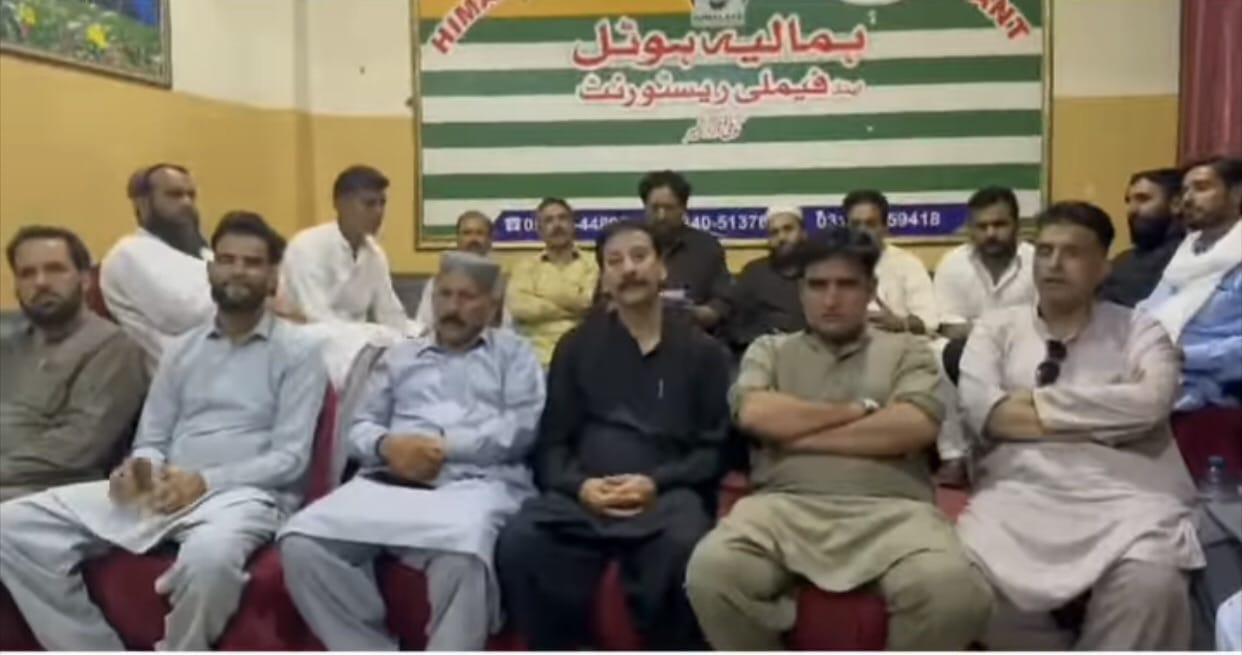

Task Force Formed, SOPs in Progress
A high-level task force has been established to address the crisis. The team includes:
Dr. Bushra Shams – WHO Representative
Dr. Murtaza – AIMS Muzaffarabad
Dr. Sardar Idrees, Dr. Naveed Ahmed (Deputy Director, RBC)
Dr. Sajjad Haider Awan, Dr. Ahmad Junaid, and Dr. Sardar Maroof (Dialysis Center In-Charge)


Currently, 60 patients are already receiving regular HIV treatment at AIMS.
The committee’s objective is to ensure the safety and hygiene of all medical units including dental departments, surgical rooms, blood transfusion centers, and dialysis units.
Additionally, the Health Department is extending its safety efforts beyond hospitals. Strict Standard Operating Procedures (SOPs) are being introduced for high-risk sectors such as:
Barbershops
Ear and nose piercing outlets
Tattoo and body modification providers
“These hidden transmission points must also be regulated to effectively stop the spread of infectious diseases,” said Minister Abdali.
Public Cooperation Key to Success
The Health Minister urged the public to support the government’s awareness and prevention efforts.
“When the government and citizens work together, success is not just possible — it’s guaranteed.”