

Kupwara, Indian-Administered Kashmir – What began as an ambitious plan to reimagine life along the Line of Control (LoC) through border tourism is now a quiet tragedy unfolding across the Himalayan frontier. Despite millions invested, countless hopes raised, and a brief era of cross-border curiosity, renewed conflict and neglect have pushed Kashmir’s border tourism into cold storage — perhaps permanently.
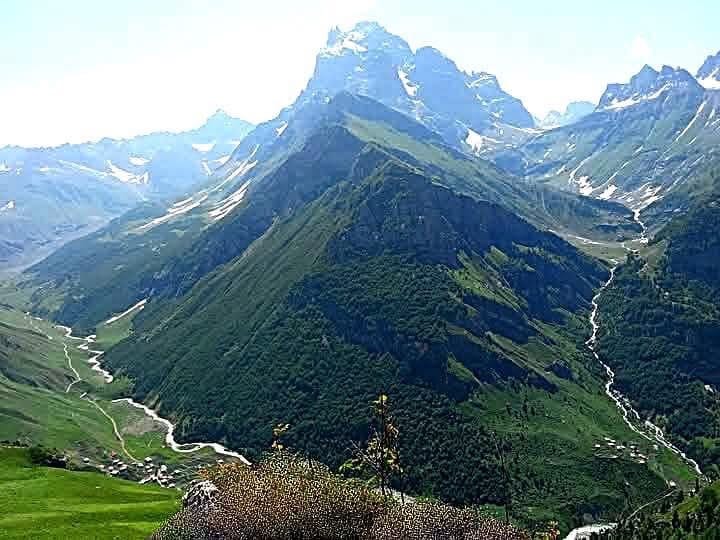
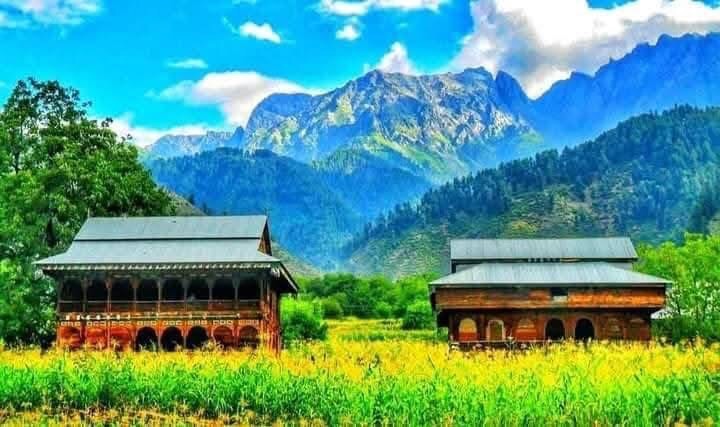
From the snow-wrapped valleys of Gurez to the wild meadows of Bangus and Keran, what once echoed with laughter, camera clicks, and cultural revival now lies still. Home-stays are shuttered, tents are rolled up, and communities are once again left stranded — both economically and emotionally.
A Border Reimagined — and Then Forgotten
Just two years ago, Indian-administered Kashmir’s border villages like Teetwal, Tangdhar, Keran, and Uri witnessed a renaissance of sorts. Official tourism boards promoted these zones as “India’s final frontier of peace,” while plans worth over $3.6 million USD (₹30 crore) were floated to convert these war-scarred lands into eco-tourism and heritage hubs.
Proposals included:
Eco-huts and solar-powered rest stops
Cultural cafés and traditional craft markets
LoC viewing decks for visitors
Heritage treks and spiritual tourism via the Sharada Peeth corridor

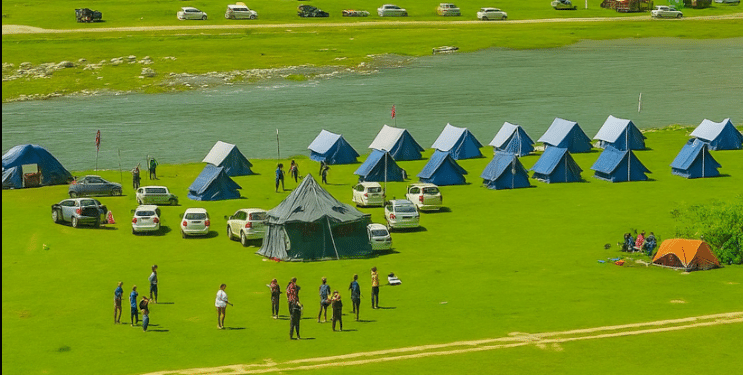
Local youth took the cue. “We had stopped thinking of war. We were thinking of Wi-Fi passwords for tourists,” said Sajjad Ahmad, 28, who had set up rental tents along the Kishanganga River in Gurez.
![Top 14 Stunning Places to Visit in Azad Jammu and Kashmir (PAJK), [Updated]](https://azaditimes.com/wp-content/uploads/2025/01/Flux_Dev_A_scenic_landscape_photograph_of_Azad_Jammu_and_Kashm_0-768x434.jpeg)

Between 2022 and 2024, border tourism was more than a development project — it was a rare Kashmir-led peace initiative. No speeches, no slogans — just a chance for divided communities to host, earn, and tell their stories on their own terms.
Pahalgam Attack & Policy U-Turn
That fragile window slammed shut in mid-2024, when a militant attack in Pahalgam killed 26 civilians. Almost overnight, the state rewrote its narrative from “border peace” to “border patrol.”
Despite the attack occurring far from the LoC, the ripple effect was brutal and swift:
| Year | Gurez | Bangus | Keran | Uri | Teetwal |
|---|---|---|---|---|---|
| 2024 | 100,000+ | 80,000+ | 60,000–70,000 | 80,000 | 50,000 |
| 2025 | <2,000 (locals only) | Closed | Permit-only (locals) | Restricted | Closed |
“From 100,000 to zero in a year,” noted one senior official, speaking anonymously. “The government is acting like border tourism was a PR stunt, not people’s livelihood.”
Local Entrepreneurs Left in the Cold
In the boom months, Keran had seen five new restaurants, while Tangdhar and Teetwal had registered over 45 home-stay conversions. Gurez, once synonymous with army movement and silence, had developed a growing riverside business culture.
Now, these investments lie frozen:
Home-stay costs: $6,000–$10,000 per setup, now unrecoverable
Tent camps: $1,000–$2,000 sunk per entrepreneur
Eco-huts & café ventures: $15,000+ in setup, maintenance, and licensing
“We were never asking for aid — just access,” says Nasreen Jan, a schoolteacher from Tangdhar who converted her ancestral home into a five-room stay. “Now, not even permits are allowed. We are invisible again.”
Digital Permits Suspended, Doors Closed
Since late 2024, digital permit systems — once a hallmark of transparency — have been suspended. Only local residents can access areas like Keran and Karnah. No online access for tourists. No timelines for reopening.
In Kupwara’s Deputy Commissioner’s office, staff cite “higher-level security orders” as the reason for the blackout. There are no public statements, no press briefings, no appeals for local rehabilitation.
“We’re told peace is restored, but our borders are shut. It’s selective peace,” says a resident of Keran.
Beyond economic fallout, the abrupt halt has bruised something deeper: a belief in co-existence and dignity through development. Gurez’s rivers — once the setting for student picnics and family reunions — now mirror abandonment.
“These borders once symbolized suffering,” explains anthropologist and border studies researcher Dr. Huma Qureshi. “Tourism helped reclaim them as spaces of memory, resilience, and reconciliation. That has been crushed again.”
Tourism was never just leisure in these zones. It was diplomacy, done quietly by ordinary Kashmiris — unarmed, unpaid, and unrecognized.
Whose Border Is It Anyway?
While the Jammu & Kashmir government has re-opened destinations like Gulmarg, Sonamarg, and Pahalgam for tourism, border zones are kept in the shadows as if their peace and people are dispensable.
Ironically, the same officials who praised border tourism as “a model of sustainable rural development” in 2023 now dodge media questions. Central and regional ministries remain silent. India-Pakistan Track II diplomacy is dormant. Meanwhile, locals watch their hopes rust along with their shuttered cafés.
The Real Line of Control
The suspension of border tourism is not just about canceled permits — it’s about who gets to define peace in Kashmir. For too long, policies have been made from Delhi and Islamabad, with little regard for what Kashmiris actually build, dream, or need.
Tourism was the one space where Kashmiris created their own narrative — as hosts, not headlines; as bridge-makers, not security threats.
That space has now been re-occupied — not by tourists, but by silence.
The collapse of border tourism in Kashmir is not just a policy failure — it’s a moral one. It reveals a region still held hostage by distant powers, where peace is allowed only on paper, and development is always conditional.
If Kashmiris are trusted enough to guard the border, they must also be trusted to grow beyond it.
Until then, border tourism will remain a metaphor — of what could have been, but never was allowed to be.