

Srinagar – Environmentalist Sonam Wangchuk has been released following a decision by the Indian authorities to lift his detention under the National Security Act (NSA). The move comes amid ongoing concerns about the treatment of civil society activists and the broader political situation in Ladakh, which remains under India-administered governance.
The release has been welcomed by regional political leaders, who described the detention as unwarranted and called for broader measures to ensure justice for individuals held under similar circumstances.
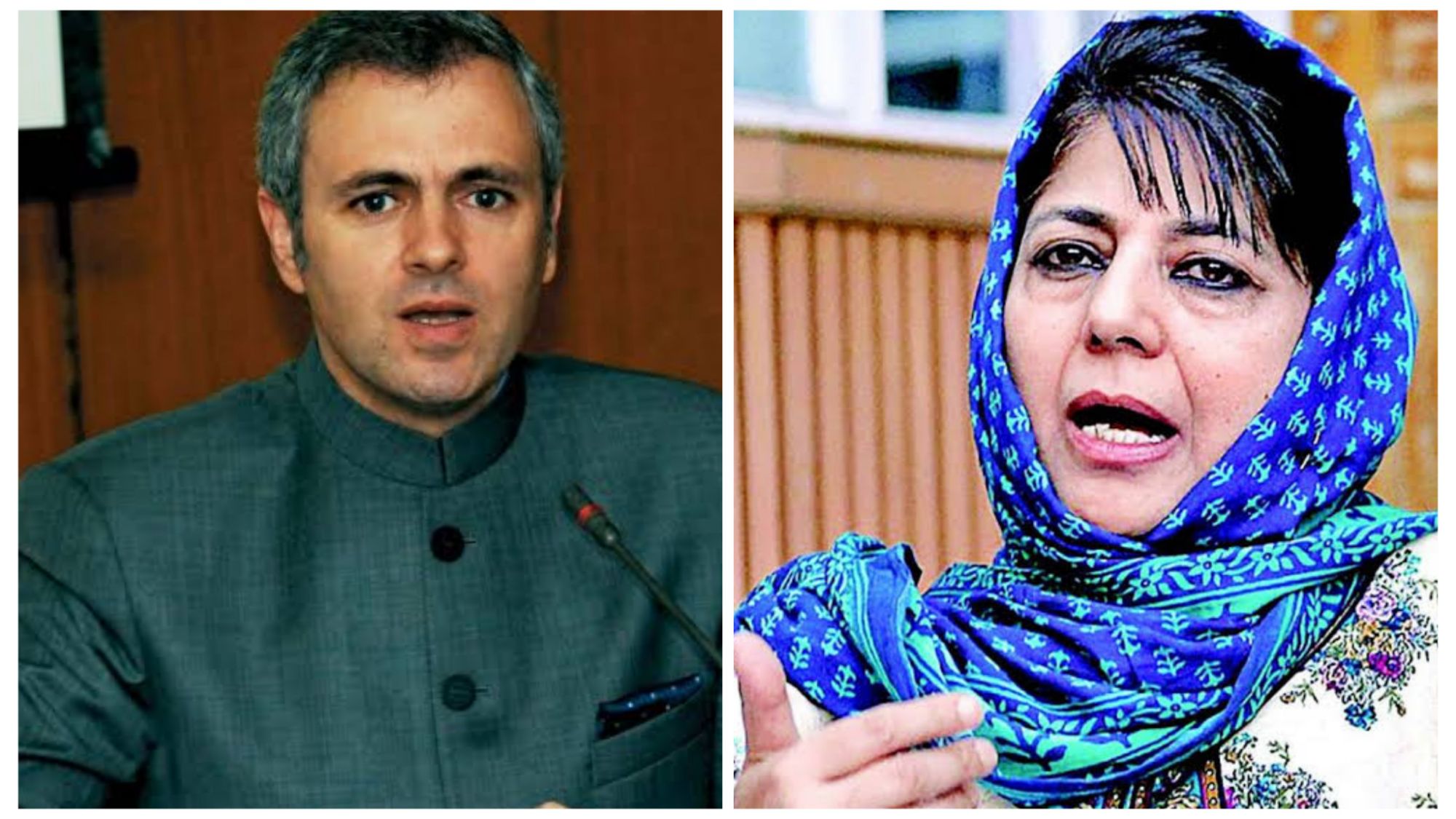
The Chief Minister of Jammu and Kashmir, Omar Abdullah, welcomed Wangchuk’s release, stating, “Detaining him under NSA was wrong. His release is a positive step. The situation in Ladakh should improve, and promises made to the people of both Jammu and Kashmir and Ladakh must be fulfilled.”

Abdullah further urged authorities to consider releasing other individuals detained for minor charges or those who have already served more than their potential sentences, especially as the region approaches Ramadan’s end and Eid al-Fitr, a period often associated with goodwill gestures.
PDP Leadership Criticizes Initial Arrest
Mehbooba Mufti, president of the People’s Democratic Party (PDP) and former Chief Minister, also condemned Wangchuk’s detention, emphasizing that no case should have been filed against him in the first place. She described Wangchuk as a patriot committed to environmental protection and social welfare, unfairly targeted as a criminal.
Mufti said, “A person who has contributed so much to the environment, the community, and society was branded a traitor. This is unjust and sends the wrong message about civic engagement in the region.”

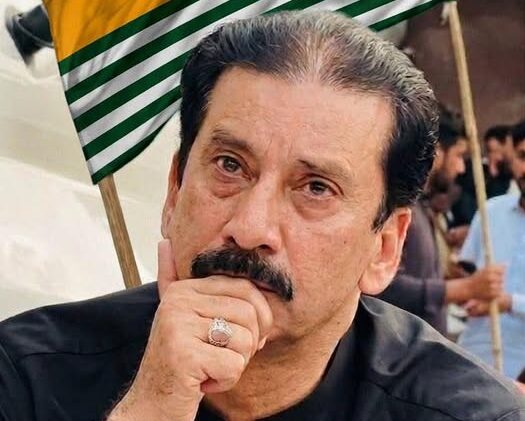
MP Engineer Rashid referred to the release as a hopeful signal for the wider region, noting that it could foster a more constructive environment for dialogue and civic participation in India-administered Ladakh.
Observers in the region suggest that while Wangchuk’s release is a positive development, it also underscores the precarious status of civil liberties in politically sensitive areas, where activism can be misinterpreted as a security threat.
The detention and subsequent release of Wangchuk have highlighted ongoing tensions between governance, security, and civil society in Ladakh. Analysts say that genuine stability in the region requires fulfillment of local promises, protection of civic freedoms, and meaningful engagement with stakeholders across all sectors, including environmental and community leadership.


This episode also raises questions about the use of laws like NSA in India-administered Kashmir and Ladakh, especially in cases involving peaceful activism and advocacy for social or environmental causes.
Wangchuk, known internationally for his innovative environmental projects and community-focused initiatives, has long been a prominent figure advocating for sustainable development and education in high-altitude Himalayan regions. His detention sparked widespread discussion about the balance between security measures and protection of civic activism in politically sensitive territories.
Experts note that protecting environmental and social activists is crucial for the long-term development and ecological sustainability of regions like Ladakh, which face unique environmental challenges due to their high-altitude terrain and fragile ecosystems.
Political leaders and civil society groups have called for continued reforms and goodwill measures in the region. As Ladakh and Jammu and Kashmir navigate complex governance and security challenges, they emphasize that constructive engagement, respect for civic freedoms, and transparent administrative processes are essential for fostering trust between local populations and governing authorities.
Observers suggest that Wangchuk’s release, coming at a time of religious observances and social reflection, can serve as a catalyst for more inclusive governance and reconciliation efforts in India-administered Ladakh.