
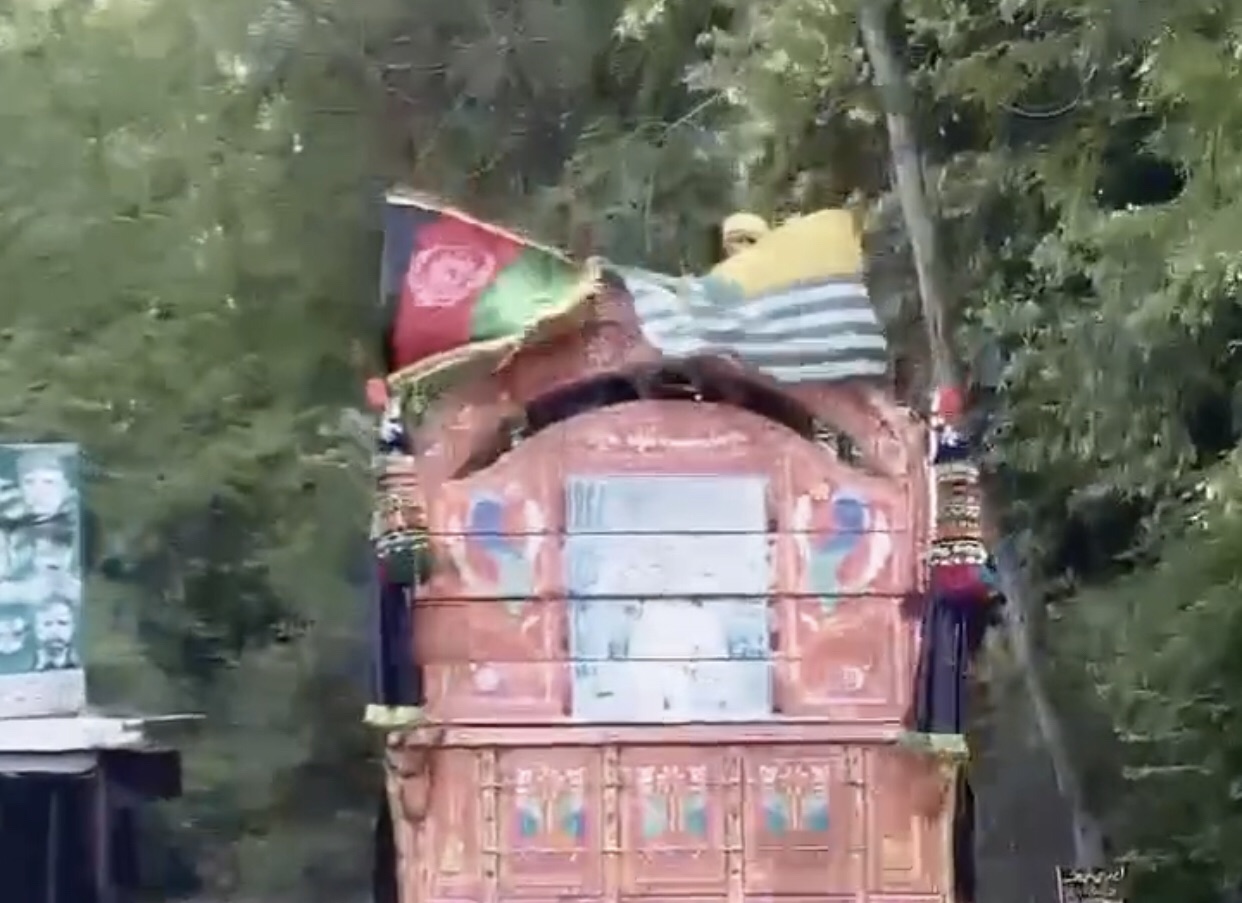

Muzaffarabad, (PaJK): As Pakistan intensifies its campaign to repatriate undocumented Afghan nationals, a wave of silent goodbyes is unfolding in Pakistan-administered Kashmir, (Azad Jammu and Kashmir) (AJK), where thousands of Afghan refugees have been living for decades. Now, as they are being asked to leave, heart-wrenching stories of separation, shared history, and solidarity are surfacing on social media.
Among those bidding farewell was Aamir Khan, an Afghan national who lived most of his life in AJK. In a deeply emotional Facebook post, Khan wrote:
“After forty years, we too have packed our bags for the journey home — Afghanistan. Our bond with Kashmiris has been one of shared pain, slavery, and suppression. Our childhoods were intertwined. But today, these artificial lines and imposed identities have separated us. We will meet again — in another world, in a classless human society. With a heavy heart, farewell friends, brothers, and companions. Remember us in your prayers.”

The post resonated widely, being shared by many Kashmiri users who expressed solidarity and compassion for the departing refugees. It painted a poignant picture of the human cost behind political decisions and the decades of co-existence that have now been disrupted.
According to local reports, hundreds of Afghan families in districts like Muzaffarabad, Kotli, and Rawalakot are returning to Afghanistan as part of the nationwide expulsion policy. Some of these families had spent over 40 years in AJK, integrating deeply into the local fabric through work, education, and community life.
Social media has become a mirror of these emotions. Images of the Afghan and Kashmiri flags being shared together have gone viral, symbolizing unity beyond borders and state identities. While the mainstream narrative remains focused on legality and repatriation, the grassroots response from the Kashmiri population has been largely empathetic and humane.




In Afghanistan, temporary camps have been set up in border provinces such as Nangarhar to receive returnees. Authorities there claim to be offering basic facilities, though many families fear uncertainty, lack of livelihood, and security challenges in their ancestral land.
The departure of Afghan refugees from AJK has sparked important conversations around identity, belonging, and the meaning of home. For many, it’s not just a physical journey — but the emotional closing of a chapter that spanned generations.