

Dadyal, Azad Kashmir – July 1, 2025 — Mass protests have erupted once again across Pakistan-administered Kashmir, including a major demonstration today in Dadyal, as citizens continue to demand an end to prolonged load shedding, improved mobile network services, and other basic rights.
The demonstration in Dadyal is part of a wider rights-based movement led by the Jammu Kashmir Joint Awami Action Committee (JKAAC), which has been gaining momentum over the past two years. According to eyewitness reports, hundreds gathered peacefully, chanting slogans and holding placards demanding infrastructure development and government accountability.
Khawaja Mehran, a core committee member of the JKAAC, is leading the protest in Dadyal. In a public statement, Mehran called on overseas Kashmiris to remain mobilized and be prepared for coordinated demonstrations outside Pakistani embassies if demands continue to be ignored.
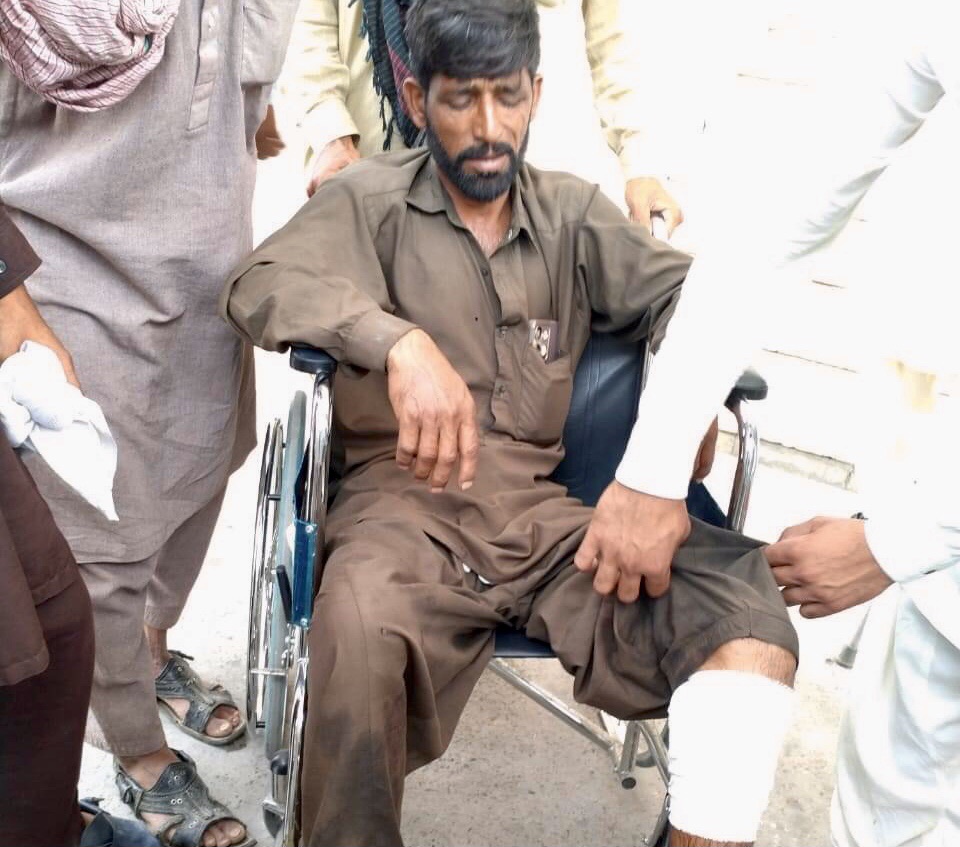
“People are frustrated. These are not political demands—they’re fundamental human rights,” said Mehran in a video that has been widely circulated on social media. The hashtag #KashmirRightsNow trended on X (formerly Twitter) across South Asia, reflecting the growing digital support for the cause.
Movement Gains Strength Across Regions
Similar demonstrations were held earlier this week in Ali Sujal, District Poonch, and in Muzaffarabad, the capital of Pakistan-administered Kashmir. The JKAAC has expanded its campaign from urban centers to district and tehsil levels, signaling a more grassroots-led approach.
The protesters’ key grievances include:

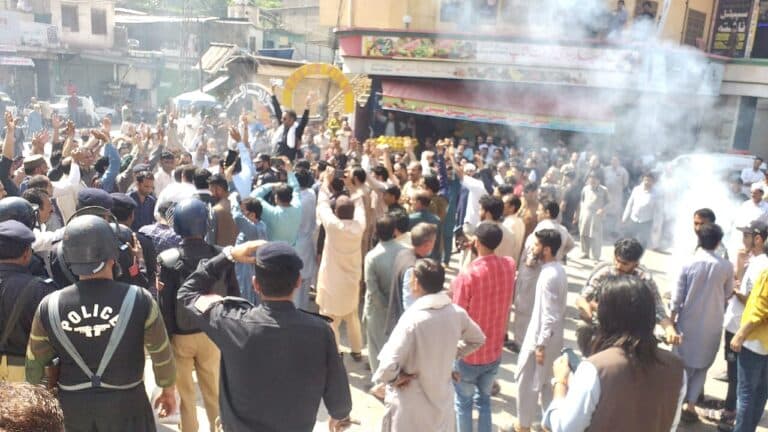

- Unscheduled and prolonged electricity load shedding, especially during peak summer months
- Poor or non-existent mobile and internet connectivity in rural and semi-urban areas
- Lack of transparency and public engagement in infrastructure planning and development
Historical Context
Pakistan-administered Kashmir has long faced development challenges due to political complexities and limited regional autonomy. Despite constitutional amendments, critics argue that governance remains centralized, with inadequate local representation in decision-making processes.
Data from Pakistan’s National Electric Power Regulatory Authority (NEPRA) shows that regions like Azad Kashmir receive far less investment per capita in power infrastructure compared to Punjab or Sindh. Additionally, a 2024 report by the Pakistan Telecommunication Authority (PTA) listed multiple tehsils in Azad Kashmir among the bottom 10% in mobile coverage and broadband access.
Call for International Attention
The growing movement is increasingly capturing the attention of international human rights observers. Activists argue that consistent denial of basic rights in the region could violate provisions of the International Covenant on Economic, Social and Cultural Rights (ICESCR), to which Pakistan is a signatory.


As the protests continue, there is growing pressure on local and federal authorities to engage with the JKAAC and address the community’s long-standing demands.