
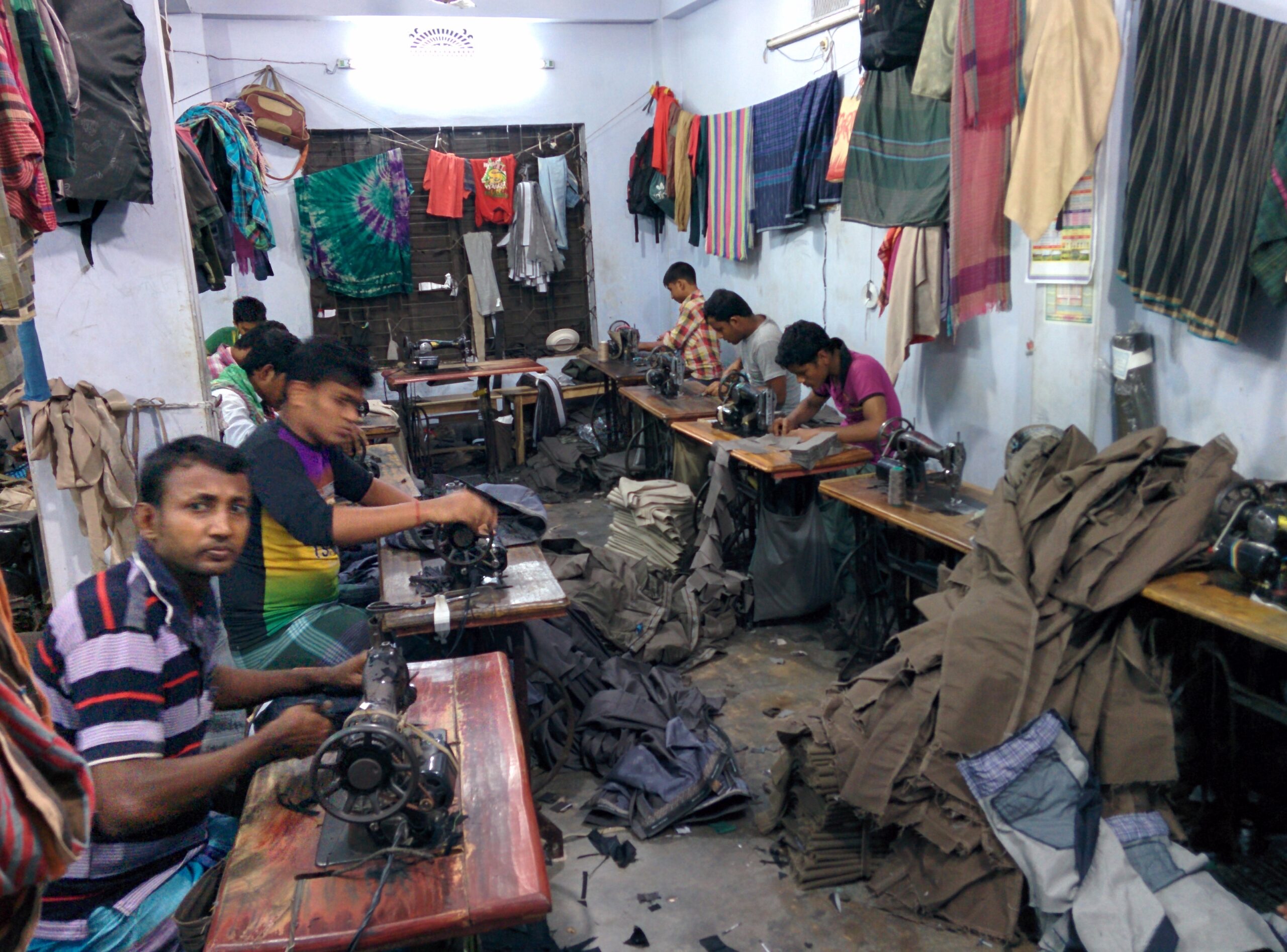
DHAKA, 18 November 2026 — Bangladesh’s garment workers staged fresh protests on Tuesday after a key meeting of the minimum wage board was postponed, with the next session now scheduled for 23 November as negotiations continue over higher pay.
Thousands of workers demonstrated in Gazipur and other industrial areas on 17 November. Al Jazeera, citing Agence France-Presse, reported that police used tear gas and stun grenades, while protesters threw bricks, set vehicles on fire and blocked a major highway. The report did not provide an independently verified total for injuries.
Minimum Wage Board chairman Syed Azad Subhani said the meeting scheduled for Monday had been postponed because a representative of the garment workers had fallen ill. The board has rescheduled the meeting for 23 November, according to a notice reported by bdnews24.com.
Subhani said the revised minimum wages would take effect from 1 December regardless of the date on which they are formally announced, Dhaka Tribune reported on Tuesday. However, the AFP account of the protests on the same day described the new scale as due to take effect in January. The reports reviewed by The Azadi Times do not explain the difference; the board’s formal notice or a further clarification is needed to settle the implementation date. The board has not yet announced the new wage figure.
Workers and employers have yet to agree on a figure
Workers have been demanding a minimum monthly wage of Tk 30,000, up from the current Tk 12,500. At the board’s 9 November meeting, the workers’ side formally proposed a Tk 32,000 minimum, according to bdnews24.com. The two figures reflect the protest demand and the proposal submitted to the board, respectively.
The Bangladesh Garment Manufacturers and Exporters Association and the Bangladesh Knitwear Manufacturers and Exporters Association said employers were ready to present their proposal and urged the authorities to resume negotiations quickly, according to a joint statement reported by BSS.


The garment industry generates about $38 billion a year and employs more than four million people, according to AFP’s reporting published by Al Jazeera. The wage dispute therefore affects workers’ livelihoods as well as a major export sector.
The public statements reviewed by The Azadi Times confirm the wage-board timetable and the employers’ position. The account of police action during Tuesday’s demonstrations remains attributed to AFP’s reporting; no separate police statement on the use of force during those clashes was identified in the reports reviewed.