
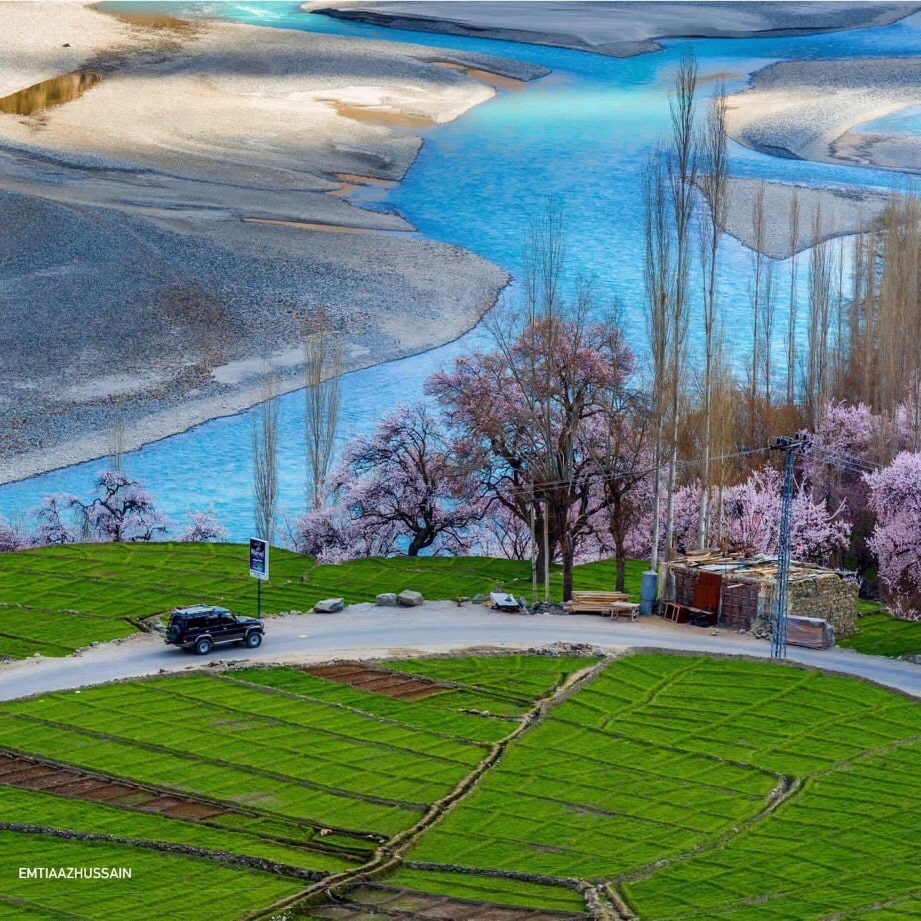

By Yaqub Alam Tai: It is often said that one should explore as much as possible and enjoy the wonders of nature. On a personal level, however, I admit I have fallen short in this regard. Despite my 20-year-long career in journalism, I never had the opportunity to travel abroad or even visit the breathtaking landscapes of my beloved homeland, Gilgit-Baltistan. After graduating from Karachi University, I returned to Ghizer in 2006 and rarely had the chance to venture out.
My close friends—Manzar Shigri, Qasim Shah, Saif-ur-Rehman, Haji Kareem, and Farman Kareem—have had the privilege of traveling across the picturesque tourist destinations of Gilgit-Baltistan multiple times. Despite being so close to them, I have yet to step foot outside Phander, Yasin, Ishkoman, Hunza, and Gilgit. Even today, I might be among the few who have not seen the beautiful regions of Astore, Diamer, and Chitral.
However, my recent trip to Baltistan for a three-day media workshop organized by UNDP and the GLOF-2 Project marked a significant milestone. It was my first-ever visit to Baltistan, a region rich in history and culture. Before this, I had only visited Meindi Rondo years ago after the tragic passing of Raja Hussain Khan Maqpoon, the founding chief editor of K2 newspaper, to offer condolences. That trip was brief, and the roads leading to Baltistan at the time were no less than a nightmare. It took us 6 to 7 hours to travel from Gilgit to Meindi.
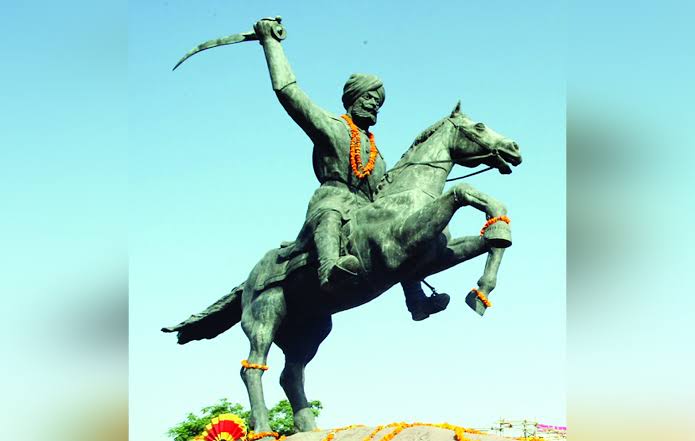
This time, however, thanks to the newly constructed Baltistan Highway, we were able to reach Skardu in just 4 to 5 hours from Gahkuch. The highway is truly a blessing for the hundreds of thousands of people living in the region.
Over the years, many members of my family have served in various public and private organizations in different districts of Baltistan. My late uncle, Tota Jan, worked for AKRSP in Skardu for five years. My respected uncle, Muhammad Zaman, served as an Area Manager for AKRSP in Skardu for over 12 years. Both of them frequently invited me to visit Baltistan, praising its beauty, but I never managed to go.
When I received the news of being nominated for a training workshop organized by UNDP, GLOF-2, and the Department of Information and Broadcasting of Gilgit-Baltistan, I, along with my brotherly friend and General Secretary of Ghizer Press Club, Abid Sher, embarked on the journey to Skardu on May 14. Journalists from other districts of Gilgit-Baltistan also made their way to Baltistan.


We departed from Gahkuch at noon and reached Skardu by 5 PM. Upon our arrival, we were warmly welcomed by our esteemed friends from the Skardu Press Club, led by their President, Wazir Muzaffar, and his team. Journalists from across Baltistan had also gathered in Skardu for the workshop. The Skardu Press Club treated us with immense hospitality, following their unique traditions of “Adab Baltistan,” and hosted a lavish dinner in our honor. Their warmth and kindness were beyond words.
During our stay, they took us to several historic sites, including the famous Sadpara Lake. Words fall short in expressing our gratitude for their efforts.
The training workshop commenced the following day at a renowned hotel in Skardu. The Additional Chief Secretary of Gilgit-Baltistan, Aziz Ahmed Jamali, and Secretary of Information and Broadcasting, Zameer Abbas, graced the first session with their presence. Basit Khan from GLOF-2 provided detailed insights into climate change, the rapidly melting glaciers, and the resulting challenges. The session was incredibly informative.

During the three-day workshop, we also learned about responsible reporting from Talha, a trainer from Islamabad. The sessions were highly educational and provided us with valuable knowledge. UNDP’s initiative to facilitate our access to Baltistan’s historic sites was particularly encouraging.
On the second day, we visited Shigar, where we explored Shigar Fort and several other historic locations. It became evident that each district in Baltistan is a treasure trove of history and culture.
On the final day, we visited Ghanche, a district that left us in awe. The Khaplu Fort, Chaqchan Mosque, the historic bazaar of Khaplu, and the ancient Chaqchan Khanqah spoke volumes about the district’s unique historical significance.
The hospitality extended by the President of Ghanche Press Club, his cabinet, and our fellow journalists was unforgettable. We are particularly grateful to the Ghanche Press Club for their warm reception. Their professionalism and dedication, despite living in remote areas, are a source of pride for us.
One notable observation during our visit was the restoration of Baltistan’s historic forts and sites by the Aga Khan Development Network. Their efforts to preserve these structures in their original state and open them to tourists are commendable. This has not only safeguarded Baltistan’s history but has also boosted tourism. Thousands of domestic and international tourists visit these sites annually, creating numerous employment opportunities and contributing to the growth of Baltistan’s tourism industry.
We also visited several GLOF-2 projects, including community centers and protective structures designed to mitigate natural disasters. These initiatives are proving to be instrumental in protecting Baltistan from natural calamities and benefiting the local communities.
In conclusion, I extend my heartfelt gratitude to all my colleagues across Baltistan who made my first trip to this remarkable region unforgettable. Their love, hospitality, and camaraderie have left an indelible mark on me.
Baltistan is truly a land of unparalleled history, culture, and hospitality. Its people, free from hatred, embody religious harmony, brotherhood, and peace. It is this harmony that drives development in every sector. Behind Baltistan’s many virtues lie the contributions of its scholars, writers, poets, teachers, and professionals from various fields, all of whom deserve praise. The people of Baltistan are a shining example of what a cultured and peaceful society can achieve.