SRINAGAR, Indian-Administered Kashmir – Every spring, the foothills of the Zabarwan Range in Srinagar burst into a riot of colors as Asia’s largest tulip garden, the Srinagar Tulip Garden, opens its gates to visitors from around the world. With over 1.5 million tulip bulbs in bloom, the garden is not just a visual spectacle but also a symbol of Kashmir’s resilience, tourism revival, and horticultural excellence.
Every spring, the garden comes alive, drawing not only tourists from around the world but also shining a spotlight on the region’s horticultural prowess and its cultural and political significance.
The History of Srinagar’s Tulip Garden
The Tulip Garden in Srinagar was inaugurated in 2007 with a vision to promote horticulture and tourism in the Kashmir Valley. The project was launched by the Jammu and Kashmir government as part of an effort to diversify the tourism offerings in the region and showcase Kashmir’s floral heritage. Spread across 12 hectares of land on the gentle slopes of the Zabarwan Range, the garden boasts an impressive collection of tulips from around the world.
Dr. Mohammad Iqbal, a horticulturist in charge of the garden, explains: “Our goal was to create a sustainable, eco-friendly space that could not only attract tourists but also highlight the potential of Kashmir’s horticultural industry. Tulips were chosen due to their vibrant colors and strong cultural ties to the region.”
What started as an experimental project quickly blossomed into the largest tulip garden in Asia, captivating visitors with its vivid colors and pristine setting against the backdrop of snow-capped mountains and Dal Lake. Today, it stands as a symbol of Kashmir’s resilience and beauty.
The Tulip Garden: A Feast for the Senses
The Tulip Garden of Srinagar opens its gates to the public every spring, from late March to early April, when the tulips are in full bloom. With over 1.5 million tulips of various colors—ranging from bold reds to delicate pastels—the garden offers a visual spectacle like no other. The tulips are planted in carefully planned rows to ensure that visitors experience a continuous bloom, making the garden an unforgettable sight.
rinagar’s Iconic Tulip Garden Is Reclaiming Kashmir’s Identity—One Bloom at a Time
Each year, the garden welcomes tourists from around the world, who come to witness this ephemeral beauty. As visitors stroll through the rows of tulips, they are treated to the fragrance of flowers and the serene beauty of the landscape. The backdrop of the Zabarwan Range adds an element of grandeur, further enhancing the charm of the experience.
Fahad, a first-time visitor from India, shares his experience: “The sight of so many tulips, stretching as far as the eye can see, is simply awe-inspiring. I had never seen anything like it before. The combination of nature, mountains, and flowers makes the Tulip Garden in Srinagar truly unique.”
The Tulip Festival
The Tulip Festival, held annually from late March to early May, transforms Kashmir into a vibrant springtime spectacle, drawing photographers, nature lovers, and cultural enthusiasts alike. Showcasing over 1.5 million tulips in more than 50 varieties—including Darwin Hybrids, Triumph, and Parrot tulips—the festival features Dutch-inspired landscaping with cascading flower beds set against the breathtaking backdrop of the Zabarwan Mountains and Dal Lake.
Visitors can enjoy cultural performances by local artists, savor traditional Kashmiri delicacies like Kahwa and Wazwan snacks at food stalls, and join guided tours that highlight tulip cultivation techniques. “I’ve visited tulip gardens in Amsterdam, but Srinagar’s garden is unique because of its natural backdrop,” says Sophie Laurent, a tourist from France. “The mountains and Dal Lake make it surreal.”
Tulip Garden and Tourism
Beyond its aesthetic beauty, the Tulip Garden plays a vital role in the region’s economy. Kashmir, with its turbulent past, has long faced challenges in maintaining a steady influx of tourists. However, the Tulip Garden has helped to boost Kashmir’s tourism industry, attracting thousands of domestic and international tourists every year.
In 2021, despite ongoing political challenges, the garden saw an impressive number of visitors, signaling a positive shift in tourism patterns in Kashmir. Hotels, restaurants, and local vendors in Srinagar benefit from the annual influx of tourists, contributing to the region’s economic recovery.
Shahnawaz Ahmad, a local tour guide in Srinagar, remarks: “Every year, when the Tulip Garden opens, we see a noticeable increase in tourists. People are eager to witness the blooms, and it gives us a chance to show them the true beauty of Kashmir beyond the usual narrative of conflict.”
Moreover, the garden’s success is not only measured by the number of tourists it attracts, but also by the cultural revival it fosters. The Tulip Garden serves as a symbol of hope and renewal, reminding locals and visitors alike of Kashmir’s enduring beauty despite the challenges it faces.
Ecological and Environmental Significance
The Tulip Garden of Srinagar stands as a model of sustainable horticulture. The garden is managed with a focus on organic farming and conservation practices. Pesticides and harmful chemicals are avoided, and efforts are made to conserve water, a critical resource in the region’s semi-arid climate.
Dr. Iqbal explains: “Our aim is to not only showcase the beauty of the tulips but to also set an example in sustainable farming. We follow organic methods and focus on water conservation. It’s an important lesson in how tourism can coexist with environmental stewardship.”
The garden also contributes to the preservation of the region’s natural ecosystem. The well-maintained green space helps to prevent soil erosion and provides a habitat for local wildlife, including birds and insects.
Additionally, the Tulip Garden has become an educational space where visitors, particularly students, can learn about sustainable agriculture, the importance of biodiversity, and the challenges of climate change.
The Symbolic Power of the Tulip Garden
Beyond its role as a tourist destination and economic driver, the Tulip Garden holds a deeper, symbolic significance for the people of Kashmir. In a region that has seen decades of unrest and political conflict, the blooming tulips offer a message of renewal and peace.
The timing of the garden’s bloom, right as Kashmir begins to emerge from its harsh winters, adds to its symbolism. For many Kashmiris, the tulips represent resilience—the ability to flourish despite adversity.
Mirwaiz Umar Farooq, a prominent religious and political leader in Kashmir, shares his perspective: “The Tulip Garden is a symbol of Kashmir’s spirit. No matter the hardships we face, the beauty of this garden reminds us that Kashmir, like the tulips, will continue to bloom and shine.”
Srinagar’s Tulip Garden Takes the Global Stage
Over the years, the Tulip Garden in Srinagar has garnered attention from international media outlets, travel blogs, and social media platforms. The garden has been featured in numerous travel guides, with visitors from countries like the United States, Europe, and the Middle East highlighting it as one of Asia’s most beautiful destinations.
The power of social media has played a major role in bringing the garden to the world’s attention. Instagram, YouTube, and travel websites have showcased breathtaking photographs and videos of the tulips, further solidifying Srinagar’s place as a must-visit destination in Asia.
Shaila Gupta, a travel influencer who visited the garden, says: “The Tulip Garden in Srinagar is unlike any other. The sheer scale of it, combined with the majestic backdrop of the Zabarwan mountains, makes it a once-in-a-lifetime experience. It’s a hidden gem that deserves to be seen by more people from around the world.”
How to Visit Srinagar’s Tulip Garden
To visit Srinagar’s iconic Tulip Garden, plan your trip between late March and mid-April, which is the peak blooming season. The garden is open daily from 9 AM to 7 PM. Entry fees are $0.50 for locals, $1 for local tourists, and $2 for foreign visitors. While you’re there, don’t miss nearby attractions like the serene Dal Lake, the historic Shalimar Bagh, and the beautifully landscaped Nishat Garden—all located within a short distance of the tulip garden, making for a perfect springtime day out in Kashmir.
Challenges and Opportunities for the Future
While the Tulip Garden has been a major success, there are challenges that remain. Climate change poses a significant threat to the timing and quality of the blooms, and political instability in the region continues to impact tourism.
However, local authorities and horticulturists remain optimistic that the garden can continue to thrive. With proper planning, climate-resilient practices, and increased global awareness, the Tulip Garden has the potential to grow into an even greater symbol of Kashmir’s natural beauty.
Dr. Iqbal remains hopeful: “Challenges exist, but the Tulip Garden has shown that with determination, we can create a space that not only survives but thrives. We are committed to ensuring that the garden remains a sustainable, vibrant part of Kashmir’s landscape.”
The Tulip Garden of Srinagar, Asia’s largest, is more than just a garden. It is a celebration of Kashmir’s resilience, beauty, and cultural heritage. In a world that often sees the region through a lens of conflict, the Tulip Garden stands as a reminder of nature’s ability to heal and inspire.
As Srinagar prepares to welcome another blooming season, the Tulip Garden remains a beacon of hope, not only for Kashmir but for the world, offering a symbol of renewal, peace, and the enduring spirit of the people of Kashmir.
Srinagar, Indian-administered Kashmir — Maqbool Bhat, a name that echoes in the political discourse of Kashmir, remains one of the most significant figures in the region’s modern history. His death and the unresolved matter of his remains have come to symbolize the longstanding struggles and human costs of the Kashmir conflict.
Maqbool Bhat, born in 1938 in Trehgam, a village in Kupwara district, emerged as a leading advocate for Kashmir’s self-determination. In the early 1970s, Bhat co-founded the Jammu and Kashmir Liberation Front (JKLF), an organization pushing for an independent Kashmir, free from both Indian and Pakistani control. His radical vision earned him both staunch followers and fierce adversaries, as well as multiple arrests by Indian authorities.
In 1984, after being convicted of the killing of an intelligence officer, Bhat was executed in Tihar Jail, New Delhi. His death sparked widespread protests across Kashmir and among the Kashmiri diaspora. Bhat became a martyr for many, a symbol of resistance against perceived political repression by the Indian state.
However, it is not only the execution itself that continues to haunt Kashmir. What followed has only deepened the emotional and political wound: Indian authorities decided not to return Bhat’s body to his family, instead burying it in Tihar Jail.
A Demand for Dignity in Death
Since that fateful day in 1984, Maqbool Bhat’s family, his political associates, and numerous civil society groups have tirelessly campaigned for the repatriation of his remains. His brother, Zahoor Ahmad Bhat, has repeatedly submitted formal requests to the Indian government, but all have been denied without detailed justification. In 2004, Zahoor and other family members took their fight to the Indian courts, but their efforts also bore no fruit.
For many in Kashmir, the refusal to return Bhat’s body represents more than just a denial of personal closure; it is seen as a denial of dignity—one that symbolizes the ongoing suppression of Kashmiri identity and their political struggle.
“Returning his body isn’t just a matter of family closure,” Zahoor Ahmad Bhat said in an interview with BBC News. “It’s a matter of Kashmiri dignity. It’s about recognizing our pain and our struggle. Maqbool Bhat is not just my brother; he is a symbol of our fight for self-determination.”
A Symbol of Struggle
The issue of Maqbool Bhat’s remains has transcended the personal. It has become a political symbol deeply intertwined with Kashmir’s broader struggle for autonomy. For many, the refusal to hand over Bhat’s body is viewed as an ongoing act of control, an assertion of Indian authority over Kashmir that many believe has continued for decades.
The Jammu and Kashmir Liberation Front (JKLF), the organization Bhat co-founded, has led the charge for his body’s return. Yasin Malik, the imprisoned JKLF leader, has repeatedly raised the issue in both public speeches and official statements. Speaking to BBC from prison in 2019, Malik described the denial of Bhat’s remains as “an extension of the political repression that Kashmiris face every day.”
This sentiment is shared by many ordinary Kashmiris. In Trehgam, Bhat’s ancestral village, people have organized annual protests and vigils demanding the return of his remains. “Maqbool Bhat was not just a revolutionary figure; he was our voice, our hope for an independent future. The refusal to give his body back is a denial of that hope,” said one local resident, requesting anonymity.
International Perspective: A Call for Justice
Human rights organizations have also weighed in on the issue. Amnesty International has emphasized the ethical obligation of states to ensure that families can bury their dead with dignity, regardless of the political context. The Geneva Conventions, which outline the protections of the dead in conflict zones, assert that even in the most sensitive political cases, remains must be treated with respect.
Victoria Schofield, a scholar on Kashmir, has noted the symbolic significance of Bhat’s unreturned body in her work. “The refusal to return Maqbool Bhat’s remains,” Schofield wrote, “is not merely a domestic issue for India; it is a symbol of the unresolved grievances of the Kashmiri people, and a focal point for the larger political conflict in the region.”
Despite these calls, Indian authorities have remained firm in their stance. They cite “security concerns” and the potential for large-scale unrest as reasons for withholding Bhat’s body. A senior government official, speaking anonymously, told BBC: “The return of Bhat’s body could lead to significant unrest. Given the sensitive nature of the issue, we must be cautious in handling it.”
However, critics argue that such concerns are not insurmountable. “With dialogue and careful planning, the situation can be handled peacefully,” said Khurram Parvez, a prominent Kashmiri human rights activist.
Dignity, Justice, and Closure
The question of Maqbool Bhat’s remains is not just about closure for a family; it is about historical justice, dignity, and a path toward reconciliation. For many Kashmiris, returning his body would be a symbolic acknowledgment of his place in the region’s history. It would also serve as a small but significant step toward healing the deep wounds of a conflict that has seen generations endure suffering and loss.
“Returning his body would not solve the larger political issues of Kashmir, but it would send a message of compassion and recognition,” said Dr. Shabir Choudhary, a political analyst based in London. “It would acknowledge the deep pain of the people here, and it would be a step towards reconciliation.”
The ongoing demand for Maqbool Bhat’s body reflects the larger themes of dignity, human rights, and political self-determination that continue to shape the discourse surrounding Kashmir. The failure to address this issue has only prolonged the sense of injustice that many in the region feel.
A Missed Opportunity for Dialogue?
Some have argued that the refusal to return Bhat’s body is a missed opportunity for India to demonstrate a willingness for dialogue with Kashmiris. For many, returning Maqbool Bhat’s body would not only be a gesture of goodwill but could also foster trust in the peace process, which has long been stalled.
“Sometimes, a small act of humanity can be the first step toward something much bigger,” Dr. Choudhary added. “Returning Maqbool Bhat’s body could signal a change in India’s approach to Kashmir—one that respects its people’s dignity and their struggle for self-determination.”
As the decades go by, the story of Maqbool Bhat and the unanswered demand for his body remains a poignant reminder of the unresolved grievances and the human toll of the Kashmir conflict. While the return of his remains may not resolve the larger political issues, it holds the potential to offer something invaluable: dignity, closure, and perhaps a sliver of hope for a region long engulfed in pain.
The question remains: How long can dignity be delayed in Kashmir?
Srinagar, the summer capital of Indian-administered Jammu and Kashmir, is a destination of unmatched beauty and cultural depth. Nestled amidst the awe-inspiring Himalayas, this enchanting city boasts shimmering lakes, legendary Mughal gardens, and a rich tapestry of history. For travelers, the journey to Srinagar by train is as captivating as the destination itself, offering a window into the soul of Kashmir through scenic landscapes, cultural encounters, and sustainable travel options.
We explore how to reach Srinagar by train, offering insights into the travel experience, practical tips, and the significance of this journey in promoting the region’s natural and cultural wealth.
The Journey Begins: From Jammu Tawi to Srinagar
Travelers embarking on the journey to Srinagar by train often start at Jammu Tawi, the major railway junction of Jammu and Kashmir. This station serves as the gateway to the Kashmir Valley, connecting it to key cities across India, including Delhi, Mumbai, and Kolkata. From Jammu Tawi, the journey unfolds along the Kashmir Railway, a marvel of engineering that meanders through rugged terrains, lush valleys, and towering mountain ranges.
The Kashmir Railway: A Scenic Marvel
The Kashmir Railway is not just a transportation link; it is a testament to human ingenuity and resilience. The route includes numerous tunnels, bridges, and viaducts, some of which are engineering marvels in their own right. The Chenab Bridge, for instance, is the world’s highest railway bridge, offering breathtaking views of the Chenab River gorge.
As the train climbs into the valley, travelers are treated to a visual feast: rolling meadows, pristine streams, and dense forests, all set against the backdrop of snow-capped peaks. The journey is an immersive experience that allows passengers to witness the raw, unspoiled beauty of Kashmir.
Why Choose Train Travel to Srinagar?
The train journey to Srinagar is more than just a means of transportation—it is an integral part of the Kashmiri experience. Here’s why:
Scenic Beauty at Every Turn
The railway route offers unparalleled views of Kashmir’s natural splendor. From verdant valleys to dramatic mountain passes, every moment on this journey is a postcard-worthy sight.
Comfort and Affordability
Modern trains are equipped with comfortable seating, air-conditioned compartments, and dining options, making the journey both enjoyable and budget-friendly.
Eco-Friendly Travel
Compared to air travel, trains have a significantly lower carbon footprint, making them a sustainable choice for environmentally conscious travelers.
Cultural Encounters
The train journey is a microcosm of Kashmiri life. Passengers often interact with locals, gaining insights into their traditions, stories, and way of life. This cultural exchange adds depth to the travel experience.
Key Highlights of the Train Journey
The route to Srinagar is dotted with highlights that make the journey unforgettable:
The Banihal Tunnel
This 11-kilometer-long tunnel, also known as the Pir Panjal Tunnel, is one of the longest in India. It connects Banihal to Qazigund, reducing travel time and offering a smooth transit into the Kashmir Valley.
Qazigund: The Gateway to Kashmir
As the train emerges from the Banihal Tunnel, it enters Qazigund, often referred to as the “Gateway to Kashmir.” The change in scenery is dramatic, with the arid landscapes of the plains giving way to the lush greenery of the valley.
Anantnag: A Historical Gem
Anantnag, one of the stops along the route, is a historical town known for its springs and temples. It offers a glimpse into Kashmir’s rich cultural and spiritual heritage.
Panoramic Views of Dal Lake
The Srinagar railway route offers unparalleled views of Kashmir’s natural splendor.
As the train approaches Srinagar, passengers are treated to stunning views of the iconic Dal Lake. The sight of shikaras (traditional wooden boats) gliding across the water is a quintessential Kashmiri experience.
Practical Tips for Train Travel to Srinagar
To make the most of your journey, consider the following tips:
Book in Advance
Train tickets to Srinagar are in high demand, especially during peak tourist seasons. It’s advisable to book your tickets well in advance through official railway websites or trusted travel portals.
Choose the Right Class
Indian Railways offers various classes, from budget-friendly sleeper coaches to luxurious air-conditioned compartments. Choose a class that aligns with your comfort and budget preferences.
Pack Wisely
The weather in Kashmir can be unpredictable. Pack layers to stay comfortable, along with essentials like a good pair of walking shoes and a camera to capture the mesmerizing landscapes.
Stay Updated
Check train schedules and weather conditions before your journey. Delays are not uncommon, especially during winter months when snowfall can disrupt services.
Embrace the Local Cuisine
Many trains have pantry services offering regional delicacies. Don’t miss the chance to try Kashmiri dishes like Rogan Josh or the soothing Kahwa tea.
Exploring Srinagar: Arrival and Beyond
Upon reaching Srinagar, the journey culminates in a city that is as vibrant as it is tranquil. Here’s how to make the most of your time in this enchanting city:
Dal Lake and Houseboats
No visit to Srinagar is complete without a stay on a traditional houseboat. Dal Lake, with its floating gardens and bustling markets, is a hub of activity and a symbol of Kashmiri culture.
Mughal Gardens
Srinagar is home to some of the most exquisite Mughal gardens, Tulip Garden, including Shalimar Bagh and Nishat Bagh. These gardens, with their terraced lawns and cascading fountains, are a testament to Mughal craftsmanship.
Old City Charm
The old city of Srinagar is a maze of narrow lanes, bustling bazaars, and historical landmarks like the Jamia Masjid and Shankaracharya Temple. Explore these sites to delve into the city’s rich heritage.
Local Artisans and Handicrafts
Srinagar is a treasure trove of traditional Kashmiri handicrafts, from intricately woven carpets to Pashmina shawls. Visit local markets to shop for authentic souvenirs.
Traveling to Srinagar by train is not just about reaching a destination; it’s about embracing a journey that resonates with the spirit of Kashmir. By choosing trains over other modes of transport, travelers contribute to sustainable tourism and support local communities.
Final Thoughts: A Journey Worth Taking
The train journey to Srinagar is more than just a travel experience—it is a celebration of Kashmir’s natural beauty, cultural richness, and indomitable spirit. From the engineering feats of the Kashmir Railway to the serene landscapes that define the valley, every aspect of this journey is a testament to the region’s allure.
As you disembark in Srinagar, you’ll carry with you not just memories of breathtaking vistas but also a renewed appreciation for the land and its people. Whether you’re a first-time visitor or a seasoned traveler, the journey to Srinagar by train promises to be an adventure that lingers in your heart long after the trip ends.
Plan your journey today and let the magic of Kashmir unfold before your eyes. In the words of a Kashmiri saying, “If there is paradise on Earth, it is here, it is here, it is here.”
Muzaffarabad: Türkiye and Israel have reportedly established a 24/7 military hotline aimed at preventing accidental clashes and misunderstandings between their forces operating in the region. This development follows a series of direct talks between the two nations, initiated in April and mediated by Azerbaijan.
The establishment of the hotline is part of broader deconfliction efforts as both countries navigate the complex dynamics in Syria following the ousting of President Bashar al-Assad in December 2024. Türkiye has emerged as a key regional actor, supporting the new Syrian government under President Ahmed al-Sharaa, while Israel has expressed deep concerns over the evolving status quo, particularly regarding Turkish military deployments near strategic locations like Palmyra.
Israeli officials have publicly opposed any Turkish control over airbases near Palmyra, citing security concerns. While there appears to be some acceptance of Turkish land forces in certain areas, the placement of air defense systems and radars by Türkiye remains a contentious issue, as these could potentially monitor Israeli air operations.
The talks, facilitated by Azerbaijani mediation in Baku, have been described as progressing positively, with discussions focusing on delineating areas of operation to avoid direct confrontation. The so-called “Palmyra line” has become central to these negotiations, representing a grey zone where both nations are seeking to establish clear boundaries for military activities.
This initiative marks a cautious yet constructive step towards reducing the risk of unintended military engagements between Türkiye and Israel in Syria. Both countries have emphasized the importance of maintaining regional stability and have expressed a willingness to continue dialogue to manage their overlapping interests in the region.
Kabul – More than 3,100 Afghan families, comprising over 18,600 individuals, have returned to Afghanistan from Pakistan and Iran in the past week, according to Afghanistan’s High Commission for Returnees.
The returnees crossed through several border points, including Torkham in eastern Nangarhar province, Spin Boldak in southern Kandahar, Islam Qala in western Herat, Abrisham in western Nimroz, and Bahramcha in southern Helmand.
The commission stated that it is providing temporary shelter, food, water, medical care, and transportation assistance to the returnees in their respective provinces.
Afghanistan hosts one of the world’s largest refugee populations, with nearly 7 million Afghans living abroad—mostly undocumented—primarily in Pakistan and Iran. Both countries have recently intensified efforts to repatriate undocumented foreigners, leading to a surge in returns.
Pakistan, which hosts an estimated 1.7 million undocumented Afghans, has set deadlines for their departure, citing security concerns. Iran, home to around 3 million Afghans, has also increased deportations amid economic pressures.
The Taliban-led Afghan government has urged neighboring countries to halt forced deportations, warning of a worsening humanitarian crisis. The UN and aid agencies have raised concerns over Afghanistan’s limited capacity to absorb returnees, particularly as the country faces severe economic challenges and restrictions on international aid since the Taliban’s takeover in 2021.
Analysts warn that mass returns could further strain Afghanistan’s fragile economy and social services, deepening the plight of millions already facing food insecurity and unemployment.
In 2025, full hand mehndi designs remain more than just a beauty statement—they are a cultural symbol deeply rooted in the traditions of South Asia and the Middle East. Whether drawn for weddings, Eid, Diwali, Karva Chauth, or even modern-day celebrations like birthdays and baby showers, mehndi holds a timeless appeal that bridges generations.
Full hand designs, covering the palm, fingers, and often extending up the forearm, are among the most sought-after styles. These intricate patterns not only reflect heritage and artistry but also adapt beautifully to modern aesthetics, making them a favourite among both traditionalists and trendsetters.
Why Choose Full Hand Mehndi?
Opting for a full hand mehndi design offers more than visual charm—it brings depth, durability, and symbolism to the occasion. Here’s why it continues to be popular:
Versatile Appeal: Full hand patterns complement both traditional bridal wear and contemporary outfits, offering a seamless blend of old and new.
Photogenic Beauty: The detailed designs photograph exceptionally well, making them ideal for wedding shoots and social media moments.
Longer Lasting: Larger coverage means the henna tends to retain its stain longer, maintaining its beauty throughout multi-day celebrations.
Symbolic Value: In many cultures, full hand mehndi symbolises joy, prosperity, and good fortune, particularly in wedding ceremonies.
Traditional Kashmiri Mehndi Designs
Traditional Kashmiri Mehndi designs are deeply rooted in cultural heritage, known for their artistic elegance and intricate detailing. These full hand mehndi patterns often showcase signature motifs such as paisleys, peacocks, and lotus flowers, reflecting the region’s natural beauty and artistic traditions. The designs typically cover the entire hand and wrist, with delicate curves, fine lines, and symmetrical patterns that create a graceful and timeless look.
Kashmiri mehndi is usually applied during weddings, festivals like Eid, and special occasions, offering a blend of tradition and aesthetic appeal. Its detailed craftsmanship makes it a popular choice for those who value cultural authenticity in their henna art.
Indian Full Hand Mehndi Design
Indian full hand mehndi designs are renowned for their intricate detailing and cultural richness. These designs typically cover the entire hand and wrist with dense patterns that include peacocks, paisleys, lotus motifs, and fine lace-like elements. Often symmetrical and deeply symbolic, Indian mehndi designs are commonly used in weddings, religious ceremonies, and festivals like Diwali and Karva Chauth.
Traditional Indian mehndi design.
The detailing may also include bridal elements like dulhan-dulha figures, kalash, mandalas, and sacred symbols. Indian mehndi is not just decorative—it tells a story through its motifs and is a beautiful expression of tradition and celebration.
Arabic Full Hand Mehndi
Arabic full hand mehndi designs are celebrated for their bold, flowing strokes and elegant floral patterns. These designs often use minimal negative space, allowing the motifs to stand out prominently on the skin. Unlike more intricate bridal styles, Arabic mehndi is less dense, making it quicker to apply—ideal for festive events, casual gatherings, or last-minute celebrations.
The patterns typically include vines, flowers, and leaf motifs that trail across the hand in a graceful flow. Due to their aesthetic simplicity and eye-catching appeal, Arabic full hand mehndi designs are a favorite among those who want a beautiful yet time-efficient henna look.
Pakistan Mehndi Design 2025
Pakistani bridal mehndi is a stunning fusion of Indian intricacy and Arabic boldness, creating highly detailed, symmetrical patterns that cover the full hand and often extend to the arms. These designs are known for their dense floral motifs, paisleys, and fine lines, with occasional elements of storytelling like doli scenes, peacocks, or even the bride and groom’s initials. A hallmark of Pakistani bridal mehndi is personalization—brides frequently incorporate meaningful symbols, dates, or names into the design.
This style not only enhances the bride’s overall look but also holds cultural and emotional significance, making it a favorite for traditional weddings. Pakistani bridal mehndi designs are ideal for those seeking a rich, elaborate, and deeply symbolic full hand mehndi pattern.
Modern Minimalist Full Hand Mehndi Designs
Modern minimalist full hand mehndi designs have become a rising trend, especially among younger audiences who prefer elegance over intricacy. These designs typically feature clean geometric shapes, sleek mandala art, delicate wristbands, and subtle finger patterns that create a balanced and stylish look without overwhelming the hand.
Perfect for casual gatherings, engagement parties, and even modern bridal functions, minimalist mehndi offers a fresh take on traditional art. The simplicity of these designs not only adds to their charm but also allows for quicker application and drying times.
Western-Style, English Mehndi Designs
Western mehndi designs are gaining popularity across Europe and North America for their simplicity, elegance, and modern aesthetics. These often feature minimalist patterns like fine lines, wrist tattoos, finger rings, and symbolic motifs such as hearts, stars, feathers, or even zodiac signs.
Unlike traditional full-hand coverage, Western mehndi typically focuses on selected areas like the back of the hand, fingers, or forearm.
Tips for Long-Lasting Mehndi
To make sure your full hand mehndi design remains rich and beautiful for days, follow these essential tips:
Clean Your Hands Properly: Before applying mehndi, wash your hands with soap and avoid using any lotion or cream. Natural oils and moisturizers can create a barrier that prevents henna from staining deeply.
Let It Dry Naturally: Avoid using a hair dryer or fan to dry your mehndi quickly. Allow it to dry at its own pace so the dye sets in effectively.
Keep It On for 6–8 Hours (or Overnight): The longer you keep the paste on your skin, the darker the stain will be. Try wrapping your hands with tissue or using a mehndi sealant to avoid smudging while you sleep.
Avoid Water Immediately After Removal: Once you scrape off the dried henna (don’t wash it off), avoid contact with water for at least 12 hours. Water can dilute the stain before it fully develops.
Use Natural Fixers: Apply a mix of lemon juice and sugar on the dried mehndi to lock in moisture and improve color penetration. You can also gently warm your hands over clove smoke for deeper color.
Stay Away from Harsh Soaps: For the first 2–3 days, avoid using soaps with high chemical content. These can fade the stain quickly. Opt for gentle cleansers.
When to Get Full Hand Mehndi
Full hand mehndi is best applied 1–2 days before your event, whether it’s a wedding, festival, or special celebration. This timing allows the color to fully develop into a rich, deep stain, ensuring your design looks its most vibrant on the big day.
Weddings: Essential for brides and close relatives
Events & Photoshoots: Add elegance and cultural flair
Final Thoughts
In 2025, full-hand mehndi designs have evolved into a true form of personal expression, blending tradition with modern artistry. From the delicate elegance of floral patterns to the rich symbolism of cultural motifs, these designs are more creative, intricate, and personalized than ever before.
The magic of mehndi lies not just in its stunning visuals but in its ability to connect us to our roots while allowing room for individual flair. This year, artists are pushing boundaries by incorporating contemporary elements, mixing styles, and customizing every detail to suit personality and occasion. So no matter your style or story, there’s a mehndi design that fits perfectly — a work of art crafted just for you, from the palm to the fingertips, capturing emotions, memories, and dreams.
NEW YORK, By Murtaza Wahab, Education Trends Correspondent— In an era where the physical environment plays a crucial role in promoting creativity, learning, and well-being, classroom decorations have evolved from simple bulletin boards to thoughtfully curated spaces that inspire both students and teachers alike. As schools adapt to dynamic educational trends in 2025, innovative class decoration ideas are at the forefront of transforming dull classrooms into vibrant, engaging learning environments.
Why Classroom Decorations Matter in 2025
Research in educational psychology has long underscored the impact of the physical environment on learning outcomes. Modern classrooms are increasingly seen as dynamic ecosystems where aesthetics, functionality, and inspiration converge. Here’s why investing in creative class decoration is essential:
Enhances Student Engagement: A visually appealing classroom boosts attention, encourages curiosity, and motivates students to participate.
Inspires Creativity: Thoughtfully designed spaces stimulate creative thinking, allowing students to connect more deeply with subjects.
Promotes Emotional Well-Being: An environment rich in motivational quotes, natural elements, and calming colors can reduce stress and foster a sense of safety.
Boosts Academic Performance: Studies have shown that classrooms with stimulating decor can result in higher retention rates and improved overall performance.
Encourages Community and Inclusion: Decor that reflects diversity and cultural inclusivity helps every student feel valued and part of the classroom community.
As education evolves in response to technological advancements and diverse student needs, classroom decorations are no longer mere embellishments; they are integral parts of the learning journey.
Class Decoration Ideas
Below is a detailed list of class decoration ideas, segmented into creative categories designed to address various educational needs and aesthetic preferences.
A modern classroom with sleek, minimalist furniture, interactive digital displays and smart boards, blending futuristic technology with stylish decor for a dynamic learning space.
1. Inspirational and Motivational Themes
Wall Quotes: Transform blank walls into inspirational spaces with quotes from famous thinkers, authors, and leaders.
Student Achievements: Celebrate milestones by showcasing student work and achievements.
Mindfulness Corners: Create a dedicated space with calming visuals, motivational posters, and gratitude boards.
Growth Mindset Displays: Use messages like “Believe in Yourself” and “Your Only Limit is You” to inspire resilience.
Why It Works: Motivational themes keep students inspired, encourage a positive mindset, and create an environment where learning is tied to personal growth and success.
2. Thematic and Subject-Specific Decor
Literature and History: Decorate walls with timelines, famous quotes, and portraits of historical figures.
Science and Nature: Use posters of the periodic table, botanical illustrations, and interactive science boards.
Math and Logic: Incorporate geometric patterns, numerical art, and resource-rich boards for formulas and problem-solving strategies.
Art and Creativity: Display student artwork, art supplies, and rotating gallery exhibits of creative projects.
Benefits: Subject-specific decor reinforces the curriculum, makes abstract concepts more tangible, and transforms the classroom into an immersive learning environment.
3. Eco-Friendly and Natural Inspirations
Green Walls: Introduce living walls or potted plants within the classroom to promote an eco-friendly atmosphere.
Recycled Art Projects: Use recycled materials for art projects that double as decor.
Nature-Inspired Colors: Use a palette of greens, browns, and blues that mimic the natural environment.
Natural Light Optimization: Arrange furniture and windows to maximize daylight, reducing the need for artificial lighting.
Impact: Sustainable decor not only teaches environmental responsibility but also improves air quality and adds a refreshing natural element to the classroom.
4. Interactive and Student-Centric Designs
Interactive Bulletin Boards: Develop boards that change weekly based on student input, such as “Student of the Week” or “Question of the Day.”
Feedback Walls: Encourage students to post ideas, suggestions, and feedback on how to improve their learning environment.
Learning Stations: Create zones dedicated to various activities, such as reading nooks, collaborative group areas, and quiet study corners.
Digital Displays: Use smart boards or digital photo frames to rotate student work and important class announcements.
Engagement Boost: Interactive designs empower students by giving them a voice and direct influence over their surroundings, leading to higher engagement and deeper investment in the classroom community.
5. Innovative Tech-Savvy Classrooms
Augmented Reality Displays: Integrate AR elements that bring educational content to life with interactive models and simulations.
Coding and Robotics Corners: Designate an area for tech projects, complete with workstations, coding posters, and inspirational tech quotes.
Digital Inspiration Walls: Use LCD screens or projectors to display dynamic, up-to-date content like current news in science or art trends.
Tech-Themed Decor: Incorporate futuristic elements such as circuit board patterns, pixel art, and meme-inspired tech humor.
Modern Appeal: Leveraging technology in classroom decor not only modernizes the learning space but also prepares students for a tech-centric future, making lessons more engaging and relevant.
6. Minimalist & Modern Aesthetics
Clean Lines & Neutral Colors: Opt for a minimalist design with soft neutral colors and simple, elegant furniture.
Modular Furniture: Use flexible seating arrangements that can be easily reconfigured for various learning activities.
Decluttered Spaces: Emphasize open spaces and minimal visual distractions to promote focused learning.
Subtle Branding Elements: Incorporate school or class logos in minimalist decals or subtle wall art.
Focus: Minimalist decor prioritizes function over form, helping students concentrate and reducing distractions, while still maintaining a modern and stylish look.
7. Seasonal and Holiday Centric Decoration Ideas
Seasonal Themes: Rotate decor according to the season—spring floral designs, summer beach themes, autumn leaves, and winter snowflakes.
Holiday Celebrations: Create festive displays for holidays like Christmas, Diwali, Eid, or Halloween by integrating traditional and culturally significant decorations.
Event Boards: Display upcoming holidays and classroom events with a festive countdown or calendar.
Interactive Seasonal Projects: Encourage students to create seasonal art projects that can be added to the decor.
Versatility: Changing decor with the seasons keeps the classroom environment fresh and provides regular opportunities for creativity and celebration.
8. Multi-Purpose Learning Zones
Collaborative Corners: Define areas for group projects with modular seating, whiteboards, and inspirational posters.
Quiet Zones: Designate spaces for individual study with comfortable seating, soft lighting, and calming colors.
Resource Walls: Install interactive walls with educational resources, books, and study guides.
Activity Areas: Set aside zones for creative or physical activities, ensuring that the classroom fosters both mental and physical well-being.
Collaborative Learning: Multi-purpose zones cater to diverse learning styles and activities, making the classroom a dynamic space for both solitary study and teamwork.
9. DIY Craft and Upcycled Decor
Student-Crafted Art: Showcase art and craft projects created by students themselves; consider incorporating handmade paper, collage, or fabric art.
Upcycled Furniture: Transform old furniture with creative painting and decoration, adding a unique, personalized touch.
DIY Bulletin Boards: Encourage students to help design interactive and evolving bulletin boards.
Handmade Banners and Garlands: Create decorative banners and garlands from recycled materials that can be changed out periodically.
Creativity Outlet: DIY projects make decor a collaborative effort and teach students the value of creativity and sustainability through hands-on activities.
10. Culturally Inclusive and Global Inspirations
World Map Installations: Feature large world maps with pins or markers representing different countries or cultural facts.
Multilingual Posters: Display motivational quotes and educational content in various languages to embrace diversity.
Global Art Collections: Curate art from diverse cultures and historical periods, allowing students to explore global perspectives.
Heritage Celebrations: Dedicate areas to celebrate the various cultural backgrounds represented in your classroom.
Inclusive Environment: Culturally inclusive decor promotes diversity, encourages global awareness, and helps every student feel seen and respected.
Engaging Classroom Atmosphere
To make the most of your class decoration ideas, consider these best practices that have been proven to enhance the learning environment:
1. Plan Strategically
Evaluate Your Space: Take measurements and assess natural light, seating arrangements, and existing decor.
Define Objectives: Identify the goals of your decor project, whether it’s to improve mood, boost engagement, or reinforce learning.
Involve Stakeholders: Engage students, parents, and fellow educators in the planning process to ensure the decoration meets everyone’s needs.
2. Budget Wisely
Source Materials Creatively: Use a mix of store-bought items and DIY supplies to stay within budget.
Upcycle Where Possible: Repurpose old classroom materials to create unique decor pieces.
Plan for Maintenance: Choose decor that is durable and easy to update as class needs change.
3. Focus on Flexibility
Easily Changeable Displays: Use Velcro, magnets, or moveable panels for bulletin boards that can be updated regularly.
Modular Arrangements: Opt for furniture and storage options that can be reconfigured depending on the activity or season.
Incorporate Technology: Invest in digital displays that can continually refresh content without requiring manual updates.
4. Engage Through Interaction
Interactive Elements: Include spaces where students can contribute, such as idea boards or rotating art displays.
Feedback Mechanisms: Regularly ask for feedback on the decor and be willing to make changes based on student input.
Celebrate Achievements: Use class decor to showcase academic milestones and personal successes, reinforcing a sense of community.
Advanced Strategies for Continuous Classroom Improvement
To ensure that your classroom remains a dynamic and engaging space, consider integrating these advanced strategies:
A. Data-Driven Design Adjustments
Gather Feedback: Utilize surveys and suggestion boxes to determine what decorations resonate most with your students.
Monitor Engagement: Track participation in interactive displays and adjust based on the success of different decor elements.
Iterative Updates: Commit to periodic refreshes of your classroom decor, taking into account seasonal changes and evolving student needs.
B. Integrating Technology Seamlessly
Smart Boards and Digital Frames: Incorporate digital elements that allow you to change displays quickly without sacrificing design integrity.
AR and VR Enhancements: Experiment with augmented reality enhancements to bring static displays to life, providing interactive learning moments.
Online Collaboration: Use cloud-based design tools to collaborate with other educators and share successful decor strategies.
C. Professional Development and Workshops
Teacher Training: Encourage educators to attend workshops on classroom design and ergonomics.
Student-Led Initiatives: Promote student involvement through design committees or clubs focused on enhancing the learning environment.
Community Partnerships: Collaborate with local artists, businesses, and cultural organizations to bring fresh ideas and resources into your classroom.
Case Studies: Real-World Transformations
Case Study 1: The Inspirational Makeover
At a suburban elementary school, teachers implemented a series of inspirational and thematic decorations inspired by student feedback. Over a three-month period, student engagement increased by 40%, with significant improvements in classroom behavior and academic performance. The key elements included:
A dedicated “growth mindset” wall with rotating inspirational quotes.
A collaborative art project that involved every class member.
Case Study 2: Tech-Savvy Transformation
A high school in an urban setting modernized its classrooms by integrating digital tools into the decor. Smart boards replaced traditional chalkboards, and digital photo frames showcased student art and academic accolades. Not only did this approach enhance the aesthetics of the classroom, but it also prepared students for a technology-driven future. Key highlights included:
The use of augmented reality for interactive science exhibits.
A digital announcement board that updated in real-time.
A rotating display of tech-inspired decor that was refreshed each semester.
FAQs: Answers to Common Classroom Decoration Queries
Q: How often should I refresh my classroom decor? A: It depends on your goals and seasonal themes. Many educators refresh their decor at the start of each school term to keep the environment engaging and up-to-date with current trends.
Q: Can I involve students in the decoration process? A: Absolutely. Involving students not only fosters creativity but also gives them a sense of ownership over their learning space. Student-led projects and interactive boards are highly recommended.
Q: What are some budget-friendly decoration ideas? A: Consider DIY crafts, upcycling old furniture, and sourcing materials from second-hand stores. Many effective decor solutions do not require a large budget but rather creative execution.
Q: How do I manage seasonal transitions in classroom decor? A: Plan a flexible decoration strategy that incorporates easily changeable elements. Use removable decals, modular bulletin boards, and digital displays to smoothly transition between seasonal themes.
Q: How can I ensure my decoration ideas are inclusive? A: Incorporate diverse cultural elements, celebrate various festivals, and use multilingual posters. Engage students and parents from different backgrounds to share ideas that reflect the community’s diversity.
Final Thoughts: Creating the Perfect Learning Environment
A well-decorated classroom is more than just an aesthetic upgrade—it is a dynamic space that encourages learning, creativity, and community. With over 150 ideas ranging from inspirational themes to tech-savvy designs, educators now have a treasure trove of concepts that can transform any classroom into a thriving hub of education. Embrace creativity, invite student participation, and continuously iterate based on feedback to keep your learning environment as engaging and effective as possible.
As classrooms continue to evolve in 2025 and beyond, the importance of a thoughtful, dynamic space cannot be overstated. Effective classroom decor not only inspires students but also creates an atmosphere where ideas flourish, academic achievements are celebrated, and every student feels valued.
For more educational trends and creative classroom strategies, subscribe to our newsletter and follow us on social media. Transform your classroom today and watch your students thrive!
SRINAGAR: In an age dominated by algorithmic reach and short attention spans, the simplest tools often prove to be the most effective. One such tool is Instagram’s “Ask Me a Question” feature—an interactive sticker that continues to thrive as a medium of engagement, dialogue, and personal branding.
As digital creators, influencers, and businesses adapt to a rapidly evolving social media landscape in 2025, knowing what to ask and how to ask it is pivotal. This article explores over 500+ creative, audience-tested ask me a question Instagram ideas, meticulously organised to help you connect better and rank higher.
Why Instagram’s Q&A Feature Still Matters in 2025
According to recent data from Meta, Instagram stories that include interactive elements such as polls, quizzes, and Q&A stickers see 87% more engagement than passive stories. While reels and carousels dominate feed strategies, the ephemeral nature of stories fosters a real-time intimacy unmatched elsewhere.
“Ask Me a Question is no longer just a gimmick,” explains digital strategist Lena Ortega. “It’s a proven engagement catalyst when used strategically.”
The ability to directly engage with your audience not only humanises your online presence but also offers a window into your followers’ interests, preferences, and feedback. This interactive method has now become central not just for influencers or lifestyle bloggers, but also for brands and businesses aiming to humanise their digital strategy.
150+ Ask Me a Question Instagram Ideas: Complete List by Category
From casual questions to thought-provoking prompts, the list below is curated to suit creators, lifestyle bloggers, mental health advocates, entrepreneurs, and more. Each category is designed to resonate with different audience segments, ensuring that no matter what your niche is, you’ll find inspiring ideas that drive engagement.
1. General Icebreakers
What do you want to know about me?
Ask me anything – no filters!
Curious about my day?
What’s one thing you’ve always wanted to ask me?
One random fact you’d like me to share?
Why They Work: General icebreakers are effective because they open the floor for any type of question. They lower the barrier for engagement and invite followers to start a conversation, letting your personality shine through.
2. Personal Life Q&A
Want to know my morning routine?
What’s something that made me smile today?
Ever wondered about my weekend plans?
Ask me about my childhood!
Curious about my biggest fear?
Deep Dive: Personal life questions help humanise your profile. They allow followers to see the everyday moments behind the curated posts, creating a sense of intimacy and relatability. For instance, sharing your morning routine or a childhood anecdote can inspire trust and encourage followers to share similar experiences.
3. Work and Career Questions
Ask me how I got started in my career.
What’s my favourite project I’ve worked on?
How do I stay productive?
Want my top freelancing tips?
Curious about my professional journey?
Strategic Impact: These questions position you as an authority in your field. They not only offer insights into your professional life but can also serve as mini-case studies or testimonials that highlight your expertise. This, in turn, boosts credibility and can attract professional opportunities.
4. Travel & Lifestyle
Ask me about my dream destination.
Which country should I visit next?
Favourite hidden gem I’ve travelled to?
Want to know my travel hacks?
AMA: Travel edition 🌍
Engaging the Wanderlust: Travel and lifestyle-themed questions tap into the universal desire for exploration. They create excitement and can inspire followers to share their own travel stories, converting your Q&A session into an engaging travel diary filled with tips and experiences.
5. Deep & Meaningful Prompts
What’s something that changed my life?
Ask me about a lesson I learned the hard way.
What do I value most in life?
Want to know what keeps me up at night?
What does happiness mean to me?
Connect on a Deeper Level: For those moments when you want to encourage a more reflective dialogue, deep and meaningful prompts work wonders. These questions invite thoughtful responses and signal authenticity. They can lead to discussion threads that build a loyal, engaged community.
6. Business and Entrepreneurial Q&A
Want tips on starting a business?
Ask me about managing a team remotely.
Curious about how I handle failure?
AMA: Business edition 💼
How do I price my services?
Insights for Aspiring Entrepreneurs: Business-related questions cater to audiences interested in entrepreneurship and professional development. They offer tangible advice and can double as educational snippets that highlight successful business strategies, thereby attracting aspiring business owners and professionals alike.
7. Pop Culture & Entertainment
Ask me what I’m currently binge-watching.
What’s my favourite film of all time?
Book that changed my life?
AMA: Pop culture edition 🎥
Music I’m obsessed with right now?
Trending Conversations: Pop culture topics are perennially popular as they intersect with current trends. These prompts create room for dynamic and fun discussions, allowing you to share your tastes and opinions, while connecting with followers who appreciate similar content.
8. Fun & Random Prompts
Pineapple on pizza: yes or no?
What’s a weird talent I have?
Most embarrassing moment?
AMA: Just for laughs 😂
If I could have dinner with any fictional character, who would it be?
Lighthearted Humor: Fun and random prompts break the monotony of serious questions. They provide a playful escape and often result in humorous and entertaining interactions, which are invaluable in keeping your audience engaged and entertained.
9. Love & Relationships
Ask me about my first crush.
What’s the most romantic thing I’ve done?
What do I look for in a partner?
AMA: Love edition ❤️
How did I meet my [partner/spouse]?
Building Emotional Connections: Love and relationship queries are particularly effective in building an emotional bridge with your audience. They can stir nostalgic memories or encourage heartfelt conversations, enriching the overall engagement with your profile.
10. Mental Health & Wellbeing
Ask me how I deal with anxiety.
Self-care tips I swear by?
What helps me recharge?
AMA: Mindfulness edition 🌿
How do I practice gratitude?
Prioritising Wellbeing: In the current digital age, mental health is a hot topic. These questions allow you to openly discuss wellbeing and self-care practices, offering not only support to those in need but also positioning your profile as a source of positive, actionable advice.
Instagram Q&A Prompts
Category
Example Question
Key Benefit
General Icebreakers
“What do you want to know about me?”
Opens the conversation and eases followers into engaging.
Personal Life Q&A
“Want to know my morning routine?”
Humanizes your profile and builds relatability.
Work and Career Questions
“Ask me how I got started in my career.”
Establishes your authority and professional credibility.
Travel & Lifestyle
“Ask me about my dream destination.”
Inspires wanderlust and invites shared travel experiences.
Deep & Meaningful Prompts
“What does happiness mean to me?”
Sparks thoughtful dialogue and deeper connections.
Business & Entrepreneurial Q&A
“Want tips on starting a business?”
Provides valuable insights and attracts aspirational entrepreneurs.
Pop Culture & Entertainment
“What’s my favourite film of all time?”
Engages followers with trending topics and shared interests.
Fun & Random Prompts
“Pineapple on pizza: yes or no?”
Adds humor and playful interaction to your Q&A sessions.
Love & Relationships
“Ask me about my first crush.”
Encourages personal storytelling and emotional engagement.
Mental Health & Wellbeing
“Ask me how I deal with anxiety.”
Offers supportive dialogue and enhances authenticity.
Making the Most of Instagram’s Q&A Feature
To maximise the impact of your Q&A sessions, adopting certain best practices is essential. The following tips have been tailored to help you replicate the success of high-engagement content strategies, much like the comprehensive long-form, SEO-optimised articles seen in the Shia names niche.
1. Use a Visual Hook
High-Contrast Backgrounds: Select images with strong colours and high contrast to ensure your sticker stands out.
Emojis and Animations: Add relevant emojis and subtle animations to catch the viewer’s eye immediately.
Consistent Branding: Incorporate your brand’s colours and fonts to maintain a cohesive look throughout your stories.
2. Engage Promptly
Quick Responses: Aim to answer questions within 12 hours. Prompt interaction not only boosts engagement but also builds trust.
Highlight Key Answers: Repost insightful or entertaining answers to further stimulate conversation.
Anonymous Q&A Tools: Should responses be slow initially, consider leveraging anonymous platforms like NGL to break the ice.
3. Schedule Strategically
Timing Is Everything: Post your Q&A session during hours when your audience is most active. According to Sprout Social, the optimal engagement windows are:
Weekdays: 6:30 PM to 9:30 PM
Weekends: 11 AM to 2 PM
Regular Intervals: Consistency helps in building anticipation. Weekly Q&A sessions are an excellent way to maintain ongoing engagement while keeping your content fresh.
4. Promote Your Q&A Session
Teasers and Announcements: Prior to launching your Q&A session, post teasers about the upcoming interaction to create excitement.
Call-to-Action: Use clear call-to-action statements such as “Ask me anything now!” in your posts and stories.
Cross-Promotion: Share your Q&A sessions across different social media platforms to widen your reach and invite more participation.
Instagram Q&A Questions for Boys
Category
Sample Question
Engagement Tip
Style & Fashion
“What’s your go-to outfit for a night out?”
Encourages sharing personal style and fashion tips.
Sports
“Which sports event are you most excited about this year?”
Sparks discussions among sports fans and enthusiasts.
Music
“What’s your current favorite track and why?”
Opens dialogue about music preferences and recommendations.
Tech & Gaming
“What new gadget or game are you looking forward to the most?”
Engages tech enthusiasts and gamers with trending topics.
Lifestyle
“What does a perfect weekend look like for you?”
Invites personal stories and lifestyle insights.
Humor
“What’s the funniest meme you’ve seen recently?”
Creates a relaxed and entertaining atmosphere.
Each question is designed to spark conversation and engage your audience, providing insights into style, sports, music, tech, lifestyle, and humor. Use these prompts to add a personal touch to your stories and encourage authentic interactions.
Advanced Strategies for Maximising Engagement
Beyond the basics, employing advanced techniques can significantly elevate the performance of your Q&A sessions:
A. Data-Driven Insights
Analyze the engagement metrics of your Q&A sessions using Instagram Insights. Look for patterns such as:
Peak Interaction Times: Identify when your audience is most active.
Most Asked Questions: Determine which topics generate the most interest and replicate similar questions in future sessions.
User Demographics: Understand the profile of your active participants to further tailor your content.
B. Integrating Hashtags and Keywords
Incorporate trending hashtags related to your niche and the specific Q&A topic. This not only increases discoverability but also enhances SEO:
Primary Keyword: ask me a question Instagram ideas
Secondary Keywords: Instagram engagement 2025, Q&A ideas for stories, Instagram story interaction tips
Keep a dedicated Story Highlight for your Q&A sessions. This allows new followers to catch up on past interactions and demonstrates consistent engagement over time.
D. Collaboration and Guest Participation
Invite industry experts, fellow influencers, or loyal customers to participate in your Q&A sessions. Their involvement not only adds depth to the conversation but also brings their own audience to your profile.
E. Post-Session Analysis and Feedback
After each Q&A session, consider asking your followers for feedback on the session. This can be in the form of a poll or an additional Q&A asking, “What did you think about today’s session?” Use this feedback to refine and improve future sessions.
Instagram Q&A Questions for Girls
Below is a curated table of Instagram Q&A prompts specifically tailored for girls. Each question is designed to spark conversation and engage your audience, providing insights into beauty, lifestyle, fitness, entertainment, travel, hobbies, music, and relationships. Use these prompts to add a personal touch to your stories and encourage authentic interactions.
Instagram Q&A Questions for Girls
Category
Sample Question
Engagement Tip
Beauty & Fashion
“What’s your go-to makeup look for a special occasion?”
Inspires followers to share beauty tips and current trends.
Lifestyle
“What does your perfect self-care day look like?”
Encourages discussion about personal wellness and self-care habits.
Fitness
“Which workout routine keeps you feeling empowered?”
Opens dialogue about health, fitness, and motivation.
Entertainment
“What’s your all-time favorite movie or series, and why?”
Connects over shared entertainment interests and thoughtful reviews.
Travel
“Where is your dream travel destination, and what would you do there?”
Invites wanderlust and sharing travel experiences.
Hobbies
“What unique hobby or craft are you passionate about?”
Highlights creativity and personal interests.
Music
“What’s the song that’s been on repeat for you lately?”
Starts a conversation about music preferences and recommendations.
Relationships
“What’s your idea of the perfect date night?”
Engages on romantic discussions and relationship insights.
Case Studies and Real-World Examples
Case Study 1: Influencer Success
An influencer in the lifestyle niche implemented a weekly Q&A session using these creative prompts. Over a three-month period, the influencer observed a 65% increase in story interactions compared to previous months. Key lessons included:
Visual Consistency: Well-designed visuals that resonated with the brand helped in retaining audience interest.
Prompt Engagement: Quick responses and resharing of interesting answers led to prolonged engagement and community building.
Case Study 2: Brand Engagement
A mid-sized brand planned a Q&A series focused on business and career-related questions. As a result, the brand not only increased engagement by 72% during the Q&A sessions but also gathered valuable feedback that led to changes in their product strategy. The session helped humanise the brand, showcasing the team behind the scenes and building trust with their customer base.
How to Integrate Q&A into Your Overall Content Strategy
To create a sustained engagement strategy, it’s important to view Q&A sessions as part of a broader content ecosystem. Here are some actionable tips:
Content Calendar Integration: Schedule regular Q&A sessions as part of your monthly content calendar. This creates an ongoing ritual that your audience eagerly anticipates.
Repurpose Content: Use popular Q&A responses to create additional content such as blog posts, social media snippets, or YouTube videos. Repurposing content not only saves time but also maximises value from your engagement efforts.
Cross-Platform Promotion: Promote your Instagram Q&A sessions on all your social media channels. Use teaser videos, stories, and static posts to let your audience know about the upcoming session.
Monitor Trends: Stay updated with emerging trends and topics within your niche. Integrate these insights into your Q&A prompts to remain relevant and capture timely conversations.
User-Generated Content: Encourage your audience to share their own questions or related content using branded hashtags. Feature some of these user submissions in your stories to foster a sense of community and collaboration.
FAQs: Ask Me a Question Instagram Ideas
Q: Can I use the same questions multiple times? A: Yes, with variations in language or design for freshness.
Q: What if no one responds? A: Kickstart engagement using anonymous tools or ask a few trusted friends to submit early questions.
Q: Is this strategy effective for business accounts? A: Absolutely. It works for service promotion, feedback loops, and audience building. Brands often see a dual benefit of increased engagement and valuable market insights.
Final Thoughts: Small Questions, Big Impact
In a fast-scrolling digital era, genuine curiosity and meaningful interactions can set you apart. With this guide to ask me a question Instagram ideas, you’re equipped to create richer, more engaging experiences for your audience. By combining strategic planning with creative questions, your Q&A sessions can become a powerful tool to build long-lasting relationships and generate actionable insights.
This article adheres to international editorial standards and was prepared for publication in the Lifestyle section of [Your News Website], with insights drawn from Meta, Sprout Social, and top digital engagement professionals.
For more Instagram growth tips and the latest digital trends, subscribe to our newsletter and follow us on social media.
Remember: Effective content is not just about asking questions, it’s about building lasting connections through every interaction.
Your WhatsApp bio is more than just a tagline — it’s your digital identity, a reflection of your personality, attitude, and style. Whether you’re looking for an attitude bio for WhatsApp, a cool and classy WhatsApp bio for girls and boys, or simply the best bio to express yourself, we bring you 500+ unique WhatsApp bio ideas. From thoughtful to funny, bold to emotional — there’s something here for everyone to showcase their vibe perfectly.
While many of our interactions occur through long messages or social media posts, the snapshot provided by our WhatsApp bio is incredibly significant. It’s the first thing your friends, family, and new contacts see when they look at your profile.
This guide is designed to help you navigate the rich landscape of bio ideas. We have compiled an extensive collection covering every mood and personality, making it easier for you to showcase exactly who you are—without uttering a single lengthy paragraph. With insights into various content strategies and practical tips for customization, read on to discover ideas that reflect your wit, passion, dreams, and everything in between.
Why Your WhatsApp Bio Matters
Before diving into the list of bio ideas, let’s take a moment to understand why your WhatsApp bio holds such importance:
First Impressions Count: Your bio is like your digital handshake. A clever or meaningful bio can spark interest and conversation.
Express Your Personality: Beyond just words, your bio reveals a sliver of your identity. It can be humorous, inspiring, bold, or understated.
Convey Your Mood: Whether you’re upbeat, pensive, or quirky, your bio communicates your current vibe.
Enhance Connections: People with engaging bios often find it easier to connect because their profile serves as an ice-breaker.
Stay Relevant: Continuous tweaks to your bio can reflect life changes, ensuring your digital persona remains true to your current state of mind.
With these points in mind, creating a winning WhatsApp bio becomes a blend of art and science.
The Art of Crafting the Perfect WhatsApp Bio
Creating an impactful bio is more than listing a catchy phrase. Here’s how you can think of it as an art form:
Understand Your Identity
Take a moment to reflect on what makes you unique. Are you a dreamer who loves whimsical phrases? Or perhaps a professional who values succinct communication? Knowing this will guide you in choosing the right words.
Keep It Humble Yet Impactful
Simplicity can have a strong impact. Often, a few well-chosen words can say more than a lengthy paragraph can. Balance between brevity and clarity is the key.
Write for Your Audience
Who are you addressing? A mix of friends, colleagues, or even strangers? Tailoring your bio to resonate with your primary audience will help in crafting a more meaningful message.
Incorporate Your Interests
Your hobbies, passions, and quirks are what make you who you are. Whether you love traveling, are obsessed with technology, or can’t stop quoting your favorite movies, let that shine through.
Experiment with Style
Don’t hesitate to mix things up. Combine humor with sincerity or wit with wisdom. Experiment with fonts, line breaks, and emojis to enhance your bio aesthetics.
Tips for the Best Bio for WhatsApp
Customization is the secret ingredient that transforms a good bio into a great one. Here are some actionable tips:
Mix and Match Categories: Combine elements from different categories to create a unique blend. For example, merge a funny line with an inspirational quote.
Use Emojis Thoughtfully: Emojis can enhance a message, but should be used in moderation. Choose emojis that complement your text.
Rotate Regularly: Life is dynamic, and so are you. Update your bio every so often to keep it reflective of your current self.
Shorten if Needed: If you find your bio too lengthy, consider condensing it while retaining its core message.
Personalize with Details: A tiny personal anecdote or a unique catchphrase can make a huge difference.
Incorporate Visual Elements: Where possible, include formatting elements like bold or italics (if supported) to add emphasis.
Review and Revamp: Go through your bio periodically. Sometimes, a small tweak can significantly improve readability and impact.
Category
Description
Example Bio
Funny
Humorous and light-hearted bios to spark a smile
“I’m not lazy, I’m on energy-saving mode.”
Inspirational/Motivational
Uplifting bios to inspire positivity and ambition
“Dream big, work hard, stay humble.”
Short & Sweet
Minimalistic yet impactful bios
“Living my best life.”
Creative & Unique
Original bios that reflect individuality and creative flair
“Part-time human, full-time dreamer.”
Romantic & Heartfelt
Tender bios expressing love and deep emotions
“Every heart sings a song, and yours is my favorite melody.”
Emoji-enhanced
Bios that use emojis to add color and personality
“✨ Dream big, sparkle more ✨”
Professional/Sophisticated
Refined bios suitable for a professional image
“Innovator. Thinker. Doer.”
Geeky & Nerdy
Fun, quirky bios for tech enthusiasts and pop culture icons
“May the code be with you.”
Literary & Poetic
Expressive bios with a literary or poetic touch
“In a world of prose, I choose to write my own verse.”
Travel & Adventure
Bios capturing the spirit of exploration and wanderlust
“Chasing sunsets and new horizons.”
Categories of WhatsApp Bio Ideas
Below, we have segmented a collection of bio ideas into various categories. Each section provides multiple suggestions and detailed explanations to help you pinpoint the perfect bio.
1. Funny WhatsApp Bio Ideas
Humor is a universal language. A witty bio can not only make others smile but also serve as a relatable introduction. Here’s a collection of humorous bios designed to tickle your funny bone:
“I’m not lazy, I’m just on energy-saving mode.” Embrace your chill vibe and let others know that conserving energy is an art.
“I put the ‘pro’ in procrastinate.” A fun nod to the eternal battle of doing things later.
“Life is short. Smile while you still have teeth.” A cheeky reminder to keep a positive spirit.
“My wallet is like an onion. Opening it makes me cry.” Perfect for those who appreciate a blend of humor and reality.
“I’m not weird, I’m a limited edition.” Celebrate your uniqueness with a playful twist.
“If life gives you lemons, add vodka and throw a party.” A humorous take on making the best of challenging situations.
“Error 404: Motivation not found.” Ideal for a relatable laugh on those lazy days.
Beyond these, you can mix in more witty one-liners with variations of puns, tech jokes, or cultural references that match your personality. The key is to express humor authentically while keeping it light-hearted and engaging.
2. Inspirational & Motivational Bio Ideas
Inspiration is powerful. Sometimes, sharing a motivational quote or thought can resonate deeply with your contacts and even inspire them. Consider these options:
“Dream big, work hard, and make it happen.” A call to action that encourages perseverance and ambition.
“Every day may not be good, but there’s something good in every day.” This bio highlights optimism in the face of adversity.
“Believe in yourself and magic will happen.” Ignite the inner spark of self-confidence with this uplifting message.
“Chase your dreams and never look back.” Perfect for those who view life as an exciting adventure.
“Strive not to be a success, but rather to be of value.” A humbling reminder to focus on meaningful impact rather than mere achievement.
“The journey of a thousand miles begins with a single step.” A classic quote that encourages taking that first step towards a goal.
“Your only limit is your mind.” Empower yourself and others to overcome perceived barriers.
Each inspirational bio is designed to fuel personal growth and remind you that every day is a new opportunity to blossom.
3. Short & Sweet Bio Ideas for WhatsApp
For those who prefer a brief yet impactful statement, a short bio is ideal. These minimalist ideas capture the essence of who you are in just a few words:
“Living my best life.” A succinct celebration of everyday joy.
“Chilling and thriving.” A cool, relaxed vibe that speaks to your easygoing nature.
“Simply me.” A powerful reminder that authenticity is enough.
“Less talking, more doing.” Emphasize action over words with this decisive statement.
“Quietly confident.” A subtle yet strong reflection of inner strength.
“Stay humble. Stay kind.” Minimalistic but deeply resonant values in a few words.
Short bios like these are perfect for users who appreciate simplicity yet want to make a memorable mark with minimal verbiage.
4. Creative & Unique Bio Ideas
If you’re looking to break free from generic statements, creative bios allow you to showcase your originality:
“Part-time human, full-time dreamer.” A whimsical take on the duality that often defines modern existence.
“Not all those who wander are lost—some are just looking for coffee.” A playful twist on a classic line to denote your unconventional outlook.
“I speak fluent emoji 😎✨.” Embrace digital language with creativity and flair.
“Unapologetically me in a world of copycats.” A bold statement of individuality.
“Creating my own path, even if it involves a few detours.” A narrative of self-made success that acknowledges life’s twists.
“Art is not what you see, but what you make others see.” For those who view every day as a canvas to create a masterpiece out of life.
“Existence is bizarre, and I embrace its weirdness.” Celebrate the eccentric with a bio that’s as unique as you are.
Creative bios can be further personalized by adding subtle references to your interests, whether they be in art, science, technology, or even pop culture. This approach turns your bio into an expressive narrative that leaves a lasting impression.
5. Romantic & Heartfelt Bio Ideas
Sometimes, your bio can be a tender window into your emotional world. These ideas are perfect for expressing love, longing, and passion:
“Lost in a world of love and endless texts.” Romantic yet modern, conveying an appreciation for both love and communication.
“Every heart sings a song, and yours is my favorite melody.” A poetic line that speaks of deep admiration.
“In love with the person I’m becoming.” A gentle reminder of the journey of self-love and growth.
“You’re the reason my heart smiles.” Sweet and sincere, this bio is simple but full of meaning.
“Love is the closest thing we have to magic.” A whimsical way to acknowledge the enchanting power of love.
“Holding onto love like a cherished secret.” Perfect for those who appreciate subtlety in their expressions of affection.
“Wrapped in memories of us, and forever grateful.” An ode to past moments that continue to shape the present.
These heartfelt bios not only serve as romantic gestures but also as affirmations of the power of love in every facet of life.
6. Bio Ideas with Emojis
Emojis can transform plain text into a colorful and vibrant statement. Here are ideas that skillfully incorporate emojis to add that extra spark:
“✨ Dream big, sparkle more ✨” Inspire with a mix of text and twinkling stars.
“🔥 Living life on fire 🔥” Let your passion shine with a dynamic combination of emojis and words.
“💫 Just trying to find my way in the stars 💫” Perfect for the wanderer or the dreamer in you.
“🎶 Life is a song, and I’m here to sing it 🎶” A melodic blend of art and expression.
“🌈 Chasing rainbows and unicorns 🌈” Embrace optimism and fantasy with this colorful statement.
“🚀 Ready for liftoff in this beautiful chaos.” A modern, space-inspired take on embarking on new adventures.
“🌟 Born to shine, not to blend in.” A confident, emoji-packed statement that stands out.
Bios with emojis are a great way to visually enhance your personality. Just remember to use them in moderation, ensuring they complement rather than overwhelm the textual message.
7. Professional & Attitude Bio for WhatsApp
For users who need to maintain a professional image even on personal chats, these attitude bio for WhatsApp strike the perfect balance between sophistication and personality:
“Innovator. Thinker. Doer.” A concise statement highlighting your dynamic nature.
“Passionate about excellence and meaningful connections.” Reflect your professional drive and commitment to quality.
“Building dreams one day at a time.” A progressive outlook coupled with professional ambition.
“Focused on growth, driven by passion.” A balanced message for those who are career-focused yet human.
“In a committed relationship with success and creativity.” A playful yet polished expression of professional dedication.
“Striving for progress, not perfection.” A grounded sentiment that acknowledges the journey of personal and professional development.
“Blending creativity with professionalism.” Perfect for individuals who navigate both artistic and corporate worlds seamlessly.
Professional bios often require that you present yourself naturally without coming across as overly formal. The aim is to be approachable while maintaining a sense of capability and ambition.
8. Geeky & Nerdy Bio Ideas
For those who belong to the world of tech, gaming, comics, and all things geek, a bio that highlights your passions can be both relatable and endearing:
“Code whisperer by day, gaming guru by night.” Showcase your dual identity in the realms of technology and gaming.
“I speak in code and in memes.” A humorous take that’s perfect for tech enthusiasts.
“Living in a world of science fiction and fantasy realities.” Emphasize your love for imaginative worlds.
“404: Normal bio not found.” A geeky twist on the ubiquitous error message.
“Powered by coffee and endless coding marathons.” Ideal for software developers and tech aficionados.
“E=mc² is my love language.” Casual science humor that also displays intellect.
“May the code be with you.” A playful nod to classic pop culture blended with tech passion.
Geeky bios are not only a testament to your interests but also a conversation starter with others sharing similar passions. They reflect your intelligence and your ability to find humor in technicalities.
9. Literary & Poetic Best Bio for WhatsApp
For those who appreciate the poetic cadence of words and the beauty of literature, these best bio for WhatsApp bio ideas try to capture emotions in elegantly crafted sentences:
“In a world of prose, I choose to write my own verse.” A homage to writers who see life as their next masterpiece.
“Wandering through paragraphs and stanzas in search of meaning.” A reflective statement is ideal for those who live for literature.
“Every word is a brushstroke in the canvas of life.” Emphasizes art, literature, and creative expression.
“Lost between the lines, yet finding beauty in every pause.” A subtle and introspective note capturing the essence of poetic thought.
“Writing my story, one chapter at a time.” Details a journey of personal evolution through literary expression.
“The pages of my mind are filled with unwritten tales.” Inspiring for readers and writers alike.
“I am the author of my own narrative, and every day adds a new line.” A powerful, introspective bio that invokes the art of self-expression.
Literary bios can serve as a muse for both you and your audience. They invite readers to see life as a series of stories worth sharing and cherishing.
10. Travel & Adventure WhatsApp About Ideas
For the adventurer, the wanderer, or anyone who finds solace in exploring new horizons, these bio ideas encapsulate a love for travel and discovery:
“Chasing sunsets and new horizons.” A compact portrayal of your adventurous spirit.
“Collecting moments, not things.” Emphasize what truly matters on your journeys.
“Wander often, wonder always.” A classic mantra for explorers.
“Adventure awaits those who seek it fearlessly.” A call to embrace the unknown.
“Roaming the world with eyes wide open and a heart full of dreams.” A passionate invitation to join in your travel endeavors.
“Every journey starts with a single step, and mine are always toward adventure.” A motivational alignment with your travel goals.
“My passport is my favorite accessory.” A fun remark that highlights your travel obsession.
Travel and adventure bios not only reflect how you engage with the world around you, they also serve as an invitation for like-minded souls to share in your experiences and inspire future escapades.
WhatsApp Bios For Boys
Category Bio for Boys
WhatsApp Bio for Boys
Attitude
Born to express, not to impress. 💯
Cool & Chill
Just vibes. No stress. 😎
Emotional
Silence speaks when words can’t. 💭
Funny
Battery 1%, still not replying. 😂
Motivational
Hustle in silence, let success make the noise. 💪
Mysterious
Loading… ⚡
Love/Heartbroken
Trust is earned, not given. 💔
Desi Style
Nawabi andaaz mein, zindagi ke raaz. 👑
Simple & Clean
Keep it simple. Always. ✅
Personalizing Your Bio: WhatsApp About Ideas
Regardless of which category you lean towards, personalization is key. Here are steps to ensure your bio truly represents you:
Reflect on Your Core Values: Identify what matters most in your life—be it family, creativity, success, or adventure—and incorporate these into your bio.
Consider Your Audience: Whether it’s friends, family, or colleagues, tailor the language and tone of your bio to those who will reading it.
Keep It Updated: Life changes fast—don’t let an outdated bio misrepresent who you are. Update your bio periodically to align with your current passions and mindset.
Experiment and Iterate: It may take a few tries to get it perfectly right. Don’t be afraid to try different combinations of words, emojis, and references until you feel that your bio reflects your true self.
Seek Feedback: Sometimes a fresh pair of eyes can help refine your message. Ask friends or family for their input on what works best for you.
WhatsApp Bio Ideas for Girls
Category Bio for Girls
WhatsApp Bio Ideas for Girls
Attitude
Not your girl next door. 👑
Classy & Sassy
Classy, never trashy, and a little bit sassy. 💋
Cute
Just a cupcake looking for a stud muffin. 🧁❤️
Emotional
Deep minds have deep scars. 🌙
Funny
Too glam to give a damn. 😂
Motivational
She believed she could, so she did. ✨
Romantic
In love with dreams, stars, and maybe you. 💫💕
Mysterious
I’m not what you think. 🌫
Desi Vibes
Thori si pagal, thori si shayra. 💃
Simple & Soft
Spreading smiles, one heart at a time. 🌸
How to Keep Your Bio Fresh
Keeping your WhatsApp bio dynamic is as important as the first impression it creates. Here are some strategies to ensure your bio remains fresh and engaging:
Seasonal Updates: Consider updating your bio with seasonal changes or happenings in your life—whether it’s a new hobby, a recent trip, or a personal achievement.
Reflect Milestones: Major life events like graduations, new jobs, or moving cities can inspire a new bio that better reflects your current journey.
Embrace Trends: While always staying true to yourself, incorporating a trendy phrase or popular meme from time to time can catch the eye of your contacts and spark conversations.
Rotate Regularly: Some people enjoy having a set of pre-drafted bios that they rotate every few weeks. This keeps your profile interesting and prevents it from becoming stale.
Combine Elements: Experiment by combining one bio idea from one category with elements from another—for instance, merging a funny twist with an inspirational quote—to keep the narrative vibrant and multidimensional.
Final Thoughts
Your WhatsApp bio is more than a simple description—it’s a digital self-portrait. With over 150 ideas spread across multiple themes, this guide is your one-stop resource for finding a bio that resonates with every facet of your personality. Whether you’re in the mood for humor, inspiration, romance, or even a bit of geekiness, we’ve got you covered.
Remember, the best bio is one that evolves with you. Consider it a living part of your digital identity, one that you can update and tweak as your interests and circumstances change. Use the suggestions in this guide to experiment and have fun—after all, your bio is your chance to express yourself in just a few impactful words.
Feel free to bookmark this guide and revisit it whenever you feel the need for a refresh. And if none of these ideas hit the mark, let this article serve as inspiration to create one that is uniquely your own. As you tweak, refine, and experiment, you’ll discover that the perfect bio isn’t a distant goal—it’s something you craft and own every day.
Share your favorite WhatsApp bio ideas in the comments below, and let us know which one resonated with you the most. If you have a creative twist or a unique idea that didn’t make it into this guide, we’d love to hear it!
Remember, your story is uniquely yours—make your WhatsApp bio a testament to that individuality!
Islambad, Pakistan: The Sindh High Court has issued notices to relevant parties, seeking explanations for the freezing of bank accounts belonging to former President of Pakistan, Dr. Arif Alvi, and his family.
During the hearing, Dr. Alvi’s lawyer informed the court that the Federal Investigation Agency (FIA) had blocked the accounts of the former president, his wife, and children as part of an ongoing investigation.
The court observed that the move had caused significant hardship for the family, making it difficult for them to meet their daily expenses. Dr. Alvi’s counsel, who is representing him pro bono, pleaded for relief.
The court has now directed all parties involved to submit their responses by June 5, when the matter will be taken up again.
The development comes amid heightened scrutiny of Dr. Alvi’s affairs, with the former president facing several legal challenges in recent months.
The court will review the responses and determine the next course of action in the case.

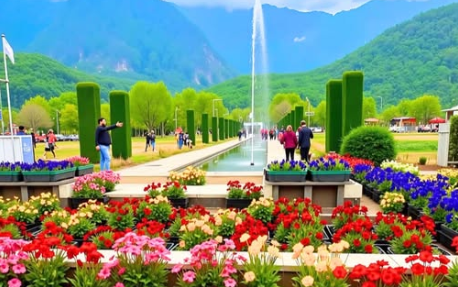
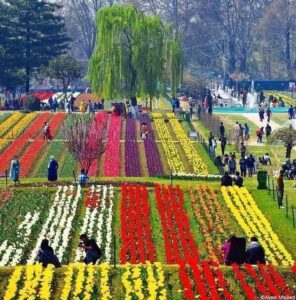
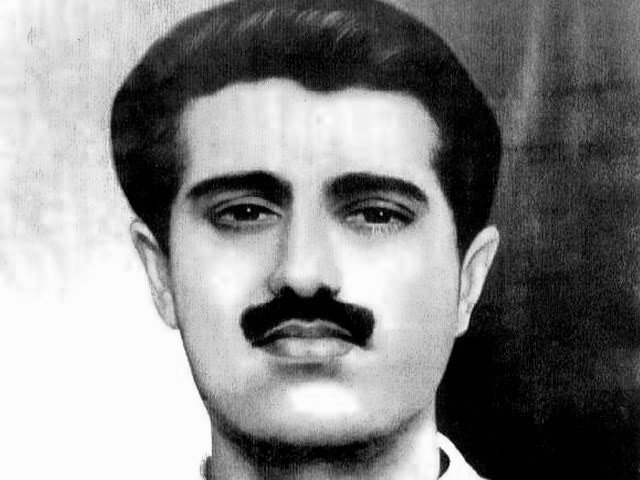




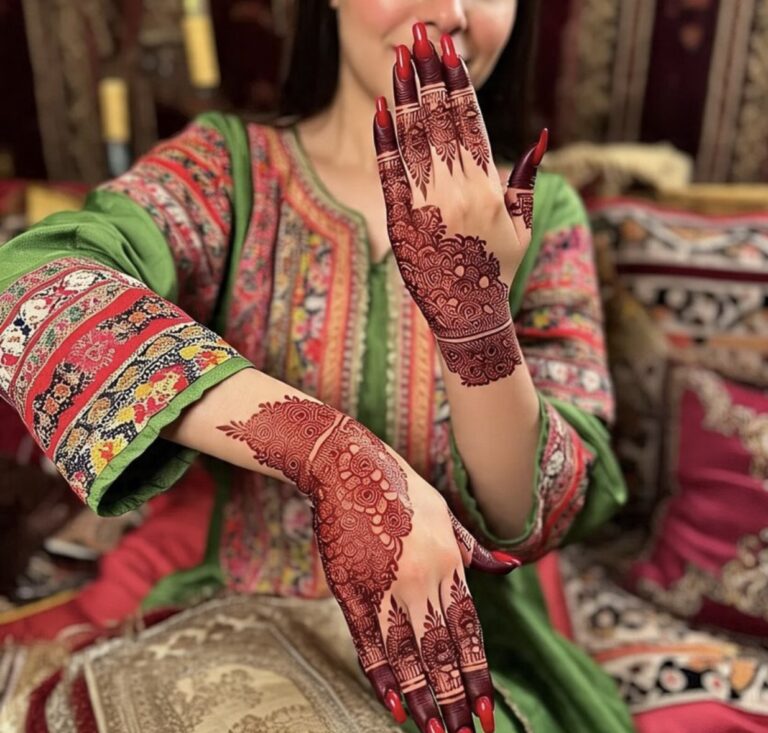

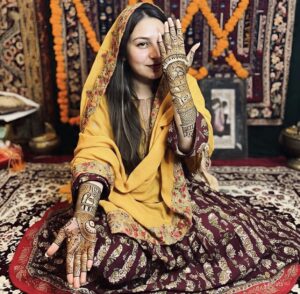
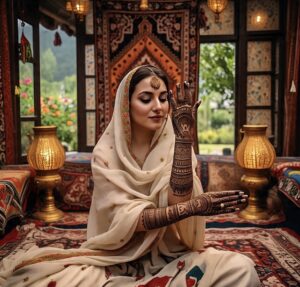
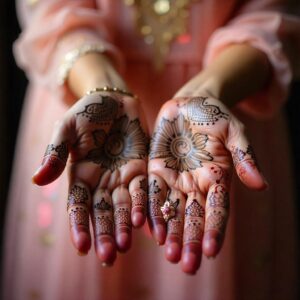
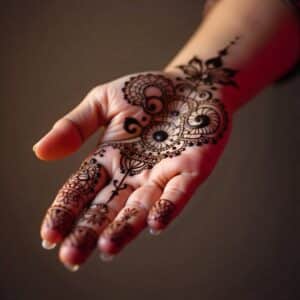

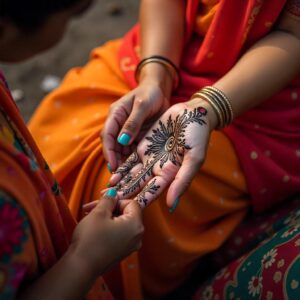






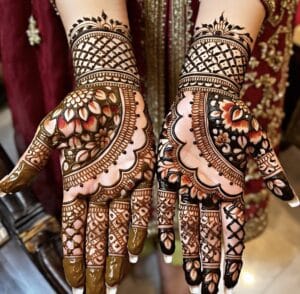

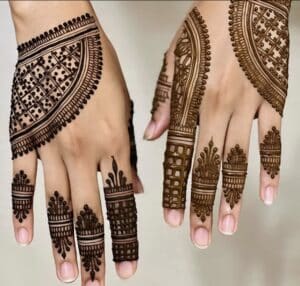

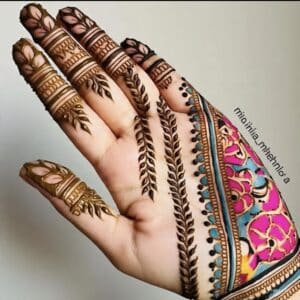

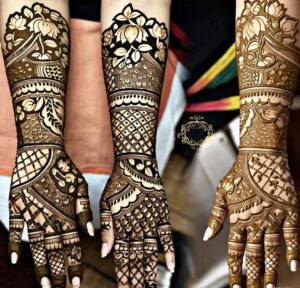
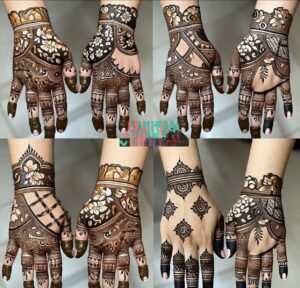
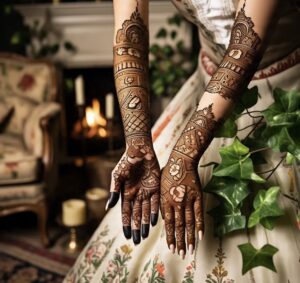
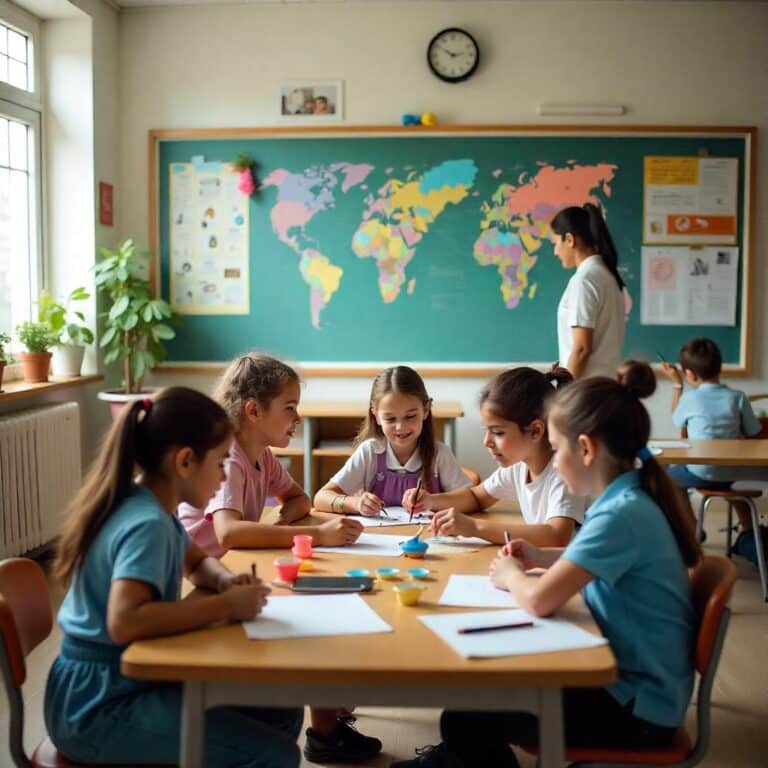

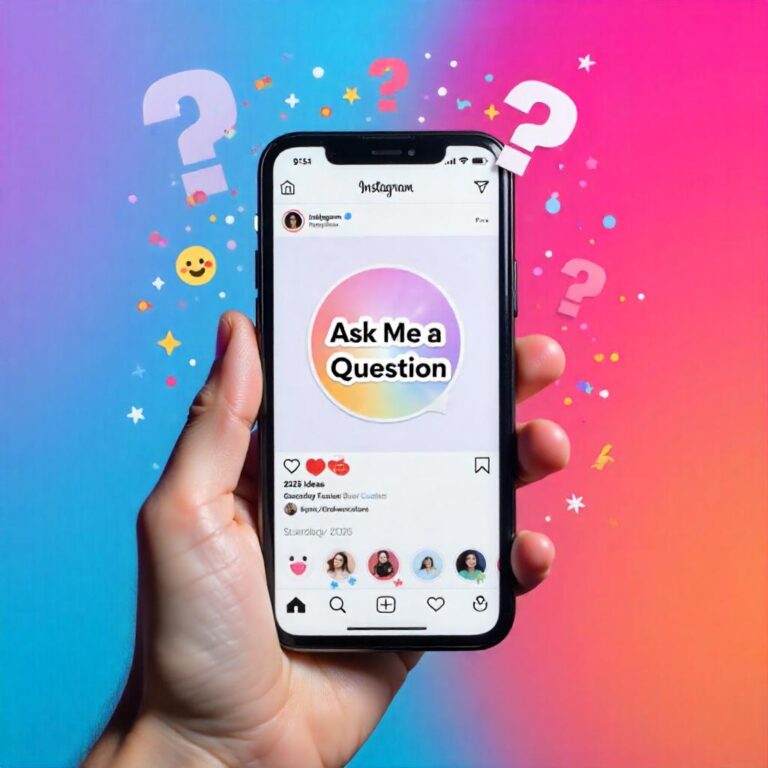
![Top 500+ WhatsApp Bio Ideas for Boys & Girls [Funny, Attitude, Cool, Short]](https://azaditimes.com/wp-content/uploads/2025/05/freepik__the-style-is-candid-image-photography-with-natural__63005-768x768.jpeg "Top 500+ WhatsApp Bio Ideas for Boys & Girls [Funny, Attitude, Cool, Short]")