The roots of the Kashmir conflict stretch back decades, influenced by political ambitions, cultural disputes, and the fallout of colonial legacies. In the wake of the 1947 partition of India, disputes over territorial claims and self-determination became pronounced. Over time, unresolved tensions culminated in a series of events that would eventually lead to the tragic events of January 1990.
During the late 1980s, Kashmir was already simmering with discontent. The 1987 state elections, tainted by allegations of electoral fraud and political manipulation, deeply undermined the trust that the Kashmiri people had in their governance. As many residents perceived the elections as a deliberate ploy to suppress their democratic rights, deep-rooted frustrations began to surface.
By 1989, these political rancors had given way to a growing militancy, largely led by the Jammu and Kashmir Liberation Front (JKLF). Many young Kashmiris, disillusioned by a sense of systemic injustice, began embracing armed struggle as a perceived pathway to reclaiming their rights. Against this backdrop, January 1990 emerged not as an isolated event but as the culmination of years of mounting grievances.
The Unfolding of Events: A Timeline of Turmoil in January 1990
The events of January 1990 in Kashmir were not the result of a single incident; instead, they were a series of interlinked episodes that rapidly escalated into full-blown violence. Below is a detailed timeline highlighting the key episodes that have defined “Kashmir January 1990” as a historical inflection point.
1. The Exodus of Kashmiri Pandits: January 19, 1990
On January 19, 1990, Kashmir witnessed one of its most heart-wrenching episodes. Driven by a maelstrom of fear and orchestrated by campaigns of hate, Kashmiri Pandits the long-established Hindu community in the valley—were mercilessly targeted. Announcements from local mosques and widespread hate propaganda demanded that Pandits either convert to Islam, leave the valley, or face violent reprisals. This led to the forcible exodus of approximately 90,000 to 100,000 Kashmiri Pandits, forever altering the demographic and cultural landscape of the region.
2. Mass Protests and Clashes: January 21, 1990
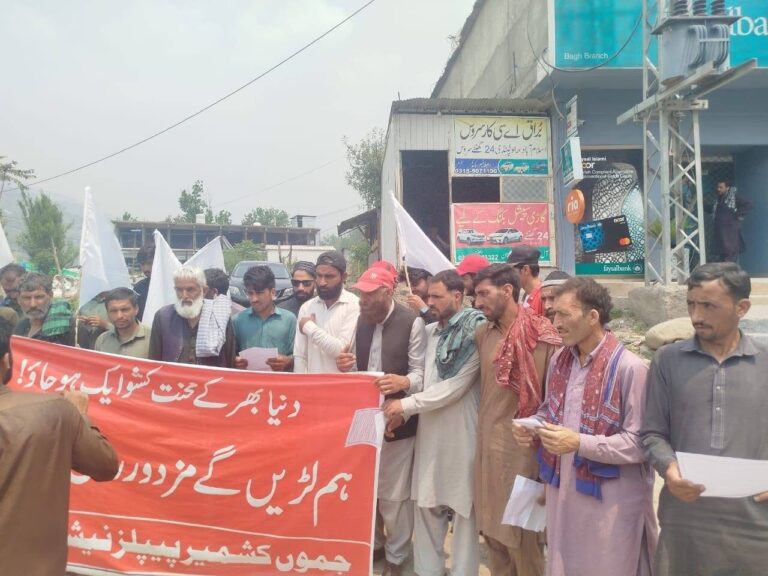
In the immediate aftermath of the targeted exodus, tensions reached a boiling point. On January 21, 1990, thousands of demonstrators gathered at strategic locations, including the iconic Gawkadal Bridge in Srinagar. The protests, initially a reaction to political arrests and allegations of widespread human rights abuses, soon transformed into violent clashes. The scene at Gawkadal Bridge remains etched in the collective memory of Kashmiris as a symbol of both resistance and profound despair.
3. The Hindwara Massacre: January 25, 1990
January 25, 1990, marked yet another horrific episode. In the locality of Hindwara, large-scale protests erupted aiming to demand accountability for the extrajudicial actions that had already claimed numerous lives. The ensuing clashes resulted in what is widely referred to as the Hindwara Massacre. Eyewitness reports from the day recount scenes of chaos as crowds were met with a heavy-handed response from state forces, further deepening the sense of malaise and entrenching fears among the civilian population.
4. The Raulpur Incident: Another Tragic Day
Also on January 25, an incident in the Raulpur area of Srinagar added another tragic layer to the month’s narrative. In a surprising turn of events, an operation targeted members of the Indian Air Force stationed in the region. In this tragic episode, 4 air force personnel lost their lives while 10 others were injured. This event not only inflamed local sentiments but also escalated the military and political stakes involved in the conflict.
The Human Dimension: Stories from Kashmir January 1990
Quantifying the human cost of conflict often falls short of encapsulating the true depth of suffering. The events of Kashmir January 1990 are replete with personal stories of loss, survival, and resilience. Countless Kashmiri families continue to bear the scars of that tumultuous time.
Survivors recall a day when normal life dissolved into chaos; entire communities were uprooted, and the bonds of trust that once held neighborhoods together were irrevocably shattered. The mass migration of Kashmiri Pandits, in particular, has left a lasting void—a poignant reminder of what happens when fears and hostility dominate civic life.
In subsequent years, the psychological impact of the violence has had profound effects on the collective psyche of the region’s inhabitants. Efforts by local NGOs and international humanitarian organizations have been critical in providing mental health support and fostering communal reconciliation, though the scars remain deep and raw.
Political Implications: Reshaping the Regional Landscape
The far-reaching consequences of Kashmir January 1990 went beyond immediate human suffering to influence political dynamics in the region. The upheaval fundamentally altered the relationship between the Kashmiri populace and the state apparatus.
Erosion of Faith in the Political Process
The tarnished electoral process of 1987 and subsequent events led to a severe erosion of trust in public institutions. The Kashmiri people, disillusioned by what they perceived as systematic neglect and blatant manipulation, lost faith in democratic processes. This loss of trust was pivotal in propelling a segment of the youth toward militancy, further complicating the political landscape.
The Rise of Militancy and Its Aftermath
The events of January 1990 accelerated the rise of militant organizations in Kashmir. The mass exodus of Kashmiri Pandits and the subsequent violent protests created an atmosphere where radical ideologies thrived. Militancy, backed by both internal and external factors, became a rallying cry for those who felt marginalized. This period marked the beginning of a sustained era of insurgency that would continue to shape Kashmir’s future for decades.
Policy Shifts and Government Actions
In the aftermath of the upheaval, the government was forced to reconsider its approach to managing the conflict. Policies were both repressive and, in some cases, conciliatory. However, attempts at reconciliation were often met with skepticism by a populace that had witnessed firsthand the brutal consequences of state intervention. The failure to adequately address underlying political grievances contributed significantly to the ongoing cycles of unrest.
Economic and Social Consequences: The Ripple Effects
Beyond the immediate political and human toll, the events of Kashmir January 1990 cast long shadows on the region’s economic and social structures.
Economic Disruption and Loss of Livelihoods
The constant state of uncertainty and violence significantly disrupted normal economic activities in Kashmir. Commercial activities came to a near standstill. Agriculture, which had long been a cornerstone of the regional economy, suffered immensely due to displacement and instability. Moreover, the once-flourishing tourism industry—a critical source of revenue—was decimated by the rampant insecurity. The economic fallout compounded the existing distress, making recovery an uphill struggle for local communities.
Social Fabric: A Community in Mourning
The social impact of the events is just as profound as the economic and political consequences. Traditional community bonds were weakened, and longstanding social structures faced unprecedented stress. Families were divided, entire communities found themselves isolated, and a pervasive sense of mistrust spread across the societal landscape. The loss of cultural heritage—especially that of the Kashmiri Pandits—represents an irreplaceable void in the region’s diverse tapestry.
Education, Culture, and the New Generation
While the immediate aftermath brought a halt to educational and cultural activities, the resilience of the Kashmiri people eventually paved the way for a gradual revival. Educational institutions, though slow to recover, emerged as bastions of hope and reform. The younger generation, now fully aware of their historical legacy, began to reimagine a future where their heritage could thrive alongside modern aspirations.
Cultural production, including literature, music, and visual arts, began to take on a new role. Artists and intellectuals used their platforms to critique past injustices and explore pathways toward reconciliation. This cultural renaissance not only served as a medium for healing but also played a vital role in redefining the region’s identity for the global stage.
International Response and Media Coverage
The international community’s gaze was firmly fixed on Kashmir during this period. The events of January 1990, encapsulated by the keyword “kashmir january 1990”, resonated far beyond the borders of the subcontinent. Global media outlets reported extensively on the humanitarian crisis and the political turmoil engulfing the region.
Media Narratives and Global Perspectives
International journalists brought attention to the plight of the Kashmiri people, often providing contrasting narratives to those prevalent in local discourse. Major newspapers, television networks, and online platforms highlighted not only the violent outbreaks but also the underlying causes—such as the erosion of democratic processes and systemic discrimination.
While international media coverage played a crucial role in garnering global support, it sometimes risked oversimplifying a deeply complex situation. Independent news outlets based in Kashmir have since made it their mission to offer nuanced perspectives that give voice to local realities. This balanced reportage is essential in a world where one-dimensional narratives can obscure the subtleties of Kashmir’s ongoing struggle for justice and dignity.
Diplomatic and Humanitarian Interventions
In response to the unfolding crisis, several international organizations and foreign governments engaged in diplomatic efforts, calling for dialogue and reconciliation. Humanitarian agencies were dispatched to provide immediate relief, deliver much-needed medical aid, and assist in the resettlement of displaced populations. However, while these efforts helped alleviate some of the immediate suffering, they also underscored the need for a long-term political solution that addresses the root causes of the conflict.
The Struggle for Justice and Reconciliation
The aftermath of Kashmir January 1990 has left a legacy of unresolved questions and enduring pain. For many Kashmiris, the events of that period remain a profound reminder of the cost of political intransigence and the brutal consequences of unchecked violence.
One of the most pressing issues in the post-January 1990 era has been the quest for accountability. Families continue to seek justice for the loss of their loved ones, and many remain haunted by the absence of a comprehensive truth and reconciliation process. The demand for an impartial investigation into the human rights abuses during that period remains a potent rallying cry for activists and survivors alike.
Efforts to document these abuses have taken various forms—from grassroots initiatives to international legal campaigns. The hope is that by unearthing and acknowledging the full truth of what transpired during those fateful days, a foundation can be laid for genuine healing and restoration of trust.
Initiatives for National Healing
Local civil society organizations and humanitarian groups have long stressed the importance of initiating a structured truth and reconciliation mechanism. Such a process would involve open dialogue with survivors, a commitment to documenting historical injustices, and steps toward legal redress. While the political will required to implement these measures has often been in short supply, there is a growing consensus that reconciliation is essential for any renewed hope of lasting peace.
Community-led initiatives have emerged as a beacon of hope. Local peace committees, cultural forums, and educational projects have all served to create spaces where dialogue can replace enmity and where collective memory is used as a tool for healing rather than division.Economic Revival and the Road Ahead
As Kashmir continues to grapple with the legacy of January 1990, efforts to rebuild its economy and restore normalcy have taken center stage. The region’s natural resources, its rich cultural heritage, and the indomitable spirit of its people all offer promising avenues for renewal.
The long-term recovery of Kashmir hinges on the revitalization of its key economic sectors, notably agriculture and tourism. Progressive initiatives aimed at modernizing agricultural practices, ensuring fair market access, and supporting local farmers are crucial steps toward economic stabilization. Similarly, reigniting the tourism sector can not only generate vital revenue but also reintroduce the world to the unparalleled beauty of Kashmir.
Governmental and non-governmental organizations are working in tandem to create a conducive environment for economic growth. Infrastructure redevelopment projects, enhanced connectivity, and targeted financial support are all part of a broader strategy to rebuild a war-torn economy. While the road to recovery is fraught with challenges, the resilience demonstrated by the people of Kashmir in the aftermath of January 1990 fuels optimism.
Empowering the Next Generation
Central to Kashmir’s future is the empowerment of its youth. Education, skill development, and access to global opportunities can lay the foundation for a more dynamic and inclusive society. With a focus on innovation and entrepreneurship, many young Kashmiris are harnessing digital technologies to create new business opportunities and challenge stock narratives of conflict and despair.
Initiatives led by local educational institutions, in collaboration with international partners, aim to create a generation that is not defined by the past but is equipped to build a prosperous and just future. Invested in creative arts, technology, and civic activism, the youth of Kashmir are emerging as the torchbearers of a new era. Their energy and vision offer a counter-narrative to decades of conflict, showcasing that hope and progress may well be the defining traits of post-1990 Kashmir.
Long-Term Impacts and the Global Quest for Peace
The repercussions of Kashmir January 1990 are still evident in the region’s governance, its social fabric, and its international relations. For those seeking to understand contemporary geopolitics, the events of this critical month serve as a case study in the dynamics of insurgency, state power, and the global fight for human rights.
Shaping Regional Politics
The legacy of January 1990 continues to influence regional politics in profound ways. The experience of a protracted conflict has instilled a sense of skepticism toward centralized authority among many Kashmiris. This has, in turn, catalyzed demands for greater regional autonomy and more participatory governance. While various political groups propose different solutions to these issues, the underlying call for inclusivity and accountability remains a constant.
The transformation in local political thought has also led to a re-examination of historical narratives. There is a growing movement to revisit and rewrite the history of Kashmir in a way that acknowledges both the dark chapters and the moments of resilience. Historians, activists, and policy-makers are increasingly advocating for an integrated approach to governance—one that aligns with the aspirations of the diverse Kashmiri populace.
Global Solidarity and Advocacy
Internationally, the events encapsulated by the term “kashmir january 1990” have galvanized advocacy groups, human rights activists, and global think tanks. The ongoing conversation in global forums underscores the importance of addressing long-standing grievances and promoting sustainable peace processes. As diplomatic initiatives continue to seek a resolution to the conflict, the persistent international focus serves as a reminder of the universal pursuit of justice and human dignity.
Advocates warn that unless the historical injustices of January 1990 are fully acknowledged and addressed, the potential for future conflict will remain high. They call for comprehensive measures that not only provide reparations for past suffering but also invest in building resilient institutions designed to safeguard human rights in turbulent times.
Reflections on Kashmir January 1990: A Timeless Lesson
The narrative of “kashmir january 1990” is more than a chronicle of violence and displacement; it is a reflection on the cost of political inaction and the resilience of a people determined to reclaim their destiny. In many ways, the events of this turbulent period continue to serve as a somber reminder of the consequences that arise when voices of dissent are stifled and democratic institutions are undermined.
Lessons for Future Generations
For the new generation of Kashmiris and the broader international community, the events of January 1990 are a clarion call for vigilance against injustice. They underscore the importance of upholding democratic values, ensuring transparency in governance, and fostering a culture of accountability. The past, though fraught with pain, holds critical lessons that can guide contemporary efforts to build a more inclusive society.
By learning from history, present-day policymakers and civil society leaders have the opportunity to chart a course toward a future where peace and prosperity are common realities rather than distant aspirations. The lessons of unity, resilience, and hope that emerged from the dark days of January 1990 continue to inspire movements that strive to bridge old divides and create a shared narrative for reconciliation.
Embracing a New Narrative
In the modern era, Kashmir stands at the crossroads between a tumultuous past and the promise of a renewed future. As voices from all sections of society push for transparency and holistic reform, there is a growing realization that the path ahead must be paved with collaboration, empathy, and unwavering justice. The power of storytelling—through literature, journalism, and art—is instrumental in this endeavor. By accurately documenting the events of “kashmir january 1990,” and using them as a foundation for a more equitable discourse, Kashmiri society can begin to heal old wounds and build bridges for lasting peace.
The Enduring Relevance of Kashmir January 1990
Kashmir January 1990 is not merely an historical footnote. It represents a pivotal juncture that reshaped the region’s destiny. The exodus of Kashmiri Pandits, the tragic clashes at Gawkadal Bridge, the Hindwara massacre, and the Raulpur incident are all chapters in a story that continues to resonate today. Each incident serves as a reminder of the high cost of discord and the urgent need for sustainable justice and reconciliation.
Published by The Azadi Times – Bringing the multifaceted stories of Kashmir to a global audience, with a commitment to truth, justice, and reconciliation.