Monday, March 30, 2026
12.9 C
Srinagar
Home Blog Page 132

Kashmiri Dum Aloo Recipe: A Spicy, Flavorful Delight

Kashmiri Dum Aloo is a classic dish from the Kashmir region that showcases the delicate balance of aromatic spices and slow-cooked potatoes. This dish is made using baby potatoes, cooked in a fragrant, rich gravy of yogurt and traditional Kashmiri spices. Perfect for family gatherings, it pairs well with rice or naan and is a favorite in Kashmiri cuisine.

(Recipe No 25152)

Basic InformationDetails
Preparation Time15 minutes
Cooking Time35-40 minutes
Servings4 people
Calories per Serving250-300 calories


Ingredients:

IngredientsQuantity
Baby potatoes (peeled & pricked)10-12
Mustard oil3 tablespoons
Onion (finely sliced)1 large
Ginger-garlic paste2 teaspoons
Kashmiri red chili powder1 teaspoon
Ground coriander1 teaspoon
Ground cumin1 teaspoon
Fennel powder (saumph)1 teaspoon
Turmeric powder1/2 teaspoon
Green cardamom pods2-3 pods
Cinnamon sticks1-2 sticks
Cloves4-5 pieces
Bay leaves2 leaves
SaltTo taste
Yogurt (whisked)2 tablespoons
Fresh coriander (for garnish)2 tablespoons (chopped)
Water1/4 cup

Step-by-Step Instructions:

StepInstructions
1. Prepare the PotatoesHeat 1 tablespoon mustard oil in a pan. Fry the baby potatoes until golden brown. Set aside.
2. Prepare the GravyIn the same pan, heat the remaining oil and add whole spices (cardamom, cinnamon, cloves, bay leaves). Let splutter. Add sliced onions and sauté till golden brown.
3. Add the SpicesStir in ginger-garlic paste, Kashmiri red chili powder, ground coriander, ground cumin, fennel powder, and turmeric. Cook for 2-3 minutes.
4. Add YogurtAdd whisked yogurt to the gravy, stirring continuously to blend. Cook for another 3-4 minutes.
5. Cook the Dum AlooAdd the fried potatoes to the gravy, mix well, add salt, and pour 1/4 cup water. Cover and cook on low heat for 15-20 minutes until potatoes are tender.
6. Garnish and ServeGarnish with fresh coriander leaves. Serve hot with steamed rice, naan, or roti.

Pro Tip:

To make the dish richer, add a pinch of saffron to the gravy while it simmers for an aromatic flavor.

Health Benefits of Kashmiri Dum Aloo:

This hearty dish is rich in nutrients and offers several health benefits. Baby potatoes are a good source of vitamins, minerals, and antioxidants, while the combination of cumin, coriander, and fennel aids in digestion and metabolism. The mustard oil used in the recipe is known for its healthy fats, which are beneficial for heart health.

Kashmiri Kahwa: The Perfect Blend of Taste, Health Benefits, and Heritage

The valley of Kashmir is as rich in history and political turmoil as it is in culture and natural beauty. From admiring Srinagar’s famous houseboats to trekking on its rugged trails, one can also indulge in the spicy Kashmiri cuisine and a variety of teas. For many of us, starting the day with a warm cup of tea is a daily ritual, whether we live in the cold valleys of Kashmir or not. Tea rejuvenates us, energizes us, and prepares us to face the day ahead. And what could be better than beginning your day with Kashmiri Kahwa – a special tea that is a perfect blend of delightful taste, aromatic spices, and numerous health benefits? Kahwa has long been recognized as an integral part of Kashmiri cuisine.

The Origins of Kahwa

A sip of Kahwa is enough to transport you to the breathtaking valleys of Kashmir. While its exact origin remains uncertain, it is believed that Kahwa tea leaves originated in the Yarkand Valley of China. Meanwhile, some ancient generations claim that tea was introduced to the Indian subcontinent through spice trade routes.

Kahwa is widely consumed in northern Pakistan, Afghanistan, the Kashmir Valley, and several Central Asian countries. With its roots in Arabic traditions, Kahwa is now a quintessential part of Kashmiri cuisine and culture.

Ingredients in Kahwa

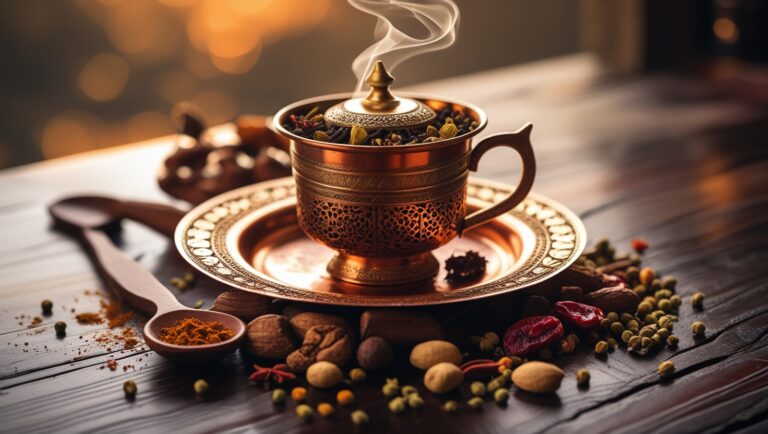
Kahwa is a unique infusion of Kashmiri green tea leaves, whole spices, almonds, and saffron. Traditionally, it was brewed in a Samovar, a brass kettle. The Samovar has a hollow central section where hot coals are placed, surrounded by space for boiling water and other tea ingredients.

There are various types of Kahwa tea, each with its distinct flavor and aroma depending on the combination of ingredients used. Classic additions to Kashmiri Kahwa include saffron, cinnamon, cardamom, and cloves. Occasionally, dried fruits such as raisins, pistachios, walnuts, almonds, cashews, dried apricots, or dates are also added.

Health Benefits of Kahwa

Apart from its splendid taste, Kahwa is also renowned for its therapeutic properties. This tea offers numerous health benefits, including relief from sore throat. Additionally, the nutrients in Kahwa aid digestion and boost the immune system. In stressful situations, Kahwa acts as an excellent remedy by calming the nervous system and improving overall well-being.

1. Aids in Fat Loss

Kashmiri Kahwa is known to suppress appetite and help burn fat. Research suggests that it increases fat oxidation and reduces the time it takes for your body to convert food into calories. A faster metabolism makes it easier to lose weight. Consuming this tea between meals effectively curbs hunger pangs and prevents frequent cravings.

2. Boosts Immunity

The saffron in Kahwa is rich in Vitamin B12, which helps replenish the body’s defense mechanisms. Its high antioxidant content protects your body from infections or illnesses, especially during the winter season. Kahwa is an excellent home remedy for colds, sore throats, and chest congestion. It helps clear mucus buildup during colds and provides relief from coughs. The warm beverage also soothes the chest, making it easier to breathe.

3. Improves Blood Circulation

Kahwa is also known to improve blood circulation. The tea helps relax blood vessels, thereby enhancing circulation. This property reduces the likelihood of blood clots and lowers the risk of heart disease.

4. Maintains Healthy Skin

Kahwa is quite beneficial in treating acne, redness, and dryness of the skin. It provides essential nutrients that offer incredible benefits for the skin, improving its texture and quality. The natural oils in almonds, often added to Kahwa, help retain skin moisture.

The inclusion of rose petals in Kahwa helps maintain the pH balance of the skin. Additionally, the presence of Theanine in Kashmiri Kahwa aids in cleansing the skin and keeping it radiant.

A Cultural Symbol

Kashmiri Kahwa is more than just a beverage; it’s a symbol of hospitality and tradition. It is served on special occasions, festivals, and during gatherings as a gesture of love and respect.

This unique tea is a true reflection of Kashmir’s natural beauty, warm hospitality, and rich culture. A single cup of Kahwa not only rejuvenates your body but also connects you with the enchanting spirit of the Kashmir Valley.

Common Winter Diseases! How to Treat Them?

0

Liaquat Ali Jatoi

There are many minor illnesses that can affect anyone during the winter months. Not everyone affected needs to see a doctor, as most common winter illnesses can be cured on their own with home remedies or simple over-the-counter medications. However, if you experience severe symptoms, you should definitely see a doctor.

Cough: Cough is a common winter problem. One in five people have a cough during the winter. Symptoms can last for up to three weeks, but in some cases, they can last up to eight weeks. What can I do to feel better? Home remedies can be helpful for a common cough. Mix a glass of warm water with the juice of one lemon and a teaspoon of honey (not suitable for children under 1 year old).

If you experience the following symptoms, you should consult a doctor immediately: For example, a cough that lasts for more than three weeks, coughing up blood, coughing with chest or shoulder pain, difficulty breathing, unexplained weight loss in the past six months, hoarseness or a change in your voice for more than three weeks and the cough persists even after it improves, new lumps or swelling around your neck and above your collarbones. It is essential to consult a doctor.

Cold: Symptoms of a cold include a stuffy nose, sneezing, cough, sore throat, and a mild fever. Symptoms usually last for about ten days. Colds are very common and usually harmless infections that get better over time without the need to see your doctor.

What can I do to feel better? It is important that you rest, eat healthily and drink plenty of fluids. You do not need to visit a doctor to consult about common cough and cold medicines. You can also consult a certified pharmacist sitting at your nearest medical store, who can prescribe you common pills. Keep in mind, most of the medical stores here are run by uncertified people, so you should confirm that they are certified pharmacists before consulting. Yes! When should you contact a doctor?

You should see a doctor immediately if you experience the following: a very high temperature or you feel hot and shivery, a long-term medical condition, a weakened immune system, for example, due to chemotherapy, chest pain, coughing up blood with mucus, difficulty breathing, swollen glands in your neck or armpits, symptoms persist for three weeks.

Sore throat: Symptoms of a sore throat usually last about a week without any treatment. To help treat a sore throat, you can:

Adults can take lozenges, ice cubes, or ice lollies, eat a soft diet, gargle with warm salt water can help reduce swelling and pain (children should not try this), avoid smoking and smoky places, and drink plenty of water. You can ask a certified pharmacist about ways to relieve the pain and discomfort of a sore throat. Contact a doctor immediately if you have the following symptoms:

Your symptoms last longer than 10-14 days, or are getting worse, you have a sore throat and a very high temperature, or you feel hot and shivery, you have difficulty swallowing and severe pain, you are dehydrated, you have a weakened immune system, you are making a high-pitched sound when you breathe (called a stridor), you have severe symptoms and are getting worse quickly, nasal congestion and sinusitis.

Symptoms of nasal congestion and sinusitis can last up to three weeks and may include: a blocked or runny nose, facial pain or tenderness, mild fever, headache, pressure in the ears, cough, and loss of taste and smell.

Most people will get better without treatment. To help reduce symptoms, get plenty of rest and drink plenty of water. You can consult a qualified, certified pharmacist for common over-the-counter medications. Contact your doctor if your symptoms are severe, pain relievers are not effective, your symptoms do not improve after a week, or you continue to have sinusitis.

Flu: Flu is a common respiratory virus that spreads through the air when you cough or sneeze. It can also be spread when you touch surfaces that have the virus on them and then touch your eyes, nose, or mouth with the same hand. For most people, the flu causes mild symptoms, but if you are already sick, the flu can cause serious illness. Symptoms of the flu include a high temperature, fatigue, headache, and a dry, chesty cough.

Flu vaccine: The flu vaccine is the safest and most effective way to help protect against the flu. It also helps reduce the risk of spreading the flu to others. Rest, stay warm, and drink plenty of fluids to help you feel better. Over-the-counter medications can help reduce fever and pain.

Contact your doctor right away if you are concerned about your or your child’s symptoms, are over 65 years of age, are pregnant, or have a long-term medical condition, such as diabetes or a condition that affects your heart, lungs, kidneys, brain, or nerves. Your immune system is weakened, for example, from chemotherapy, or if your symptoms do not improve after seven days.

Gulmarg Gondola: Asia’s Highest Cable Car Welcomes Over 1 Million Visitors in 2024

0

Srinagar, Jammu & Kashmir – The Gulmarg Gondola, Asia’s highest and longest cable car, achieved a groundbreaking milestone in 2024, attracting over 1 million tourists from across the globe. This remarkable feat highlights Jammu & Kashmir’s growing stature as a premier international travel destination.

Official reports reveal that the Gondola welcomed 995,800 visitors this year, with a sharp increase during November and December when 148,357 tourists visited Gulmarg. These months alone generated a revenue of $1.4 million for the Jammu & Kashmir Cable Car Corporation (JKCCC), showcasing the region’s tourism boom.

A Winter Wonderland

Speaking on the Gondola’s increasing demand, a senior JKCCC official stated, “The winter season has always been a crowd-puller. With snowfall and winter sports in full swing, we have been operating at full capacity for the last two months. To meet the rising demand from last-minute travelers, particularly international tourists, we introduced an instant ticketing system.”

The official assured visitors of a seamless experience: “Our Gondola remains accessible to everyone, even for last-minute plans, while ensuring top-notch safety for all guests.”

Aiming High: $12 Million Target by March 2025

With a projected 10–12% increase in tourist inflow, the JKCCC has set an ambitious revenue target of $12 million for the fiscal year ending March 2025, with a net tax contribution of $7.2 million. The Corporation is also enhancing infrastructure and upgrading ticketing systems to ensure an improved and effortless visitor experience.

Unmatched Beauty and Adventure

The Gulmarg Gondola operates in two thrilling phases, offering breathtaking views of the Pir Panjal mountain range:

  • Phase 1: Links Gulmarg with Kongdoori at 8,530 feet.
  • Phase 2: Elevates visitors to the Apharwat Peak at a stunning altitude of 13,780 feet.

This extraordinary experience has made the Gondola a top attraction for both domestic and international tourists, solidifying its reputation as a global icon of Jammu & Kashmir.

Global-Class Tourism with Digital Innovation

To cater to the surge in visitors, JKCCC recently launched an online instant ticketing system, ensuring hassle-free access for travelers. “We aim to provide a world-class experience to all visitors, combining natural beauty with modern convenience,” said the spokesperson.

JKCCC remains committed to positioning Gulmarg as a global destination, blending the region’s unparalleled landscapes with state-of-the-art facilities.

The Truth Behind the 5th January 1949 Resolution – Justice (R) Syed Manzoor Hussain Gillani

0

Every year on January 5th, Kashmiris in Pakistan and around the world commemorate the day as the “Accession to Pakistan Resolution Day” under the auspices of the UN Security Council. However, this resolution was not passed by the Security Council itself, but by the “Commission for India and Pakistan” which was established by the Security Council.

This distinction is often overlooked, and the day is celebrated by the masses as if it marks the granting of the right to self-determination for Kashmiris by the UN Security Council. While the day and its association with self-determination may seem familiar, the truth behind it is much more nuanced, and it has often been celebrated as a festival without understanding its legal and diplomatic context.

The legal and diplomatic background traces back to India’s complaint to the UN Security Council on January 1, 1948, accusing Pakistan of violating international law by allowing tribal forces to intervene in the state of Jammu and Kashmir on October 22-24, 1947. India argued that Kashmir’s accession to India had been formalized and Pakistan’s involvement in the conflict was a violation of this agreement, urging the Security Council to order Pakistan to withdraw its forces. Pakistan rejected these allegations, asserting that the accession was illegal and that the people of Kashmir were fighting for their independence, with an independent government established in part of the state.

The Security Council, in response, adopted its first resolution on January 17, 1948, calling on both India and Pakistan to take steps to improve the situation and refrain from any actions that would exacerbate the conflict, advising both countries to notify and consult the Security Council regarding any changes in the situation.

In its second resolution, on January 20, 1948, the Security Council created a commission (later known as the UN Commission for India and Pakistan, UNCIP), tasked with visiting the region and working under the authority and instructions of the Security Council to investigate the situation and mediate between the two countries, taking into account the positions presented in India’s complaint and Pakistan’s response.

On February 6, 1948, the Security Council passed its third resolution, stating that the peaceful solution to the dispute, through the process of holding a plebiscite to determine whether the state of Jammu and Kashmir should accede to India or Pakistan, was in the best interests of both India and Pakistan. The resolution also clarified that the plebiscite would occur once hostilities ceased, with both parties withdrawing armed forces, and the people of Kashmir would exercise their right to self-determination through a democratic and peaceful vote.

This resolution outlined principles for ending violence, removing armed personnel, and restoring law and order in the state, with the military tasked with maintaining peace until the plebiscite took place.

The fourth resolution, passed on April 21, 1948, endorsed the previous resolutions, and the Security Council confirmed that both India and Pakistan wanted the issue of Kashmir’s accession to be decided through a free and fair plebiscite. The resolution also increased the size of the Commission to five members and instructed them to proceed to the subcontinent to offer their mediation services to both countries and ensure cooperation in holding the plebiscite.

In its June 3, 1948, resolution, the Security Council instructed the Commission to reach the disputed areas without delay and to report on the issues raised in Pakistan’s letter of January 25, 1948.

On August 13, 1948, the UNCIP passed its first resolution, which included provisions for a ceasefire and principles for a peaceful settlement, as well as consultation on the plebiscite process.

The second and final resolution passed by the Commission on January 5, 1949, is the one that is most celebrated and regarded as the foundation of the right to self-determination for Kashmiris. However, this resolution pertains to the actions undertaken by the Commission in accordance with the earlier resolutions, as the Commission began to implement them.

This resolution outlines the process for holding a plebiscite in Kashmir, emphasizing that the decision on Kashmir’s accession would be made through a democratic, free, and impartial vote once the ceasefire and other conditions outlined in previous resolutions were in place. The UN Secretary-General, in agreement with the Commission, would appoint the Plebiscite Administrator, who would have the necessary authority to ensure the fair conduct of the vote, with the cooperation of the governments of India and Pakistan.

The January 5, 1949 resolution is essentially a procedural document that clarifies the steps required to implement earlier Security Council resolutions, particularly the January 5, 1949, resolution being a mechanism for ensuring the plebiscite takes place under the conditions of peace and fairness.

While Kashmiris celebrate January 5th as “Self-Determination Day,” it is important to understand the legal and diplomatic history behind this day. The resolutions of the UN Security Council, particularly the third resolution of February 6, 1948, are the true foundation of the right to self-determination for the people of Jammu and Kashmir. The January 5th, 1949 resolution is not the basis of the plebiscite but rather the procedural framework for its implementation.

Kashmiris, especially students and young people, should take this opportunity to understand the true significance of this day, especially in the context of the international law and diplomatic developments that led to the current situation.

Restoring the Tradition: Harnessing Rainwater for a Sustainable Kashmir

0

Title: 

Category: Environment, Kashmir’s Heritage, Sustainability, Water Conservation

Content:

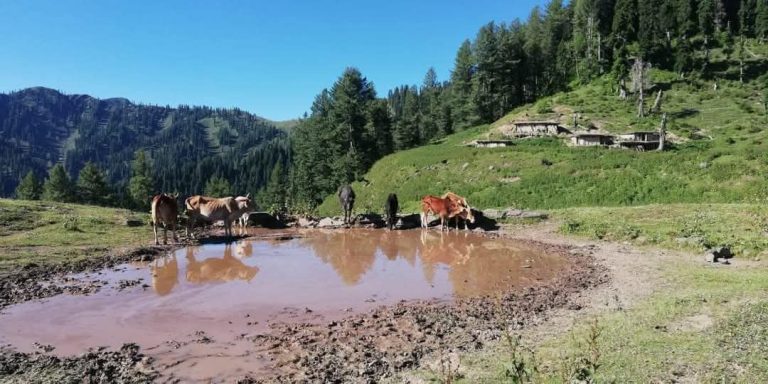
In the times of the Dogra (Hindu) rule, Kashmiris took remarkable care of their environment and water resources. As summer began, it was a customary practice for the people of Kashmir to prepare the water reservoirs, known as “Jabdar, Jabb, or Jabri”, on the highlands. These reservoirs were cleared and readied to store the seasonal rainwater, ensuring a constant supply of water for both livestock and agriculture during the dry periods.

The rainwater collected in these high-altitude reservoirs not only catered to the immediate needs of the people but also recharged the underground water levels. This in turn ensured the continuation of freshwater springs that sustained lower regions. The stored water was used for agriculture, providing essential irrigation, and also supported the local wildlife. These practices, deeply rooted in Kashmir’s heritage, were essential for preserving the delicate balance of nature in the region.

However, today, the situation has changed. We have gained freedom, but at what cost? We have become disconnected from our environment and the responsibilities that came with managing it. Gone are the days when rainwater harvesting was seen as a communal duty; instead, we have become passive consumers of resources. The consequences are now evident  during the months of September and October, many of our freshwater springs run dry. If the rains do not arrive by November or December, the situation worsens, and we find ourselves desperate for even a single drop of water.

It’s time to reflect on our past, revisit our traditional methods, and revive the essential practice of rainwater harvesting. It’s a call for us to restore our old ways and adapt them to modern needs. By investing in Rainwater Harvesting systems, we can preserve precious water resources for our future generations. Rainwater, being naturally clean, fresh, and free from contamination, is a sustainable source of water for both consumption and agriculture.

Kashmir’s water crisis, especially in rural and mountainous areas, is real. But we have the power to combat it, starting with small steps. From rooftop rainwater harvesting to the restoration of traditional water reservoirs, we can gradually reduce the stress on our existing freshwater resources.

Let us take responsibility for the water that nourishes us, as our ancestors once did. Let’s begin by restoring Jabb, investing in sustainable water management, and ensuring that the coming generations can enjoy the same abundance we have inherited. The tradition of Rainwater Harvesting is a sustainable solution for a prosperous and environmentally conscious Kashmir.

Rinchin Shah: The First Muslim King of Kashmir and the New Dawn in Kashmir’s History

0

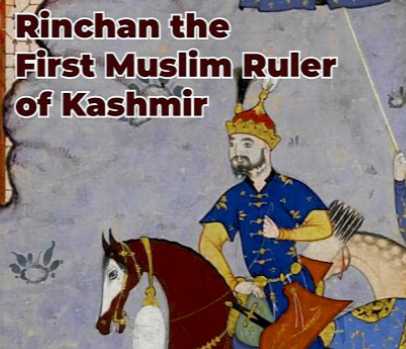
Hazrat Syed Abdul Rahman Turkistani was the first to arrive in Kashmir during the reign of Rinchin Shah. The king of Kashmir embraced Islam at his hands, becoming the first Muslim king of Kashmir. His conversion marked the beginning of the state’s support for Islam, which had significant implications for the spread of the faith in the region. Hazrat Bulbul Shah, his companion Hazrat Mulla Ahmad, and Rinchin Shah’s tombs still lie in Allikadal Srinagar, near the banks of the Jhelum River.

I had the privilege of visiting these sacred sites in 2018-2019 and offered prayers for their souls. I also visited the first mosque in Kashmir, built by Hazrat Bulbul Shah. The mosque, though very simple, was a blessed place. Unfortunately, I was unable to offer prayers there as the mosque was under renovation at the time. It is also notable that the mosque does not have a minaret.

During this time, I was serving as the Zonal Education Officer in Char Dura and Nagam areas of Budgam, Kashmir. Hazrat Bulbul Shah was a Hanafi by school of thought and belonged to the Suhrawardi Sufi order. His spiritual lineage traced back to the renowned Sufi saint Shah Nimatullah Al-Farsi Shirazi. It was under the guidance of his master that Hazrat Bulbul Shah came to Kashmir to spread Islam.

A few years after Hazrat Abdul Rahman Bulbul Shah’s arrival, Hazrat Shah-i-Hamdan Syed Ali Shah Hamadani, with 700 noble descendants, arrived in Kashmir from Hamadan, Iran, in 1314-1384 CE. Hazrat Shah Hamdan was a Shafi’i by school of thought and a Kubrawi by spiritual affiliation. He and his companions spread the message of Islam through wisdom, following the Quranic command, “Invite to the way of your Lord with wisdom” (Quran 16:125). Hazrat Shah Hamdan focused solely on spreading Islam rather than promoting his own sect, which was a sign of great wisdom. Hazrat Shah Hamdan and his companions carried out this mission with remarkable success, spreading Islam throughout the region. He visited Kashmir three times: in 774, 781, and 785 AH.

The Khanqah of Hazrat Shah Hamdan, located on the banks of the Jhelum River in Srinagar, is still standing today. It served as his place of worship and became a center for his religious and missionary work. Today, thanks to the tireless efforts of Hazrat Bulbul Shah and Hazrat Shah Hamdan, around 90-95% of Kashmir’s population is Muslim. Hazrat Shah Hamdan’s missionary work extended beyond Kashmir to Baltistan and Ladakh. Through his efforts, these regions, including Gilgit, Skardu, Dras, Kargil, Bogdang, and Leh, are entirely Muslim today.

Similarly, there are other religious sites around the world associated with the life of Buddha, such as Lumbini in Nepal, where Buddha was born, Bodh Gaya in Bihar, where he attained enlightenment, Sarnath in Varanasi, where he gave sermons to his first disciples, and Kushinagar in Gorakhpur, where he passed away. These places are significant pilgrimage sites for Buddhists, attracting thousands of followers. These sites also present an opportunity for spreading Islam, similar to how the Prophet Muhammad (PBUH) and his companions would preach in marketplaces like Suq ‘Okaz, Suq Dhul-Majaz, and Suq Majnah.

When I visited Sarnath in Varanasi in 2007, I had the thought that we too could engage with people at such religious sites and spread the message of Islam with wisdom and respect. I brought this up with some leaders of Islamic organizations, and I also saw many opportunities for missionary work at Banaras Hindu University (BHU). I visited the Arabic, Pali, and Sanskrit departments there. I found the Arabic department in poor condition, and when I spoke to people in Arabic, they apologized, saying they could not speak the language. I was surprised because they were in the Arabic department but could not converse in Arabic. In contrast, the professors in the Pali and Sanskrit departments were very courteous and friendly.

I was greatly inspired by the words of Hazrat Maulana Muhammad Farooq Khan, who emphasized the importance of understanding the religion, culture, and traditions of the community one seeks to preach to. Hazrat Maulana Farooq Khan was highly active in preaching among Hindu religious leaders and translated the Quran into Hindi. He also wrote a commentary on Maulana Syed Abul A’la Maududi’s book “Tafseer-ul-Quran.” These books, compiled under the title “Kalam-e-Nabuwat,” are available in seven volumes. I read these books in 1983 when I purchased them.

In conclusion, scholars should focus on spreading the message of Islam through wisdom, good advice, and respectful discourse, as commanded in the Quran: “Invite to the way of your Lord with wisdom and good counsel, and argue with them in a way that is best.”

Ghani Kashmiri: The Legendary Persian Poet of Kashmir

0

Ghani Kashmiri is regarded as the leading Persian poet from the land of Kashmir. He was one of the most famous poets of his time. He had numerous admirers in both the Indian subcontinent and Iran. Notable poets such as Saib and Kaleem would travel from Iran to meet him and listen to his poetry. His ancestors had arrived in Kashmir alongside Mir Syed Ali Hamadani (RA), after which they settled there, specifically in the Kawdara area of Srinagar.

His name was Muhammad Tahir, and he came from a humble background. It is said that he did not receive formal education at a school. His father entrusted him to a learned man, Mohsin Fani, who introduced him to the fields of medicine, literature, and philosophy. Ghani began writing poetry at the age of nineteen. Initially, his pen name was Tahir, but after some time, he adopted the pen name Ghani, likely due to his self-reliant nature, love for solitude, and independence.

He was born in 1630 CE. This was a time when the golden era of Muslim rule in Kashmir had come to an end. The beacon of freedom for his homeland had been extinguished, and the entire community was submerged in sorrow and despair. This was because Kashmir had come under Mughal rule during the reign of Emperor Akbar in 1586. Chaos, dissatisfaction, and disorder were rampant. Ghani Kashmiri, who was naturally self-respecting, outspoken, and a lover of freedom, could not stand to see his people’s miserable condition and suffering. He expressed his pain in the form of poetry, and his works contain hints of this anguish.

One of his famous couplets reflects this sense of suffering and protest against the oppression faced by his people:

“کدام باز ندانم در آشیانہ بندی است
کہ بست حکم پر کاہ بال مرغان را”

Translation:
“I do not know which nest the hawk is planning to build,
While the small birds’ feathers are being plucked away.”

Another famous couplet expresses the theme of lost fortunes and changing fates:

“روزی ما می شو آخر نصیب دیگران
طالع بر گشتہ همچون آسیاداریم ما”

Translation:
“In the end, our sustenance became the destiny of others,
Our fate turned around like the millstone, grinding us down.”

As Ghani Kashmiri’s fame as a poet spread, even the Mughal emperor Aurangzeb Alamgir ordered the governor of Kashmir, Saif Shah, to invite him to the royal court. It is important to note that most Mughal emperors were patrons of the arts and would often reward poets and artists with gold coins or silver pieces after hearing their works. When the governor invited Ghani Kashmiri and relayed the emperor’s message, Ghani’s sense of pride and self-respect flared up. He responded bluntly, saying that Ghani was a madman, a lunatic, and therefore could not present himself at the royal court. In response, Ghani immediately tore his clothes and, in a madman-like fashion, left the court.

It is said that exactly three days after this incident, Ghani Kashmiri passed away at the age of just 39. He was buried in a square section surrounded by iron railings in the Wanta Pora (Kawdara) area of Srinagar. Locals told me that his grave was located under that square, but there seemed to be a lack of attention or acknowledgment of the great Persian poet’s final resting place. The reasons for such neglect are still unclear.

One of his famous verses reads:

“ہمچو آتش روشن زمین بود شمع ہر مزار
من کہ مردم کس چراغی پر سر خاکم سوخت”

Translation:
“Like a blazing fire, I illuminated every shrine on earth,
Alas, I died, and no one lit a lamp upon my dust.”

Ghani Kashmiri’s poetry is not only known for its artistic beauty but also for its reflection of nature, the pain of life and the world, and his protests against injustice and oppression. His works, particularly his Rubaiyat (quatrains), also contain pearls of wisdom that continue to shine with brilliance. Translating poetry from one language to another is no easy task, but the efforts of Adil Aseer Dehlvi, who translated Ghani Kashmiri’s Rubaiyat into verse, are commendable. Here are some of the translated Rubaiyat:

  1. “ہر چند خموشی سے ہو دل اپنا خوں
    ہرگز نہ کہو کسی سے تم رازِ دروں
    جو شخص ذہین ہے ، رہے گا خاموش
    پُر کاسہ ہے اگر صدا نہ ہوگی بیروں”

Translation:
“Though your heart bleeds in silence,
Never reveal your innermost secrets.
The wise remain silent,
For an empty vessel makes no sound.”

  1. “مہمان ہوا فقر ہمارے گھر میں
    ویرانہ نظر آتا ہے سارے گھر میں
    ہے در پہ کسی اور کے جانا بھی گناہ
    فاقہ ہے اگر آج تمہارے گھر میں”

Translation:
“Poverty has visited our home,
The entire house appears desolate.
It is a sin to visit another’s door,
When hunger resides in your own home.”

  1. “اے دل تو ہر اِک دوست نما سے ہوشیار
    دشمن ہیں ترے، اہلِ دغا سے ہوشیار
    ہر چند محافظ کے ہے مانند اے شمع
    فانوس کے تو دست رسا سے ہوشیار”

Translation:
“O heart, beware of every friend who seems friendly,
They are your enemies, beware of the deceitful.
Though the protector is like a candle,
Beware of the hand that holds the lantern.”

  1. “روٹی کو ترے حرص سے کھائیں دندان
    بسیار خوری سے تو ہوا ہے ہلکان
    جب تک کہ نہ ہو بھوک کی شدت ظاہر
    کھانے کے لئے آگے نہ رکھ ہر گز نان”

Translation:
“Your teeth bite the bread out of greed,
Excessive eating has weakened you.
Do not put food forward until hunger is truly felt.”

  1. “اشکوں سے ہے طوفان سا گھر کے اندر
    ویرانی ہے دیوار تا در کے اندر
    کشتی کو مری چومنے آیا جس دم
    پانی کا بنا دہن بھنور کے اندر”

Translation:
“Inside the house, a storm of tears rages,
Desolation from wall to door.
When my boat came to kiss the waves,
The water turned into a whirlpool.”

  1. “دشمن سے تو جنگ کے لئے شمشیر اٹھا
    ہو تیر نظر میں تری زہگیر اٹھا
    کیا جنگ میں آرام و فراغت حاصل
    پر کھینچ لے تکیے میں سے تیر اٹھا”

Translation:
“Take your sword to fight against your enemy,
Raise your poisoned arrow high.
What peace and ease can one find in war?
Even while resting, pull the arrow from the quiver.”

  1. “خورشید کے غم میں ہیں فغاں اور نالے
    جو دل سے کوئی سنے تو جاں پر بیتے
    تربت پہ بہاتا ہوں یوں اس کی آنسو
    شاید کہ وہ اس خوابِ گراں سے جاگے”

Translation:
“In the sorrow of the sun, there are cries and wails,
If anyone listens with their heart, they will feel it deeply.
I pour my tears over his grave,
Hoping he wakes from this heavy sleep.”

Ghani Kashmiri’s poetry continues to be celebrated for its profound wisdom, emotional depth, and aesthetic brilliance. His work remains a testament to the resilience of the Kashmiri spirit in the face of adversity.

Nourishing Kashmir: Embracing Local Foods for Health, Sustainability, and Cultural Heritage

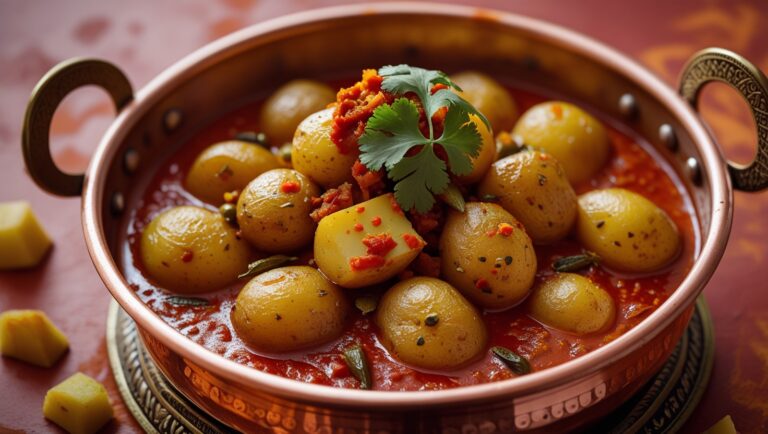
Ahmed Kashmiri: In an era dominated by high-calorie food markets and fast food culture, adopting healthy eating habits based on locally grown produce is crucial. Kashmir, “a region endowed with a rich agricultural heritage,” not only ensures a healthy lifestyle by relying on local foods but also strengthens cultural ties and supports the local economy. With the guidance of nutritionists who can create food charts entirely based on local foods, this approach can become a sustainable model for health and wellness. The fertile soil of Kashmir and its unique climatic conditions allow for the cultivation of a wide variety of fruits, vegetables, and grains. These foods are nutrient-dense and are aligned with the local environment and dietary needs. Here are some notable local foods, their Kashmiri names, and their health benefits:

Local Vegetables:

  • Haak (Collard Greens): A staple in Kashmiri households, Haak is a powerhouse of vitamins A, C, and K. It is also rich in antioxidants and fiber, which promote digestive health and boost immunity.
  • Nadro (Lotus Stems): Known for its crunchy texture, Nadro is packed with dietary fiber, iron, and essential minerals. It supports heart health and helps regulate blood sugar levels.
  • Wangan (Eggplant): Low in calories and high in antioxidants such as Nasunin, which protect brain cells. It is also a good source of fiber and vitamins.
  • Shalgam (Turnip): A winter favorite, turnips are rich in vitamin C, potassium, and antioxidants. They improve skin health and strengthen bones.
  • Doon Gobhi (Walnut Cabbage): This unique dish made with walnuts and cabbage is not only delicious but also highly nutritious. Walnuts provide omega-3 fatty acids while cabbage is packed with vitamins and antioxidants.
  • Gogji (Radish): Rich in vitamin C and fiber, Gogji supports digestion and promotes detoxification.
  • Tsoch Wangan (Green Eggplant): Known for its distinct flavor and high antioxidant content, this variety of eggplant is a local favorite.

Local Fruits:

  • Kashmiri Apples: Famous worldwide, these apples are a rich source of dietary fiber, vitamin C, and antioxidants that aid digestion and reduce the risk of chronic diseases.
  • Babri Tresh (Mulberries): Packed with vitamin C, iron, and antioxidants, mulberries improve blood circulation and boost immunity.
  • Khubani (Apricot): Rich in vitamin A, potassium, and fiber, apricots enhance vision, support heart health, and aid digestion.
  • Gachhi (Morel Mushrooms): A prized delicacy, Gachhi is a rich source of protein, antioxidants, and vitamins. It boosts immunity and supports brain health.
  • Zirishk (Barberry): This local berry is rich in vitamin C and has antimicrobial properties. It supports heart health and improves digestion.
  • Shufta (Mixed Dried Fruits): A traditional sweet made from dried fruits and nuts like almonds, walnuts, and raisins, providing energy and essential nutrients.

Local Grains and Pulses:

  • Chawal (Rice): A staple food of Kashmir, rice provides carbohydrates and energy. Traditional varieties like Mushk Baji are aromatic and highly nutritious.
  • Moong Dal (Green Gram): A significant source of plant-based protein, Moong Dal is easily digestible and helps detoxify the body.
  • Rajma (Kidney Beans): Often cooked with rice, Rajma is rich in protein, iron, and magnesium, contributing to muscle health and energy production.
  • Roti (Flatbread): Made from whole wheat or barley, Tchout provides dietary fiber and complex carbohydrates.

Medicinal Local Spices:

  • Ginger: Known for its anti-inflammatory and digestive properties, ginger helps alleviate nausea, cold symptoms, and joint pain.
  • Saffron: One of Kashmir’s most famous exports, saffron is a natural mood enhancer, improves skin health, and aids digestion.
  • Cinnamon: This spice helps control blood sugar levels and has antimicrobial properties.
  • Shonth (Dried Ginger): Often used in traditional Kawa, Shonth improves digestion and boosts immunity.
  • Tez Patta (Bay Leaves): Rich in antioxidants, bay leaves enhance the flavor of dishes and improve heart health.
  • Hing (Asafoetida): Commonly used in Kashmiri cuisine, Hing aids digestion and prevents bloating.

Why Rely on Local Foods?

Compared to imported options, local foods are fresher, more nutritious, and environmentally sustainable. They are free from preservatives and the long transportation process associated with non-local foods. Additionally, consuming seasonal foods aligns with the body’s natural nutritional needs, which vary with the changing seasons. Supporting local farmers also preserves traditional farming methods and promotes self-reliance within the community. Despite the abundance of nutritious local foods, many people are unaware of how to incorporate them into a balanced diet. Nutritionists can play an essential role by creating research-based food charts based on regional produce. These charts should cater to diverse groups, including children, pregnant women, the elderly, and individuals with specific health conditions.

For children, meal plans may include Haak with rice, a fruit like apple or mulberry, and a handful of walnuts for brain development. For pregnant women, diet charts may emphasize Nadro, Shaffa, and milk-based dishes for iron, calcium, and protein. For the elderly, easily digestible foods like Moong Dal, Shalgam, and Kewa can be highlighted.

Promoting local eating habits is a significant step towards making traditional Kashmiri dishes available at affordable prices in restaurants, beyond the famous Wazwan. Everyday dishes like Haak Bate, Nadro Yakhni, and Shalgam Gogji should be made standard menu options. Restaurants can innovate by offering traditional foods with modern twists, such as Kewa with a contemporary presentation or quick lunch options featuring local flatbreads and vegetable stews. To effectively promote local foods, nutritionists and researchers should collaborate to develop comprehensive, evidence-based dietary guidelines. These guidelines should analyze the nutritional composition of Kashmiri foods to highlight their benefits, create meal plans for different populations considering age, health conditions, and lifestyle, and emphasize the benefits of consuming seasonal produce to ensure maximum freshness and nutrition. Combining modern nutritional science with traditional cooking methods will enhance overall diets.

The Future:

To promote healthy eating habits, it is essential to raise awareness about the health benefits of local foods through community programs, schools, and social media campaigns. Encouraging the inclusion of nutritionists in schools, hospitals, and community centers will help develop customized meal plans. Traditional cooking methods should be documented and promoted to maintain the nutritional value of food, such as Nadro Munje (Lotus Stem Fritters) and Chokok Wangan (Sour Eggplant Curry). By using locally grown food, individuals can contribute to the local economy and help preserve traditional farming practices. Restaurants should be encouraged to incorporate local dishes into their menus, making them accessible and affordable for everyone. Investing in research to explore the medicinal properties and potential health benefits of local foods like Zirishk and Gachhi will further enhance their value.

By adopting local eating habits and relying on the expertise of nutritionists, the people of Kashmir can ensure a healthier, more sustainable future. Experts also emphasize that maintaining a balanced diet that includes a variety of local, nutrient-rich foods significantly reduces the risk of chronic diseases. Thoughtful eating not only improves overall health but also helps in living a long, disease-free life.

Evolving Sales Strategies | Essential Qualities of a Successful Salesperson

0

Liaquat Ali Jatoi

Achieving a good job is everyone’s dream, especially one that is financially rewarding. While luck plays a significant role in a person’s success, it’s undeniable that good strategies can help you shape your destiny.

A British agency conducted a study on the education, first jobs, and journey to becoming billionaires of the world’s 100 richest individuals. The study revealed that 75 out of these 100 billionaires were degree holders, and among them, 22 had studied engineering.

Out of these 100 individuals, 53 chose to start their ventures instead of joining family businesses. Interestingly, 19 of them started their careers as salespeople. Many young people work as salespersons during their studies to cover their educational expenses or gain experience in their desired field. For a good salesperson, this might be an easy job, but achieving excellence requires continuous skill enhancement. If you are new to this field or want to understand the basics, sales experts offer the following advice to become a successful salesperson:

These Skills Can Make You a Successful Salesperson!

Sales Techniques are Evolving:

The sales industry is changing rapidly, but certain fundamentals remain the same. To grab customers’ attention, you must create a need for your product in their minds. Treating every sales process the same will not yield results. Remember, every business has its unique nature, so start by understanding your company’s process with your managers. Learn about your product’s positioning, highlight its features, and identify ideal customers.

Set Clear Goals:

If you want to excel in sales, define your targets and evaluate your performance. Determine how many customers you or your company need within a specific timeframe. Assess how many connections you can establish and what opportunities you can secure. Multiply the revenue target by the average price of your company’s product and work toward achieving it. Additionally, set personal goals. The top 2% of salespeople in any company achieve success through focus, expertise, and consistent effort. Strive to be among them—it may not happen overnight, but persistence will pay off.

Identify Business Problems:

You should be capable of identifying potential business issues and distinguishing them from common problems. These challenges can hinder your sales efforts. Real business problems are often discussed daily in executive offices and boardrooms, whether it’s budget constraints, understaffed sales teams, or other critical issues.

As a salesperson, you need to build trust. Customers need confidence that you understand their problems and can solve them. However, this relationship shouldn’t end after the sale—you must maintain connections to fulfill your commitments ethically. Once you successfully meet customers’ needs through your product or service, you’ll have a base of satisfied clients.

Measure Sales Targets:

Measuring performance helps gauge value, and measurable goals allow for continuous improvement. After setting a target, evaluate your performance passionately. For instance, track your sales rate today and estimate where it could reach by the end of the month. Are your efforts leading customers toward your product or service? If not, consider making changes. Don’t wait until the end of the month to meet your target—achieve it early if possible. Seek assistance from your manager without hesitation.

Build Customer Relationships:

Many salespeople spend hours waiting for uninterested prospects to engage. However, with years of experience, you’ll learn to attract prospects who want to talk and listen to you. This is called inbound marketing, which is powerful in saving time and closing sales efficiently. Creating helpful, high-quality content that addresses customers’ needs enhances your chances of success.

Listening Skills:

Renowned author Sagheer Ahmed, in his book on professional sales closing techniques, emphasizes that effective negotiation starts with listening to the customer. A salesperson’s listening skills are not just critical in sales but also in every aspect of life. Listening is a powerful tool that helps salespeople gain trust and secure business. When a salesperson attentively listens to a prospect and encourages their conversation, the prospect is more likely to listen to the salesperson, focus on their presentation, and value their product.

Modern sales models emphasize that being a good listener is a fundamental skill for successful salespeople. Unlike the traditional model, which expected salespeople to talk more, today’s model advises them to ask questions about prospects’ needs and listen carefully to their answers. A professional salesperson of the modern era spends 30% of the meeting talking (mostly asking questions) and 70% listening to the prospect’s responses and needs.

The Power of Silence:

An essential rule in salesmanship is that while words are used to sell, silence is key to closing a deal. British communication expert John Finetten highlighted the importance of the six-letter word “Listen” in English, which shares the same letters as the word “Silent,” albeit in a different order. This implies that a successful salesperson should listen and understand their prospect’s words with patience and calmness.