
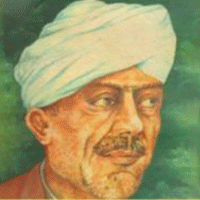

Ghani Kashmiri is regarded as the leading Persian poet from the land of Kashmir. He was one of the most famous poets of his time. He had numerous admirers in both the Indian subcontinent and Iran. Notable poets such as Saib and Kaleem would travel from Iran to meet him and listen to his poetry. His ancestors had arrived in Kashmir alongside Mir Syed Ali Hamadani (RA), after which they settled there, specifically in the Kawdara area of Srinagar.
His name was Muhammad Tahir, and he came from a humble background. It is said that he did not receive formal education at a school. His father entrusted him to a learned man, Mohsin Fani, who introduced him to the fields of medicine, literature, and philosophy. Ghani began writing poetry at the age of nineteen. Initially, his pen name was Tahir, but after some time, he adopted the pen name Ghani, likely due to his self-reliant nature, love for solitude, and independence.
He was born in 1630 CE. This was a time when the golden era of Muslim rule in Kashmir had come to an end. The beacon of freedom for his homeland had been extinguished, and the entire community was submerged in sorrow and despair. This was because Kashmir had come under Mughal rule during the reign of Emperor Akbar in 1586. Chaos, dissatisfaction, and disorder were rampant. Ghani Kashmiri, who was naturally self-respecting, outspoken, and a lover of freedom, could not stand to see his people’s miserable condition and suffering. He expressed his pain in the form of poetry, and his works contain hints of this anguish.

One of his famous couplets reflects this sense of suffering and protest against the oppression faced by his people:
“کدام باز ندانم در آشیانہ بندی است
کہ بست حکم پر کاہ بال مرغان را”
Translation:
“I do not know which nest the hawk is planning to build,
While the small birds’ feathers are being plucked away.”


Another famous couplet expresses the theme of lost fortunes and changing fates:
“روزی ما می شو آخر نصیب دیگران
طالع بر گشتہ همچون آسیاداریم ما”
Translation:
“In the end, our sustenance became the destiny of others,
Our fate turned around like the millstone, grinding us down.”
As Ghani Kashmiri’s fame as a poet spread, even the Mughal emperor Aurangzeb Alamgir ordered the governor of Kashmir, Saif Shah, to invite him to the royal court. It is important to note that most Mughal emperors were patrons of the arts and would often reward poets and artists with gold coins or silver pieces after hearing their works. When the governor invited Ghani Kashmiri and relayed the emperor’s message, Ghani’s sense of pride and self-respect flared up. He responded bluntly, saying that Ghani was a madman, a lunatic, and therefore could not present himself at the royal court. In response, Ghani immediately tore his clothes and, in a madman-like fashion, left the court.
It is said that exactly three days after this incident, Ghani Kashmiri passed away at the age of just 39. He was buried in a square section surrounded by iron railings in the Wanta Pora (Kawdara) area of Srinagar. Locals told me that his grave was located under that square, but there seemed to be a lack of attention or acknowledgment of the great Persian poet’s final resting place. The reasons for such neglect are still unclear.
One of his famous verses reads:
“ہمچو آتش روشن زمین بود شمع ہر مزار
من کہ مردم کس چراغی پر سر خاکم سوخت”
Translation:
“Like a blazing fire, I illuminated every shrine on earth,
Alas, I died, and no one lit a lamp upon my dust.”
Ghani Kashmiri’s poetry is not only known for its artistic beauty but also for its reflection of nature, the pain of life and the world, and his protests against injustice and oppression. His works, particularly his Rubaiyat (quatrains), also contain pearls of wisdom that continue to shine with brilliance. Translating poetry from one language to another is no easy task, but the efforts of Adil Aseer Dehlvi, who translated Ghani Kashmiri’s Rubaiyat into verse, are commendable. Here are some of the translated Rubaiyat:
- “ہر چند خموشی سے ہو دل اپنا خوں
ہرگز نہ کہو کسی سے تم رازِ دروں
جو شخص ذہین ہے ، رہے گا خاموش
پُر کاسہ ہے اگر صدا نہ ہوگی بیروں”
Translation:
“Though your heart bleeds in silence,
Never reveal your innermost secrets.
The wise remain silent,
For an empty vessel makes no sound.”
- “مہمان ہوا فقر ہمارے گھر میں
ویرانہ نظر آتا ہے سارے گھر میں
ہے در پہ کسی اور کے جانا بھی گناہ
فاقہ ہے اگر آج تمہارے گھر میں”
Translation:
“Poverty has visited our home,
The entire house appears desolate.
It is a sin to visit another’s door,
When hunger resides in your own home.”
- “اے دل تو ہر اِک دوست نما سے ہوشیار
دشمن ہیں ترے، اہلِ دغا سے ہوشیار
ہر چند محافظ کے ہے مانند اے شمع
فانوس کے تو دست رسا سے ہوشیار”
Translation:
“O heart, beware of every friend who seems friendly,
They are your enemies, beware of the deceitful.
Though the protector is like a candle,
Beware of the hand that holds the lantern.”
- “روٹی کو ترے حرص سے کھائیں دندان
بسیار خوری سے تو ہوا ہے ہلکان
جب تک کہ نہ ہو بھوک کی شدت ظاہر
کھانے کے لئے آگے نہ رکھ ہر گز نان”
Translation:
“Your teeth bite the bread out of greed,
Excessive eating has weakened you.
Do not put food forward until hunger is truly felt.”
- “اشکوں سے ہے طوفان سا گھر کے اندر
ویرانی ہے دیوار تا در کے اندر
کشتی کو مری چومنے آیا جس دم
پانی کا بنا دہن بھنور کے اندر”
Translation:
“Inside the house, a storm of tears rages,
Desolation from wall to door.
When my boat came to kiss the waves,
The water turned into a whirlpool.”
- “دشمن سے تو جنگ کے لئے شمشیر اٹھا
ہو تیر نظر میں تری زہگیر اٹھا
کیا جنگ میں آرام و فراغت حاصل
پر کھینچ لے تکیے میں سے تیر اٹھا”
Translation:
“Take your sword to fight against your enemy,
Raise your poisoned arrow high.
What peace and ease can one find in war?
Even while resting, pull the arrow from the quiver.”
- “خورشید کے غم میں ہیں فغاں اور نالے
جو دل سے کوئی سنے تو جاں پر بیتے
تربت پہ بہاتا ہوں یوں اس کی آنسو
شاید کہ وہ اس خوابِ گراں سے جاگے”
Translation:
“In the sorrow of the sun, there are cries and wails,
If anyone listens with their heart, they will feel it deeply.
I pour my tears over his grave,
Hoping he wakes from this heavy sleep.”
Ghani Kashmiri’s poetry continues to be celebrated for its profound wisdom, emotional depth, and aesthetic brilliance. His work remains a testament to the resilience of the Kashmiri spirit in the face of adversity.