Tuesday, March 24, 2026
12.3 C
Srinagar
Home Blog Page 34

20+ Heart Touching Love Poetry in Urdu: Expressing the Unspoken

0

Urdu, often called the language of poets and romance, possesses an unparalleled ability to capture the most profound human emotions. Its lyrical grace and delicate nuances make it the perfect vessel for expressing love, longing, joy, and heartbreak. For centuries, Urdu poetry (shayari) has been the go-to language for lovers, providing words where their own fall short.

This collection is curated for anyone seeking to articulate the feelings of the heart. Whether you’re looking for a poignant message for a loved one, a caption for a photo, or simply words that make you feel understood, this guide to heart-touching Urdu love poetry is for you.

The Power of Two Lines: Concise and Profound Urdu Poetry

Often, the most powerful statements are the shortest. Urdu two-line poetry (ash’aar) is a masterclass in conveying deep meaning with breathtaking economy. These verses are perfect for text messages, social media captions, or quick notes.

Here are some timeless examples:

  1. English Transliteration:
    Tumhari yaad ke siva ab kuch bhi acha nahi lagta,
    Tumhari baat ke siva ab kuch bhai sacha nahi lagta.

    Translation:
    Nothing feels good anymore except the thought of you,
    Nothing feels true anymore except your word.

  2. English Transliteration:
    Woh aadat si ban gayi hai,
    Jise chhorna ab mumkin nahi lagta.

    Translation:
    You have become like a habit,
    That now feels impossible to break.

  3. English Transliteration:
    Kisi ke intezar mein guzri hui ratein bhi,
    Kisi ko yaad karke guzari hui ratein bhi.

    Translation:
    The nights spent waiting for someone,
    And the nights spent remembering someone.

For My Soulmate: Specialized Poetry for a Husband in Urdu

Urdu poetry offers a uniquely beautiful way to express gratitude, love, and devotion to a life partner. These verses go beyond simple “I love yous,” articulating a deeper bond of companionship and shared dreams.

Dedicate these lines to your husband:

  1. English Transliteration:
    Tum mera sukoon ho, tum mera armaan ho,
    Tumhare baghair meri har duniya adhoori hai.

    Translation:
    You are my peace, you are my desire,
    Without you, every world of mine feels incomplete.

  2. English Transliteration:
    Shauhar ho tum meri zindagi ke,
    Har khushi tum se hai, har dua tumhare liye hai.

    Translation:
    You are the husband of my life,
    Every happiness is from you, every prayer is for you.

  3. English Transliteration:
    Tumhari hoon main, tum mera ho,
    Yahi ek dua hai har dam mere lab pe.

    Translation:
    I am yours, and you are mine,
    This is the only prayer perpetually on my lips.

Celebrating Togetherness: Romantic Couple Poetry in Urdu

Love is a shared journey. Urdu poetry beautifully captures the essence of partnership—two souls becoming one complete universe. This couple poetry is perfect for anniversaries, weddings, or simply celebrating your unique bond.

  1. English Transliteration:
    Hum woh hain jo ek dosre ke baghair adhore hain,
    Mil kar hi hamari duniya mukammal hoti hai.

    Translation:
    We are those who are incomplete without each other,
    Our world only feels complete when we are together.

  2. English Transliteration:
    Chale to saath mein zindagi bhar ke liye,
    Na tum kisi aur ki socho, na hum kisi aur ki sochein.

    Translation (Interpretive):
    If we walk together, let it be for a lifetime,
    You don’t think of anyone else, nor do I.

Why Does Urdu Love Poetry Touch the Heart?

The magic of Urdu shayari lies in its use of several key elements:

  • Metaphor (isti’arah): Love is rarely mentioned directly. Instead, it’s a “scent,” a “disease,” a “fire,” or a “beautiful night,” allowing for deeper personal interpretation.

  • Rhythm and Rhyme (wazn aur qafiya): The musicality of the language makes the verses memorable and emotionally resonant.

  • Cultural Depth: It draws from a rich history of Sufi mysticism and courtly etiquette, adding layers of meaning about devotion, sacrifice, and beauty.

How to Use This Poetry

  • Share in Messages: Copy the Urdu text (or the transliteration if they can’t read the script) and send it to your loved one.

  • Social Media Captions: Use a two-line verse as a caption for a picture with your partner.

  • Personal Notes: Write it in a card for a special occasion.

  • Reflection: Sometimes, the best person to share poetry with is yourself. Find a verse that speaks to your current feeling.

Explore More: [Internal Link to another article on the site, e.g., “A Beginner’s Guide to Understanding Urdu Poetry”] or [Link to a page with downloadable poetry images].

Urdu love poetry is a treasure trove of emotion waiting to be explored. Let these words inspire you to connect, feel, and express the beautiful complexity of your heart.

Alone Poetry in Urdu: 20+ Heartfelt Sher for Solitude and Reflection

0

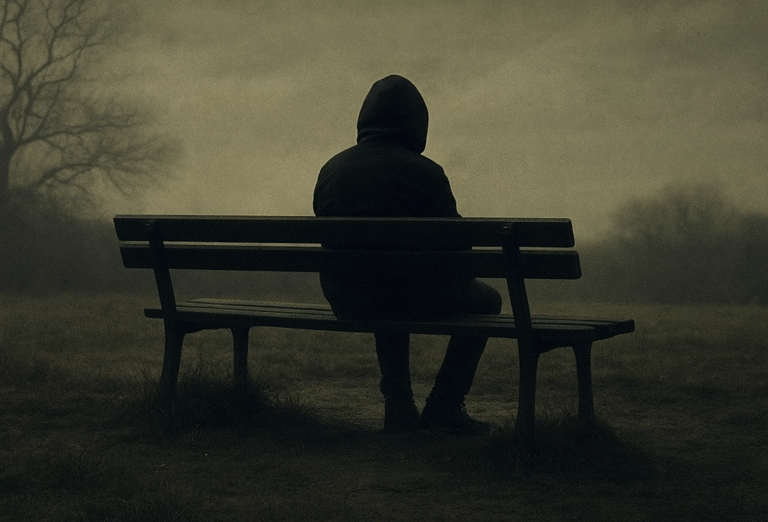
Srinagar/Muzaffarabad — In a world constantly buzzing with social connections and digital noise, solitude is a rare but profound experience. Urdu poetry, with its rich literary heritage, has always captured the depth of human emotions—from love and longing to loneliness and existential reflection. For those who resonate with the quiet ache of being alone, Urdu poetry provides a voice for the heart.

Whether you are seeking inspiration, comfort, or an emotional release, this curated collection of alone poetry in Urdu speaks directly to the soul. Each sher (couplet) reflects the bittersweet beauty of solitude, making it perfect for personal reflection or sharing on social media.

The Essence of Being Alone in Urdu Poetry

Urdu literature has a long tradition of exploring the themes of loneliness and introspection. Poets like Mirza Ghalib, Faiz Ahmed Faiz, and Allama Iqbal have expressed the pain, beauty, and philosophical dimensions of being alone. These poems do not just reflect sadness—they capture self-discovery, resilience, and the silent strength that comes from embracing solitude.

20+ High-End Urdu Shers on Being Alone

  1. اکیلے پن میں چھپتی ہیں خاموشیاں ہزاروں راز
    Akelay pan mein chhipti hain khamoshiyan hazaaron raaz
    (Thousands of secrets hide within the silence of solitude.)

  2. تنہا دل کی صدا سنتا ہے کوئی یا کوئی نہیں
    Tanha dil ki sada sunta hai koi ya koi nahi
    (The lonely heart calls out—does anyone hear it?)

  3. اکیلے راہی کی منزل دور بھی قریب لگتی ہے
    Akele raahi ki manzil door bhi qareeb lagti hai
    (The journey of the lone traveler feels close, even if distant.)

  4. خاموشی کی زبان میں چھپی ہوتی ہے سب حقیقتیں
    Khamoshi ki zuban mein chhupi hoti hai sab haqeeqatain
    (All truths are hidden within the language of silence.)

  5. تنہا ہوں مگر میرا سکون دنیا کے شور سے آزاد ہے
    Tanha hoon magar mera sukoon duniya ke shor se azaad hai
    (I am alone, yet my peace is free from the world’s chaos.)

  6. اکیلی راتوں کی روشنی بھی کبھی کبھی دھوکہ دیتی ہے
    Akeli raaton ki roshni bhi kabhi kabhi dhoka deti hai
    (Even the light of lonely nights can sometimes deceive.)

  7. میرے دل کی صدا تنہائی میں سب کچھ کہہ دیتی ہے
    Mere dil ki sada tanhaai mein sab kuch keh deti hai
    (The heart’s voice says everything in solitude.)

  8. تنہائی میں بھی کبھی کبھی لوگ یاد آ جاتے ہیں
    Tanhaai mein bhi kabhi kabhi log yaad aa jate hain
    (Even in solitude, memories of people return.)

  9. اکیلے پن کی گہرائی میں چھپی ہوتی ہے زندگی کی حقیقت
    Akelay pan ki gehraai mein chhupi hoti hai zindagi ki haqeeqat
    (In the depths of loneliness lies the truth of life.)

  10. خود سے بات کرنے کا مزہ الگ ہے تنہا رہ کر
    Khud se baat karne ka maza alag hai tanha reh kar
    (There’s a unique pleasure in talking to oneself while alone.)

  11. اکیلی راہوں میں چلتے چلتے ملتی ہیں سب سچائیاں
    Akeli raahon mein chalte chalte milti hain sab sachaiyan
    (Walking alone on empty paths reveals all truths.)

  12. تنہا دل کا درد کبھی لفظوں میں نہیں آتا
    Tanha dil ka dard kabhi lafzon mein nahi aata
    (The pain of a lonely heart cannot always be expressed in words.)

  13. اکیلے پن کی رات میں ستارے بھی قریب لگتے ہیں
    Akelay pan ki raat mein sitare bhi qareeb lagte hain
    (Even stars feel close on a night of solitude.)

  14. تنہائی کا سفر دل کی گہرائیوں تک پہنچاتا ہے
    Tanhaai ka safar dil ki gehraaiyon tak pohanchata hai
    (The journey of loneliness reaches the depths of the heart.)

  15. اکیلے لمحے کبھی کبھی سب کچھ سمجھا دیتے ہیں
    Akelay lamhe kabhi kabhi sab kuch samjha dete hain
    (Sometimes, solitary moments explain everything.)

  16. تنہائی میں چھپی امیدیں سب سے روشن لگتی ہیں
    Tanhaai mein chhupi umeedein sab se roshan lagti hain
    (Hopes hidden in solitude shine the brightest.)

  17. اکیلی راتوں کی تنہائی بھی سکون کی مانند ہوتی ہے
    Akeli raaton ki tanhaai bhi sukoon ki manind hoti hai
    (Even the solitude of lonely nights feels like peace.)

  18. تنہا دل کی دھڑکن بھی کبھی کبھی آواز دیتی ہے
    Tanha dil ki dhadkan bhi kabhi kabhi awaaz deti hai
    (Even the heartbeat of a lonely heart sometimes speaks.)

  19. اکیلے پن میں چھپی شاعری بھی دل کو چھو لیتی ہے
    Akelay pan mein chhupi shayari bhi dil ko choo leti hai
    (Poetry hidden in solitude touches the heart.)

  20. تنہا رہنا کبھی کبھی سب سے بڑی طاقت ہے
    Tanha rehna kabhi kabhi sab se badi taqat hai
    (Being alone is sometimes the greatest strength.)

  21. اکیلے دل کی صدا دور کہیں بھی سنائی دیتی ہے
    Akelay dil ki sada door kahin bhi sunai deti hai
    (The voice of a lonely heart is heard even from afar.)

10 Beautiful Alone Poetry in Urdu

1. Khuli Hawa
Tanha main baitha hoon ek dariya ke kinare,
Khuli hawa aati hai, bohat kuch keh jaati hai.
Log samajhte hain main akela hoon,
Haan, magar aksar khud se milne aata hoon yahan.

2. Ajeeb Azaadi
Yeh tanhai, yeh khamoshi, yeh ajeeb azaadi hai,
Na koi maangta hai, na koi deta hai.
Kabhi bohat bojhal, kabhi bohat halki si,
Yeh waqt hai ya koi purani si kahani hai.

3. Raat Ka Saaz
Raat ke saaz pe main geet gungunata hoon,
Taaron ko sunti hui khud se baatein karta hoon.
Koi nahi hai sunne ko, yeh sach hai,
Magar ab aawaz meri khud hi mujhko behlaati hai.

4. Purani Yaadein
Kamre ki khamoshi mein purani yaadein bajti hain,
Jaise koi radio buja hua sa, chup chap chalta hai.
Har cheez keh deti hai ek kahaani purani,
Main sunta hoon, aur waqt guzarta hai.

5. Safar Tanhai Ka
Tanhai ka safar hai, na manzil hai na koi raahgir,
Bas chalte jaana hai, bas chalte jaana hai.
Kabhi ruk kar dekha to koi saath nahi tha,
Phir se chal para, khayalon ko hi apna humsafar bana kar.

6. Khayalon Ka Sheher
Aankhein band karti hoon to khayalon ka sheher basa leti hoon,
Wahan koi nahi kehta ke tum akele kyun ho.
Wahan sab kehte hain ke aao, tumhari intezaar thi,
Phir aankh khulti hai, aur woh sheher kho jaata hai.

7. Chand Se Guftagu
Chand nikla hai aaj bohat pura, bohat ujala hai,
Usse poochta hoon, “Tu bhi akela hai?”
Wo muskura ke kehta hai, “Andheron ka samandar hoon main,
Teri tarah, tanhai ko bhi apna banana aata hai.”

8. Akele Pan Ka Dard
Akele pan ka dard bhi ajeeb hota hai,
Na dikhai deta hai, na koi dawa hoti hai.
Daboya karta hai andar hi andar,
Aur phir bhi chehre pe muskurahat sawa hoti hai.

9. Khamoshi Ki Aawaz
Khamoshi ki bhi aawaz hoti hai,
Jo sunta hai woh hi jaanta hai.
Din bhar ki bhaag-daud ke baad,
Yeh aawaz hi to hai jo sulaati hai.

10. Apna Saaya
Ab to aadat si hai iss mushkil waqt se,
Apna saaya hi bohat gehra dost lagta hai.
Log kehte hain niklo, duniya se milo,
Par duniya to wahi hai jahan se main takrata hoon.

Why Alone Poetry Resonates Globally

Alone poetry in Urdu speaks to universal human emotions. While deeply rooted in South Asian culture, the themes of isolation, reflection, and self-discovery are relatable across cultures. International audiences often connect with these shers due to their universal resonance—loneliness is a shared human experience.

For social media and content creators, these poems are perfect for Instagram captions, Twitter posts, or Pinterest graphics. They allow your audience to engage emotionally while connecting with a rich literary tradition.

Embracing solitude can be transformative. Urdu poetry teaches that being alone is not synonymous with sadness—it is an opportunity for introspection, creativity, and emotional clarity. Whether for personal reflection, spiritual growth, or literary enjoyment, alone poetry in Urdu provides a timeless guide to understanding the human heart.

High-Potency Sleeping Tablets: Global Options, Safety, and How They Work

0

Insomnia and chronic sleep disorders affect millions of people globally, impacting mental health, productivity, and overall wellbeing. For those struggling to fall or stay asleep, high-potency sleeping tablets offer a solution. While these medications are highly effective, they require careful use and medical supervision due to potential side effects and dependency risks.

These tablets are designed to act faster and provide longer-lasting sleep compared to standard sleep aids. Their popularity has grown internationally, with a variety of options available in countries like the United States, the United Kingdom, and Jammu Kashmir. Patients and healthcare providers alike are increasingly turning to these medications to manage severe insomnia, restless leg syndrome, and other sleep-related disorders that conventional remedies fail to address.

Experts warn, however, that high-potency sleeping tablets are not a one-size-fits-all solution. Factors such as age, underlying health conditions, and concurrent use of other medications can influence both effectiveness and safety. Physicians often recommend starting with the lowest effective dose and limiting usage to short-term periods to reduce the risk of tolerance and dependency.

Read Also: Can;t Sleep? This Common Allergy Pill Might Be Your Secret Weapon (But Read This First!)

Beyond the physiological impact, the psychological reassurance these tablets provide cannot be understated. For many, the knowledge that a reliable method exists to ensure uninterrupted sleep can significantly reduce anxiety and stress, further contributing to improved sleep quality. Nevertheless, healthcare authorities emphasize that combining medication with behavioral approaches—such as cognitive behavioral therapy for insomnia (CBT-I), sleep hygiene practices, and relaxation techniques—yields the best long-term outcomes.

Internationally, a wide range of high-potency sleeping tablets are available under varying brand names, each with distinct formulations, mechanisms of action, and recommended dosages. Some target specific stages of the sleep cycle, promoting deep, restorative sleep, while others aim to reduce the time it takes to fall asleep. Accessibility differs between regions, with prescription regulations varying from country to country, making professional guidance indispensable.

Prescription High-Potency Sleeping Tablets

  1. Zolpidem (Ambien)

    • Use: Commonly prescribed for short-term insomnia, helping patients fall asleep faster.

    • Dosage: Typically 5–10 mg at bedtime.

    • International Price: Approximately $1.50 per tablet in the US.

    • Side Effects: Dizziness, drowsiness, headache; potential dependency with long-term use.

  2. Eszopiclone (Lunesta)

    • Use: Effective for falling asleep and maintaining sleep.

    • Dosage: 1–3 mg at bedtime.

    • Side Effects: Bitter taste, mild headache, daytime sleepiness.

  3. Temazepam (Restoril)

    • Use: For short-term management of severe insomnia.

    • Dosage: 15–30 mg before sleep.

    • Side Effects: Drowsiness, confusion, risk of dependency.

  4. Diazepam (Valium)

    • Use: Primarily anti-anxiety but effective for sleep due to sedative properties.

    • Dosage: 5–10 mg at night.

    • Side Effects: Sedation, drowsiness, risk of addiction.

Note: Prescription medications are regulated differently across countries. Always consult a licensed physician before use.

Over-the-Counter High-Potency Sleep Aids

  1. Melatonin Supplements

    • Use: Regulate sleep-wake cycles naturally.

    • Dosage: 2–10 mg before bedtime.

    • Benefits: Non-addictive; suitable for jet lag and mild insomnia.

    • Side Effects: Mild headache or dizziness in rare cases.

  2. Herbal and Natural Sleep Tablets

    • Include ingredients like valerian root, magnesium, and chamomile.

    • Effectiveness: Mild to moderate; best for occasional insomnia.

    • Availability: Widely available internationally without prescription.

Safety and Responsible Use of High-Potency Sleeping Tablets

High-potency sleeping tablets can provide relief for severe insomnia, but they are not suitable for everyone. Medical experts emphasize that safe usage is paramount to avoid complications, dependency, and adverse effects.

Consult a Doctor: Always seek professional medical advice before starting any high-potency sleep medication. A doctor can evaluate your medical history, identify underlying causes of insomnia, and prescribe the appropriate type and dosage. Conditions such as sleep apnea, depression, or heart disease may influence both the suitability and dosage of the medication.

Follow Dosage Instructions: Strict adherence to the prescribed dose is crucial. Overuse or self-adjustment can lead to tolerance, where higher doses are needed to achieve the same effect, and in some cases, dependency. Doctors typically recommend using these medications only for short periods unless otherwise advised.

Avoid Alcohol and Other Sedatives: Combining sleeping tablets with alcohol, antihistamines, or other sedatives can increase the risk of dangerous side effects, including respiratory depression, extreme drowsiness, or overdose. Patients must discuss any other medications or supplements they are taking with their healthcare provider.

Lifestyle Factors: Medication works best when combined with healthy sleep practices. Maintaining a consistent sleep schedule, reducing late-night screen time, creating a comfortable sleep environment, and managing stress all enhance the effectiveness of sleeping tablets and promote natural sleep quality.

Alternatives and Complementary Approaches

For individuals seeking non-pharmaceutical options, or those wanting to minimize drug use, several complementary approaches can be highly effective:

  • Cognitive Behavioral Therapy for Insomnia (CBT-I): A structured therapy that helps identify and change negative thought patterns and behaviors that disrupt sleep. Considered one of the most effective long-term solutions for insomnia.

  • Meditation and Mindfulness Techniques: Relaxation exercises, deep breathing, and guided meditation can reduce anxiety and prepare the mind and body for sleep.

  • Regular Physical Activity: Exercise during the day has been shown to improve sleep quality, regulate circadian rhythms, and reduce stress levels.

  • Limiting Caffeine and Heavy Meals Before Bedtime: Stimulants and heavy or spicy meals can disrupt the body’s natural sleep cycle. Avoiding these for several hours before sleep can improve overall restfulness.

By combining medical guidance, responsible medication use, and lifestyle adjustments, patients can achieve restorative sleep while minimizing risks. High-potency sleeping tablets, when used correctly, can serve as a valuable tool within a broader, holistic approach to sleep health.

Global Availability and Pricing

Sleeping tablets vary widely in availability and cost. For instance:

TabletRegionApprox. Price
ZolpidemUSA$1.50/tablet
TemazepamUK£1.20/tablet
DiazepamPakistanPKR 41/tablet
MelatoninCanada$0.80/tablet

Prices can fluctuate depending on local regulations, brand, and pharmacy.

High-potency sleeping tablets can be life-changing for individuals suffering from severe insomnia, offering much-needed relief when other methods have failed. However, their effectiveness is maximized only when used responsibly under medical supervision. Combining professional guidance with lifestyle adjustments—such as maintaining a consistent sleep schedule, reducing stress, and creating a restful sleep environment—can significantly improve outcomes. Where appropriate, incorporating natural sleep aids, relaxation techniques, or cognitive-behavioral strategies can further enhance sleep quality and promote long-term wellness.

Remember: Achieving safe, restful sleep is not solely about medication. It requires a holistic approach that addresses physical health, mental wellbeing, and environmental factors. By integrating these elements, individuals can cultivate sustainable sleep habits, reduce reliance on medication, and support overall health and productivity.

Can’t Sleep? This Common Allergy Pill Might Be Your Secret Weapon (But Read This First!)

0

We’ve all been there: it’s 2 AM, you’re exhausted, but your mind is racing or an annoying allergy has you sneezing and itching. You’d try almost anything for a good night’s rest. If you’ve ever peeked into your medicine cabinet and wondered, “Can I take a Rigix to help me sleep?” – you’re not alone.

This article dives deep into the unexpected connection between this common allergy tablet and sleep. Let’s unpack the facts so you can make an informed decision.

The Rigix-Sleep Connection: Side Effect or Secret Benefit?

Rigix’s active ingredient, Cetirizine, is a superhero against allergies. It blocks histamine, the chemical that causes your sneezing, runny nose, and itchy eyes. But histamine is also a key player in keeping you awake and alert.

Here’s the catch: while Rigix is a “second-generation” antihistamine designed to be less sedating than its older cousins, it still crosses the blood-brain barrier in some people. For about 1 in 10 users, the primary side effect is drowsiness.

Read Also: Sleep Paralysis in Islam: Islamic Causes and Cures

So, while it’s not its main job, that sedative effect can feel like a welcome bonus for anyone struggling to fall asleep, especially if allergies are the root cause of your restlessness.

How to Use Rigix for Sleep (The Right Way)

If you’re considering using Rigix’s drowsy side effect to your advantage, timing and dosage are everything.

  • Timing is Key: To sync the peak drowsy effect with your bedtime, take your tablet about 1 to 2 hours before you plan to sleep.

  • Dosage is Crucial: Never exceed the recommended dose (usually 5mg or 10mg per day for adults) in the hope of getting sleepier. This significantly increases the risk of unpleasant side effects without improving sleep quality.

⚠️ Important Disclaimer: Rigix is not officially approved as a sleep aid. You should always consult with a doctor or pharmacist before using any medication for an off-label purpose.

The Not-So-Sleepy Side: Important Warnings & Side Effects

While drowsiness is common, Rigix can come with other less pleasant side effects. It’s not a free pass to dreamland for everyone.

Common Side Effects:

  • Dry mouth

  • Headache

  • Dizziness

  • Nausea or stomach upset

  • Fatigue (the next day)

Serious Side Effects (Seek Medical Help Immediately):
Although rare, be aware of these red flags:

  • Rapid, pounding, or irregular heartbeat

  • Tremors or shaking

  • Confusion or mood changes

  • Difficulty urinating

Who Should Avoid Using Rigix for Sleep?

This isn’t for everyone. Please exercise extreme caution or avoid it altogether if you:

  • Have Kidney or Liver Problems: Your body may not process the drug correctly, leading to a dangerous build-up.

  • Are Pregnant or Breastfeeding: Always consult your doctor before taking any medication.

  • Plan to Drive or Operate Machinery: That drowsiness can be dangerous. Do not drive after taking Rigix until you know exactly how it affects you.

  • Are Taking Other Sedatives: Combining Rigix with other drugs that cause drowsiness (like sleeping pills, muscle relaxants, or other antihistamines) can amplify the effect and be hazardous.

Quick Facts: Price & Availability in Pakistan

For our readers in Pakistan, Rigix is widely available and affordable.

  • Formats: Tablets (5mg, 10mg), Syrup, and Chewable tablets.

  • Average Price: Approximately Rs. 6.29 per tablet, with a pack costing around PKR 104.

  • Where to Buy: All major pharmacies and online medical stores.

The Final Verdict: To Take or Not to Take?

So, can Rigix help you sleep? The answer is a cautious maybe. Its sedative side effect can indeed help some people drift off, particularly if allergies are disrupting their sleep.

However, it is not a dedicated or long-term sleep solution. The potential for next-day drowsiness (a “hangover” effect) and other side effects is real.

Your best bet? Talk to a doctor. They can help you identify the real cause of your insomnia and recommend a treatment plan that’s actually designed for sleep, not just a happy accident from an allergy pill. Don’t gamble with your health—get the right advice for a truly good night’s rest.

Sleep Paralysis in Islam: Islamic Causes and Cures

0

SRINAGAR/LONDON — For a few terrifying moments, you are awake but cannot move. A crushing weight presses down on your chest, silencing your screams, while an inexplicable sense of dread fills the room. Some report shadowy figures or dark shapes lingering in the corners, or an unseen force making them feel trapped. This unsettling experience, known globally as sleep paralysis, affects millions of people regardless of age, culture, or religion, leaving a lasting impression of fear and confusion.

In Western medical literature, sleep paralysis is described as a temporary inability to move or speak while falling asleep or waking, often accompanied by hallucinations and feelings of suffocation. Scientists point to disruptions in the rapid eye movement (REM) sleep cycle, stress, fatigue, and irregular sleep patterns as key triggers. While these neurological explanations provide reassurance to some, they do not always account for the profound emotional and spiritual impact of the experience, especially in cultures where supernatural beliefs are intertwined with daily life.

For Muslims, these episodes often carry a spiritual dimension, going beyond mere biological explanations. Many Islamic scholars and communities interpret sleep paralysis as a potential encounter with jinn, unseen beings mentioned in the Qur’an, capable of influencing human perception and causing distress. These encounters are not necessarily seen as inherently malevolent, but they are often perceived as a test or a spiritual challenge. The phenomenon raises a complex question: is sleep paralysis purely a neurological glitch, a spiritual attack, or a combination of both?

Read Also: Who Brought Islam to Kashmir? The Story of Faith, Sufism, and Identity

In Islamic tradition, guidance for navigating these experiences blends faith and practical action. Reciting protective verses from the Qur’an, engaging in nightly supplications, and maintaining a state of spiritual mindfulness are commonly recommended. Beyond spiritual remedies, contemporary Muslim psychologists also advise adopting healthy sleep habits, stress management techniques, and understanding the physiological underpinnings of the condition to reduce fear and anxiety.

The experience of sleep paralysis thus sits at the intersection of science and spirituality — a moment where the mind’s biology meets cultural interpretation and faith. For Muslims worldwide, acknowledging both aspects provides a framework for understanding, coping with, and even transcending these moments of terror.

Scientific Explanation: A Glitch in the Brain’s Wiring

Neurologists and sleep experts define sleep paralysis as a temporary inability to move or speak that typically occurs when waking up, and less commonly, while falling asleep. Though the experience is often terrifying, it is, in most cases, a natural neurological phenomenon.

Sleep paralysis happens during the transition between wakefulness and REM (rapid eye movement) sleep, the stage where most dreaming occurs. During REM, the brain deliberately paralyzes the body’s voluntary muscles—a process known as atonia—to prevent individuals from physically acting out their dreams.

The condition arises when the mind awakens while the body remains in this paralyzed state. Trapped between consciousness and REM sleep, the brain can generate vivid hallucinations, projecting shadowy figures, eerie presences, or the sensation of weight pressing on the chest. This blend of semi-dream imagery and physical immobility is what makes sleep paralysis so profoundly unsettling.

Several factors can increase the likelihood of experiencing sleep paralysis. These include sleep deprivation, irregular sleep schedules, high stress levels, and even sleeping on one’s back. Researchers note that the frequency and intensity of episodes can vary greatly from person to person, sometimes occurring only once in a lifetime, or repeatedly over several months.

While science provides a clear understanding of the physiological mechanisms behind sleep paralysis, it does not fully explain the deep emotional and existential fear often reported. This is where cultural and spiritual interpretations, including those found in Islamic traditions, come into play—offering a framework for understanding the experience beyond its neurological basis.

The Islamic Lens: Understanding Jinn and Spiritual Interference

Within an Islamic framework, sleep paralysis is often attributed to the Jinn—a creation made from “smokeless fire,” invisible to human eyes, yet inhabiting the world alongside humans and subject to divine decree.

Many Islamic scholars and traditions interpret the oppressive presence experienced during sleep paralysis as the influence of a malevolent Jinn. The sensation of being pinned down is often linked to specific types of Jinn mentioned in Hadith literature.

The Prophet Muhammad (ﷺ) advised:
“If anyone of you sees a dream that he dislikes, then he should spit on his left side three times, seek refuge with Allah from Satan three times, and turn from the side on which he was lying.” (Sahih Muslim 2262)

This guidance has profound spiritual and practical significance. Scholars like Ibn Taymiyyah and Ibn Al-Qayyim explain that the light act of spitting is symbolic, representing the expulsion of evil, while physically turning over disrupts the Jinn’s influence, often breaking the paralysis episode.

Recommended Protective Practices in Islam

  1. Recite Ayat-ul-Kursi (Quran 2:255) – Revered as a powerful shield against spiritual harm.

  2. Seek Refuge in Allah – Repeat “A’oodhu billaahi minash-shaytaanir-rajeem” (I seek protection from the accursed Satan).

  3. Recite the Last Two SurahsSurah Al-Falaq and Surah An-Naas (Quran 113 and 114) are traditionally prescribed for protection from all forms of evil.

Bridging the Two Worlds: A Holistic Approach

Modern Islamic thinkers and medical professionals increasingly advocate for a dual approach that acknowledges both scientific and spiritual dimensions of sleep paralysis.

Dr. Ahmed Ali, a neurologist based in London, notes:
“As a physician, sleep paralysis is clearly a neurological phenomenon occurring during REM sleep. Yet, as a Muslim, I recognize that these moments may also open a spiritual dimension. The two perspectives are not mutually exclusive. Malevolent Jinn, like other spiritual entities, may exploit this vulnerable physiological state, similar to how they might influence moments of emotional or mental weakness.”

This integrated understanding encourages believers to combine medical awareness—such as proper sleep hygiene and stress management—with spiritual practices, offering a comprehensive strategy for prevention and relief.

Practical Steps for Prevention and Relief

  • Maintain a consistent sleep schedule and avoid sleep deprivation.

  • Sleep on your right side where possible, in line with prophetic guidance.

  • Keep the bedroom free from distractions and maintain a spiritually mindful environment.

  • Regular recitation of protective verses and supplications before sleep.

  • Reduce stress and anxiety through meditation, prayer, or light physical activity.

By respecting both the neurological and spiritual dimensions, believers can navigate sleep paralysis with knowledge, faith, and calm—transforming a once terrifying experience into one of awareness and resilience.

Practical Guidance: Combining Lifestyle, Spirituality, and Medical Insight

For those experiencing sleep paralysis, experts and Islamic scholars alike recommend a combined approach:

1. Address Lifestyle Factors
Prioritize a consistent sleep schedule, aim for 7–8 hours of quality rest, manage stress effectively, and avoid sleeping on your back, which increases the likelihood of episodes.

2. Strengthen Spiritual Routines
Recite protective prayers such as Ayat-ul-Kursi, Surah Al-Falaq, and Surah An-Naas before sleeping. Follow the Sunnah practices of sleep, including reciting the dua before sleep and lightly blowing into your hands to wipe them over your body. These acts provide both spiritual protection and a sense of calm.

3. During an Episode
Remain as calm as possible. Understand that sleep paralysis is temporary and harmless. Focus on remembering Allah and mentally reciting prayers of refuge. Attempt to move a small muscle, such as a finger or toe, which may help break the paralysis.

4. Seek Help When Needed
If sleep paralysis is frequent or severely impacts daily life, consult a medical professional to rule out conditions like narcolepsy. Simultaneously, seek guidance from a knowledgeable Islamic scholar for spiritual counsel, ensuring a balanced approach.

Ultimately, for Muslims facing the terror of sleep paralysis, faith and knowledge go hand in hand. Islam provides both an explanation and remedy, harmonizing spiritual insight with modern scientific understanding.

Gilgit-Baltistan Loses a Voice of Truth: Meesam Qasimi Dies in Havelian Accident

0

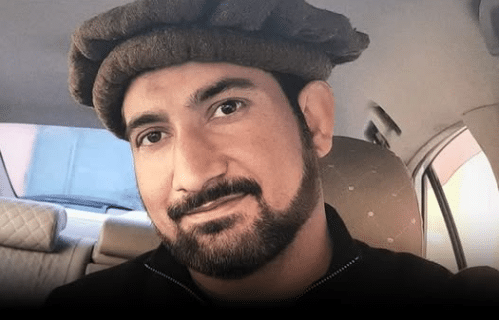
Gilgit-Baltistan | Pak-administered Kashmir — Tragedy struck the region last night when a fatal accident occurred at Havelian on the Hazara Motorway, claiming the lives of five individuals, including prominent Gilgit-Baltistan activist, writer, and social worker Meesam Qasimi. The news sent waves of grief across social media and intellectual circles.

Meesam Qasimi was widely recognized as a young voice who combined reason and insight to highlight the fundamental issues of Gilgit-Baltistan and the greater Kashmir region. His writings were more than just articles—they were a reflection of the struggles and aspirations of the marginalized communities in the area. He tackled difficult topics with clarity, courage, and an unwavering sense of responsibility.

Journalist Shabbir Mir recalled, “The image that stays in my mind is him holding a cup of tea, smiling, with confidence in his eyes.” Mir noted that Meesam frequently shared his columns and writings, often receiving overwhelming responses from readers who appreciated his perspectives.

By profession, Meesam Qasimi was a telecom engineer. After working for several years in Dubai, he returned to his homeland at the request of his father. However, it was not engineering but his pen, thoughts, and advocacy through writing that made him truly renowned. Journalist Roshan Din Diamiri described him as “a person who carried the pain and aspirations of the entire Gilgit-Baltistan region within him.”

Social worker Arshad Jugnu said, “He guided us like an elder brother, encouraging positive thought and always standing with his pen in times of struggle. Who will fill his place now?”

In a heartfelt note, National Workers Front leader Inayat Baig wrote from abroad, “This is not just a loss for one family, but for the entire region. His knowledge, love, and abilities were a beacon of hope for all of us.”

Meesam Qasimi’s life was also marked by personal trials. Having lost his father and several close relatives, his sudden death in this accident underscores the harsh reality that this region repeatedly loses some of its brightest minds.

Meesam Qasimi was more than a writer; he was a thinker, a guiding light of a movement whose legacy continues even after his untimely death.

إِنَّا لِلّهِ وَإِنَّا إِلَيْهِ رَاجِعُون

Nepal Protests 2025: Gen Z Uprising Forces PM Oli’s Resignation After Deadly Crackdown

    0

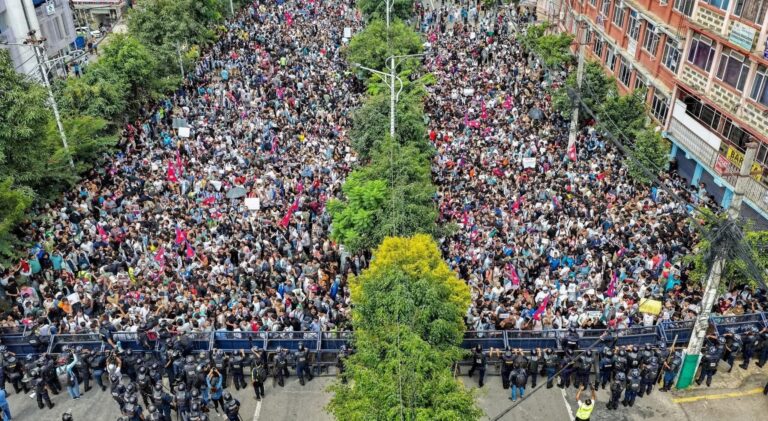
    On September 8, 2025, the streets of Kathmandu, Pokhara, and Biratnagar turned into battlegrounds as thousands of young demonstrators staged sit-ins, rallies, and flash marches. Many were teenagers and university students, some still dressed in their school uniforms, symbolizing the generational nature of the protests. Their chants—“Shut down corruption, not social media” and “We want freedom, not silence”—echoed through Nepal’s narrow streets and city squares.

    In Summary

    • Trigger: Ban on 26 social media platforms.

    • Casualties: 19 killed, 100+ injured in police crackdown.

    • Government Response: Ban lifted, compensation announced, investigation launched.

    • Political Fallout: Prime Minister K.P. Sharma Oli resigns.

    • Significance: Gen Z emerges as a powerful political force in Nepal.

    The government initially deployed riot police armed with shields and batons to disperse the crowds. But as protests swelled, authorities escalated their response. Tear gas and water cannons were fired into densely packed gatherings, sending panic through the crowds. Witnesses reported that some protesters threw stones and blocked roads with burning tires, while security forces retaliated with rubber bullets.

    By late afternoon, the crackdown had intensified to the use of live ammunition in several hotspots. According to medical officials, at least 19 people were killed, many of them young men in their late teens and early twenties. Hospitals across Kathmandu reported receiving over 100 injured protesters, suffering from gunshot wounds, head injuries, and tear gas exposure.

    Local journalists described scenes of chaos: students carrying the wounded on motorbikes, volunteer medics treating injuries on sidewalks, and terrified parents rushing to find their children. Social media—even while restricted through VPNs and proxy servers—was flooded with images and videos of bloodied demonstrators, further fueling anger against the state.

    The use of deadly force drew immediate condemnation from human rights organizations, both in Nepal and abroad. Amnesty International and Human Rights Watch accused the government of using “excessive and unlawful force against peaceful protesters”, while the UN Human Rights Office called for an independent investigation into the killings.

    Observers say the crackdown, far from silencing dissent, has only hardened the resolve of Nepal’s youth, turning what began as opposition to a digital restriction into a broader political movement demanding justice, accountability, and systemic reform.

    Government’s U-Turn

    As public anger reached its peak and pressure mounted from civil society, opposition parties, and the international community, the government was forced into a dramatic reversal. Within hours of the September 8 crackdown, authorities announced the lifting of the social media ban, restoring access to platforms like Facebook, Instagram, WhatsApp, and YouTube for millions of users.

    But for many Nepalis, the gesture came too little, too late. The damage—both in terms of human lives and political credibility—had already been done. Protesters accused the government of only bowing to pressure after blood had been spilled. Facing mounting calls for accountability, Prime Minister K.P. Sharma Oli resigned, ending his tenure in the face of unprecedented public dissent.

    In an attempt to calm the crisis, officials pledged a relief package for victims’ families, free medical treatment for the injured, and the establishment of a 15-day independent investigation panel to examine the use of force by security agencies. However, activists remain skeptical, warning that without real accountability and systemic reforms, such promises risk being seen as symbolic damage control rather than genuine change.

    Why These Protests Matter

    While the immediate trigger was a ban on 26 social media platforms, analysts agree the crisis is about far more than access to digital networks. It has quickly evolved into what many are calling Nepal’s first Gen Z uprising—a mass mobilization led by young people who have grown up in an era of global connectivity but remain disillusioned with their country’s governance.

    The protesters’ grievances highlight long-standing frustrations:

    • Corruption scandals eroding trust in government institutions.

    • Rising unemployment and lack of economic opportunities for youth.

    • Inflation and cost-of-living pressures straining households.

    • Weak accountability mechanisms and persistent political instability.

    “This movement is about more than Facebook or TikTok,” said a Kathmandu-based political analyst. “It represents a generation that feels excluded from decision-making and is now demanding accountability, transparency, and a role in shaping Nepal’s future.”

    Observers note that unlike past political movements dominated by traditional parties, this uprising is organic, leaderless, and digitally coordinated—a reflection of how activism is changing in the 21st century.

    Regional & Global Implications

    The unrest in Nepal carries significance far beyond its borders. It highlights the growing political influence of digitally connected youth movements across South Asia, where governments often struggle to balance regulation, free speech, and political control in the age of social media.

    For neighboring countries, the events in Nepal serve as a cautionary tale: restrictions on digital freedoms can quickly escalate into full-scale political crises if combined with public discontent over governance and corruption. Analysts suggest the fallout could reshape Nepal’s political landscape, forcing traditional parties to engage with a generation that has long been sidelined.

    Globally, Nepal’s protests add to a wave of youth-driven uprisings seen in places like Hong Kong, Iran, and Sri Lanka, underscoring how Gen Z is emerging as a transformative political force. In Nepal’s case, their mobilization may mark the beginning of a new chapter in the country’s democratic journey, where young voices can no longer be ignored.

    AJK High Court Admits Petition Against Jammu Kashmir Joint Awami Action Committee

    0

    Muzaffarabad | Pak-administered Kashmir — The Azad Jammu and Kashmir High Court has admitted a petition challenging the activities of the Jammu Kashmir Joint Awami Action Committee (JKJAAC), with petitioners calling the organization “an unlawful group” whose protests and strikes have increasingly disrupted public life across the region.

    The petition, filed by Sardar Imran Hussain, Sardar Ahsan, and Muneer Riaz through Advocate Sardar Bilal Shakeel, argues that JKJAAC’s repeated calls for shutdowns and demonstrations have deprived ordinary citizens of their fundamental rights and posed a threat to public order.

    In particular, the petition cited the sudden lockdown on August 30, 2025, which brought daily life to a standstill, creating severe difficulties for residents and businesses. Petitioners also pointed to JKJAAC’s announcement of another planned lockdown on September 29, 2025, made via social media, describing it as both “illegal and harmful to civic stability.”

    The filing further alleges that state institutions have been unable or unwilling to act against the committee, leaving the public exposed to recurring disruptions. “It is now the responsibility of the judiciary to safeguard citizens and restrain such unlawful activities,” the petitioners maintained.

    After hearing the preliminary arguments, the High Court has issued notices to 30 respondents, directing them to respond to the allegations. The case is expected to set the stage for a legal debate over the balance between political activism, public safety, and citizens’ rights in Azad Kashmir.

    Azad Kashmir in Pakistan: History, Politics, and the Struggle for Rights

    0

    A search for “Azad Kashmir in Pakistan” often leads to a maze of political claims and historical complexity. For the millions living there, it’s simply home—a place of breathtaking beauty intertwined with daily challenges and a persistent question of identity.

    Azad Jammu and Kashmir (AJK) is not a province of Pakistan but a self-governing administrative territory. Its very name, meaning “Free Kashmir,” is a declaration in a seven-decade-old dispute with India. Yet, for its residents, “freedom” is a nuanced concept, defined as much by its special relationship with Islamabad as by the limitations of that arrangement.

    This is a journey into the heart of a region caught between a conflict of nations and the aspirations of its people.

    A Unique and Contested Political Identity

    Azad Kashmir’s origins are rooted in the partition of 1947. As the princely state of Jammu and Kashmir controversial accession to India under controversial circumstances, a rebellion in the western part led to the formation of a government-in-exile, which Pakistan administers as AJK.

    Today, the region has its own elected President, Prime Minister, and a Legislative Assembly that passes laws on local matters. It has a distinct flag and a national anthem. However, this veneer of self-rule is thin. Critical portfolios like defense, foreign policy, currency, and communications are controlled directly by the Pakistani federal government in Islamabad.

    This hybrid model creates a fundamental tension. Pakistan views AJK as a provisional entity, its final status to be determined by a future UN-sponsored plebiscite. For many Kashmiris, however, this “provisional” state has become permanent, fueling debates about the authenticity of their self-governance.

    The Tightrope of Governance and Dissent

    The political space in Azad Kashmir is carefully managed. Mainstream politics is dominated by parties mirroring those in Pakistan, but any discourse advocating for integration with India or complete independence is strictly criminalized.

    This has led critics and local activists to accuse Islamabad of engineering a political process that offers a semblance of democracy without its substantive power. The real struggle for rights, they argue, is not just against India but also for greater autonomy from Pakistan.

    This frustration often boils over. Recently, movements like the Joint Awami Action Committee have gained traction, organizing powerful protests and conferences demanding the “Right to Ownership and Self-Governance.” Their core grievances are economic: control over local resources, land rights, and an end to what they see as exploitative practices.

    Daily Life: Scenery and Struggle

    Behind the political curtain are everyday realities. While the region’s natural beauty drives tourism, residents face significant hurdles:

    • Economic Discontent: Limited job opportunities force a large number of young people to seek work in Pakistan or the Gulf states. There is a pervasive sense that the region’s resources, particularly its vast hydropower potential, benefit mainland Pakistan more than local communities, who often face power shortages themselves.

    • Infrastructure and Services: Despite promises, development in rural areas lags. Many complain that healthcare and education facilities do not meet the standards found in major Pakistani cities.

    • A Controlled Narrative: Freedom of expression is a contested space. While some media operates, journalists and activists reporting on sensitive issues—particularly Pakistan’s security apparatus or calls for greater autonomy—report facing pressure, intimidation, and legal repercussions. Independent outlets like The Azadi Times work to document these challenges, often operating under constrained circumstances.

    Why Azad Kashmir Matters on the World Stage

    The phrase “Azad Kashmir in Pakistan” is a geopolitical flashpoint. The region is the Pakistani-administered part of one of the world’s most intractable conflicts, a dispute between two nuclear-armed neighbours, India and Pakistan, with China also a party in the broader Kashmir region.

    For the international community, it represents a persistent threat to regional stability. For observers of conflict and self-determination, it is a critical case study in how territories are managed amidst unresolved disputes, and how populations navigate life within those liminal spaces.

    Conclusion

    Azad Kashmir is a land of paradoxes. It is “free” yet constrained, self-governing yet closely managed, rich in resources yet struggling with development. The people here are not merely subjects of a geopolitical dispute; they are active agents in their own story, continuously negotiating their rights and their future.

    Understanding Azad Kashmir requires looking beyond the headlines of the Kashmir conflict and into the nuanced history, politics, and everyday struggles of its people—a community seeking dignity, agency, and a true definition of the freedom embedded in its name.

    Kohala Road Blocked in Protest Over Police Station Suspensions in Liquor Case

    0

    Kohala, Muzaffarabad, Pakistan administered Kashmir: Angry residents have blocked the Kohala–Muzaffarabad road for over two hours in protest against the suspension of police personnel at the Kohala checkpost implicated in a liquor and narcotics case.

    According to the demonstrators, officers were initially suspended after seizing liquor and drugs, but were later suspended under political pressure. Locals contend that powerful elites and their patrons are shielding traffickers, highlighting the deeply flawed and biased nature of the system.

    “Over the past 77 years, this double-standard system has oppressed the poor. There is no justice or accountability—only favoritism and gangsterism,” a protester said.

    The crowd demanded the immediate reinstatement of the suspended police staff and severe punishment for the culprits, warning that public anger could escalate if urgent action is not taken.

    The Incident and Its Fallout

    Two days prior, law enforcement at the Kohala checkpost intercepted a vehicle transporting a large cache of liquor. However, allegations quickly emerged that influential individuals intervened—either through political clout or bribery—to release both the liquor and the accused. Witnesses who confronted the police were met with silence.

    Subsequently, the police chose to suspend their personnel rather than pursue the real offenders. The protesters sharply criticized this move, arguing it rewarded wrongdoing instead of punishing it, and is indicative of institutional decay.

    During the crackdown, the Kohala police arrested former Muslim Conference candidate Yasir Kazmi and an associate along with the contraband. The accused were also allegedly involved in aggressive behavior toward the police—attempting to run them over, flee, offer bribes, and exert pressure. A case was registered including the bribe as evidence.

    Despite this, the authorities opted to suspend the officers on duty, rather than pursue action against the suspects and their influential backers.

    Local voices condemned the decision:

    “The wrong people have been penalized. The system protects the powerful, crushing ordinary citizens.”

    Broader Implications

    This protest is emblematic of long-standing frustrations among Kashmiris regarding institutional corruption, impunity, and the erosion of transparency. The selective enforcement of law—especially targeting those who fall out of favor politically—undermines public trust and fuels social unrest.

    As the residents of Kohala maintain their blockade, calls for accountability have intensified. They insist that reinstating the suspended officers and prosecuting the responsible elites is not just a local demand—but a matter of restoring basic rule of law and justice.