
SRINAGAR, 18 November 2026 — Sher-e-Kashmir University of Agricultural Sciences and Technology of Kashmir (SKUAST-K) has proposed testing pesticide residues in fruit and vegetables at farm gates before produce enters the market, with the plan still under examination by the India-administered Jammu and Kashmir government.
Vice-Chancellor Prof Nazir Ahmad Ganai said the proposal, titled Monitoring Pesticide Residues at Farm Gate Level, had been referred to the Department of Agriculture for examination after remaining under government consideration for about four months. His remarks were reported by The Legitimate and United News of India.
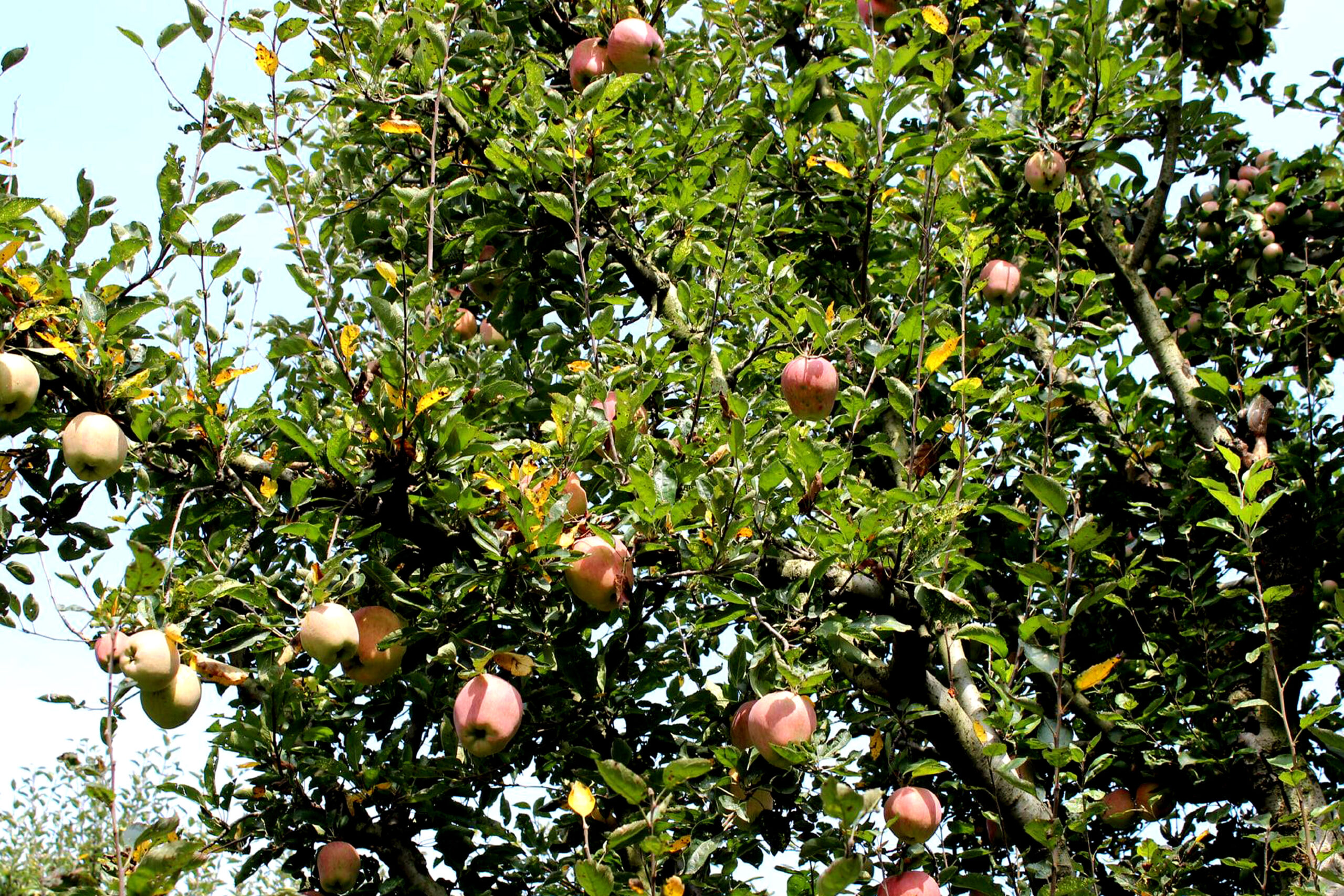
Under the proposed system, farmers and orchardists would be encouraged to have produce tested at its point of origin, allowing them to check residue levels before sending it to market. The proposal covers apples, grapes, vegetables and other fruit. Ganai said the university had a laboratory, built at a cost of about Rs 200 crore, with capacity to test residues of 55 pesticides. The Azadi Times has not independently reviewed the proposal document or laboratory records.

Official data show residue-limit breaches in some samples
Separate figures presented in the Lok Sabha show that 58 of 1,489 fruit and vegetable samples tested in Jammu and Kashmir between 2023 and 2026 contained pesticide residues above the maximum residue limits set by the Food Safety and Standards Authority of India. That represents 3.9 per cent of the samples, compared with a national rate of 3.1 per cent, according to reports by Rising Kashmir and Kashmir Life.
The published figures do not identify the crops or pesticides involved, the extent by which individual samples exceeded the limits, or the enforcement action taken in each case. A sample above a legal residue limit does not mean that all produce from the region, or an entire crop, is unsafe. Maximum residue limits are regulatory thresholds for specific pesticide-and-food combinations.
University reports wider shift towards lower pesticide use
In a separate report, the Kashmir News Service quoted Ganai as saying that SKUAST-K had established a bio-input production centre at Wadura and was developing methods to reduce chemical pesticide use. He said a cooperative high-density orchard covering about 100 kanals in Pulwama had reduced pesticide consumption by around 70 per cent compared with conventional orchards. That figure is the university’s reported assessment and has not been independently audited by The Azadi Times.




Farm-gate testing could give growers earlier information about residue levels, but its effectiveness would depend on clear rules for sampling, testing costs, laboratory access, certification and public reporting. The proposal has not yet been announced as an implemented or mandatory requirement.
Apple production remains central to the region’s horticulture economy. The Azadi Times has previously published a guide to Kashmir apples, varieties and quality.