Tuesday, March 31, 2026
19.1 C
Srinagar
Home Blog Page 83

Doda Authorities Impose Two-Month VPN Ban Citing Security Concerns

    0

    Doda, Jammu & Kashmir (Indian administered Kashmir) — May 3, 2025:
    Authorities in the Doda district of Jammu and Kashmir have enforced a sudden two-month ban on the use of Virtual Private Networks (VPNs), citing national security concerns as justification. The restriction, which came into effect on Friday, has raised concerns among residents and digital rights advocates over growing internet restrictions in the region.

    According to official sources, the decision follows intelligence reports claiming VPN services were being misused to spread what authorities termed as “inflammatory content” and to facilitate “unlawful activities” that could disturb peace in the region. However, critics argue that such measures disproportionately affect the rights of ordinary citizens, many of whom rely on VPNs for safe communication, accessing blocked information, and maintaining privacy in a heavily surveilled environment.

    The ban comes amid a broader pattern of digital clampdowns in Jammu and Kashmir, where internet shutdowns, social media restrictions, and censorship have become increasingly frequent since the abrogation of Article 370 in 2019. Civil society members and pro-Kashmiri voices have long expressed concerns that such restrictions are aimed at silencing dissent and cutting off Kashmiris from the global narrative.

    “Rather than addressing the root causes of discontent, the state continues to respond with digital repression,” said a human rights activist based in Srinagar, speaking on condition of anonymity. “VPNs have often been the only way for many Kashmiris to stay connected to the outside world.”

    The ban will remain in effect for two months, during which authorities are expected to monitor compliance through Internet Service Providers (ISPs). Violations could reportedly lead to legal consequences, although specific details remain unclear.

    As the ban unfolds, many in Doda and beyond fear this could set a precedent for further tightening of digital spaces in the region—spaces already severely restricted compared to the rest of India.

    Rising Tensions Along the Ceasefire Line: Civilians Brace for Impact Amidst India-Pakistan Standoff

    MUZAFFARABAD, Pakistan-administered Kashmir — In a region marred by decades of conflict, the latest developments along the Ceasefire line Line of Control (LoC) have ignited renewed fears of escalation between India and Pakistan. Following the brutal Pahalgam attack and subsequent cross-border skirmishes, authorities in Pakistan-administered Kashmir have issued urgent advisories to residents, urging them to stockpile essential supplies as tensions continue to mount.

    The catalyst for the current crisis was the catastrophic assault in the Baisaran Valley near Pahalgam, Indian-administered Kashmir, on April 22. The attack, which claimed the lives of 28 civilians—predominantly Hindu tourists—shook the region to its core. Although the Resistance Front (TRF) initially claimed responsibility, they later recanted, leaving a cloud of uncertainty over the true perpetrators. Meanwhile, India has pointed fingers at Pakistan-based groups, a charge that Islamabad forcefully denies.

    In the wake of this tragedy, the delicate balance that has long characterized the region is showing signs of imminent disruption. Both nations have begun exchanging artillery fire along the volatile border, sparking concerns that isolated skirmishes could quickly spiral into a broader conflict. The escalation has led to a series of unprecedented military and diplomatic measures by both sides.

    Escalation Along the LoC: Military and Diplomatic Moves

    In response to the recent hostilities, India has taken several punitive actions. The suspension of the Indus Waters Treaty, the expulsion of Pakistani diplomats, and the closure of borders to Pakistani nationals underscore India’s hard-line stance. In a reciprocal move, Pakistan has suspended the Shimla Agreement, closed its airspace to Indian aircraft, and halted all trade relations, deepening the rift between the two nuclear-armed neighbors.

    These defensive measures are compounded by relentless artillery exchanges along the LoC, with both sides reporting casualties and significant equipment losses. The military buildup has not only increased tensions on the ground but also raised alarm bells within the international community, which now fears that any further escalation could destabilize an already fragile regional peace.

    Civilian Preparations Amid Uncertainty

    Amid the volatile military situation, the civilian population in Pakistan-administered Kashmir is bracing for the possibility of wider conflict. Authorities have issued advisories to stock up on essential supplies such as food, water, and medicine. Chaudhry Anwar-ul-Haq, the Prime Minister of Pakistan-administered Kashmir, announced the allocation of a 1 billion PKR emergency fund to guarantee the availability of critical resources in 13 constituencies along the LoC. This swift move is designed to cushion the impact on communities that are already facing significant uncertainties.

    Local administrations have also mobilized transportation and infrastructure resources to secure the region. In areas such as the Neelum Valley, where tourism has been a key driver of the economy, business owners and residents alike are experiencing a sharp decline in visitor numbers—a direct consequence of the growing fears of conflict. Daily life in these border areas now revolves around not only survival but also the collective hope for a de-escalation of hostilities.

    Historical Context and the Lingering Legacy of Conflict

    Kashmir’s turbulent history is steeped in both cultural richness and longstanding conflict. The region has been a focal point of geopolitical strife ever since the partition of the Indian subcontinent. Over the years, repeated outbreaks of violence and political deadlock have left a deep imprint on the collective psyche of its people.

    This current standoff has reverberated widely, as familiar themes of loss, resilience, and the perpetual struggle for autonomy come to the fore. The recent events serve as a stark reminder of how historical grievances and ongoing territorial disputes continue to shape the destiny of this contentious region.

    Commemorating Past Struggles in the Midst of Crisis

    Even as tensions escalate, there is a palpable effort to remember and honor the sacrifices of Kashmiris who fought for their rights in the past. Shaukat Nawaz Mir, Chairman of the Jammu Kashmir Joint Awami Action Committee (JKJAAC), has announced a commemoration gathering scheduled for May 13 in Muzaffarabad. The event will pay tribute to the lives lost during the 2024 protests in Azad Kashmir—protests that were driven by the populace’s desperate demand for affordable electricity and wheat. These protests, marked by significant sacrifices, have become emblematic of the enduring spirit of resistance among Kashmiris.

    Mir stated, “In the face of relentless adversity, the people of Kashmir continue to stand united. Our struggles are not just for survival; they are for justice, dignity, and our right to self-determination. We are committed to a peaceful future, even as we confront the harsh realities of conflict.”

    International Implications

    The ramifications of the LoC tensions extend far beyond the immediate borders of India and Pakistan. The international community, acutely aware of the precarious balance of power in South Asia, is watching these developments with growing apprehension. Analysts have warned that a sustained military confrontation in the region could have disastrous global repercussions, particularly considering the nuclear capabilities of the involved nations.

    Diplomatic channels have been abuzz with calls for dialogue and restraint. Global leaders and international organizations are urging both India and Pakistan to prioritize diplomatic engagement over military escalation. There is a widespread consensus that only through concerted dialogue and a commitment to resolving underlying disputes can a peaceful resolution be achieved.

    The Broader Impact on Regional Security and Future Prospects

    The current standoff is poised to impact every facet of life in the region—from the daily routine of ordinary citizens to the strategic calculus of international security agencies. The disruption in trade, tourism, and cross-border communications is likely to have long-term economic and social implications for both sides of the LoC.

    In Pakistan-administered Kashmir, the government’s proactive measures to secure essential supplies and protect vulnerable communities underscore the urgent need for stability. At the same time, the crisis has reaffirmed the resilience of the Kashmiri people, who continue to hope for a future defined by peace and self-determination rather than endless strife.

    As tensions soar along the LoC in the wake of the Pahalgam attack, the region finds itself at a critical juncture. The unfolding events, marked by a combination of military escalation, cautious civilian preparations, and urgent diplomatic calls, underline the complexity of the Kashmir issue. International stakeholders now face the daunting challenge of mediating a conflict that could reshape the strategic landscape of South Asia.

    For the Kashmiri populace, the hope remains that the current crisis will eventually give way to a more secure and autonomous future—one where the scars of the past do not hinder the promise of a peaceful tomorrow.

    Historic Land Dispute in Gilgit Sparks Calls for Traditional Jirga-Based Resolution

    Gilgit, (Gilgit Baltistan) Pakistan adminidtered kashmir – In a press conference held at the Central Press Club in Gilgit, community leaders representing the indigenous residents of Gilgit have renewed their call for resolving a longstanding land dispute through traditional Jirga (tribal council) mechanisms and peaceful negotiations. The conflict centers around Thole Das, a historically recognized pastureland on the outskirts of Gilgit, which the local population claims has been illegally encroached upon by non-indigenous individuals with the alleged support of certain land mafias.

    About Gilgit Bltistan: Gilgit-Baltistan is part of the Pakistan-administered territory of Jammu and Kashmir. The region, while not constitutionally integrated into Pakistan, holds a unique status and has long demanded clearer political rights and protection of indigenous identities.

    The dispute has brought into focus growing tensions over land ownership and demographic changes in Gilgit, a key town in the Pakistan-administered region of Jammu and Kashmir. Gilgit-Baltistan, while administered by Pakistan, does not formally enjoy provincial status, and its constitutional and land rights have remained a subject of contention for decades. Indigenous groups fear that unchecked settlement, unregulated land sales, and political marginalization could erode their historical ownership and rights.

    Historic Pastures and Unresolved Encroachments

    Speaking on behalf of the Tanzeem-e-Tahaffuz Huqooq-e-Pushteni Bashindgan Gilgit (Organization for the Protection of Rights of Indigenous People of Gilgit), President Shamshad Ali emphasized that the disputed area of Thole Das, located opposite Benzal Gilgit, has been a traditional winter grazing ground for the people of Gilgit since time immemorial. He was joined by several other senior elders and representatives from Gilgit’s various neighborhoods.

    According to the organization, this pastureland has been unlawfully occupied by non-indigenous individuals who lack the legal Khewat (ownership registration) rights to the area. They allege that local land mafias have facilitated the illegal sale and partitioning of the land, leading to tree plantation and even construction of boundary walls in parts of the pasture.

    The speakers cited historical land records, including a 1936 Kashmir State document and a 1917 state-issued record, as proof of Gilgit residents’ ownership of the area. These documents reportedly define the boundaries of Bargo Pain, a neighboring locality, as ending at the beginning of Thole Das, covering only 5.5 miles from Ghamak Laat to Jarali—well short of the disputed area.

    Efforts by Authorities and Continued Inaction

    The issue is not new. In August 2019, the then Deputy Commissioner of Gilgit attempted to reclaim the illegally occupied land with the support of the Frontier Constabulary (FC), Rangers, and Gilgit Scouts. However, despite these efforts, successive officers have been unable to enforce the decision due to bureaucratic challenges, lack of political will, and resistance from powerful land lobbies.

    “The illegal occupation continues despite multiple attempts to enforce law and order,” Shamshad Ali stated. “Our patience should not be mistaken for weakness. We respect our neighbors, especially our brothers from Bargo Pain, but we cannot allow even one inch of our ancestral land to be usurped.”

    Counterclaims and Lack of Evidence

    Recently, some elders from Bargo Pain claimed during a press conference that their village boundaries stretch as far as Karakoram International University (KIU). The residents of Gilgit have strongly rejected these claims, stating that no official documents support such an extension of boundaries.

    They further dismissed the argument that Bargo Pain villagers acquired grazing rights (mari) from Kashiro Das and Konodas, emphasizing that there is no historical or legal precedent for such a claim. In fact, according to Gilgit elders, these areas were historically uninhabited for long periods due to raids by the then-ruler Raja Gohar Aman of Yasin and Chilas.

    Call for Jirga and Peaceful Settlement

    Despite the escalating tensions, Gilgit’s indigenous leaders have reiterated their commitment to a peaceful, traditional resolution. They have extended invitations to community elders and responsible citizens from nearby villages—such as Jutial, Jaglote, Haramosh, Bagrote, Danyore, Manawar, Sakwar, Barmas Khar, and Basin—to join a grand Jirga aimed at resolving these boundary disputes with mutual understanding and respect.

    “This is not a major conflict, but one that can become divisive if not resolved with wisdom,” said one of the elders. “We are the original custodians of this land, and we seek unity among all villages. We want to protect not just territory, but harmony and shared heritage.”

    Regional and Political Context

    The dispute comes amid broader concerns in Gilgit-Baltistan over the future of land rights, identity, and political autonomy. Gilgit-Baltistan, while part of the larger Kashmir region under dispute between India and Pakistan, has long demanded constitutional rights, preservation of indigenous status, and protection against demographic changes.

    Indigenous organizations argue that the systematic erosion of historical grazing rights and communal lands, combined with unregulated real estate practices, threaten the cultural and economic foundations of the region.

    In a region already grappling with under-representation, limited political autonomy, and environmental vulnerability due to glacier melt and development pressures, land disputes such as these carry significant socio-political implications.

    The leaders concluded the press conference by expressing hope that their peaceful call for a Jirga will be accepted by all stakeholders. They emphasized that their organization will continue to act as a bridge between communities to ensure the protection of ancestral lands and maintain the unity of the people of Gilgit-Baltistan.

    “This is our homeland. Our pastures are our heritage. We will protect them—not through confrontation, but through dialogue, truth, and justice,” Shamshad Ali said.

    Gilgit-Baltistan is part of the Pakistan-administered territory of Jammu and Kashmir. The region, while not constitutionally integrated into Pakistan, holds a unique status and has long demanded clearer political rights and protection of indigenous identities.

    International Drug Syndicate Busted in Mirpur: Major Seizures of Narcotics, Foreign Currency, Arms, and Vehicles

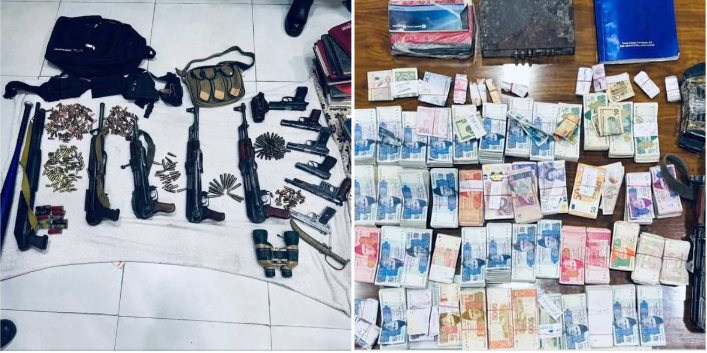
    Mirpur (Pakistan-administered Kashmir) — In a decisive operation that highlights the growing threat of transnational organized crime, Mirpur Police dismantled a sophisticated drug smuggling network operating across international borders. The cross-jurisdictional crackdown led to the arrest of 10 key suspects, including the alleged ringleader, Arshad Bilo. Authorities recovered over 4 kilograms of heroin, more than 100 million Pakistani and foreign currency, illegal firearms, detailed financial records, and five vehicles utilized in the criminal enterprise.

    The operation, which began in earnest in September 2024, was the result of an extensive, multi-agency investigation. Mirpur Police, in collaboration with international bodies including Interpol and British law enforcement, traced the complex network that facilitated the unlawful movement of narcotics from Pakistan-administered Kashmir, Khyber Pakhtunkhwa, and Islamabad to the United Kingdom via courier services.

    Senior Superintendent of Police (SSP) Khawar Ali Shaukat detailed the operation during a press briefing, stating, “Our proactive efforts have significantly disrupted a well-entrenched network that has been exploiting international courier services for drug trafficking. This operation sends a resounding message to all transnational criminals that we are uncompromising in our quest for justice.”

    According to SSP Mirpur, Khawar Ali Shaukat, who briefed the media alongside senior officers, the network had been operating since 2015 with links spanning from Pakistan-administered Kashmir and Khyber Pakhtunkhwa to the United Kingdom. Over 4 kilograms of heroin have been seized in multiple cases during the operation.

    Key Seizures and Evidence

    • Over PKR 10 million in local and foreign currency recovered from illegal currency exchange operations.

    • 77+ financial account ledgers, arms including rifles and pistols of various calibers, and five vehicles used by the suspects seized.

    • Seized documents include bank records indicating over PKR 60 million deposited in a single account.

    • Major suspects named include Raja Faisal, Azeem, Nadeem, Hassan Rauf, Khan Waheed, and Taqeer, with all under investigation for heroin smuggling to the UK via courier services.

    Transnational Links and Prior Convictions

    Arshad Bilo, the alleged kingpin, was previously arrested in the UK for heroin smuggling in 2013 along with an accomplice named Qaiser, who was sentenced to 7 years in a British court. Arshad later fled to Pakistan after being released on bail.

    Since then, he is believed to have built a structured narcotics supply chain from Mirpur to the UK, working closely with Ehtesham Raja, a UK-based associate. The investigation reveals that heroin parcels were being sent regularly through postal and courier services.

    Timeline of the Operation

    Mirpur Police initiated surveillance in September 2024, targeting the network’s local operatives. In November 2024, a successful operation in Dhangli, Dadyal led to the arrest of two suspects, Junaid and Waqar, and the recovery of heroin. Their confessions further implicated Arshad Bilo and Ehtesham Raja.

    Upon Arshad’s arrest in Mirpur, police uncovered extensive financial transactions and cash flow linked to illegal drug trade and unregistered currency exchanges.

    Weapons and Technology Seized

    From suspect Taqeer’s residence, police recovered a cache of arms including:

    • Rifles (.222 bore, .44 bore, 8mm)

    • Repeater shotgun (12 bore)

    • Multiple handguns (9mm, 30 bore, 22 bore)

    • Over a dozen magazines and live ammunition

    • Mobile phones, laptops, tablets, and sensitive documents

    Official Response and International Coordination

    SSP Shaukat described the operation as a “high-profile, transnational case”, revealing that Pakistani authorities are now coordinating with UK law enforcement and Interpol for further investigation. Over 100 suspicious bank transactions are under scrutiny, with assistance requested from financial institutions.

    Concerns Over Political Connections

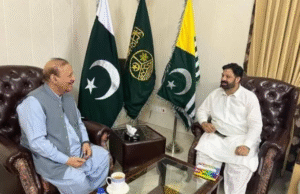
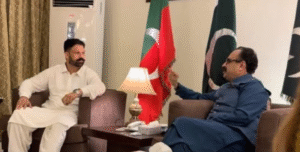
    The case has stirred public outrage and concern over possible political patronage, as images circulating online allegedly show Arshad Bilo with senior regional political figures, including the President of Pakistan-administered Kashmir and his son. These revelations have triggered intense public scrutiny over the role of state institutions, with citizens questioning why such figures were not under investigation earlier.

    Arshad Bilo sitting with President Sultan Mehmood Chaudhry inside the President Office, Pakistan-administered Kashmir
    Arshad Bilo sitting with President Sultan Mehmood Chaudhry inside the President’s Office, Pakistan-administered Kashmir

    As one social media user noted:
    “If photos of Arshad Bilo with top leadership had surfaced earlier, he would be behind bars by now — but in our system, power protects the criminal, not the citizen.”

    Wider Implications and Public Reaction

    The bust has exposed deep-rooted flaws in governance, accountability, and law enforcement. With ties allegedly extending to 15 countries, this network poses not just a local but an international threat. Public pressure is now mounting for a transparent investigation and accountability from both security institutions and political leadership.

    Arshad Bilo sitting with ex Prime Minister of Paskistan administered Kashmir.
    Arshad Bilo sitting with ex Prime Minister of Paskistan administered Kashmir.

    Workers’ Day Marked by Protest in Kashmir: Unions Demand Justice and Rights

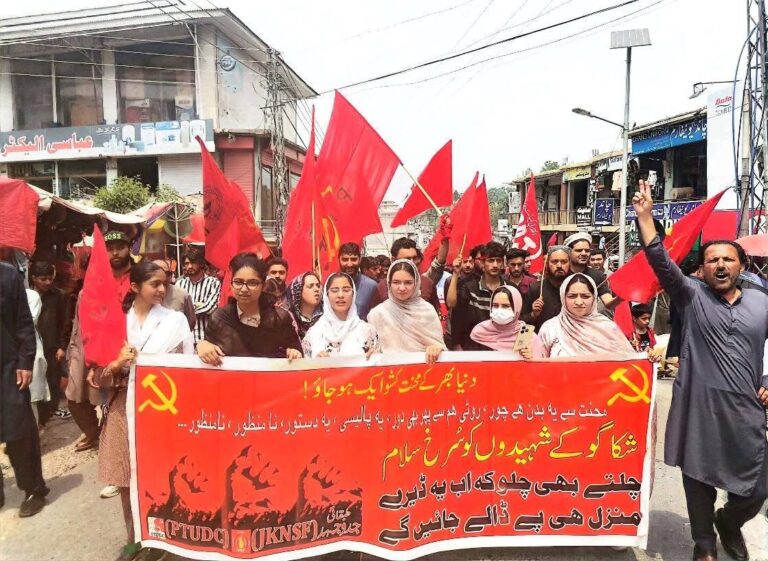
    Rawalakot, Pakistan-administered Kashmir – On the occasion of International Workers’ Day, the All Employees Confederation organized a major protest rally and public gathering in Rawalakot, drawing participation from a range of student and labor organizations. The demonstration highlighted pressing concerns faced by workers and paid tribute to the legacy of the Chicago martyrs.

    The protest, which began at College Ground and concluded at the local court complex, witnessed large participation from male and female employees representing various government departments. Key organizations in attendance included the Jammu Kashmir National Students Federation (JKNSF), the Pakistan Trade Union Defence Campaign (PTUDC), and the People’s Revolutionary Front (PRF), among others.

    Chants honoring the sacrifices of the Chicago labor martyrs were accompanied by slogans decrying the ongoing hardships endured by workers across the region. The event culminated in a public assembly moderated by Sardar Dawood Rafiq, the district general secretary of technical employees.

    Several prominent labor and student leaders addressed the crowd, including Dr. Khalid Mehmood (patron-in-chief of the All Employees Confederation), Sardar Khurshid Khan (president), Sardar Imtiaz Khan (president of APCA), Lali Qayum (central secretary general of technical employees), Altamash Tasadduq (Ad-hoc Workers Movement), Haleem Sajid (PRF), Badr Rafiq (editor of JKNSF’s publication Azm), Safia Begum (Health Employees), and others.

    Speakers strongly condemned the recent violence and arrests targeting MNCH employees and health workers in Lahore. They demanded immediate recognition of workers’ legitimate demands and voiced solidarity with labor movements throughout Pakistan and the wider Jammu and Kashmir region.

    The event’s speakers reaffirmed their commitment to the approval of a Charter of Demands and emphasized that their campaign would persist until all employee grievances are addressed. Referencing the 1886 Chicago protests that led to the global eight-hour workday movement, participants drew parallels with earlier labor struggles in Jammu and Kashmir, notably the 1865 movement that predated the Chicago events by two decades.

    “Generations of struggle achieved the rights we enjoy today, but those hard-won gains are now under threat,” speakers warned. They highlighted the historic sacrifices made in Kashmir for fair wages and working hours and vowed to carry forward that legacy until the establishment of true labor justice.

    The demonstration concluded with a strong message: International Workers’ Day is not merely symbolic—it is a call to sustained struggle for a fair, just, and equitable society

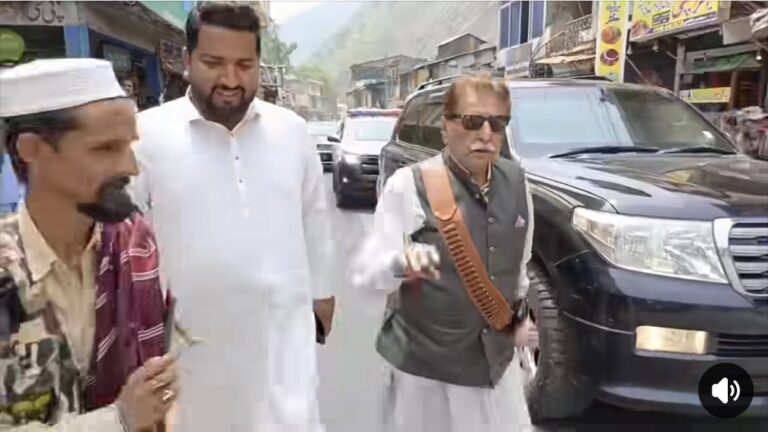
    Kashmiri Reactions to Raja Farooq Haider Khan’s Visit to Markets With Firearm

    Rawalakot, AJK (Pakistan administered Kashmiri): |In a surprising and controversial move, Raja Muhammad Farooq Haider Khan, former Prime Minister of Pakistan-administered Azad Jammu and Kashmir (AJK) and a prominent member of Pakistan’s ruling Muslim League (Nawaz), was filmed visiting various markets in the Jehlum Valley region with a 30 bore pistol strapped to his waist.

    This act, which occurred during his visit to welcome Amir Muqam, the Pakistani Minister for Kashmir Affairs, has sparked outrage across the region, triggering debates on the leadership of Kashmir, its relationship with both India and Pakistan, and the future path of the Kashmiri people.

    The Incident: A Visit that Divided Public Opinion

    Raja Farooq Haider Khan, accompanied by Amir Muqam, a senior figure from Pakistan, visited several markets in the Jehlum Valley, an area under Pakistani administration. The duo’s visit was ostensibly part of a broader effort to engage with locals and demonstrate support for the Kashmiri cause as well as boost morale following rising tensions in the region. However, the firearm carried by the former Prime Minister raised eyebrows.

    In a now-viral video, Haider Khan is seen strolling through the market with the weapon visibly strapped to his side, which he later uploaded on social media. His actions have since sparked an outpouring of responses, both in support and in protest. The immediate effect was a growing divide among Kashmiris, with many questioning the appropriateness of carrying a weapon in a public space while engaging with the community.

    Public Reaction: Criticism and Calls for Accountability

    Rawalakot-based social media platforms exploded with varying opinions following the release of the video. Several Kashmiris expressed shock and dismay, taking to Twitter and Facebook to criticize the gesture. One prominent user wrote:

    “How will Kashmir ever achieve freedom if one set of leaders is working under Indian politicians while another group is aligning with Pakistan’s political leaders? This is not leadership; it is a dangerous game. Kashmir is caught in between powers we have no control over. We want peace, not more division.”

    Such reactions are part of a larger disillusionment in the region with political leaders, both from India and Pakistan, who are seen as prioritizing their national interests over the aspirations of the Kashmiri people.

    One user from the valley, expressing frustration, stated:

    “We are Kashmiri people, neither aligned with Modi nor Shahbaz, neither India nor Pakistan. We are caught in the middle, and we want peace. We do not want war, and we do not want our leaders to become pawns of larger geopolitical games. Our struggle is for right to self-determination, not to become the battlefield of others.”

    Another commenter, disillusioned by the actions of political figures, said:

    “It seems like Raja Farooq Haider Khan will continue to take symbolic actions rather than real ones. Posting videos online and then retreating to his home does not move the cause forward. We need real solutions, not more political theater.”

    The Growing Tensions Between India and Pakistan: Kashmir as a Flashpoint

    The backdrop of these discussions is the increasingly tense situation between India and Pakistan, especially after the Pellgam attack earlier this month. Both nations have once again become embroiled in heated rhetoric, with Kashmir remaining a central point of contention. The political landscape in Kashmir continues to be marked by instability, especially as cross-border tensions flare up sporadically.

    In the aftermath of the Pellgam attack, nationalist Kashmiri leaders have called for an immediate cessation of hostilities between India and Pakistan. Their voices have emphasized that the people of Kashmir, both in Indian- and Pakistan-administered regions, are the real victims of this ongoing conflict and are pleading for peace.

    Leaders such as Mirwaiz Umar Farooq, Yasin Malik, and other pro-independence voices have urged both India and Pakistan to “resolve their issues on their borders and not at the expense of Kashmiris.” They have also called on the international community to play a more active role in de-escalating the situation, urging the global powers to listen to the cries of a people who have endured generations of conflict and suffering.

    One prominent figure involved in the independence movement remarked:

    “We are not aligned with India or Pakistan. We want a peaceful resolution to our future, based on our right to self-determination. We do not wish to live under the control of any foreign power.”

    The Call for a Unified Kashmiri Identity

    Raja Farooq Haider Khan’s actions have brought into stark contrast the ongoing struggles for unity and freedom within Kashmir. For many Kashmiris, both in India-administered and Pakistan-administered areas, the primary issue is not political allegiance to India or Pakistan but the struggle for self-determination and the right to establish a future free from external control.

    The divide between Kashmiris who feel compelled to follow leaders from both India and Pakistan highlights the larger identity crisis in the region. Many feel they are caught between two larger political entities that continue to disregard the aspirations of the Kashmiri people. This sentiment is growing, as more people are recognizing that they are not simply pawns in the larger geopolitical struggle but individuals with their own rights and future to determine.

    The Need for Dialogue, Not War

    As the world watches the continued escalation of tensions between India and Pakistan, Kashmiris are pushing for a peaceful resolution to their plight. What many want is not the continuation of a war-like status quo, but an environment where dialogue, mutual respect, and peace prevail.

    It is clear that for Kashmir to see lasting peace, it will need independent leadership, not one beholden to foreign governments. Political leaders like Raja Farooq Haider Khan, regardless of their stature, will need to understand that the future of Kashmir rests not on arms or allegiances to foreign powers, but on the collective will of the Kashmiri people.

    While the future of Kashmir is still uncertain, the calls for peace, self-determination, and independence are stronger than ever. The people of Kashmir are no longer willing to accept being treated as pawns in the larger power struggles of neighboring countries. They are calling for an end to the bloodshed and for a future where Kashmiris, on both sides of the Line of Control (LoC), can live in peace and with dignity.

    Conclusion: A New Era of Kashmiri Leadership?

    Raja Farooq Haider Khan’s actions, though controversial, have served as a stark reminder of the fragile political and social landscape in Kashmir. It is crucial that the leaders of the region – especially those who claim to represent the people – take a step back and ask themselves: Are they working for the people of Kashmir, or are they perpetuating the cycle of conflict for their own political gains?

    The need of the hour is for leadership that puts Kashmir’s peace and the rights of its people above all else. Kashmiris are not looking for more weapons or more division; they are looking for a future where they can determine their own path, free from the shackles of foreign political agendas.

    Only time will tell whether Kashmir’s future will be one of independence, peace, or whether it will continue to be a flashpoint in a larger geopolitical struggle. What is certain, however, is that the voice of the Kashmiri people for peace, justice, and self-determination will continue to grow louder, regardless of the challenges they face.


    Harmeet Kour Shines in JKBOSE Class 12 Exams, Secures 94.4% Marks

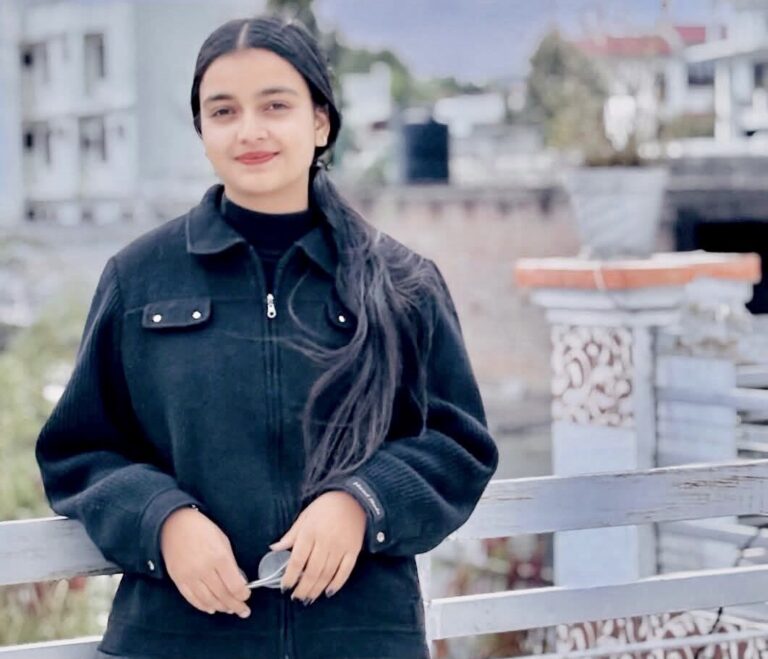
    Laroka, Nowshera, J&K, (Indian administered Kashmir): In an outstanding display of academic excellence, Harmeet Kour, daughter of Vikram Singh from Laroka, Tehsil Nowshera, has secured an impressive 467 out of 500 marks (94.4%) in the recently declared Class 12 examinations by the Jammu and Kashmir Board of School Education (JKBOSE).

    Harmeet’s achievement is a testament to her hard work, dedication, and perseverance. She has not only made her family proud but has also become an inspiration for students in the region, especially young girls striving to excel despite the challenges faced in conflict-affected Kashmir.

    Speaking about her achievement, Harmeet expressed her gratitude to her family, teachers, and peers for their constant support throughout her academic journey. “It was a challenging year, but with determination and the right guidance, I was able to achieve my goal. This result is not just for me, but for everyone who believed in me,” she said.

    Community Celebration
    The news of Harmeet’s remarkable success has spread across the region, and celebrations are underway in Laroka and Nowshera. Locals, including educators and friends, gathered to congratulate Harmeet for making the community proud. The achievement has also sparked pride among local women, with many seeing her as a role model for young girls aiming for higher education.

    A Message of Hope for Future Generations
    Harmeet’s success is a reminder of the transformative power of education, especially for young women in Kashmir. In a region marked by political unrest and challenges to the education system, Harmeet’s story shines brightly as an example of what determination can achieve.

    “Harmeet’s hard work and dedication have made her family and the entire region proud. Her achievement is a symbol of hope for all students, especially young girls in Kashmir,” said a local educator.

    Looking Ahead
    As Harmeet looks forward to her future academic endeavors, her success is a beacon of hope for many aspiring students across Kashmir, especially those who continue to face obstacles in their pursuit of education. Her outstanding results will no doubt encourage many others to strive for excellence, no matter the challenges they face.

    Congratulations to Harmeet Kour, and we wish her continued success in all her future endeavors!


    Would you like this to be formatted into a downloadable press release or any additional graphics for visual media?

    Kulgam Teen Dies Hours After Failing Class 12 Exams, Police Begin Probe

      0


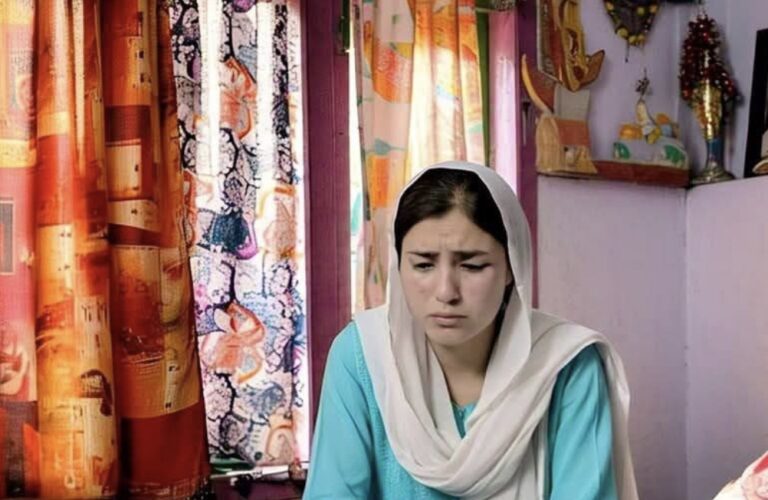
      Kulgam, J&K (Indian administered Kashmir) | Report by Bhat Ashraf: Tragedy struck south Kashmir’s Odura Nillow area of Kulgam district on Wednesday evening when a teenage girl was found dead under mysterious circumstances, just hours after the Jammu and Kashmir Board of School Education (JKBOSE) announced the results of the Class 12 examinations.

      According to local sources and a police official speaking to JKNS, the young girl whose name is being withheld out of respect for the family’s privacy was discovered unconscious in her room shortly after she reportedly learned that she had not passed the exam.

      She was immediately taken to a nearby health centre, where medical personnel declared her brought dead.

      While the exact cause of death remains unconfirmed, the timing of the incident has sparked serious concern and grief across the community. Police officials said that cognizance of the case has been taken, and an investigation is underway to determine the circumstances surrounding her death.

      “We have initiated proceedings to determine whether any foul play was involved or if the incident was linked to mental distress,” a senior police official told JKNS.

      The death has reignited a broader conversation around the immense psychological pressure faced by students in conflict-affected Kashmir, where disruptions to education, limited mental health resources, and societal expectations often weigh heavily on young minds.

      Community leaders and education advocates have called for immediate steps to support student mental health, including counseling services and reforms to the exam and result management systems.

      “No child should feel that failing an exam means the end of their worth. This is a systemic failure that demands serious introspection,” said a local education activist.

      As the investigation continues, the family and the wider community remain in mourning—a tragic reminder of the unseen toll that the region’s youth silently endure.

      Train Services Suspended After Truck Rolls Onto Track in Kashmir’s Qazigund

        0

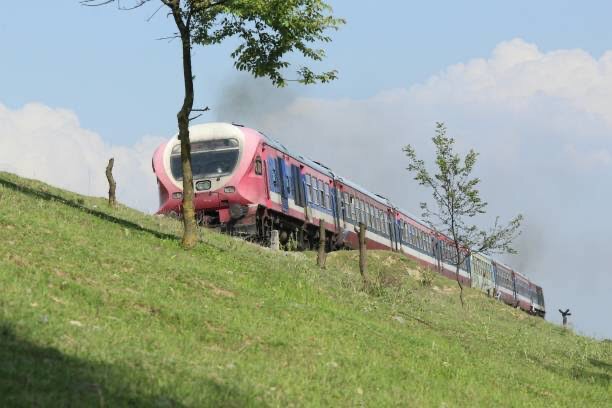
        Qazigund, J&K (Indian administered Kashmir): Train services between Banihal and Qazigund in south Kashmir were suspended on Thursday after a truck rolled down a roadside cutting and landed directly on the railway track near Qazigund, causing a major disruption.

        According to reports from the local newspaper Kashmir News Observer (KNO), the truck—bearing registration number JK02AT-5895—slid off a steep roadside slope and came to rest across the tracks at km 167/10-11, in the Hiller sector of the Banihal–Qazigund stretch.

        Jammu Kashmir Railway officials confirmed that services were halted immediately following the incident, which occurred in the early hours of the morning. Clearance operations were promptly launched; however, the heavy weight of the vehicle posed a significant challenge.

        “We deployed machinery to the site, but the truck is too heavy to be moved using routine equipment. We have now requested assistance from the Army,” an official told KNO.

        The accident has caused a complete halt in train movement on this vital section of the Kashmir railway line, which serves thousands of daily commuters. Authorities have not given a precise timeframe for restoration of services but have stated that operations will remain suspended until the truck is safely removed.

        The cause of the truck’s fall remains under investigation. No injuries have been reported so far.

        This incident highlights the vulnerability of the region’s infrastructure, where steep terrain, narrow roads, and a lack of protective barriers continue to pose risks to both road and rail transport.

        Protests Erupt in Srinagar Over JKBOSE Result Discrepancies

        Srinagar, J&K (Indian administered Kashmir): Hundreds of students and parents gathered outside the JKBOSE (Jammu & Kashmir Board of School Education) Head Office in Srinagar, protesting serious discrepancies in the recently declared Class 10 and 12 examination results.

        According to students, preliminary results shown online two days ago indicated a pass status, but the final results released yesterday show them as failed, sparking confusion, outrage, and emotional distress among families.

        “How can our names, roll numbers, and subjects be complete in the earlier version—and then suddenly we are marked failed? This is injustice,” said one aggrieved parent during the protest.

        Many students claim that the initial results were accessible via a web link shared through official or unofficial channels, and showed accurate marks and “PASS” status. However, when the final result was uploaded on the official JKBOSE website, their status had allegedly changed without explanation.

        The crowd outside the JKBOSE office included students from across the Kashmir Valley. Protesters demanded immediate clarification from board officials, transparency in the evaluation process, and the establishment of a grievance redressal mechanism.

        “We work hard under already stressful conditions in Kashmir. If this is how our futures are handled, what are we supposed to trust?” said a Class 12 student from Srinagar.

        As of now, JKBOSE has not released any formal statement regarding the alleged discrepancy, nor has it confirmed whether the earlier result links were authentic or internal drafts.

        The incident has once again raised concerns about the credibility of the education system in the conflict-affected region, where frequent disruptions, political pressure, and digital blackouts already strain the academic environment.

        Independent observers have called for an immediate inquiry and third-party review of the result publication process to restore public confidence.