
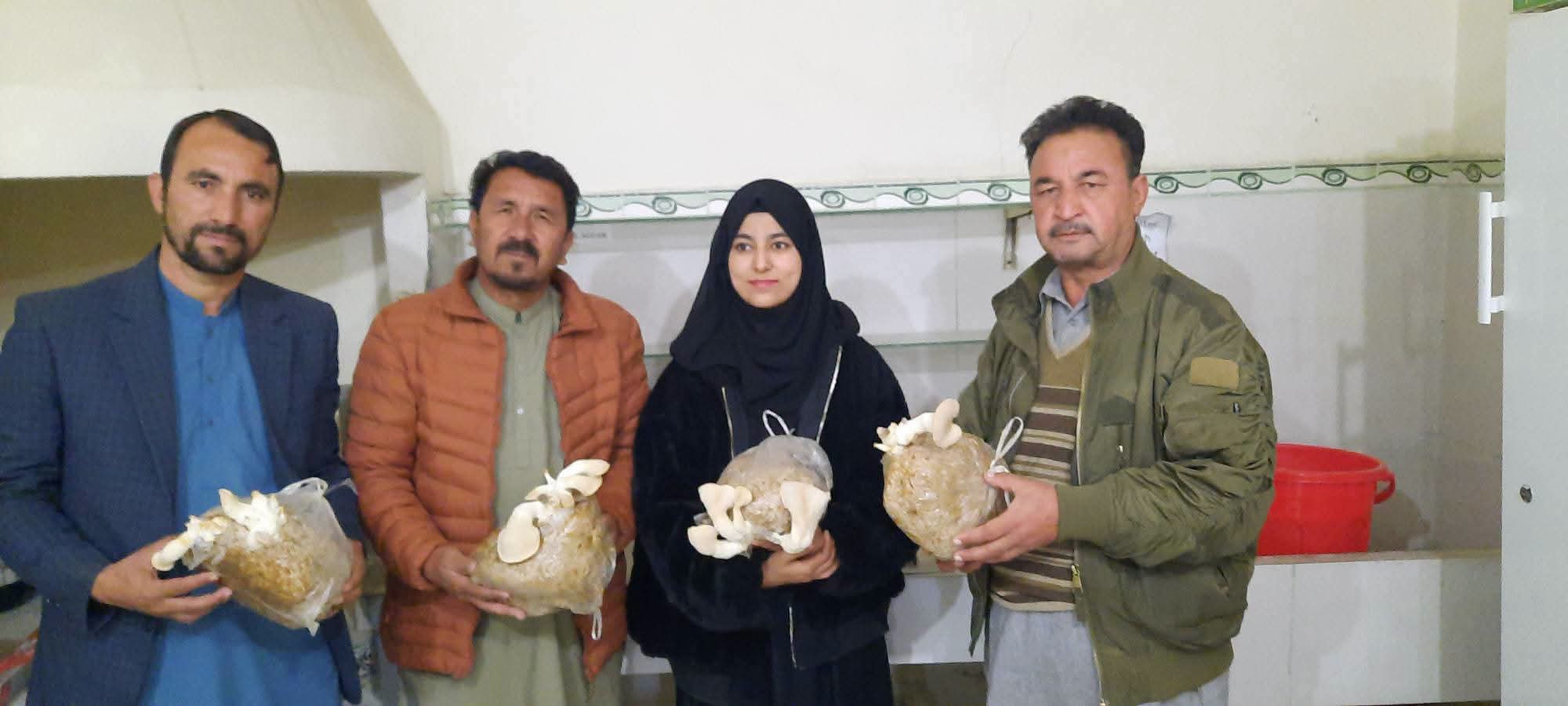

A joint research initiative in Skardu has successfully grown oyster mushrooms using local agricultural waste, opening new avenues for sustainable agribusiness and food diversity in the region.
SKARDU — In a significant milestone for agricultural research in the region, the University of Baltistan (UoB) has successfully cultivated oyster mushrooms (*Pleurotus ostreatus*) under the local climatic conditions of Skardu for the first time.
The breakthrough was achieved through a collaborative effort between the university’s Department of Botany and the Agriculture Department of the Baltistan Region.

The successful experiment formed the core of a BS-level research thesis by Shehnaz Fatima, a botany student at the university, working under the supervision of Assistant Professor Dr. Muhammad Akbar Zaigham.
According to the research team, the project focused on exploring the feasibility of cultivating oyster mushrooms using locally available agricultural residues, such as maize and wheat straw, as growing substrates. The preparation of the growing medium and the production of mushroom spawn were conducted entirely at the local level through controlled scientific trials.
Officials and academic leaders noted that oyster mushrooms offer notable nutritional benefits, containing protein, dietary fiber, vitamins, minerals, and antioxidants. Beyond nutrition, local researchers hope that the initiative will support sustainable agricultural waste utilization and create new income generation avenues for small-scale entrepreneurs, local farmers, and the hospitality sector.

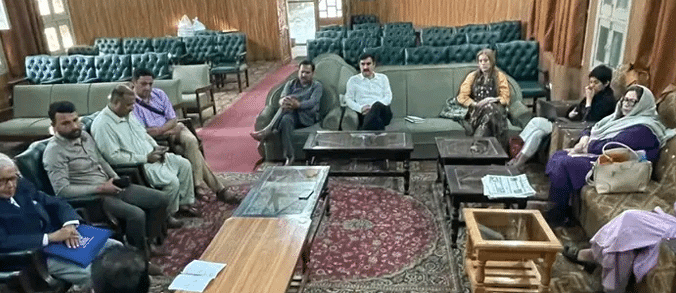

A harvesting ceremony was organized at the university to mark the milestone and recognize the research contributions of Ms. Fatima, while highlighting the importance of cooperation between academic institutions and public departments.
Project leaders extended appreciation to various contributors, including PhD scholar Zeeshan Hussain for technical assistance, Deputy Director of Agriculture Mr. Raza, Agriculture Officer Hassan Shafqat, and Department of Botany head Dr. Ishtiaq Hussain, alongside family members and support staff who assisted during the trials.
Researchers involved in the project expressed optimism that the initiative will encourage local farmers, students, and businesses to explore mushroom cultivation as a viable source of sustainable livelihood and economic development in Gilgit-Baltistan.