
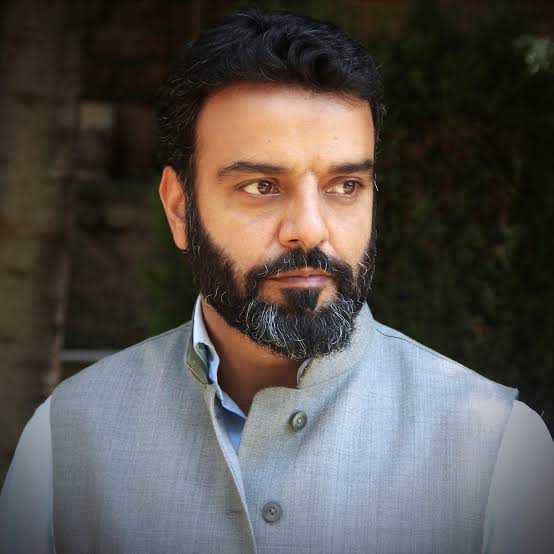
SRINAGAR, November 3, 2026: The political landscape of Jammu and Kashmir has entered a significant moment as Aga Syed Ruhullah Mehdi, the Member of Parliament representing Srinagar, moves towards fulfilling his announced decision to resign from the Jammu and Kashmir National Conference (NC) and relinquish his Lok Sabha membership.
His decision, rooted in a prolonged disagreement with the party leadership over electoral commitments, constitutional rights and the political direction of Jammu and Kashmir, has brought renewed attention to a fundamental question in Kashmiri politics: should political office take precedence over public commitments and personal conscience?
For many observers, Ruhullah’s decision represents more than an internal dispute within a political party. It has become a wider discussion about political accountability, the relationship between elected representatives and their electorate, and the responsibility of leaders to stand by the commitments on which they seek public support.
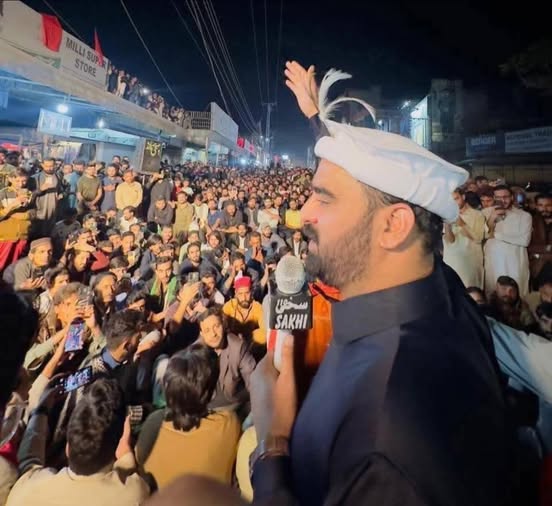
Reacting to Ruhullah’s announced resignation, Atif Maqbool, a Kashmiri political figure and media professional, described the decision as an example of placing public aspirations and personal conscience above temporary political privileges, financial incentives and the attractions of holding office.
In a statement, Maqbool said that Ruhullah Mehdi had demonstrated that political principles should not be compromised for personal benefits or the privileges associated with political positions.
He argued that Kashmir’s political difficulties have, in part, been compounded by leaders who prioritise temporary advantages, official privileges and political accommodation over the expectations of the people they represent.
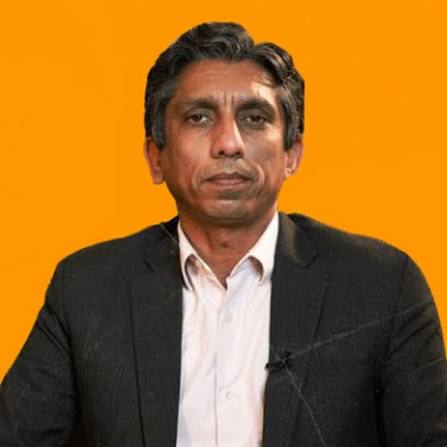
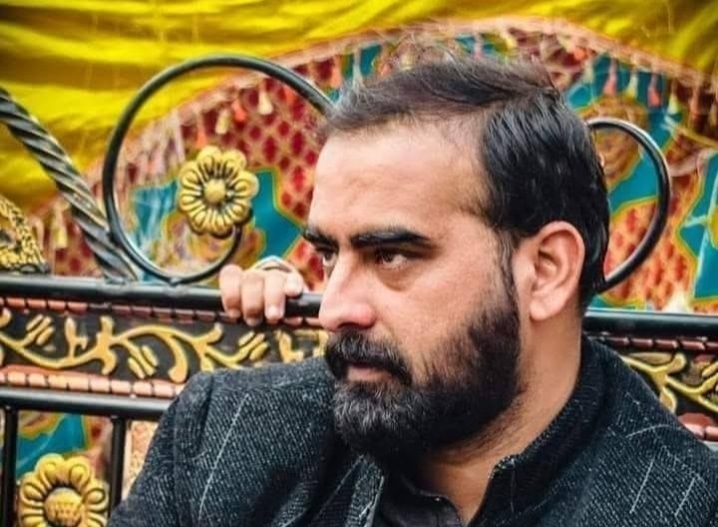
According to Maqbool, Ruhullah’s decision has presented a mirror to those who, in his view, compromise their political convictions for short-term benefits.
Atif Maqbool: Public Aspirations Must Come Before Political Privileges
Commenting on the political significance of Ruhullah Mehdi’s decision, Atif Maqbool said:
“Ruhullah Mehdi is a leader who has placed the aspirations of the people and the voice of his conscience above money, temporary temptations and the privileges of political office. By announcing his resignation, he has presented a mirror to those who sell their conscience for temporary political benefits and personal privileges.
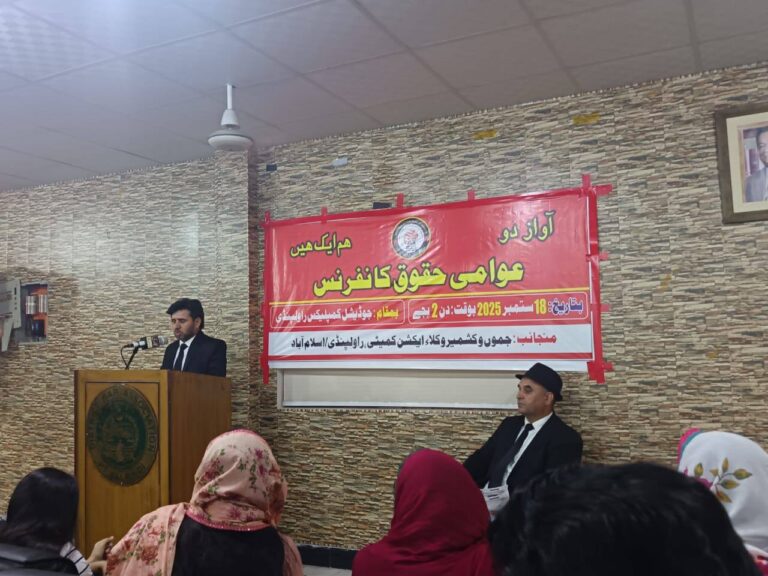

“Kashmir’s political fragmentation and the erosion of public trust are, to a considerable extent, connected to a political culture in which some leaders place their personal interests above the collective aspirations of the people.
“Ruhullah Mehdi has demonstrated that political leadership is not simply about occupying positions or enjoying official privileges. It is also about having the courage to question the system, challenge decisions that contradict public commitments and refuse to compromise one’s conscience.
“He has repeatedly emerged as a voice of dissent within the political establishment. His decision has brought an important question before Kashmiri society: what is the value of a political position if it requires a leader to remain silent when the promises made to the people are not fulfilled?”
Maqbool further maintained that the significance of Ruhullah’s decision should be assessed through the principles behind it rather than merely through its immediate political consequences.
His remarks reflect a wider concern among sections of Kashmiri society about political accountability and the credibility of electoral promises.
Why Is Aga Syed Ruhullah Mehdi Leaving the National Conference?
The disagreement between Ruhullah Mehdi and the National Conference leadership did not emerge overnight.
The Srinagar MP had been increasingly critical of the party’s political direction, particularly following the formation of the elected government under Chief Minister Omar Abdullah after the 2024 Jammu and Kashmir Assembly elections.
At the centre of the disagreement are questions concerning the restoration of Article 370, the protection of constitutional rights, the release of political prisoners and the government’s approach towards reservation policy.
Ruhullah has maintained that the National Conference sought public support on important political commitments but failed to demonstrate the level of action he expected after returning to power.
His criticism has also extended to the party’s emphasis on the restoration of statehood, which he believes should not replace the demand for the restoration of constitutional protections previously available to Jammu and Kashmir.
In an earlier communication to National Conference president Farooq Abdullah, Ruhullah questioned the party’s political approach, arguing that treating statehood as the outer limit of Jammu and Kashmir’s political aspirations risks normalising the constitutional changes introduced in August 2019.
He maintained that statehood and the restoration of Article 370 are two distinct political questions and that one should not be presented as a substitute for the other.
The disagreement has gradually developed into a public political confrontation between Ruhullah and the party leadership.
Article 370 and the Question of Electoral Accountability
The restoration of Article 370 remains one of the central political issues surrounding Ruhullah’s decision.
In August 2019, the Indian government revoked Jammu and Kashmir’s special constitutional status and reorganised the former state into two Union Territories.
The National Conference subsequently made the restoration of Article 370 and Article 35A a central component of its political position.
During the 2024 Assembly election campaign, the party’s manifesto included commitments to pursue the restoration of Article 370 and Article 35A, seek changes to the Jammu and Kashmir Reorganisation Act, secure the release of political prisoners and protect the political and constitutional rights of the people.
However, after assuming office, the party’s approach and the practical limitations of the elected government became subjects of disagreement.
Ruhullah has questioned whether the party has maintained the political commitment it presented to voters before the elections.
For him, the issue is not simply whether the government has the constitutional authority to reverse decisions taken by the Union government. It is also whether an elected party continues to pursue the political commitments on which it secured public support.
The distinction is important.
An elected government may face constitutional, administrative and political limitations, but its representatives remain accountable for explaining their decisions and communicating honestly with the electorate.
Ruhullah’s criticism reflects this broader question of accountability.
From Reservation Policy to an Open Political Rift
The differences between Ruhullah and the National Conference leadership extend beyond Article 370.
One of the earlier sources of disagreement concerned the rationalisation of the reservation policy in Jammu and Kashmir.
The issue generated considerable public debate, particularly among sections of the population concerned about the distribution of opportunities in education and public employment.
Ruhullah’s disagreements with the party leadership over reservation policy contributed to the widening distance between him and the government.
His criticism subsequently expanded to include the government’s approach towards political prisoners, constitutional rights and the broader political direction of Jammu and Kashmir.
The differences became increasingly visible as he continued to raise questions about the party’s commitments despite being an elected representative of the ruling National Conference.
His position also distinguished him from several political figures who generally avoid publicly challenging their own party’s government.
Farooq Abdullah’s Challenge and Ruhullah’s Response
An important turning point came when National Conference president Farooq Abdullah publicly challenged Ruhullah to resign from the party and his parliamentary seat if he believed he could no longer support its political direction.
Ruhullah subsequently indicated that he was prepared to accept the challenge.
In August 2026, he communicated his position to the party leadership, making clear that his resignation was not simply a reaction to a personal disagreement.
He maintained that accountability must precede any discussion about his political future.
The exchange transformed an internal disagreement into a public political confrontation.
By announcing November 3 as the date for his resignation, Ruhullah also made it clear that he did not intend to continue occupying a parliamentary position while publicly questioning the political commitments of the party on whose ticket he had been elected.
He has rejected suggestions that his decision is connected to personal grievances over ministerial positions or political appointments.
He has also distanced himself from speculation about horse-trading or attempts to destabilise the elected government.
His stated position is that the decision is based on political principles and unfulfilled electoral commitments.
Why November 3? A Date Connected to His Father’s Legacy
Ruhullah selected November 3 for his announced resignation because the date marks the death anniversary of his father, Aga Syed Mehdi.
His father was a prominent political and religious figure who was killed in a bomb attack.
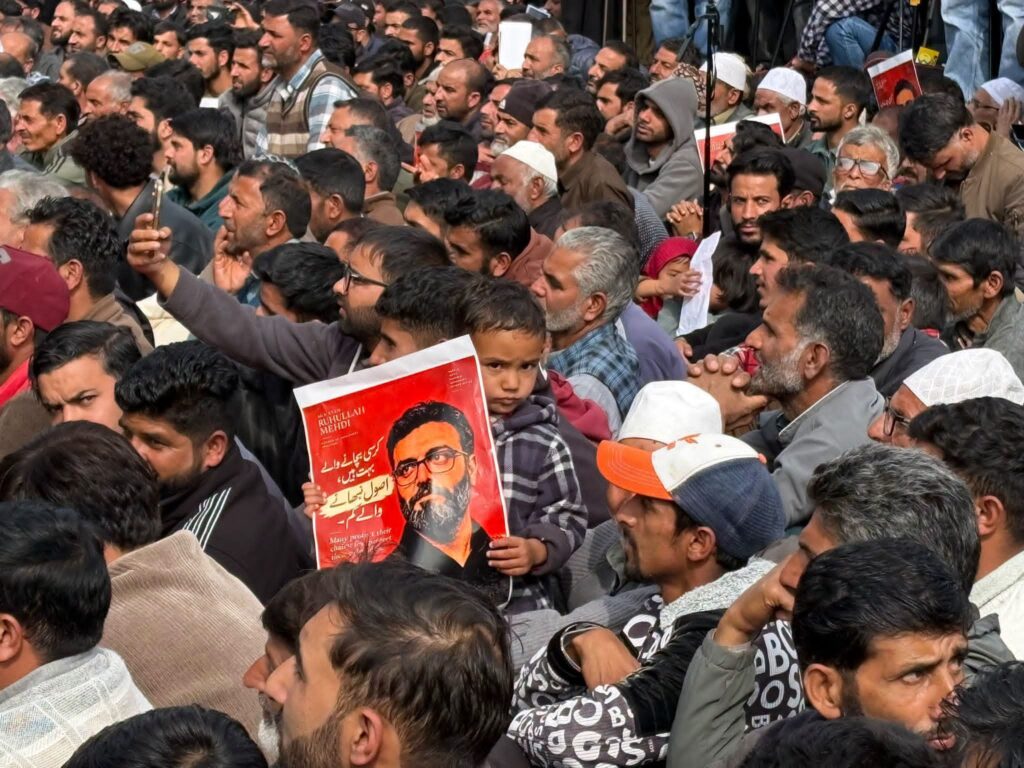
The public gathering scheduled at Behisht-e-Zehra Park in Budgam is being held in connection with the anniversary.
The choice of date gives the political announcement an additional personal and historical dimension.
Ruhullah has indicated that his father’s legacy and political upbringing have influenced his understanding of public responsibility and political principles.
The gathering was scheduled to take place between 10 am and 1 pm, subject to conditions imposed by the district administration.
The administration restricted the programme to the designated venue and prohibited processions, provocative speeches and activities that could disturb public order.
The event has attracted considerable political attention because of the expected announcement concerning both his party membership and parliamentary position.
A Parliamentary Seat Won on Public Trust
Ruhullah Mehdi was elected to the 18th Lok Sabha in June 2024 from the Srinagar parliamentary constituency on the National Conference ticket.
His victory came at a significant moment in Jammu and Kashmir’s political history, following the 2019 constitutional changes and the subsequent political transition.
The parliamentary election was held amid considerable public interest in representation, political rights and the future constitutional position of Jammu and Kashmir.
Ruhullah secured 356,866 votes, defeating his closest rival, Waheed-ur-Rehman Para of the Peoples Democratic Party, who received 168,450 votes.
The victory margin was 188,416 votes.
His office has maintained that the parliamentary seat was secured on the basis of political commitments made to the electorate.
This is also central to the argument behind his announced resignation.
Rather than continuing to represent Srinagar while disagreeing with the party’s political direction, Ruhullah has indicated that he is prepared to surrender the mandate and return to the people.
However, a parliamentary resignation must follow the prescribed constitutional procedure. Its formal acceptance by the Lok Sabha Speaker is separate from the announcement or submission of a resignation letter.
What Happens to Srinagar’s Parliamentary Seat?
If Ruhullah formally submits his resignation from the Lok Sabha and the Speaker accepts it, the Srinagar parliamentary constituency will become vacant.
The Election Commission of India would then be required to consider the applicable legal and constitutional provisions governing a by-election.
Such an election would provide an opportunity for voters in the constituency to choose a new representative.
Ruhullah has indicated that he would consult the people before deciding his future political course.
His next political move remains an important question.
In an interview published ahead of November 3, he indicated that establishing a new political party was not his immediate priority, although he intended to make efforts towards building an organised movement after the announced resignation.
This suggests that his political future may extend beyond the structure of the National Conference, although the form and organisational direction of any future initiative remain uncertain.
Beyond One Party: A Wider Debate About Kashmir’s Political Culture
The significance of Ruhullah Mehdi’s decision extends beyond the immediate disagreement within the National Conference.
For decades, Kashmir’s political landscape has been shaped by competing narratives, changing political arrangements, constitutional disputes and questions about the relationship between elected representatives and public aspirations.
Public confidence in political institutions depends not only on electoral participation but also on whether representatives remain answerable to the people after elections.
The issue raised by Ruhullah is particularly relevant in this context.
If political parties seek votes through commitments concerning constitutional rights, political prisoners, employment, land protections and regional aspirations, voters have a legitimate interest in asking what happens to those commitments after the formation of a government.
At the same time, political realities, constitutional limitations and administrative responsibilities can influence what an elected government is able to deliver.
The central question, therefore, is not simply whether every electoral promise can be implemented immediately. It is whether political leadership remains transparent, accountable and consistent in pursuing the commitments presented to the electorate.
Atif Maqbool’s reaction places particular emphasis on the moral dimension of this debate.
His statement argues that political leadership should be measured by the willingness to defend public interests, even when doing so comes at the cost of personal political advantages.
For Maqbool, Ruhullah’s decision represents a challenge to a political culture in which positions, privileges and short-term interests can sometimes become more important than public accountability.
A Defining Moment, but the Political Story Is Still Unfolding
Aga Syed Ruhullah Mehdi’s announced resignation marks a significant development in the internal politics of the National Conference and raises broader questions about political representation in Jammu and Kashmir.
Whether his decision leads to a new political movement, a wider reorganisation of dissenting voices or a different form of engagement with the electorate remains to be seen.
What is clear is that the disagreement has brought the issue of electoral accountability back into the centre of Kashmir’s political debate.
For Atif Maqbool, the importance of this moment lies in the principle that political office should never become more valuable than the public trust through which it is obtained.
Ruhullah’s next steps will determine the practical direction of his political journey. His announced willingness to relinquish both party membership and parliamentary office, however, has already placed a difficult question before the region’s political establishment:
Can a political system maintain public trust if its leaders are unwilling to place their electoral commitments above the privileges of power?
For the people of Jammu and Kashmir, the answer to that question extends far beyond one resignation or one political party.