


Following a decisive political shift in Dhirkot, residents look to newly elected leader Sajid Iqbal Abbasi to tackle long-standing development challenges, road repairs, and public service gaps.
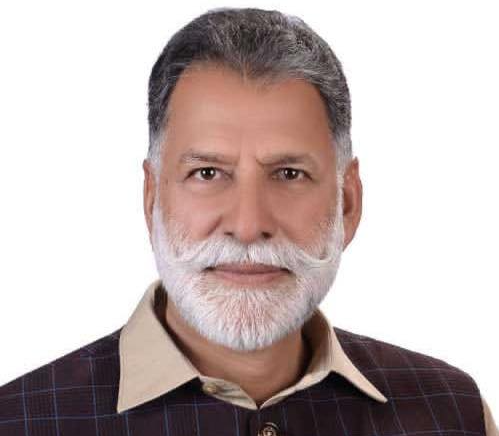
The recent election victory of Sajid Iqbal Abbasi in the Gharbi Bagh constituency has marked a significant turning point in local politics, ending more than five decades of political dominance by the Muslim Conference in the area.
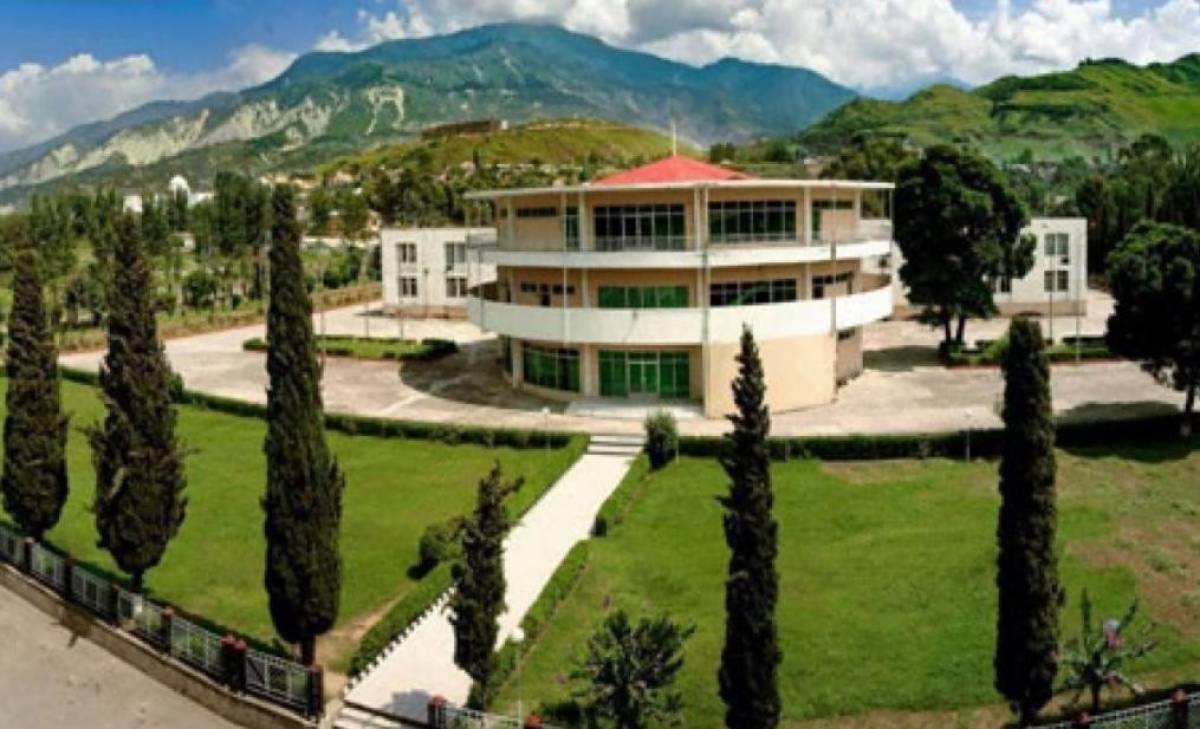
For residents across Dhirkot and surrounding areas, the transition has brought renewed attention to long-standing issues concerning basic infrastructure, roads, public institutional buildings, educational facilities, and healthcare centers. Over the past nearly two decades, local development has frequently faced hurdles, with many major projects becoming entangled in administrative delays, disputes, or allegations of corruption.
In recent years, deteriorating road networks and delayed public works led many local communities to rely on self-help initiatives. Residents frequently pooled funds to carry out basic road repairs, water boring projects, and path construction. Community organizations and local volunteers also stepped in to support building repairs for local schools and dispensaries, highlighting a growing gap in formal state-backed infrastructure maintenance.
Abbasi’s victory, secured by a notable margin, now places the responsibility of translating electoral success into tangible development squarely on the new leadership.
Key transport routes, including the link roads in Rangla, Chhapriyan, Ghori Keer, and the Basharat Shaheed Road, remain in urgent need of repair and upgrade. Dilapidated government buildings and limited access to essential public services also present immediate challenges for the incoming representative.
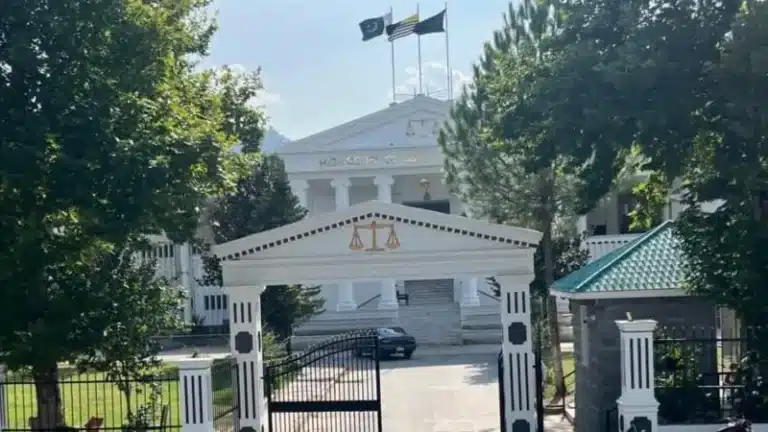
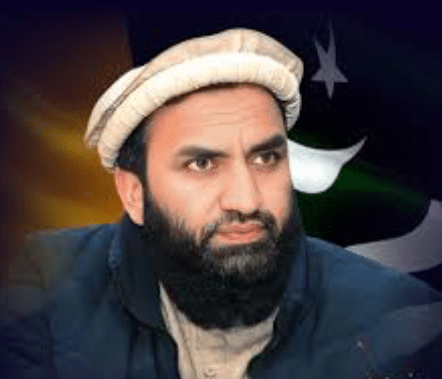

Following an alliance formed between Abbasi’s political platform and the Pakistan Muslim League-Nawaz (PML-N)—alongside assurances of development support from the party’s central leadership for Azad Jammu and Kashmir—public expectations have risen. Local community circles have expressed hope that Abbasi could be entrusted with responsibilities in the communications and works sector to directly oversee the rehabilitation of the region's infrastructure.
Public discussions across the constituency now focus less on the political shift itself and more on whether the new leadership can deliver transparent, accountable, and effective governance to resolve decades of infrastructural neglect in Gharbi Bagh.