


Catastrophic floods and landslides triggered by a massive Himalayan avalanche have left hundreds of foreign tourists among the missing, disrupting infrastructure across mountain valleys.
KATHMANDU — Flash floods and massive landslides along the Nepal-Tibet border have left at least 160 people dead and approximately 1,500 others missing, with authorities warning that the death toll could rise further as rescue operations press on.
The disaster struck the Himalayan region following the collapse of a massive glacier and rocky terrain. The resulting torrent of water, ice, mud, and debris swept rapidly down the river valleys. Initial speculation linked the disaster to a potential earthquake, but subsequent scientific assessments confirmed that the primary trigger was an avalanche and structural collapse.

The Rasuwa district in Nepal bore the brunt of the devastation, where the floodwaters destroyed residential homes, roads, bridges, and power infrastructure. Authorities report that roughly 40 kilometers of roadways and at least 19 bridges have been damaged, severely hampering relief efforts and cutting off access to remote mountain settlements.
Across the border in China's Tibet region, the situation remains critical. Officials have reported 558 missing individuals, a significant proportion of whom are foreign nationals. Similarly, the missing persons list in Nepal includes hundreds of foreign tourists and pilgrims from countries including India, the United States, Australia, the United Kingdom, and Canada.
Rescue teams are deployed across the affected terrain to search for survivors. Thousands of personnel from the Nepali army and police are engaged in search and rescue operations, while military helicopters attempt to airlift aid to isolated communities.
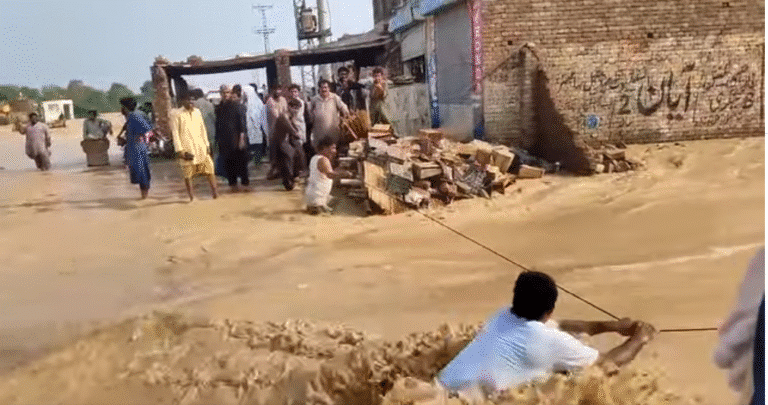



Authorities have issued warnings that the risk of secondary floods and further landslides persists in several sectors. The destruction of major thoroughfares and communication networks continues to present a major logistical hurdle for emergency responders.