
By: Public Safty and Crisis Desk The Times — Kashmir
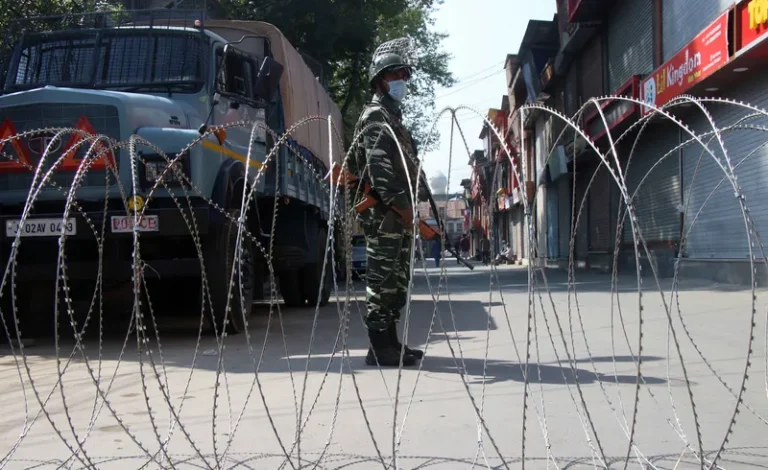
The Ceasefire line also known as Line of Control (LoC) in Kashmir remains one of the most volatile military frontiers in the world. Following the recent Pahalgam attack in Indian administered Kashmir cross-border tensions have surged, with frequent ceasefire violations, artillery exchanges, and military build-ups. According to South Asia Terrorism Portal (SATP), over 3,000 ceasefire violations were reported along the LoC between 2020 and 2023, displacing thousands of civilians.
For Kashmiris living near the LoC, the threat of sudden conflict is an ever-present reality. With both India and Pakistan possessing nuclear capabilities, the stakes are devastatingly high. The Azadi Timss presents this neutral, fact-based crisis guide to help civilians protect themselves and their families in case of an escalation.
1. Stay Informed — But Avoid Panic
- Monitor trusted news sources (BBC, Al Jazeera, Reuters, UN reports, Radio Kashmir).
- Avoid social media rumors — Misinformation spreads faster than truth in crises.
- Emergency alerts: Follow advisories from local disaster management authorities (if available).
- Historical context: Since 1947, Kashmir has witnessed three full-scale wars (1947, 1965, 1999) and multiple near-war crises (2001-02, 2019). Civilians must remain vigilant.
2. Emergency Kit: What You Must Prepare
Data from past conflicts (Kargil War, 1999; 2019 Balakot crisis) shows that displaced families often flee with no time to gather supplies. Prepare a go-bag with:
- Documents: ID cards, land records, medical prescriptions (in waterproof bags).
- Food & Water: At least 5 days’ worth of dry rations (biscuits, nuts, dried fruit).
- First Aid: Bandages, antiseptics, painkillers, and any critical medications (diabetes, heart conditions).
- Survival Gear: Flashlight, batteries, power bank, whistle, multi-tool.
- Cash: ATMs may not work; keep small denominations.
3. Locate Safe Zones & Evacuation Routes
- Past shelling incidents (2020-23) have shown that interior rooms or basements offer the best protection.
- UN-reported data: Over 500 civilian deaths occurred due to LoC shelling between 2014-2023.
- If evacuation is necessary:
- Move away from military installations (common targets).
- Use pre-identified community bunkers (where available).
- Avoid open fields and roads near the LoC.
4. Protect Vulnerable Family Members
- Children & elderly: Assign a family member to assist them in emergencies.
- Persons with disabilities: Pre-plan accessible escape routes.
- Women’s safety: Carry sanitary products and ensure safe shelter access.
5. Community Solidarity & Avoiding Exploitation
- Historical lesson: During the Kargil War, villages near the LoC relied on local cooperation for survival.
- Beware of:
- Rumors that incite panic.
- Militarized groups pressuring civilians.
- Scams offering fake evacuation help.
- Document violations: If safe, record shelling damage or rights abuses for international organizations (UNHRC, ICRC).
6. International Advocacy & Legal Protection
- Under international law (Geneva Conventions), civilians cannot be targeted. Report violations to:
- UN Military Observer Group in India and Pakistan (UNMOGIP).
- International Committee of the Red Cross (ICRC).
- Demand global attention: Share verified reports with human rights groups (Amnesty, HRW).
Conclusion
For Kashmiris near the LoC, survival is not just luck—it’s preparation. While the world debates geopolitics, civilians bear the cost. This guide is a tool for resilience, not fear. History has shown that Kashmiris endure, but they should not have to. Until lasting peace comes, knowledge and unity remain the best defense.Azadi Times urges all parties to prioritize civilian safety and adhere to ceasefire agreements.
Additional Resources
UNMOGIP Contact: [https://unmogip.unmissions.org/contact]