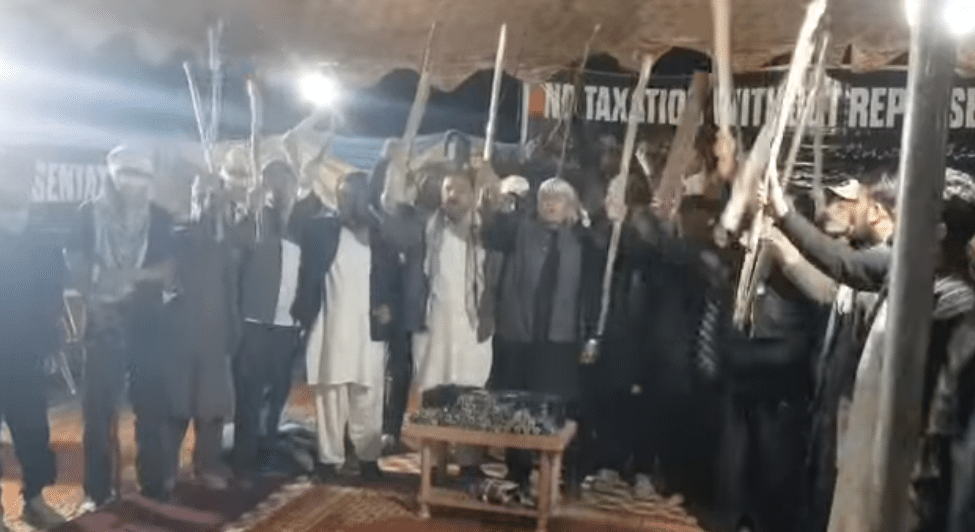

Gilgit-Baltistan (Pakistan-administered Kashmir) – September 2025: The ongoing protest in Sost, near the China border, has entered its 48th day, with growing fears of a government crackdown. What began as a demonstration by the local traders’ community against federal taxation policies in Gilgit-Baltistan has now transformed into a broader movement, attracting political, religious, and youth participation at the grassroots level.
Despite the tense standoff, the protest has also drawn significant support from Kashmir, where civil society groups and political voices have expressed solidarity with the demands of Gilgit-Baltistan’s traders, insisting that the region’s disputed status requires a tax-free zone.
Protest Gains Momentum Amid Crackdown Fears
Local sources report that large numbers of young people from Nagar and surrounding areas are joining the sit-in at Sost in convoys, with mosque announcements mobilizing further participation. Fears of a police crackdown grew after reports of a heavy security presence in Phandar and other strategic points.
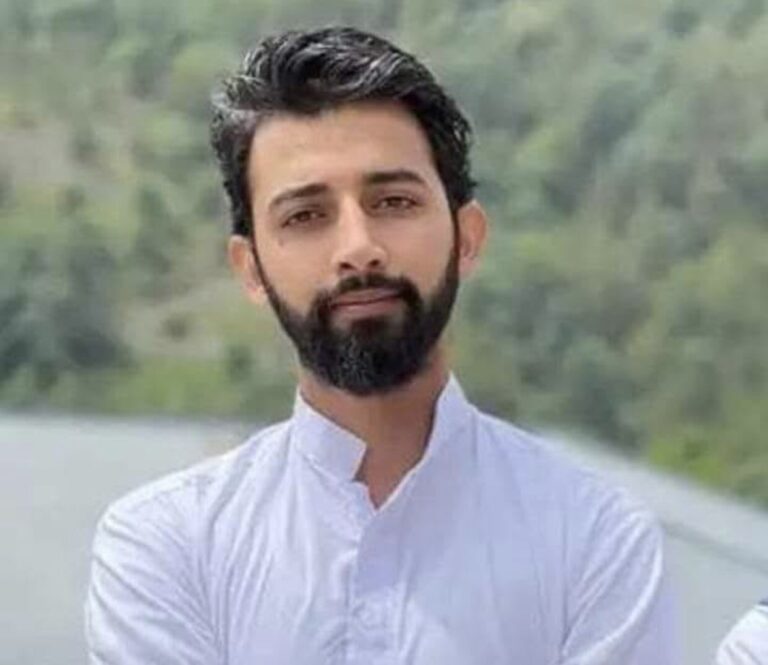
A dramatic moment occurred when a youth from Nagar postponed his own wedding celebrations to join the protest in Sost, symbolizing the intensity and emotional weight of the movement.
The traders and their supporters warn that if authorities attempt to disperse the sit-in by force, “the fire will engulf all of Gilgit-Baltistan.”
Government Response and Political Reactions
Speaking at a press conference in Gilgit, Gilgit-Baltistan’s Interior Minister Shams Lone stated:
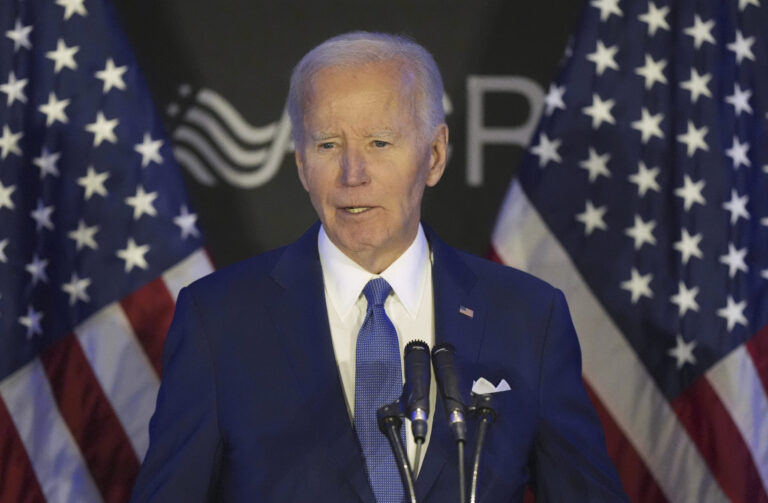

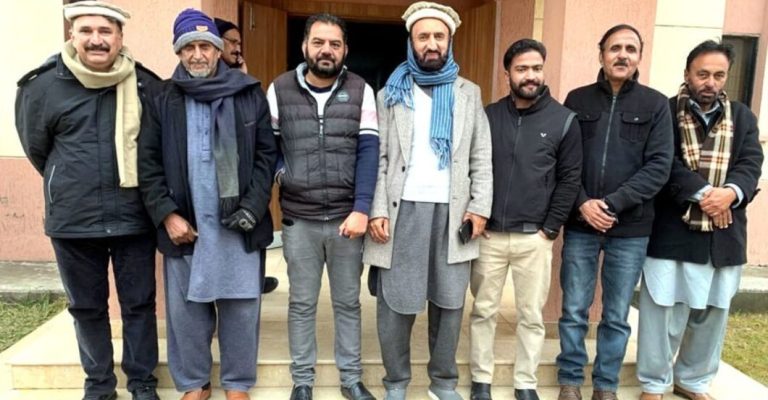
“We are not planning any crackdown on the Sost protest. However, speeches against state institutions are unacceptable. If the law is taken into anyone’s hands, strict action will follow.”
He added that the taxation issue lies with the federal government, but provincial authorities are working to find a solution. The minister stressed that the protesters are “our brothers” and assured that peaceful sit-ins would not face baton charges.
At the same time, he accused “certain mafias and political elements” of hijacking the Sost Port issue for their own agendas.


Former Finance Minister and sitting assembly member Javed Manwa issued a video statement warning that the provincial government would bear responsibility for any violence:
“If a crackdown is attempted, the consequences will be disastrous. The fire will spread across Gilgit-Baltistan, and the government will be held accountable.”
A Wider Struggle: Taxes and Identity in a Disputed Region
Protesters argue that Gilgit-Baltistan’s unresolved constitutional status under international law makes federal taxation unjust. Calls are intensifying for Gilgit-Baltistan to be declared a tax-free zone, a demand rooted in decades of political ambiguity and economic marginalization.
Observers note that the protest has grown beyond trade concerns to represent a wider grassroots struggle for recognition, autonomy, and livelihood security. Its resonance across the Line of Control, particularly among Kashmiris, highlights the shared grievances of regions tied together by disputed status and demands for self-determination.
Uncertain Road Ahead
While the government maintains that it seeks a negotiated settlement, the growing mobilization and heightened emotions on the ground risk escalating into a larger regional crisis if mishandled. Analysts warn that any attempt at repression could fuel deeper resentment and widen the gulf between the people of Gilgit-Baltistan and Islamabad.
For now, the streets of Sost remain occupied by protesters determined to stay put until their demands are addressed, with the outcome likely to shape the future of governance and public trust in the disputed mountain territory.