
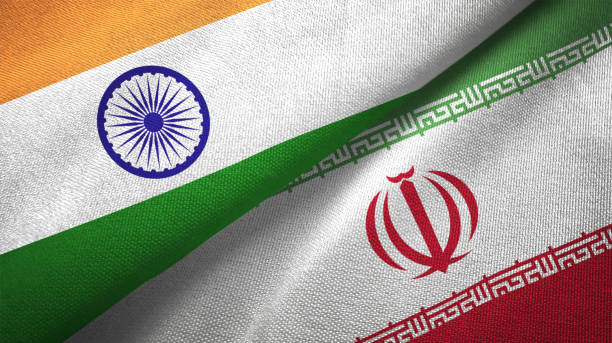

New Delhi, India – The Indian National Congress, the country’s main opposition party, has strongly condemned the joint US-Israel strikes that reportedly killed Iran’s Supreme Leader Ayatollah Ali Khamenei on Saturday.
In an official statement, Congress said it “unequivocally condemns the targeted assassination” of the Iranian leader, describing the military action as being carried out without a formal declaration of war. The statement reflects the opposition’s concern over escalating regional tensions and the broader implications for international law and diplomacy.
The Indian National Congress (INC) unequivocally condemns the targeted assassination of Iran’s Supreme Leader, Ali Hosseini Khamenei, in a military strike carried out without a formal declaration of war. The INC extends its deepest condolences to the Supreme Leader’s family, to… pic.twitter.com/CSQAbds3tS
— Mallikarjun Kharge (@kharge) March 1, 2026
Meanwhile, the Narendra Modi government has not issued a formal response to the killing of Iran’s Supreme Leader. On Saturday, New Delhi had only expressed general concern over the rising tensions in the Middle East, as missile strikes were reported between the United States, Israel, and Iran.

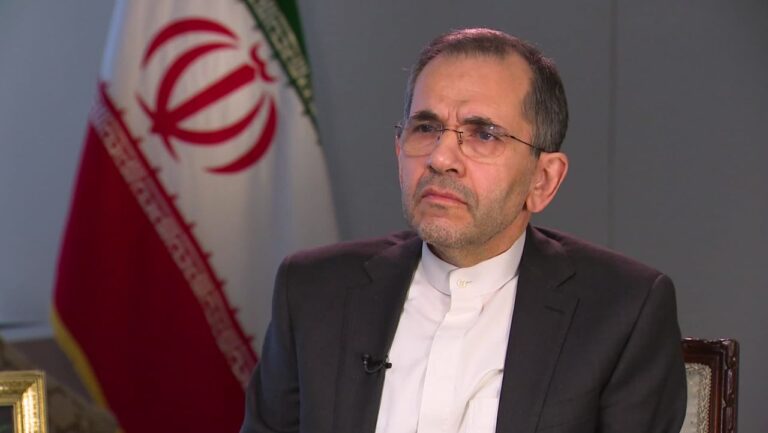

Observers note that India has historically maintained relatively warm relations with Iran, making the government’s silence notable amid calls from political opponents for a clearer position. The Congress party has urged the government to take a definitive stance on the issue, stressing the importance of condemning actions that destabilize the region and protecting diplomatic norms.
The situation underscores the growing divide in Indian politics over foreign policy approaches, particularly in sensitive Middle Eastern conflicts, and raises questions about India’s response to international military actions affecting global stability.