
MUZAFFARABAD / RAWALAKOT, 21 November 2026 — The advisory council of the Jammu Kashmir Joint Awami Action Committee (JKJAAC) says it has briefed international media on the latest situation in Azad Jammu and Kashmir (AJK), seeking wider attention to residents’ demands for greater self-governance, public accountability and a meaningful role in decisions affecting the region.
The council says the briefing highlighted the right of people in AJK to participate in decisions about their political future, local administration and resources. It also drew attention to the movement’s continuing sit-ins, restrictions on civic activity and allegations of human rights violations. The council has described the campaign as a peaceful public rights movement. Claims made by the committee and other parties require independent scrutiny.
In material shared about the media outreach, the advisory council said the briefing had resulted in detailed coverage in a French-language publication. The outlet was not named and a link to the report was not provided. The Azadi Times could not independently verify the identity or scale of that publication before publication; the claim is therefore attributed to the council.
International scrutiny of the AJK situation
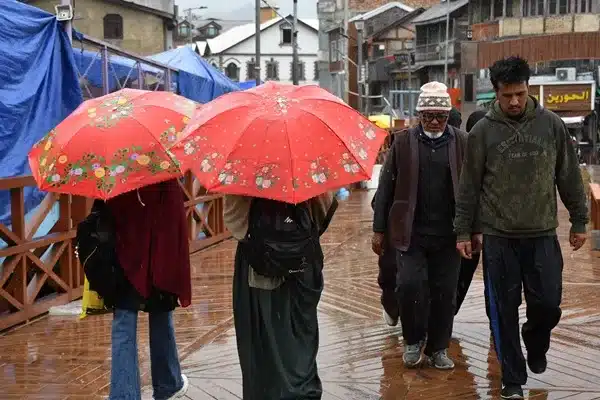
The media outreach comes amid renewed international attention to restrictions and violence reported during protests in Pakistan-administered Jammu and Kashmir. On 13 November, Amnesty International’s South Asia office wrote to the newly elected AJK prime minister, raising concerns about the ban on JAAC, detentions, the use of anti-terrorism legislation, restrictions on freedom of expression and assembly, and prolonged interruptions to mobile and internet services.
In its letter, Amnesty called for the ban on the committee to be lifted, people held arbitrarily to be released, individuals placed on the Fourth Schedule because of peaceful civic activity to be removed, and communications services to be restored. It also called for an independent, impartial and transparent investigation into deaths and injuries during the unrest, including the events reported in Rawalakot on 5 November.
Earlier, six United Nations human rights experts sent a communication to Pakistani authorities on 4 September, raising questions about the proscription of JAAC, the use of force against protesters and restrictions reportedly imposed on 205 people. The communication sought explanations from the authorities; it should not be read as a judicial finding on the allegations. The Azadi Times previously reported on the UN communication.

HRCP calls for dialogue and an impartial inquiry
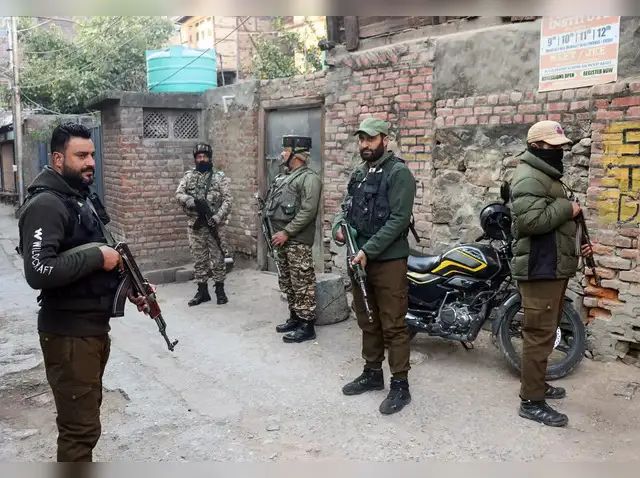
A fact-finding mission by the Human Rights Commission of Pakistan (HRCP), following consultations in AJK, said the unrest had been fuelled by institutional distrust, restrictions on expression and connectivity, and an increasingly confrontational state response. The commission noted that it received conflicting accounts about the scale of violence, the methods used by JAAC and the conduct of security personnel.
Despite those differences, HRCP said there was broad agreement among stakeholders — including supporters and critics of the committee — that the underlying dispute required a political rather than coercive solution. It called for an independent investigation into all alleged deaths and injuries, due process for detainees, a review of the use of anti-terrorism and preventive-detention provisions, and inclusive dialogue involving JAAC, political parties and civil society. Read HRCP’s findings and recommendations.
Rawalakot sit-ins and competing accounts of the 5 November operation
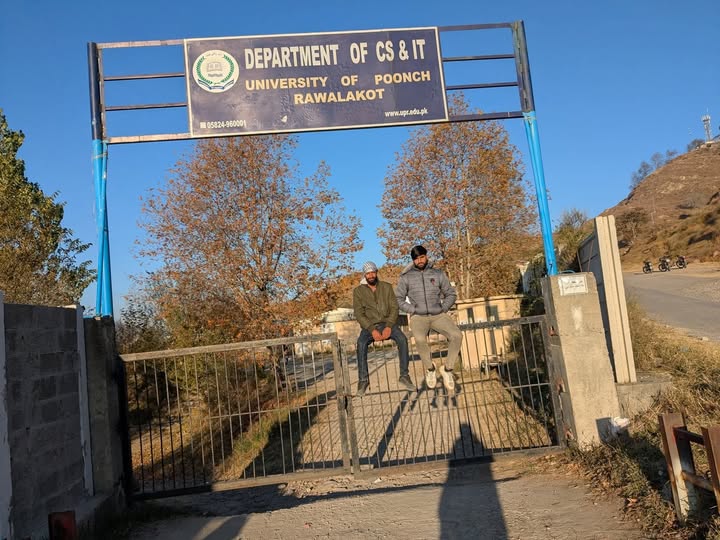
Rawalakot has remained a focal point of the latest confrontation. The committee and its supporters say sit-ins and public mobilisation have continued despite restrictions and security deployments. On 5 November, security personnel moved to clear the long-running protest site near the central bus terminal. The Azadi Times reported at the time that photographs, videos and eyewitness accounts circulating locally described gunfire and injuries; the circumstances and responsibility for the reported violence were disputed and required independent verification. Read the earlier Rawalakot report.

In a statement issued after the operation, JKJAAC said its linked human rights observatory had corroborated the deaths of three named people and received an initial list of 18 people reported injured. The statement said the causes, sequence of events and responsibility had not been independently determined. It also recorded that police had reportedly said armed individuals fired at law-enforcement personnel during the operation. Allegations about firearms, unmanned aircraft and damage to civilian property require a prompt and impartial investigation.
On 16 November, the committee issued a further declaration alleging that access to sit-in sites had been restricted since 29 October and that force had been used against civilians after 5 November. Those claims have not been independently established by The Azadi Times. The committee announced a region-wide protest for 19 November and called for a peaceful demonstration by women and children on 22 November, according to a report by Jammu Kashmir TV. The 14-point declaration and protest call also urged lawyers, journalists and trade unions to raise concerns over the situation.
Governance, representation and the way forward
JAAC’s campaign has developed from demands over the cost of electricity and flour into a wider debate about governance, political representation, public resources and accountability. The dispute has included questions surrounding the 12 seats in the AJK Legislative Assembly reserved for refugees from Indian-administered Jammu and Kashmir, as well as the implementation of commitments reached between the committee and governments in 2025.
The advisory council’s international media outreach appears intended to move these questions beyond local political debate and into diplomatic and human-rights forums. Its call for self-governance and a greater public role in decision-making is a political demand; the response from the authorities, the legal status of the committee and the factual record of alleged abuses remain central to any assessment of the crisis.
For residents, the immediate priorities identified by rights organisations include protection of civilians, access to medical care, due process for those detained, restoration of communications, independent investigation of deaths and injuries, and space for peaceful assembly and reporting. HRCP has argued that an inclusive political process is essential to prevent further polarisation.
The Azadi Times will continue to seek comment from the AJK government, police, JAAC representatives and affected residents, and will update this report as further independently verifiable information becomes available.
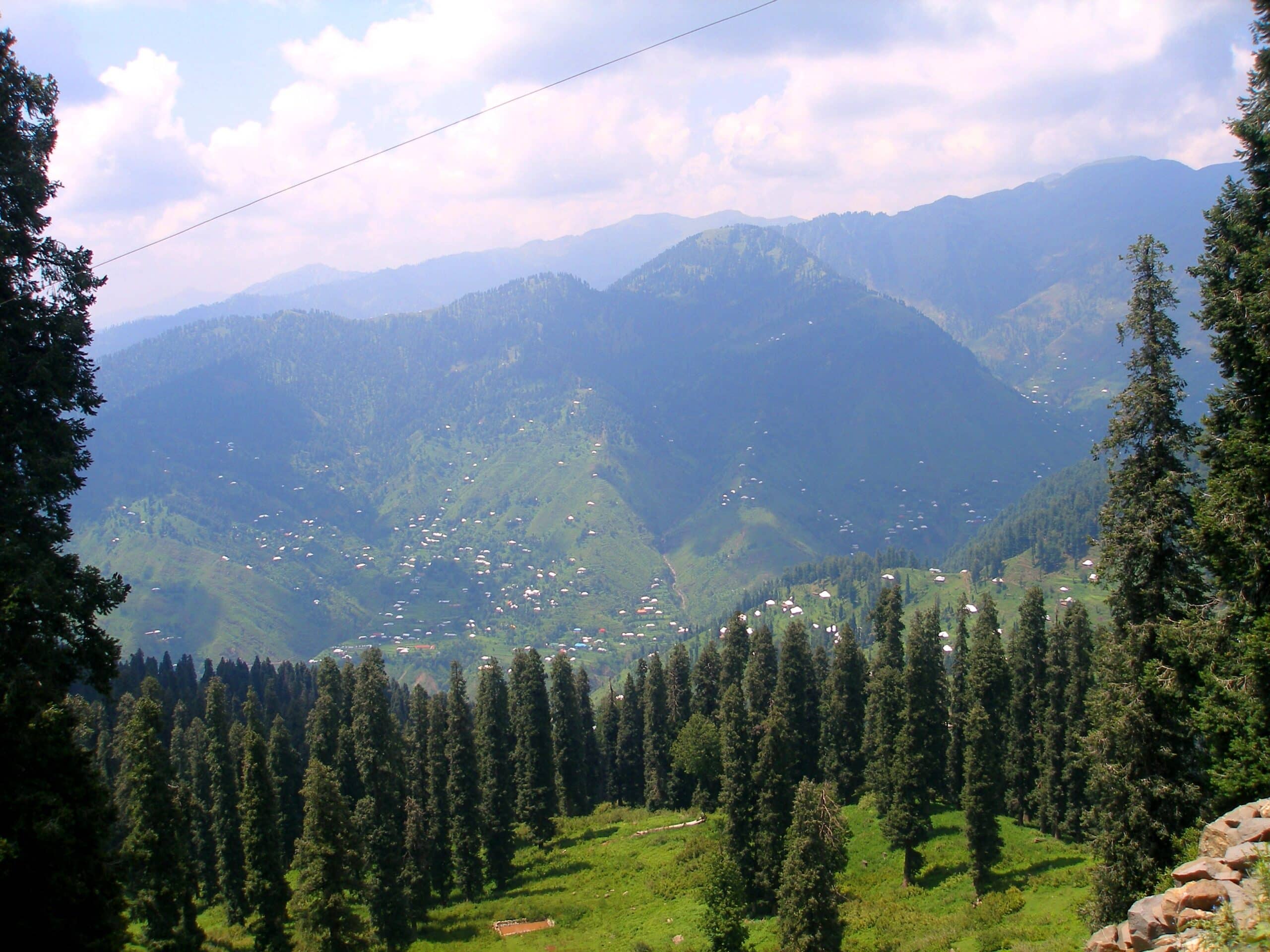
Image note: The featured image is an illustrative file photograph of Rawalakot Valley taken in 2012. It does not depict the current sit-in or recent events. Photo: Aamnamazhar / Wikimedia Commons, CC BY-SA 4.0.