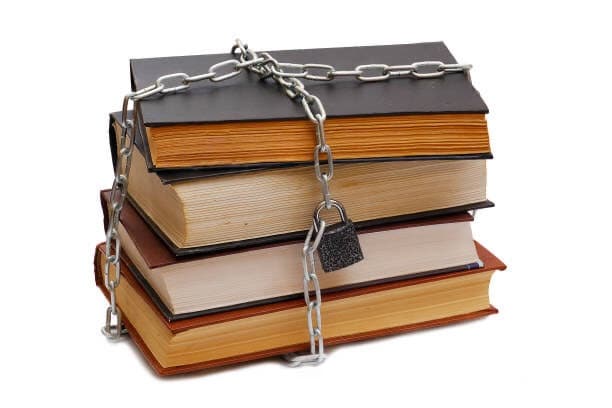
Srinagar, Indian-Administered Kashmir: In a move critics are calling an escalation of its crackdown on dissent, the Indian government led by Prime Minister Narendra Modi has confiscated 668 Islamic books from bookstores across Jammu Kashmir, reigniting debates over freedom of expression and minority rights in the restive region.
The Raids and Rationale
Officials from Jammu and Kashmir’s police force conducted raids on multiple bookshops this week, seizing publications linked to Maktaba Islami Publishers, a Delhi-based publishing house associated with Jamaat-e-Islami Hind (JIH), an Islamic organization banned by the Modi government in 2019. Authorities claimed the books were “unauthorized” and tied to a “banned outfit,” though JIH leaders insist the publications were legally printed and distributed.
“These books are educational and ideological, covering Islamic theology, history, and social issues. They were approved for sale nationwide, including in Kashmir,” said a JIH spokesperson. “This seizure is not about law—it’s about erasing our intellectual legacy.”

Condemnation from Civil and Religious Leaders
The action has drawn fierce backlash from Kashmiri leaders and civil society. Mirwaiz Umar Farooq, a prominent religious leader and chairperson of the Hurriyat Conference, condemned the raids as “absurd and undemocratic,” accusing the government of “strangling the right to think, read, and grow.”
“Targeting books is a direct assault on the conscience of a society. It exposes the hypocrisy of a regime that claims to champion democracy while criminalizing knowledge,” Mirwaiz stated.
Jamaat-e-Islami Hind, which has long denied allegations of extremism, argued the crackdown aligns with the BJP-led government’s broader agenda to marginalize Muslim voices. “First, they banned our organization. Now, they’re burning our books. This is fascism disguised as policy,” a senior JIH member told Kashmir Voice.

Legal and Ethical Concerns
Legal experts have questioned the seizures’ constitutionality, noting that India’s Supreme Court has historically upheld the freedom of speech as a fundamental right. “Unless the books explicitly incite violence, their ban violates constitutional principles,” said Aparna Gupta, a Delhi-based human rights lawyer. “This sets a dangerous precedent for censorship.”
The move follows a pattern of restrictive measures in Kashmir since the abrogation of Article 370 in 2019, which stripped the region of its semi-autonomous status. Over 1,000 political detainees, internet shutdowns, and stringent media controls have drawn international condemnation, with critics accusing New Delhi of “colonizing Kashmir’s mind and land.”
Global Reactions and Implications
Human rights organizations, including Amnesty International and the UN Special Rapporteur on Freedom of Expression, have raised alarms over India’s shrinking democratic space. “Suppressing literature under vague pretexts is textbook authoritarianism,” said a Geneva-based advocacy group.

The BJP has defended the seizures, claiming they prevent “radicalization.” However, Kashmiri scholars argue the policy reflects anti-Muslim bias. “They want to erase our identity—first our autonomy, now our books,” said academic Dr. Sameer Hussain. “This isn’t about security; it’s about silencing us.”
A Call to Action
As tensions simmer, civil society groups are urging global stakeholders to pressure India to uphold intellectual freedoms. “The world cannot stay silent while Kashmir’s libraries turn into graveyards of thought,” said activist Zainab Akhtar.
The confiscation of Islamic books marks a new front in Kashmir’s struggle for cultural and political survival. With dissent increasingly criminalized, the region’s Muslims face a stark choice: conform or resist. For now, the pages of history and those of the seized books hang in the balance.
About The Azadi Times
The Azadi Times is an independent news platform committed to amplifying voices from Kashmir and holding power to account.