Sunday, March 22, 2026
10.1 C
Srinagar
Home Blog Page 20

How to Hide Your Following List on Instagram Without Making Your Account Private

0

In an age where privacy on social media feels more like a luxury than a default setting, Instagram users are increasingly searching for ways to protect their personal interactions. One of the most common questions circulating online is: “How can I hide my following list on Instagram without switching to a private account?”

While Instagram’s privacy controls are limited, there are several smart methods that can help reduce who sees your following list — without locking your entire profile.

Why People Want to Hide Their Following List

Your following list says more about you than you might realize. From professional contacts to personal connections, the list can reveal interests, social circles, or affiliations — something not everyone wants visible.

For influencers, journalists, and business owners, this visibility can also invite unwanted scrutiny, spam, or even imitation accounts. As digital privacy becomes a growing concern, users want more control over what others can access publicly.

Instagram currently does not offer a direct setting to hide your following or followers list. Whether your account is public or private, people who can access your profile can still view who you follow — unless specific restrictions are applied manually.

However, there are alternative ways to limit visibility indirectly, which can help protect your privacy without making your account private.

1. Restrict or Block Certain Users

If your goal is to hide your following list from specific people — rather than everyone — the Restrict feature is the most practical solution.

  • Go to the profile of the person you want to restrict.

  • Tap the three dots on the top right corner.

  • Select “Restrict.”

Restricted users won’t be able to see when you’re online, won’t know if you’ve read their messages, and their comments will be visible only to them (unless you approve). Most importantly, they can still technically see your profile, but their interaction level becomes significantly limited — making your following activity less visible.

If you want to go further, blocking the person completely removes access to your followers and following list. While drastic, it’s the only absolute way to hide your following list from specific accounts.

2. Remove Followers Without Making Your Account Private

Instagram allows you to remove unwanted followers — even from a public account. This means you can manually clean up who has access to your social graph.

To do this:

  • Go to your Followers list.

  • Tap “Remove” next to any profile you don’t want to share information with.

They will not be notified that you removed them, but they will no longer see your following or activity updates unless they visit your profile directly.

3. Limit Story and Activity Visibility

Another way to control visibility is through Stories and Activity Status.
Disabling your “Activity Status” hides when you’re online and active, reducing real-time visibility.

To disable:

  • Go to Settings → Privacy → Activity Status.

  • Turn off “Show Activity Status.”

This does not hide your following list directly, but it adds an extra layer of privacy to your account’s overall visibility.

4. Use the “Close Friends” Feature Strategically

For creators and public figures, using the Close Friends list for Stories allows you to maintain a public profile while sharing private content only with trusted followers.

By strategically using “Close Friends,” you can still engage with your circle without exposing your network to the general public — a subtle yet effective privacy tactic.

5. Control Who Can Comment or Tag You

Limiting who can tag or mention you in posts can reduce visibility of your interactions and prevent strangers from discovering your following list through mutual tags.

Navigate to:
Settings → Privacy → Mentions/Tags, and select “People You Follow” or “No One.”

This further controls how your profile circulates across the platform.

6. Consider Creating a Professional or Secondary Account

If you use Instagram for both personal and professional reasons, consider maintaining two accounts.
A professional account (for business or public visibility) can remain open, while your personal account — even if not fully private — can have limited visibility and restricted connections.

This strategy keeps your professional life discoverable while protecting personal connections and following choices.

Expert Opinion: Privacy as a Digital Necessity

Social media analysts believe Instagram’s lack of granular privacy tools leaves users vulnerable to unintentional exposure.

“Instagram is designed around connection and discovery — not privacy,” says Rafiq Ahmed, a digital privacy researcher. “Until the platform introduces layered privacy settings, users will have to rely on indirect tactics like restrictions, selective blocking, and activity control to protect themselves.”

Final Thoughts

While there’s currently no direct way to hide your following list on Instagram without making your account private, combining the above techniques can significantly strengthen your privacy.

By controlling who can interact with your profile, who follows you, and how your activity is displayed, you can maintain your public presence while safeguarding your personal network.


How to Spot AI-Generated Fake Videos Flooding Social Media: An Expert Guide

0

In today’s fast-moving digital world, the line between reality and illusion is blurring faster than ever. Artificial intelligence (AI) has revolutionized how we create and consume media — but it has also unleashed a flood of synthetic content that challenges the very concept of truth. Across TikTok, Instagram, Facebook, and X, AI-generated videos are spreading at an unprecedented rate, tricking millions of viewers into believing events that never happened.

This growing wave of AI fakery raises a critical question for users everywhere: How can we tell what’s real from what’s artificially created?

The Rise of AI-Generated Deception

Over the past few months, a series of high-profile AI videos have gone viral, fooling even the most media-savvy audiences.
A cheerful clip of rabbits jumping on a trampoline racked up more than 240 million comments on TikTok before users realized it was fake. Millions of people liked a touching video showing two strangers falling in love on a New York subway — only to learn later that the entire scene was AI-generated. Even journalists and experts have been deceived by such content. One viral video showed an American pastor speaking passionately about wealth inequality, saying, “Billionaires are the only minority we should fear.” The video seemed genuine — but it was another AI creation.

These examples highlight a larger truth: AI tools are becoming powerful enough to imitate human reality with disturbing accuracy.

Why People Fall for Fake Videos

In the early days of deepfakes, spotting fake visuals was relatively easy. Viewers could detect inconsistencies like extra fingers, distorted faces, or robotic movements. But now, tools from major companies like Google’s Veo and OpenAI’s Sora produce videos so realistic that even trained eyes struggle to distinguish them from authentic footage.

Professor Hany Farid of the University of California, Berkeley, explains:

“The telltale signs of AI manipulation are no longer obvious. Instead of bizarre mistakes, we now see subtle inconsistencies — unnatural lighting, overly smooth skin, or strange background patterns — that require a critical eye to notice.”

In other words, the technology has outpaced human perception. And that makes awareness and education our first line of defense.

The Deceptive Power of Low Quality

Ironically, poor-quality videos are often the easiest to believe. Blurry, pixelated, or grainy clips trigger nostalgia and realism — making them appear authentic. But experts say that’s exactly why AI creators use them.

“Low resolution is the first thing we look for,” says Professor Farid. “AI creators deliberately compress or distort their videos to hide flaws that would otherwise expose them.”

Dr. Matthew Stamm, head of the Multimedia and Information Security Lab at Drexel University, agrees. He notes that while poor quality doesn’t always mean fake, it’s a warning sign.
“Low-quality clips deserve closer examination,” he says. “AI-generated videos often appear short — around six to ten seconds — because longer, detailed videos are expensive and harder to generate.”

The Subtle Signs of AI Manipulation

Even though the visual clues are fading, there are still patterns to look for. Experts recommend paying attention to these three factors:

  1. Resolution: AI-generated clips often have inconsistent pixelation or unnatural lighting.
  2. Quality: Compression artifacts — small blocks or blurs around objects — are common tactics used to disguise visual inconsistencies.
  3. Duration: Most AI clips are short, looping snippets designed for social platforms like TikTok or Instagram Reels.

As AI technology improves, these signs will become less visible. But for now, they remain useful cues for identifying fake content.

How AI Tools Are Evolving Faster Than Detection

The AI race between tech giants has turned into a billion-dollar competition. Companies like Google, OpenAI, Meta, and Runway are pouring enormous resources into making AI-generated videos more realistic than ever before.

Dr. Stamm warns that this progress comes with a hidden cost:

“The indicators we rely on to detect fakes today will likely disappear within two years. AI images already show almost no visible signs of manipulation. Soon, the same will be true for video.”

This evolution threatens to create a world where even visual evidence — once the gold standard of truth — can no longer be trusted.

New Frontiers in Verification

Thankfully, researchers are developing digital forensics tools to counter this challenge. When a video is recorded or edited, it leaves behind invisible data — what scientists call digital fingerprints. These can help identify whether a video was created naturally or synthetically.

“Every manipulation leaves a trace,” says Dr. Stamm. “Like fingerprints at a crime scene, these traces can be detected through advanced forensic analysis.”

Meanwhile, technology companies are experimenting with content authenticity frameworks, embedding metadata into photos and videos to verify their origins. Future AI tools might be required to tag their creations automatically, helping viewers know whether what they’re seeing is real or synthetic.

A New Way of Thinking About Online Reality

Digital expert Mike Caulfield believes the real solution is psychological, not technical. He argues that audiences must change how they approach information online.

“In the coming years, video will become like text — what matters most is not how real it looks, but where it comes from and who shared it.”

Caulfield emphasizes that credibility will depend more on the source and context than the content itself. Authenticity will be established through verification, cross-referencing, and trusted platforms, not gut feeling or visual intuition.

The Future of Truth in the Age of AI

Experts like Farid and Stamm agree that this crisis represents one of the greatest information security challenges of the 21st century. But they also remain cautiously optimistic.
“It’s a young problem,” Stamm says. “Not many people are working on it yet, but that’s changing fast. We need a combination of policy, education, and smarter technology to protect truth in the digital age.”

The fight against AI misinformation is not just about technology — it’s about human judgment, ethics, and awareness.
As AI continues to blur the boundaries between real and fake, one question grows ever more urgent:

In a world where pixels can lie, can we still believe what we see?

Key Takeaways: How to Spot AI-Generated Fake Videos

  • Be skeptical of low-quality or blurry footage. AI creators often use compression to hide flaws.
  • Watch for unnatural movements or lighting. Look closely at eyes, hands, and backgrounds.
  • Check the duration. Short clips (under 15 seconds) are more likely to be AI-generated.
  • Verify the source. Trusted, verified accounts or media outlets are less likely to post deepfakes.
  • Use AI-detection tools. New forensic tools and browser extensions can help flag synthetic media.
  • Think critically. Before sharing, ask: Who posted this? Why? Can I confirm it elsewhere?

Zohran Mamdani: The Progressive Muslim Shaking Up New York’s Mayoral Race

0

When Zohran Mamdani walked through the streets of Manhattan’s affluent Upper East Side to meet voters, the crowd that gathered around him was so large he could barely move a few steps without stopping.

Two young women greeted him with smiles, saying they follow him on Instagram. Mamdani thanked them warmly before posing for a selfie with a young supporter. Meanwhile, reporters swarmed around him, snapping photos as he shook hands with a taxi driver who declared, “We’re with you!”

The 34-year-old lawmaker, community organizer, and son of Ugandan-Indian immigrants has quickly emerged as one of the most watched political figures in America’s largest city. Polls suggest that Mamdani, a self-described “democratic socialist”, could soon become not only New York City’s youngest mayor in a century, but also its first Muslim and South Asian mayor.

Trump Enters the Race — by Backing Mamdani’s Rival

Former U.S. President Donald Trump has publicly endorsed Mamdani’s opponent, former New York Governor Andrew Cuomo, who is running as an independent. In a post on Truth Social, Trump urged left-leaning voters “not to vote for Mamdani,” describing Cuomo as “talented” and Mamdani as “not.”

“Whether you like Andrew Cuomo or not,” Trump wrote, “you have no choice. You must give him a chance and hope he does well.”

Cuomo responded by saying, “Trump is not supporting me — he’s opposing Mamdani.”

A few days earlier, Trump had warned that if Mamdani wins, federal funds for New York could be slashed. “It’s very unlikely I’d send federal money to New York if a communist runs it,” he said in an interview, calling Mamdani a “communist.”

Despite the attacks, Mamdani continues to lead in the polls.

From Hip-Hop Artist to Political Disruptor

Only a few years ago, Zohran Mamdani was little known outside progressive activist circles. His journey from hip-hop artist and housing counselor to New York State Assembly member — and now a front-running mayoral candidate — has captured the imagination of voters seeking change.

His campaign appeals to residents weary of rising costs and political stagnation. Through viral videos, podcasts, and social media, Mamdani has mobilized young voters and working-class communities disillusioned with both major parties.

Yet the question remains: Can he deliver on his ambitious promises — and withstand fierce opposition from Trump-era conservatives and centrist Democrats alike?

“Bread, Shelter, and Justice” — Mamdani’s Campaign Message

Housing affordability and social equity are at the heart of Mamdani’s agenda. He has pledged to cap rent increases in subsidized housing, make public buses free, and provide universal childcare.

“Our democracy cannot survive on speeches alone,” he told BBC reporters during a campaign ride on Manhattan’s M57 bus. “It must meet people’s basic needs — housing, food, and dignity.”

His economic plan relies on imposing new taxes on large corporations and millionaires, which he claims could raise over $9 billion to fund his programs. Critics, however, including analysts at the Cato Institute, argue that his calculations are unrealistic and that he would still need cooperation from state lawmakers and Governor Kathy Hochul.

Wall Street’s Uneasy Truce

Mamdani’s Democratic primary win over the summer rattled Wall Street. Some corporate leaders threatened to relocate, calling his ideas “anti-business.” But as the general election nears, the tone has shifted from fear to cautious engagement.

JPMorgan Chase CEO Jamie Dimon recently offered to “help” if Mamdani wins, while real estate developer Jeffrey Gural, after meeting with the candidate, acknowledged his sincerity but warned that rent freezes and higher taxes might drive wealthy New Yorkers out of the city.

In October, Mamdani attended a private meeting with 40 top business executives — half of them Jewish — at the Brooklyn townhouse of jewelry designer Alexis Bittar. “People were impressed,” Bittar later said. “He listens carefully, answers questions thoughtfully, and works hard to connect.”

A Shift on Policing and Crime

Mamdani has also shown a pragmatic side. After calling for cuts to the NYPD’s budget in 2020 following the murder of George Floyd, he later apologized, saying his views had evolved.

To reassure moderate voters, he has vowed to keep Police Commissioner Jessica Tisch in her post and maintain current staffing levels. However, he plans to launch a new “Community Safety Department” that would dispatch mental health professionals instead of armed officers for non-violent crises.

Howard Wolfson, a veteran Democratic strategist and former aide to Michael Bloomberg, said the key issue remains crime. “Public safety will determine whether he succeeds or fails,” Wolfson told BBC.

Gaza, Identity, and the Politics of Division

One position Mamdani has refused to soften is his outspoken criticism of Israel’s policies and his advocacy for Palestinian rights. That stance — rare among major American politicians — has polarized New York’s electorate, home to one of the world’s largest Jewish populations outside Israel.

During the primary, he sparked controversy by refusing to condemn the slogan “Globalize the Intifada.” After dialogue with Jewish constituents, he later urged activists not to use the phrase, saying he understood their discomfort.

A letter signed by more than 1,100 Jewish rabbis condemned what they called the “normalization of anti-Zionism” in politics. Still, New York City Comptroller Brad Lander, a close ally, insists that Mamdani’s campaign transcends religion: “He’s a candidate for everyone’s safety and dignity — not just for one community.”

Muslim activists like Samia Chaudhry and Farhana Islam, who are helping lead his campaign, agree. “His identity matters,” Farhana said, “but it’s his policies that have earned people’s trust.”

Facing Hate — and Turning It Into Resolve

Mamdani’s historic candidacy has also made him a target of Islamophobia. After receiving death threats from a man in Texas — now facing terrorism charges — Mamdani has been placed under police protection.

When Cuomo recently smiled on air as a radio host joked that Mamdani might “celebrate another 9/11,” the candidate responded with a deeply personal speech.

“I once thought if I ignored racism and focused only on my message, people would see beyond my religion,” Mamdani said. “I was wrong. No matter how hard you try, hate finds its way. But we must stand against it — not with anger, but with courage.”

A Divided Party, A Defining Moment

While Mamdani’s rise energizes progressives, it unsettles establishment Democrats. Party leaders like Senator Chuck Schumer and Representative Hakeem Jeffries withheld their endorsements until the final hours before early voting began.

Moderate Democrats worry that his left-wing platform could deepen divisions within the party and provide ammunition for Republicans. “His ideas are too extreme for most Americans,” warned Congressman Josh Gottheimer, “and could make Democrats look socialist — exactly what Republicans want.”

Yet on Manhattan’s Upper East Side, Mamdani seems undeterred. “Opposition is inevitable,” he told supporters. “But behind me stands a people’s movement — and that’s stronger than fear.”

The Stakes for America

Whether Mamdani wins or loses, his campaign has already reshaped New York’s political conversation — placing social justice, housing, and representation at the center of a city long dominated by wealth and establishment power.

If elected, he would lead a metropolis with a $116 billion budget — larger than most national economies — and face the formidable challenge of governing amid polarization, economic pressure, and cultural division.

But for now, as crowds continue to chant his name on the streets of Manhattan, one thing is clear: Zohran Mamdani’s movement is larger than a single election — it’s a test of what kind of democracy New York, and America, wants to be.

A Dual Show of Force: India and Pakistan Launch Simultaneous Military Drills in Sensitive Border Regions

0

MUZAFFARABAD — In a significant escalation of military posturing, nuclear-armed rivals India and Pakistan have initiated major, simultaneous military exercises in close proximity, turning the restive border regions from the deserts of Rajasthan to the waters of the Arabian Sea into a high-stakes strategic theatre.

India has launched one of its largest-ever joint tri-service exercises, codenamed “Trishul” (Trident), mobilizing its Army, Navy, and Air Force in a massive display of integrated combat power along its western frontier with Pakistan. The drills, which commenced last week and are scheduled to run until November 13, span a vast area from the arid Rann of Kutch to the contentious Sir Creek coastal belt.

Almost in tandem, the Pakistan Navy began its own major naval exercise in the northern Arabian Sea, set to conclude on November 5. The Pakistani drills are a centerpiece of the ongoing Pakistan International Maritime Expo and Conference (PIMEC) in Karachi, which has drawn participation from 133 foreign delegations representing 44 countries, lending the event a significant international dimension.

Overlapping Zones and a Professional Standoff

The timing and location of the exercises have raised eyebrows among global defence observers. Open-source intelligence analyst Daniel Simon noted on the social media platform X that the maritime warning zone declared by Pakistan for its live-fire drills partially overlaps with airspace reservations India announced for Trishul.

“This is a highly unusual concurrence,” Simon stated. “While the proximity is undeniable, both militaries are known for their professionalism in such scenarios. The onus is on maintaining clear communication to prevent any miscalculation that could spiral into an incident.”

The Ghost of Sir Creek Looms Large

The parallel drills have cast a renewed spotlight on the 96-kilometre-long Sir Creek, a winding tidal estuary that separates India’s Gujarat from Pakistan’s Sindh province. The unresolved demarcation of this marshy border has long poisoned relations and complicated the determination of maritime boundaries and exclusive economic zones.

The rhetoric from both sides has been typically fiery. Last month, Indian Defence Minister Rajnath Singh issued a stern warning, vowing a “befitting response” to any “mischief” from Pakistan. Around the same time, Pakistan’s Naval Chief, Admiral Naveed Ashraf, toured forward posts in the creeks area, overseeing the induction of three new 2400 TD hovercraft into the Pakistan Marines to bolster shallow-water operational capability.

“From Sir Creek to Jiwani, the Navy stands ready to defend every inch of Pakistan’s maritime borders,” Admiral Ashraf declared during his visit.

Scale and Strategic Intent

Indian media reports suggest an immense deployment for Trishul, including over 20,000 personnel, 20–25 warships, 40 fighter jets, submarines, and advanced land assets. The exercise is being jointly coordinated by the Southern Army Command, Western Naval Command, and South-Western Air Command, with a sharp focus on real-time communication and multi-domain warfare integration.

Defence analyst Rahul Bedi confirmed to the BBC that the drills extend into the sensitive Rann of Kutch, underscoring India’s emphasis on inter-service coordination in a challenging environment. However, some analysts urge perspective. Praveen Sahni, editor of the defence journal FORCE, believes Trishul is essentially a routine annual drill being amplified by the Modi government for strategic messaging.

“Pakistan’s exercises appear more precautionary than provocative,” Sahni commented. “They are a natural response to the scale of the Indian manoeuvres.”

A Crowded and Dangerous Theatre

Sahni also highlighted the broader, dangerous context of the northern Arabian Sea. “We must remember this is no longer a purely India-Pakistan arena. Iran, Pakistan, and China are already powerful actors here, and reports suggest Russia is expanding its naval presence near Madagascar. The sea is getting crowded. Any single miscalculation here could trigger a conflict with regional, if not global, consequences.”

The Human Cost: A Kashmiri Plea for Restraint

As the two militaries flex their sophisticated hardware, the people of Kashmir, the region at the heart of the decades-long conflict, watch with a sense of dread and déjà vu.

A resident of Srinagar, who spoke to The Azadi Times on condition of anonymity for security reasons, voiced a sentiment felt by many on both sides of the Line of Control: “These displays of power might boost nationalist sentiments in Delhi and Islamabad, but if a war breaks out, it is we Kashmiris who will pay the ultimate price on both sides. Soldiers fight, but the heaviest burden is always borne by the civilians—the families who have lived trapped between two militarized borders for generations.”

For them, the synchronized roar of fighter jets and the live-fire in the sea serve as a grim reminder that peace in South Asia remains terrifyingly fragile, and that the people of Kashmir continue to bear the heaviest burden of a confrontation they never chose.

Source: Adapted from reporting by BBC Urdu and defence correspondents; edited and localized for The Azadi Times.

After Months of Tension, Sikh Pilgrims Enter Pakistan Through Wagah Border for Guru Nanak’s Birth Anniversary

0

For the first time since the recent military clashes between Pakistan and India earlier this year, dozens of Sikh pilgrims have crossed into Pakistan through the Wagah-Attari border to participate in the 556th birth anniversary celebrations of Guru Nanak, the founder of Sikhism.

According to a report by the French news agency AFP, its correspondents witnessed Sikh pilgrims entering Pakistan through the border crossing that had remained closed since May, following the short but intense confrontation between the two nuclear-armed neighbors.

Pakistani officials welcomed the pilgrims with garlands and flower petals as they arrived to take part in the annual festivities held in Nankana Sahib — the birthplace of Guru Nanak and one of the holiest sites in Sikhism.

Relations between the two South Asian rivals deteriorated sharply in April after an attack on tourists in Pahalgam, in Indian-administered Kashmir. India accused Pakistan of supporting the attackers — a claim Islamabad denied. Tensions escalated further when India announced the suspension of the Indus Waters Treaty and carried out strikes inside Pakistan on May 7. Pakistan retaliated the next day with cross-border attacks targeting several locations in India.

The conflict prompted international concern, with U.S. President Donald Trump announcing shortly afterward that both sides had agreed to cease hostilities following diplomatic engagement.

Despite the ceasefire, relations between Islamabad and New Delhi remain strained, reflected even in the suspension of bilateral sporting events and cultural exchanges.

The annual birth anniversary celebrations at Nankana Sahib continue to draw Sikh devotees from around the world. Pakistani authorities expect thousands of pilgrims this year, including those from India, the United Kingdom, and Canada.

UN Chief Warns Sudan’s War “Spiraling Out of Control” as Paramilitary Forces Capture Key City, Atrocities Mount

0

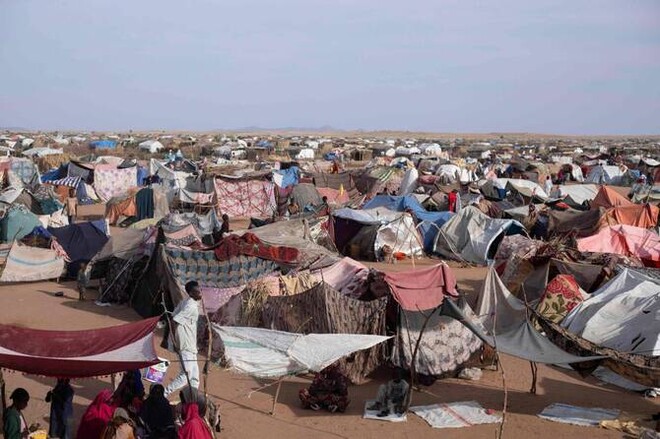
Doha, Qatar – United Nations Secretary-General António Guterres has issued a stark warning that Sudan’s year-long civil war is “spiraling out of control,” following the paramilitary Rapid Support Forces (RSF) seizing full control of the strategic city of El Fasher. The fall of this last major army stronghold in the Darfur region marks a critical turning point in the conflict, unleashing what aid agencies describe as a wave of atrocities and a deepening humanitarian catastrophe.

A City Falls, Atrocities Mount

After an intense 18-month siege, the RSF claimed control of El Fasher in late October 2025, leading to the withdrawal of the Sudanese Armed Forces (SAF). The victory has been marred by what the UN chief calls “credible reports of widespread violations of international humanitarian and human rights law.”

Speaking at a UN conference in Qatar, a deeply alarmed Guterres detailed horrific scenes emerging from the city, including mass executions, ethnic killings, and attacks on hospitals. Eyewitness accounts and satellite imagery corroborate reports of entire neighborhoods being razed and civilians being dragged from their homes and executed.

“Hundreds of thousands of civilians are trapped under siege — dying from hunger, disease, and violence,” Guterres stated, describing the situation as “one of the world’s worst humanitarian nightmares.” While the RSF denies the allegations, aid organizations and local medical staff report that over 450 civilians were killed in just a few days, with many slaughtered inside medical facilities.

A Nation in Collapse

The war, which erupted in April 2023 between the national army (SAF) and the RSF, has pushed Sudan to the brink of total collapse. The UN confirms over 14 million people have been displaced. While the confirmed death toll stands at 40,000, humanitarian agencies believe the actual figure is far higher.

The International Committee of the Red Cross has warned that history is repeating itself in Darfur, evoking the ethnic violence that scarred the region in the early 2000s. “We are witnessing the same patterns of violence that marked Darfur’s darkest days,” a Red Cross spokesperson said. “Civilians are being targeted because of who they are.”

Famine and Disease Grip the Nation

The humanitarian crisis is escalating into a full-blown famine. With supply routes severed and communications cut, at least two regions of Sudan are now officially in famine. Children are dying from malnutrition in increasing numbers, while overcrowded displacement camps have become breeding grounds for infectious diseases like cholera and malaria.

Calls for Accountability and Action

UN officials assert that the RSF’s actions could constitute war crimes and crimes against humanity. The International Criminal Court (ICC) has opened preliminary investigations, and human rights groups are demanding sanctions and an arms embargo.

Secretary-General Guterres emphasized that the immediate priority is to halt the flow of weapons and unite the international community. “What is urgently needed,” he declared, “is collective pressure from all who have leverage in Sudan — to silence the guns and restore hope.”

Regional Stability at Risk

The fall of El Fasher is not just a military shift; it is a strategic earthquake. The city is a crucial hub connecting Sudan to Chad, Libya, and South Sudan. Analysts warn that whoever controls El Fasher dominates western Sudan, and the RSF’s gains raise the alarming prospect of the conflict destabilizing the entire volatile Sahel region.

The African Union and Arab League face mounting criticism for their failed mediation efforts, while Western powers, distracted by other global crises, have been accused of a slow and inadequate response. As the world’s attention wavers, Sudan descends further into a man-made hell, with its people paying the ultimate price.

6-Month Delay, Mass Failures, and Allegations: Inside the Mirpur Board’s E-Marking Controversy

0

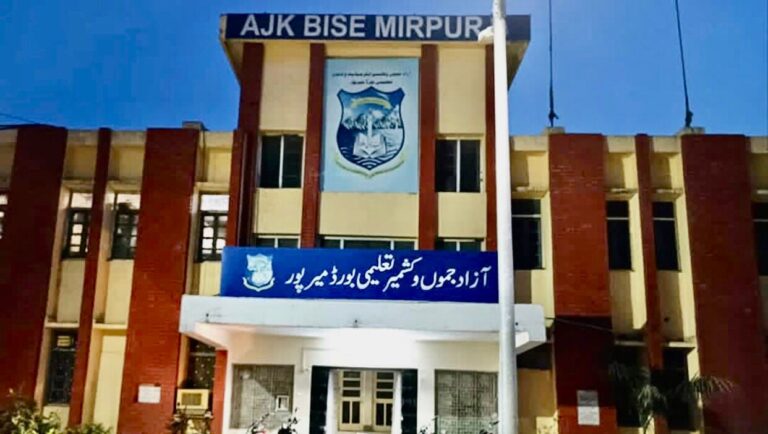
After nearly six months of delay, the results of the Intermediate First Year examinations in Pakistan-administered Jammu and Kashmir were finally announced on October 30, 2025. The announcement immediately triggered widespread outrage among students, who began voicing serious complaints. For the past two days, students have been staging continuous protests, demanding rechecking of their examination papers.

Both students and educationists have claimed that the exam papers were marked on an average-marking basis rather than according to actual performance. Students who had consistently scored above 90% in previous years were allegedly given unexpectedly low marks — and in some cases, even declared failed. Meanwhile, there were also reports that some students were marked passed in subjects whose exams they had not even attended.

Hundreds of Physics students reportedly received exactly 45 marks, while several Urdu students also received identical scores. In some cases, students who performed excellently in all other subjects were failed in Urdu or Islamic Studies. According to the protesting students, the marking and final results did not reflect their actual exam performance.

A principal of a private educational institution further alleged that only a few days before the results were announced, officials had informed him that the paper marking process was still incomplete. He claimed that, in haste, the Board simply filled in average marks to generate a “fake result” rather than completing the marking properly.

On the other hand, the Mirpur Board of Intermediate and Secondary Education (BISE) has issued two separate press releases addressing the controversy.

In the first press release, the Board dismissed the allegations circulating on social media as baseless and contrary to facts, claiming that they were an attempt to damage the institution’s reputation. The same statement confirmed that five subjects — Physics, Chemistry, Biology, English, and Computer Science — were checked through a new e-marking system. It further stated that a committee comprising subject specialists was being formed to assess the quality of the e-marking process and present a report within a week.

In another press release, the Board announced that applications for paper rechecking had been opened. Students were instructed to apply online for rechecking before November 18, paying a fee of 1,500 rupees per paper. This means that a student wishing to have seven papers rechecked would need to pay 10,500 rupees, effectively generating new revenue for the Board — ironically, to correct its own mistakes.

Normally, the purpose of examination fees is to ensure that the Board conducts the entire exam process — from paper preparation to evaluation — with transparency and accuracy. However, when the Board itself becomes the source of massive irregularities and delays, the financial and emotional burden falls unfairly upon students.

The protesting students have made several key demands:

  • The establishment of paper checking centers in every district to ensure timely and accurate marking.
  • Waiver of rechecking fees for all students seeking to verify their results.
  • Re-marking instead of mere re-counting — meaning papers should be re-evaluated, not just have their marks added again.
  • Rechecking should be conducted by different teachers from those who originally marked the papers.
  • The re-examination fees for students forced to retake exams due to Board errors should be waived.

It should be noted that this was the first year the Mirpur Board experimented with computerized marking of five subjects. However, rather than saving time, the e-marking project caused further delays. Even the tenders for the e-marking software — which were once available on the Board’s website — have since been removed, raising concerns about transparency and the type of software procured.

Reportedly, the Mirpur Board launched the e-marking system in collaboration with the Punjab Information Technology Board (PITB). Yet, it took six months to check the papers of only 43,000 students, a task that previously took just two to two-and-a-half months using the manual system.

The main purpose of e-marking is to save time and minimize human error, but in this case, it achieved neither.

Once considered a model institution, the Mirpur Board of Education has seen its reputation decline sharply in recent years. There was a time when passing matriculation or intermediate exams from the Mirpur Board was seen as a mark of distinction — second only to Pakistan’s Federal Board. Today, however, the Board is repeatedly accused of irregularities in awarding top positions, negligence during paper marking, and general mismanagement. Financially, the Board continues to generate significant revenue, but its credibility in conducting fair and transparent examinations has eroded severely.

One contributing factor could be the Education Department’s flawed decision-making and inadequate curriculum reform. Additionally, the increasing population has placed extra pressure on the Board’s limited capacity.

Other systemic issues include:

  • Appointment of Board chairpersons and members on political grounds.
  • Political interference and incompetent recruitment practices.
  • Outsourcing paper marking to teachers without verifying their qualifications or subject expertise — many of whom delegate the marking to their relatives or friends.

As a result, students who barely write anything on their exam papers end up passing, while hardworking and deserving students either get average marks or are failed unfairly.

More than 15 years ago, it was decided that two additional education boards should be established to distribute the growing workload. However, the plan was never implemented due to regional favoritism and political manipulation, which pitted communities against one another.

Recently, following legal pressures, the government signed an agreement with the Action Committee to establish two new education boards. Yet, some circles in Mirpur reacted negatively, portraying the decision as an attack on regional pride rather than a step toward academic reform and transparency. They framed it as if the creation of new boards would somehow insult Mirpur’s identity or diminish its importance.

What is truly needed, however, is swift action to create two additional education boards, designed on modern, globally recognized educational standards. These boards must adopt artificial intelligence–based systems for evaluation, combining digital marking with human analysis to enhance both efficiency and accuracy.

Moreover, Pakistan-administered Kashmir’s examination system should move away from the rote-learning model toward one based on analysis, reasoning, and application. A roadmap must be developed to gradually replace the current annual high-stakes exams with a continuous learning assessment model that measures students’ intellectual growth, creativity, and comprehension.

Examinations should no longer be treated as a punitive exercise but rather as a dialogue of learning — an opportunity to measure understanding and nurture critical thinking. Only then can the education system truly serve the purpose of building capable, independent, and intellectually mature students.

 Beyond the political headlines, a daily struggle for water, pasture, and peace

0

NEELUM VALLEY – Before the sun touches the snow peaks, a slow procession begins. Children, their breath misting in the chill, lead goats up narrow trails. Women, with plastic jerricans balanced on their heads, descend towards the sound of a mountain stream. This is not a scene from a bygone era; this is morning in the border villages of Kashmir, where the rhythms of survival are dictated by terrain, tradition, and a tense, unseen line.

Across the formidable ridges that divide the Himalayan and Karakoram ranges, millions live in the shadow of one of the world’s most heavily militarized borders. While geopolitical tensions over Kashmir dominate international headlines, the daily reality for those in Indian-administered Jammu & Kashmir and Ladakh, and in Pakistan-administered Azad Jammu & Kashmir (AJK) and Gilgit-Baltistan, is a more elemental one: a relentless pursuit of water, fodder, and safety.

This is a story of resilience, told not in political slogans, but in the calloused hands of a shepherd, the weary eyes of a mother scanning the sky, and the communal bonds that are the true infrastructure of survival.

The Geography of a Divided Life

The region is a cartographic puzzle. The Line of Control (LoC), a de facto border, snakes through mountains and valleys, separating families and dictating destinies. On both sides, the landscape is breathtakingly beautiful and brutally demanding.

In the village of Dudhnial, in AJK’s Neelum Valley, the Pakistani and Indian posts are visible on opposing ridges. The sound of artillery, locals say, is as predictable as the afternoon rain in monsoon season. Yet, life persists.

“We are not living in a conflict zone; we are living with it,” explains Bilal Ahmed, a schoolteacher in his forties. “Our children learn to read the sounds of the mountains—the difference between a rockslide and shelling. Their geography lessons are not just in books; they are written on this land.”

The Daily Grind: Water, Wood, and Fodder

The economy here is one of sheer subsistence. The Urdu words mal dangar (livestock) and juglo (water source) are not vocabulary; they are the pillars of existence.

A Day in the Life:

  • Pre-Dawn: Children like 12-year-old Amina set out with their families’ goats. The journey to high-altitude pastures, or bahaks, can take hours. The grass they graze on today will be the milk and meat that sustains the family through the winter.

  • Morning: The task of fetching water falls largely to women and girls. A single trip to a spring or stream can be a two-hour round journey over precarious paths. Water is not for profligate use; it is for drinking, cooking, and the most essential cleaning.

  • Afternoon: Men and women work in terraced fields, harvesting wheat or maize. Every stalk of grass is valuable; it will be dried and stored as winter fodder, known as kuth. This process, repeated for generations, is a race against the shortening days of autumn.

  • Evening: The sound of a mortar shell cuts through the valley. The routine, so carefully maintained, shatters. Families, trained by grim experience, gather their most vital documents and a few days’ food and move to designated bunkers—often the reinforced basement of a school or mosque.

Portraits of Resilience

Hassan, The Shepherd (Neelum Valley, AJK)

Hassan’s face is a map of his life, etched by sun and wind. His world is defined by the needs of his sixty goats. “These animals are our bank account,” he says, watching them navigate a steep incline. “If we hear shelling while they are grazing, we have a terrible choice: risk our lives to bring them back, or risk our livelihood by leaving them.” The community has developed a system: they take turns as lookouts, using whistles and hand signals to warn each other. It is a fragile safety net, woven from trust and necessity.

Shafiq, The Apple Farmer (Hunza, Gilgit-Baltistan)

Further north, in the majestic valleys of Gilgit-Baltistan, the challenges are different but just as stark. Shafiq tends to apple orchards that have been in his family for generations. His survival depends on the delicate balance of glacial meltwater.

“The glaciers are our lifeline, but they are becoming unpredictable,” he explains, pointing towards the distant, ice-capped peaks. “Some years, the water comes too fast and floods our fields. Other years, there is not enough. We have built channels for generations, but now we don’t know what to expect.” Climate change is not an abstract concept here; it is a tangible threat to a centuries-old way of life.

Amina, The Mother (Kupwara District, Indian-administered Kashmir)

On the other side of the LoC, in a village in Kupwara, Amina prepares her children for the possibility of disruption. A small bag, packed with essentials, sits by the door.

“They know the drill,” she says softly. “When the shelling starts, we don’t cry. We just go. My eldest son knows to help his grandmother. My daughter knows to grab the bag.” The psychological toll is a silent member of the household. “They have nightmares,” she admits. “Sometimes, a truck backfiring in the market will make them freeze. But what can we do? This is their normal.”

The Invisible Infrastructure: Community

In the absence of robust state support in many of these remote areas, the most critical infrastructure is social. The system of haq (right) and madad (help) governs daily life. Neighbors share water from a common spring; families pool resources to rebuild a home damaged by shelling or a landslide; the community ensures that the elderly and vulnerable are cared for during evacuations.

This mutual aid is the bedrock of survival. It is a resilience that is deeply practical, born not from ideology, but from the shared understanding that no one can endure these mountains alone.

Beyond the Headlines

The narrative of Kashmir is often reduced to a territorial dispute, a binary of India versus Pakistan. But for the shepherds, farmers, and schoolchildren living along the LoC, the primary conflict is against the elements, against isolation, and for the preservation of dignity in the face of immense pressure.

Their stories—of carrying water, moving livestock, and drying fodder—are not as dramatic as the sound of artillery, but they are far more enduring. They speak to a universal human truth: the relentless, often quiet, determination to secure a future for the next generation, even when the ground beneath one’s feet is anything but stable.

In the silence between the headlines, if you listen closely, you can hear it—the sound of resilience, echoing through the valleys of Kashmir.

This response is AI-generated, for reference only.

In Search of Kashmir’s Hidden Valleys

KUPWARA, Indian Administered Kashmir – Ahmad Mir, a trekking guide with eyes that have memorised these mountains, offers a quiet correction to the typical tourist’s perspective. “Kashmir is not a destination,” he says, gazing towards a horizon of endless peaks. “It’s a feeling — one you only understand when you walk the valleys where even phone signals refuse to follow.”

As global travel in 2025 evolves beyond crowded checkpoints and curated Instagram posts, a new yearning emerges for authenticity, for silence, for connection. This shift finds its perfect answer in the hidden corners of Kashmir, a land long celebrated for its beauty, yet still guarding profound secrets far from the well-trodden paths of Gulmarg and Dal Lake.

These are places where time is measured in seasons, not schedules, and where the landscape tells stories older than borders. For the discerning traveller looking towards 2026, here are ten hidden destinations that represent the soul of a Kashmir the world seldom sees.

1. Bangus Valley: The Untouched Amphitheatre

Nestled deep within the Kupwara district, Bangus Valley feels like a secret whispered among mountains.

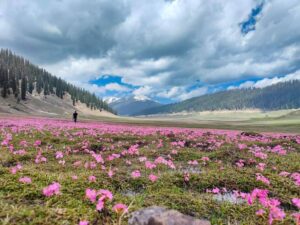
Tucked away in the northern Kupwara district, the Bangus Valley is a vast, green symphony of rolling meadows, dense pine forests, and snow-dusted ridges. It remains one of Kashmir’s most pristine ecosystems, largely untouched by commercial tourism.

The valley’s magic lies in its profound silence, broken only by the whisper of the wind and the distant bells of grazing sheep. During summer, its slopes transform into a carpet of wildflowers, glowing under the soft, golden light of the setting sun.

The 2026 Outlook: A nascent eco-tourism model is emerging, with locals offering homestays and guided camping. The traveller’s challenge and privilege is to visit responsibly, leaving no trace.

2. Gurez Valley: The Poet’s Refuge

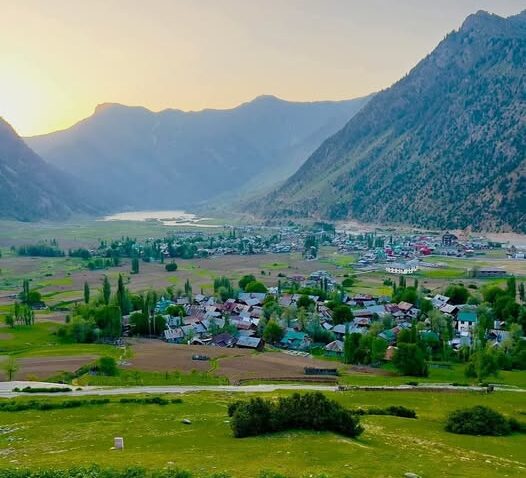
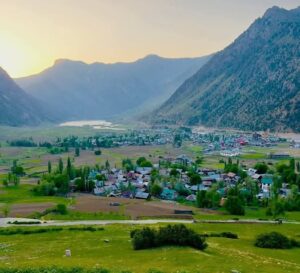
A breathtaking view of Gurez Valley in northern Kashmir, located about 8,000 feet above sea level in the Himalayan mountains. The turquoise lake reflects the rugged rocky peaks under a clear blue sky, capturing the untouched natural beauty and serene landscape of this remote high-altitude valley. In this region of Azad Kashmir, the Shina language is spoken, and the lifestyle closely resembles that of Gilgit-Baltistan, reflecting a unique blend of cultural and geographical harmony.
A scenic view of Gurez Valley in northern Kashmir, about 8,000 feet above sea level. The turquoise lake and Himalayan peaks reflect the valley’s untouched beauty, where locals speak Shina and share cultural ties with Gilgit-Baltistan.

Guarded by the roaring Kishanganga River and the formidable Razdan Pass, Gurez is a world unto itself. This valley, named for the 16th-century poet-queen Habba Khatoon, feels like a living archive of Kashmiri culture. Its distinct wooden houses, with intricately carved windows, cling to steep hillsides.

Life here moves with a gentle, timeless rhythm. The absence of reliable internet is not an inconvenience but an invitation to truly disconnect and engage with a community whose warmth is as palpable as the mountain air.

When to Go: The narrow window from late June to September, once the high-altitude passes clear, is your gateway to this remote paradise.

3. Lolab Valley: The Orchard of Legends

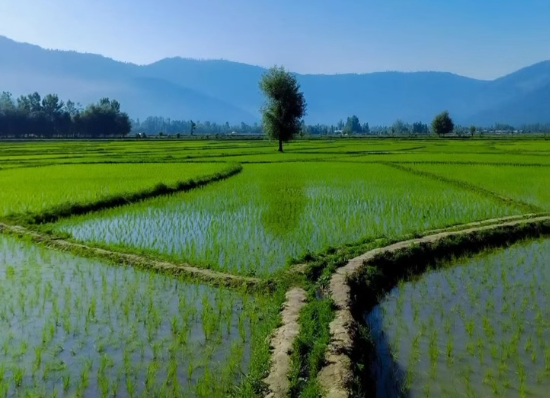
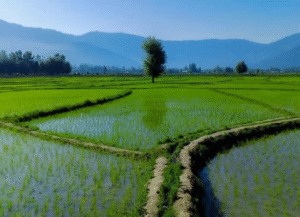
Golden-red rice fields glowing under the spring sun in Lolab Valley, northern Kashmir — a hidden paradise of serene beauty and traditional Kashmiri farming life.

Known poetically as Wadi-e-Lolab (the Valley of Love), this region is a cradle of folklore and fertile orchards. Its landscapes—a harmonious blend of deodar forests, gushing streams, and quaint villages—are straight out of a classic tale.

The valley is also home to the enigmatic Kalaroos Caves, a network of tunnels shrouded in local legend, some claiming they are secret passages that lead straight to Central Asia.

Insider’s Advice: Opt for a homestay. The oral histories shared by families over a cup of Kahwa are as valuable as any guidebook.

4. Doodhpathri: The Milky Meadow

A short, scenic drive from the capital, Srinagar, Doodhpathri (Meadow of Milk) feels a world away. Its defining feature is a shallow river whose waters cascade over smooth, white stones, creating a mesmerizing, milky appearance.

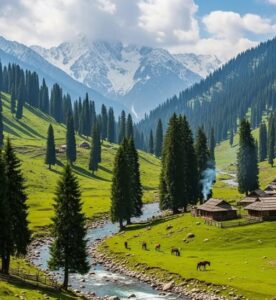
Doodhpathri, often called the “Valley of Milk,” surrounded by pine forests and snow-capped peaks one of Kashmir’s most enchanting hidden gems.

This is a destination for slow travel—for picnics on flower-strewn grasslands and for photographers chasing the perfect, crowd-free shot of Kashmir’s pastoral idyll.

On the Horizon: The government is developing eco-trekking routes. Visit now to experience its serene charm before it gains mainstream attention.

5. Yusmarg: The Whispering Woods

An hour’s journey from the chaos of Srinagar transports you to Yusmarg, the “Meadow of Jesus.” Sunlight filters through its towering deodar forests, creating a cathedral-like atmosphere. A gentle hike leads to the stunning, emerald-green Nilnag Lake.

Yusmarg
Yusmarg

Local lore suggests Jesus Christ spent his lost years here, a legend that infuses the serene landscape with a palpable, spiritual energy. It is a place for contemplation and deep, unadulterated calm.

6. Tosamaidan: A Meadow Reborn

Once a military firing range, Tosamaidan has been peacefully reclaimed by nature. Today, it stands as a powerful symbol of resilience—a vast, open meadow blanketed in wildflowers, under an endless sky.

Tosamaidan
Tosamaidan

Camping here is an act of participation in the valley’s renewal. The clear, cold nights offer a celestial spectacle, with a canopy of stars undimmed by light pollution.

Travel Note: The meadow is accessible from June to September, and the annual summer festivals organized by locals are a celebration of this hard-won peace.

7. Tulail Valley: At the Edge of the Map

Beyond Gurez lies the even more remote Tulail Valley. Reaching it is a journey in itself, a passage through landscapes so raw and powerful they feel primordial. The traditional mud-brick homes and the genuine curiosity of the local children are a reminder of a way of life largely unchanged by modernity.

Tulail Valley
Tulail Valley

This is a destination for the intrepid, offering unparalleled trekking and a profound sense of disconnection from the modern world.

A Note on Responsibility: Travel here demands respect. Always hire local guides who understand the terrain and weather, ensuring your safety and a more meaningful cultural exchange.

8. Warwan Valley: The Trekker’s Sanctum

For the serious adventurer, the Warwan Valley in the Kishtwar region is a holy grail. This is a rugged, high-altitude paradise of dramatic passes, turquoise rivers, and villages perched precariously on cliff sides.

Warwan Valley
Warwan Valley

The challenging Warwan Trail is considered one of the most spectacular and least-trodden alpine treks on the continent, offering a raw, unfiltered dialogue with the might of the Himalayas.

Essential Preparation: This is not a casual hike. Requisites include expert guidance, proper gear, and a humble acknowledgement of the mountain’s power.

9. Tarsar & Marsar: The Celestial Twins

These twin alpine lakes, separated by a single mountain ridge, are the stuff of high-altitude legend. The trek to Tarsar and Marsar, starting from a point near Pahalgam, is a cinematic journey through flower-filled valleys and over high passes.

The sight of their crystal-clear waters, reflecting the sky and surrounding peaks, is an image that etches itself permanently into memory. At night, the Milky Way arcs over the still water, creating a scene of almost unreal beauty.

Eco-Imperative: This is a fragile ecosystem. The principle of “leave no trace” is not a suggestion here, but a necessity.

10. Karnah Valley: Borderland of Resilience

Nestled near the Line of Control, Karnah Valley is a testament to the enduring human spirit. Despite its proximity to geopolitical tensions, life here is defined by a powerful, everyday resilience—apple orchards heavy with fruit, ancient wooden bridges, and the serene flow of the river.

Tourism is a rare sight, and visitors are welcomed with a heartfelt hospitality that speaks volumes about the community’s character.

Practicality for 2026: Special permits are often required for border areas. Always check the latest travel advisories and secure the services of a licensed tour operator.

In an era of over-tourism, choosing the road less travelled is no longer just a preference; it is an ethical stance. By venturing into these hidden valleys, staying in community-run homestays, and employing local guides, travellers directly contribute to a sustainable economic model that empowers Kashmiris.

This form of mindful travel helps preserve not just the environment, but also cultural heritage, offering a viable future for the youth of Kashmir beyond traditional vocations.

The Deeper Journey

Ultimately, the hidden valleys of Kashmir offer something far greater than a collection of beautiful sights. They offer an experience—a chance to feel the cool mist of a mountain morning, to share a sincere moment over a cup of Noon Chai, and to stand in a silence so profound it feels like a form of communication.

As Ahmad Mir aptly concludes, “People come to Kashmir to see heaven. But heaven, you see, is not something to look at — it’s something to feel.”

And in these hidden corners, that feeling is waiting.

Traditional Kashmiri Foods You Should Try Before You Die

SRINAGAR – In the pristine valleys of Kashmir, where the snow-capped Himalayas pierce the azure sky and the Dal Lake shimmers under the sun, there exists a paradise within a paradise. It is not found on a map, but on a plate. Here, food is more than mere sustenance; it is a language of identity, a narrative of resilience, and an art form meticulously preserved through generations of tumult and tranquility.

Kashmiri cuisine is a living tapestry, woven with threads of history, culture, and an unwavering spirit of hospitality. To taste it is to listen to the soul of the valley itself—a story told in the slow simmer of a pot, the fragrant steam of saffron-infused rice, and the communal sharing of a single large platter. This is not just eating; it is an experience that engages all the senses and leaves an indelible mark on the heart.

This definitive guide delves beyond the recipes to explore the very essence of Kashmiri food, from the grand opera of the Wazwan feast to the humble, everyday delights that fuel the lives of its people.

Understanding the Wazwan

No discussion of Kashmiri cuisine can begin without paying homage to the Wazwan. This is not a meal; it is a ritual, a social contract, and the ultimate expression of mehmaan nawaazi—the sacred duty of hospitality. Traditionally comprising up to thirty-six courses, the Wazwan is a symphony of flavours orchestrated by a master chef, the Vasta Waza, and served communally on a large copper platter called a trami.

The word ‘Wazwan’ itself derives from ‘Waz’ (cook/chef) and ‘Wan’ (shop), but it signifies a culinary tradition passed down through generations of Waza families. Its origins are steeped in history, tracing back to the 14th-century influence of Mongol and Timurid rulers, who brought with them skilled chefs from Samarkand and Central Asia. Over centuries, these techniques melded with local Kashmiri ingredients and sensibilities, evolving into the magnificent feast we know today.

The experience is as important as the food. Guests are seated in groups of four, sharing a single trami, symbolizing equality and community. The feast unfolds with a ceremonial washing of hands, often with rose water, before the procession of dishes begins, each placed on the trami with precise order and etiquette.

A Detailed Look at Key Kashmiri Dishes

The Wazwan’s structure is deliberate, taking diners on a journey through textures, temperatures, and intensities of flavour.

1. Rogan Josh: The Crimson Ambassador

Arguably Kashmir’s most famous culinary export, Rogan Josh is a masterpiece of slow-cooking. At its heart is tender lamb, cooked for hours until it succumbs to the lightest touch. But its true signature is its deep, crimson red colour—a hue achieved not through artificial means, but from the careful, patient frying of Kashmiri chillies (Kashmiri lal mirch) in oil.

  • The Flavour Profile: The heat is mild, smoky, and nuanced, not aggressively spicy. It is balanced by the sweet fragrance of fennel (saunf) and the warm, earthy notes of ginger (sonth)—a spice combination known as Kashmiri Garam Masala, distinct from its North Indian counterpart.

  • The Cultural Significance: It is often the first substantial dish served in the Wazwan, setting the stage for the culinary spectacle to come. Its robust flavour is designed to awaken the palate.

2. Gushtaba: The King’s Finale

If Rogan Josh is the ambassador, Gushtaba is the reigning monarch. This dish is considered the ultimate test of a Waza‘s skill and patience. Lean mutton from the leg is pounded for hours with a wooden mallet on a solid rock until it achieves a smooth, velvety, almost paste-like consistency. This is then shaped into large, delicate meatballs.

  • The Flavour Profile: The Gushtaba is poached in a creamy, yogurt-based gravy (yakhni) that is pale, subtle, and fragrant with cardamom, cloves, and mint. The texture of the meatball is meant to be ethereally soft, melting in the mouth without resistance.

  • The Cultural Significance: Its richness is deliberate. In the traditional sequence, Gushtaba often signals the concluding phase of the savoury courses, a soothing, decadent finale designed to calm the palate after the spicier preceding dishes.

3. Rista: The Fiery Sibling

A close cousin to Gushtaba, Rista shares the same foundation of meticulously pounded mutton balls. The critical difference lies in the gravy. Where Gushtaba is mild and creamy, Rista is a bold declaration of colour and spice.

  • The Flavour Profile: The meatballs swim in a vibrant, fiery red gravy, achieved through a heavier use of Kashmiri chillies and a different spice blend. It provides a stunning counterpoint to the Gushtaba, showcasing the Wazwan’s dynamic range.

  • The Cultural Significance: Served alongside or before Gushtaba, Rista represents the passionate, fiery heart of the feast.

4. Yakhni: The Subtle Poet

In a culinary landscape often defined by its bold reds, Yakhni stands out as a quiet, elegant poem. This yogurt-based curry, typically made with lamb or chicken, is a testament to the diversity of Kashmiri flavours.

  • The Flavour Profile: Fragrant with fennel, bay leaves, and minimal heat, Yakhni is subtle, soothing, and complex. The yogurt provides a delicate tanginess, while the spices impart a gentle warmth.

  • The Cultural Significance: It offers a moment of respite and reflection during the feast, reminding diners that Kashmiri cuisine possesses a full spectrum of flavours, from the thunderous to the tranquil.

5. Other Essential Wazwan Delicacies:

  • Tabak Maaz: Crispy, fried ribs of lamb, first simmered in milk and spices until tender, then fried to a golden-brown perfection. It is the “starter” of the Wazwan, offering a satisfying textural contrast.

  • Dani Phoul: A minimalist mutton curry, lighter than Rogan Josh, often served early in the feast.

  • Marchwangan Korma: A intensely spicy and fiery mutton curry for those who dare, showcasing the potent side of Kashmiri chillies.

  • Aab Gosh: A mild, milk-based curry, known for its delicate flavour and simplicity.

The Everyday Delights of Kashmiri Homes

While the Wazwan is for celebration, the true essence of Kashmiri life is found in its daily sustenance—dishes that are simpler, yet equally profound.

1. Modur Pulav: The Festive Jewel

This sweet and savoury rice dish is a celebration on a plate. Fragrant basmati rice is cooked with ghee, cinnamon, and the precious stigma of saffron—Kashmir’s “red gold.” It is then studded with caramelised onions, a medley of nuts (almonds, cashews), and sweet fruits like apples, cherries, and raisins.

  • When It’s Eaten: A staple during festivals, weddings, and special occasions. It symbolizes the bounty and prosperity of the Kashmiri valley.

2. Nadru Monji: The Humble Harvest

From the pristine waters of Dal and Wular lakes comes the lotus stem, or nadru. A versatile ingredient, it is most beloved when sliced, dipped in a spiced gram flour batter, and deep-fried into golden fritters.

  • The Experience: A common street food and winter snack, Nadru Monji represents the connection between the Kashmiri people and their land. Its crisp texture and earthy, slightly sweet taste are a simple, yet profound, pleasure.

3. Haak: The Green Heart of Kashmir

No Kashmiri meal is complete without Haak—a simple preparation of collard greens. It is the quintessential everyday vegetable, cooked with minimal spices, often just with garlic, green chillies, and a touch of mustard oil.

  • Cultural Importance: Haak is a culinary constant, a comforting and nutritious presence on the Kashmiri table through all seasons. Its slightly bitter, deeply earthy flavour is a taste of home for every Kashmiri.

4. Dum Aloo: The Potato Reimagined

Kashmir’s Dum Aloo is a world apart from other versions. Small, whole baby potatoes are first deep-fried until they develop a crisp outer shell, then simmered in a spicy, ginger-infused yogurt or curd-based gravy.

  • The Technique: The initial deep-frying is crucial—it creates a barrier that allows the potato to remain firm while absorbing the flavours of the gravy during the slow-cooking (dum) process. The result is a dish that is both tangy and rich.

The Liquid Gold

Kahwa: The Drink of Hospitality

More than just green tea, Kahwa is a ceremony. It is the valley’s warming embrace against the chill. This fragrant concoction is brewed with green tea leaves, saffron, cinnamon, cardamom, and sometimes a hint of rose petals. It is traditionally sweetened with honey or sugar and garnished with crushed almonds or walnuts.

  • The Ritual: Sipped from ornate samovars in homes and shops, Kahwa is the drink of conversation, consolation, and connection. It is the first thing offered to a guest, a symbol of welcome and warmth.

Noon Chai (Sheer Chai): The Pink Salted Tea

A true acquired taste and a Kashmiri signature, Noon Chai is a pinkish, salted tea. Made from a special type of green tea leaves, it is brewed with baking soda (which gives it its distinctive colour), milk, and salt. It has a unique, slightly nutty, and savoury flavour.

  • The Social Fabric: Consumed throughout the day, especially in the morning and afternoon, Noon Chai is often paired with bread like Bakarkhani. It is a staple of Kashmiri Muslim households and a potent symbol of local identity.

The Bread Basket of Kashmir

The cuisine features a variety of unique breads, each with its own purpose:

  • Bakerkhani: A dense, flaky, and slightly sweet flatbread, reminiscent of a paratha or puff pastry. Perfect for dipping into Kahwa or pairing with kebabs.

  • Kulcha: A softer, rounder bread, often enjoyed with morning tea or as a snack.

  • Lawas: A thin, unleavened bread, similar to a roti, typically served with the Wazwan to scoop up the rich gravies.

A Culture Forged in Flavour

The flavours of Kashmir are a palimpsest, bearing the marks of its strategic location on the Silk Road.

  • Central Asian & Persian Influence: The core of the Wazwan—the use of minced meat (Gushtaba, Rista), the slow-cooking techniques, and the prevalence of rice—shows clear influences from Persian and Central Asian traditions.

  • The Mughal Contribution: The Mughal emperors, particularly Jahangir, were enamoured with Kashmir. They are credited with popularizing the use of saffron, dry fruits, and the concept of elaborate, garden-based feasts, which influenced dishes like Modur Pulav.

  • The Indigenous Foundation: Underlying all these influences is the native Kashmiri Pandit tradition, which has its own distinct vegetarian repertoire (known as Satvik food) and uses asafoetida (hing) and yogurt prominently, as seen in Yakhni.

In a region often defined by political headlines, the enduring tradition of the Wazwan and the daily ritual of Kahwa are powerful testaments to a different reality. They speak of a people whose identity is rooted in community, artistry, and an unwavering generosity of spirit.

Kashmiri cuisine is a resilient, living heritage. It has weathered centuries of change, yet its fundamental principles—hospitality, balance, and a deep connection to the land—remain untouched. To taste Kashmir is to listen to its untold story. It is a story of warmth in the cold, of colour in the grey, and of a profound, unbreakable connection to home. And it is a story that, once tasted, is never forgotten.