Tuesday, March 31, 2026
14.8 C
Srinagar
Home Blog Page 82

Wedding Gift Ideas for Friends: Thoughtful and Unique Suggestions for Every Budget

Weddings are monumental life events that celebrate love, unity, and new beginnings. Whether you’re attending the wedding of your childhood friend, a colleague, or a close male companion, selecting a meaningful gift can be both exciting and challenging. The perfect wedding gift reflects your thoughtfulness, your relationship with the couple, and your good wishes for their future together.

In this detailed guide, we’ll explore thoughtful, unique, and budget-friendly wedding gift ideas for friends, including specific suggestions for male friends. Whether you’re looking for personalized keepsakes, practical essentials, or budget-friendly alternatives, this article will provide insights to make your choice easier. Keep reading as we delve into the world of wedding gifting and the art of meaningful presents.

Why Wedding Gifts Are Important


Why Does Choosing the Right Wedding Gift Matter? A wedding gift is more than just a present—it’s a token of your appreciation and happiness for the couple as they embark on this new chapter of their lives. Gifts can symbolize love, well wishes, and a celebration of the couple’s future together. The right gift reflects the unique bond you share with your friends and shows that you’ve put thought into selecting something meaningful.

Sweet gift box heart shape on table for wedding day.

Giving a wedding gift is a time-honored tradition, symbolizing your love, blessings, and support for the couple as they embark on their marital journey. A well-thought-out gift serves multiple purposes:

  • Celebrating the Couple’s Love: It commemorates their union and shared future.
  • Strengthening Your Bond: It reflects your appreciation for the friendship or relationship you share with them.
  • Practicality and Utility: It helps the couple start their new life together with essentials or luxuries they may not have considered.

Wedding Gift Ideas for Friends: Categories to Explore


1. Personalized Wedding Gifts


Personalized gifts are a timeless way to make your present unique and memorable. These gifts carry sentimental value and are tailored specifically for the couple:

  • Engraved Photo Frames: Ideal for displaying wedding or engagement photos.
  • Custom Wall Art: Include their names, wedding date, or a meaningful quote.
  • Personalized Jewelry Boxes or Watch Cases: Perfect for couples to store keepsakes.
  • Customized Cutting Boards: Engraved with their initials or a special message.

2. Practical Wedding Gifts


Practical gifts are always appreciated, especially for couples setting up a new home or lifestyle:

  • Cookware and Kitchen Appliances: High-quality pots, pans, or a versatile mixer.
  • Smart Home Gadgets: Devices like Alexa, Google Nest, or Ring doorbells.
  • Elegant Dinnerware Sets: Ideal for hosting dinner parties.
  • Subscription Services: Wine clubs, streaming platforms, or meal-prep kits.

3. Luxury Wedding Gifts


For those who wish to splurge on a luxurious and unforgettable gift:

  • Spa Retreat Vouchers: A relaxing getaway for the newlyweds.
  • High-End Bedding: Egyptian cotton sheets or a plush duvet set.
  • Designer Accessories: Bags, wallets, or sunglasses for special occasions.
  • Fine Art Pieces: Paintings or sculptures that fit the couple’s taste.

4. Budget-Friendly Alternatives


If you’re looking for thoughtful gifts that don’t break the bank:

  • Handwritten Letters: A heartfelt note expressing your love and wishes.
  • DIY Scrapbooks: Filled with memories, photos, and messages.
  • Customized Coffee Mugs: Fun designs with the couple’s names.
  • Board Games: A playful yet thoughtful gift for cozy nights.

Wedding Gift Ideas for Male Friends


Choosing a wedding gift for a male friend can be tricky but rewarding. Here are some ideas tailored specifically for male friends based on their interests, lifestyle, and hobbies:

Tech-Savvy Gifts


If your friend is a tech enthusiast, these options are sure to impress:

  • Smartwatches: Functional and stylish, perfect for staying connected.
  • Gaming Accessories: Custom controllers, VR headsets, or gaming chairs.
  • High-Quality Bluetooth Speakers: Ideal for a music lover.
  • Portable Power Banks: A practical gift for frequent travelers.

Personalized Keepsakes


For a more sentimental touch, consider these personalized items:

  • Engraved Whiskey Decanter Sets: A classy addition to his home bar.
  • Custom Leather Wallets: Engraved with his initials or a short message.
  • Monogrammed Cufflinks: Perfect for formal events.
  • Photo Albums: Compile pictures of your memories together.

Hobby-Centric Gifts


Show your friend you know him well with gifts tailored to his hobbies:

  • Cooking Gadgets: Sous vide machines or chef’s knives for culinary enthusiasts.
  • Sports Memorabilia: Jerseys, signed balls, or tickets to a game.
  • Outdoor Gear: Hiking backpacks, camping equipment, or fishing kits.
  • Books: A first edition of his favorite novel or a motivational read.

Luxury and Lifestyle Gifts


If your male friend appreciates the finer things in life:

  • Premium Grooming Kits: High-end razors, skincare products, or colognes.
  • Travel Essentials: Leather duffle bags or travel organizers.
  • Designer Sunglasses: Trendy and practical.
  • Memberships: Gym memberships or club access tailored to his interests.

Unique and Creative Wedding Gifts


Stand out from the crowd with unique wedding gifts that the couple will treasure forever:

  • Experience Gifts: Gift certificates for hot air balloon rides, wine tastings, or dance lessons.
  • Star Registry Packages: Name a star after the couple for an eternal keepsake.
  • Custom Map Art: Featuring the location where the couple met, got engaged, or married.
  • Charity Donations: Donate to a cause close to their hearts in their name.

How to Choose the Perfect Wedding Gift


Selecting the perfect wedding gift doesn’t have to be overwhelming. Follow these practical tips to make your choice easier:

  • Understand Their Preferences: Consider the couple’s lifestyle, hobbies, and shared interests.
  • Check the Wedding Registry: Many couples create registries to guide guests in choosing gifts.
  • Set a Budget: Determine how much you’re comfortable spending and stick to it.
  • Add a Personal Touch: Even a simple gift can become meaningful with a heartfelt note or custom engraving.
  • Coordinate with Other Guests: Pooling resources with friends can allow for a more substantial gift.

Eco-Friendly and Sustainable Wedding Gifts

With sustainability becoming a global priority, ecofriendly and sustainable wedding gifts are a thoughtful way to show you care for both the couple and the planet. These gifts are perfect for eco-conscious friends:

  • Reusable Home Items: Bamboo kitchenware, beeswax wraps, or stainless steel straws.
  • Indoor Plants: Gift potted plants like succulents or air-purifying plants to bring greenery into their home.
  • Sustainable Cookware: Items made from recycled or eco-friendly materials.
  • Organic Bedding and Towels: Made from ethically sourced cotton or bamboo.
  • Donation to Environmental Causes: Contribute to a charity or organization dedicated to sustainability in the couple’s name.
  • Zero-Waste Kits: Starter kits that include reusable bags, cutlery, and water bottles.

The Rise of Experience-Based Wedding Gifts


In recent years, experience gifts have gained popularity as a meaningful alternative to traditional presents. These gifts are memorable, unique, and often provide an opportunity for the couple to spend quality time together. Here are some ideas:

  • Romantic Getaways: Book a weekend trip for the couple to a charming destination.
  • Adventure Activities: Skydiving, scuba diving, or zip-lining adventures.
  • Cooking or Craft Classes: A fun way to learn something new together.
  • Concert or Event Tickets: For couples who love live entertainment.

Tips for Choosing the Perfect Wedding Gift


Know the Couple’s Preferences: Think about their hobbies, lifestyle, and shared interests. A gift that complements their personalities will always be appreciated.

Check the Wedding Registry: Many couples create a wedding registry to make gift-giving easier for guests. Choose an item from their list to ensure it’s something they want or need.

Consider Their Stage of Life: For young couples starting out, practical household items might be best. For older couples, unique or luxury gifts could be more suitable.

Add a Personal Touch: Even if you’re purchasing a generic gift, consider adding a personal note or small customization to make it more special.

Pool Resources for a Group Gift: If you’re attending the wedding with other mutual friends, consider pooling your money for a big-ticket item from the registry or a unique experience gift.

Wedding Gift Etiquette: Dos and Don’ts


When selecting a wedding gift, keep these dos and don’ts in mind to ensure you make the right impression:

Dos:


  • Do Plan Ahead: Order your gift early to avoid last-minute stress.
  • Do Include a Card: A heartfelt message can make a big difference.
  • Do Consider Cultural Traditions: Some weddings may have specific gifting customs.

Don’ts:


  • Don’t Ignore the Registry: If the couple has one, it’s a helpful guide.
  • Don’t Re-Gift Items: Always choose something fresh and thoughtful.
  • Don’t Overspend: Stick to your budget to avoid financial strain.

Wrapping It Up: Presentation Matters


Presentation plays a significant role in how your gift is received. Wrap your present neatly with high-quality wrapping paper, or opt for eco-friendly materials like reusable cloth or kraft paper. Adding a personal touch, such as a handwritten card or a small decorative item, can elevate the overall presentation.

Finding the perfect wedding gift for a friend doesn’t have to be daunting. Whether you’re shopping for a male friend, a childhood companion, or a close couple, the key is to choose something thoughtful and meaningful. From personalized keepsakes to luxury items and experience-based gifts, the options are endless.

Remember, the best gifts come from the heart and reflect your genuine happiness for the couple. Use this guide to select a wedding gift that will be cherished for years to come. Happy gifting!

Kashmir: A Tapestry of Tradition, Culture, and Modern Hospitality in Disputed Paradise

Nestled within the snow-capped peaks of the Himalayas, Kashmir remains one of the world’s most captivating regions a land where nature’s grandeur meets centuries of history and cultural diversity. International travelers are drawn to its lush valleys, shimmering lakes, and picturesque houseboats. Yet, beneath the postcard-perfect scenery lies a region defined by geopolitical complexity. Recognized globally as comprising Indian-administered Kashmir (including Ladakh) and Pakistan-administered Kashmir (Azad Jammu and Kashmir [AJK] and Gilgit-Baltistan [GB]), Kashmir offers a fascinating blend of tradition and modernity.

Amid these breathtaking landscapes, a modern debate has surfaced that is reshaping the travel experience: Should Kashmir embrace modern hospitality trends—such as hotels with bars and wine shops despite the religious injunction in Islam that declares alcohol haram? This article explores how various Kashmiri communities are negotiating this challenge, blending tradition with the necessities of a thriving tourism economy.

Islam, Tradition, and the Alcohol

In Islam, the consumption of alcohol is unequivocally forbidden. For many devout Kashmiris, religious values dictate a lifestyle in which alcohol is strictly avoided. However, Kashmir’s history is far from homogeneous. The region has long been home to a diverse mix of faiths—Hinduism, Buddhism, and Sikhism creating a society that, on many levels, reflects a pluralistic heritage.

For example, in Indian-administered Kashmir, while the vast majority of residents practice Islam, there exist pockets of Hindu majority areas and even Buddhist communities in Ladakh. Similarly, in Pakistan-administered Kashmir like AJK and Gilgit-Baltistan, despite a predominantly Muslim population, communities exhibit varied practices based on age-old cultural influences. This intricate mosaic results in multiple perspectives on alcohol—and consequently, the hospitality sector is starting to consider regulated alcohol service as a means to cater to an evolving travel market.

Globally, international tourists often expect a Western style experience that includes access to bars and curated wine selections. In many renowned destinations, modern amenities are considered a vital part of the travel experience. For Kashmir, the challenge is to balance this global tourist demand with cultural and religious sensitivities.

Alcohol Policies in Jammu & Kashmir

Kashmir is not monolithic; its various regions have developed distinct approaches to managing alcohol in hospitality, each shaped by local socio-cultural norms and legal frameworks.

Indian-Administered Kashmir

In Indian-administered Kashmir which includes areas such as Srinagar, Gulmarg, and historical parts of Jammu—the local government has made attempts to boost the tourism industry by relaxing certain restrictions. In these areas, hotels, especially luxurious houseboats and five-star resorts, have begun to offer licensed liquor as part of a broader strategy to attract international travelers. Following the 2019 abrogation of Article 370, the expansion of liquor licenses sparked both opportunity and controversy. While over 200 wine shops now operate primarily in tourist-friendly zones, this trend has also ignited protests from conservative voices who deem the changes “a surrender to Westernization.”

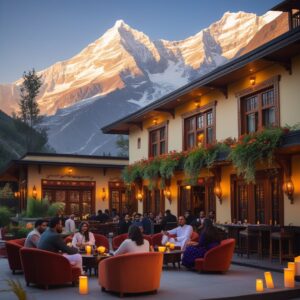
AI generated Image of luxury hotel in Kashmir with a cozy bar, featuring traditional wooden decor, mountain views, and elegant seating for guests.

Business owners like Rajesh Kumar, who manages a well known houseboat in Srinagar, defend the move: “Foreign tourists expect a drink after a long day trekking and exploring. If we do not provide, they will simply seek alternatives elsewhere.” This pragmatic approach underscores an acknowledgment that modern hospitality practices can co-exist with deep-rooted traditions.

Ladakh

Ladakh, primarily known for its Buddhist majority and stark, majestic landscapes, presents a different narrative. While local eateries in Leh offer traditional barley beer (known as chang) without much reservation, the sale of hard liquor is regulated more carefully. Since Ladakh formed a separate Union Territory in 2019, authorities have increasingly considered how modern amenities might enhance tourism while respecting local cultural sentiments. Monastic leaders remain cautious, warning that unchecked alcohol consumption could negatively impact the youth.

In Ladakh, the balance is delicate: embracing modern tourism trends without sacrificing traditional values. This balance is achieved through careful licensing and the creation of designated areas where tourists can enjoy a Western-style drink in a setting that still honors local customs.

Pakistan-Administered Kashmir

In Pakistan-administered regions—namely AJK and Gilgit-Baltistan—the legal framework remains much stricter. In Azad Jammu and Kashmir, alcohol sale is completely banned, while Gilgit-Baltistan follows a policy that permits the sale of liquor only to non-Muslims via special permits. Activists and local administrators emphasize that maintaining these strict prohibitions preserves the religious and cultural integrity of the region. Hina Shah, a well-known activist in Muzaffarabad, states, “Our society thrives on nature, heritage, and spirituality. Alcohol does not belong in this equation.” Despite such regulations, an underground market has emerged, catering to tourists who might travel to nearby regions for a taste of Western hospitality.

Economic Significance of Modern Hospitality

Tourism has become a lifeline for Kashmir’s economy—it is estimated to contribute over $1 billion annually. The infusion of modern amenities into the hospitality sector is seen as a necessary evolution to keep pace with global expectations. Here’s why many stakeholders view the regulated introduction of alcohol as essential:

  • Boosting Local Revenue: With tourism accounting for nearly 7% of the GDP in some areas, offering a taste of modern luxury—including bars and wine shops—can significantly enhance revenue streams for local businesses and communities.
  • Improved Visitor Experience: International travelers expect a comprehensive experience. The presence of well-managed bars not only enriches their travel memories but also positions Kashmir as a competitive global destination.
  • Job Creation and Economic Growth: Expanding the hospitality sector through modern amenities, such as licensed bars, supports small businesses, creates employment opportunities, and stimulates ancillary markets including event management, local food production, and craft industries.

Local Voices and Community Perspectives

The debate over alcohol in Kashmir is not merely about legal frameworks; it is deeply intertwined with cultural identity and the personal experiences of local communities. In everyday conversations, many diverse voices contribute to the dialogue:

Local Opposition: “Alcohol fuels domestic violence and addiction,” argues Zahra Parvez, a community organizer. “We have suffered enough from external influences; our youth must be protected from western vices.”

Tourist Demand: French traveler Claire Dubois reflects, “After a day of exploring the breathtaking valleys of Gulmarg, relaxing over a glass of wine feels like a natural indulgence. However, I always respect local traditions.”

Business Realities: Hotelier Vikramaditya Singh points out, “Without modern amenities like bars, five star hotels would lose their competitive edge. It is essential to innovate while maintaining respect for our heritage.”

Legal Labyrinths and Hidden Economies

In Indian administered Kashmir, the Excise Act governs the sale and consumption of alcohol by requiring strict licensing. Conversely, in Pakistan-administered Kashmir, the Prohibition Order of 1977 enforces harsher penalties for the illegal sale of alcohol. Yet, current enforcement is uneven. In Leh, authorities are known to turn a blind eye to the informal sale of chang. Meanwhile, in certain parts of Muzaffarabad, police conduct raids on unlicensed liquor vendors as part of a broader crackdown against the underground market.


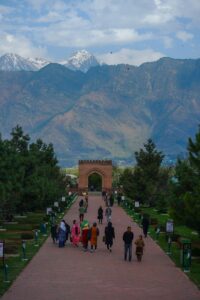
a group of people walking down a walkway in Srinagar, Jammu Kashmir

There is a growing argument that regulated legal frameworks by providing transparent and controlled access to alcohol—might decrease illicit trade and related criminal activities. By redirecting this informal economy into a legitimate sector, local governments could enhance revenue collection while ensuring tourist safety.

Case Studies: Stories from the Kashmiri Heartland

Real-life anecdotes bring a relatable human element to this debate:

Srinagar’s Houseboats:  The iconic floating hotels in Srinagar are more than just scenic attractionsthey serve as microcosms of contemporary Kashmiri life. Bashir Ahmed, who owns one of these houseboats, reveals, “We discreetly serve alcohol to our foreign guests outside of Ramadan. It’s a compromise, but ultimately, it’s about ensuring our business stays afloat in a competitive market.”

Skardu’s Emerging Hospitality: In a bustling tourist stop in Gilgit Baltistan’s Skardu region, a small hotel with a government-issued permit to serve beer attracts guests from across Asia. Manager Abbas Raza calmly explains, “While some locals express dissent, our priority is the economic upliftment of our community. Each job created here contributes to the larger vision of a prosperous, modern Skardu.”

Bridging Tradition and Innovation

Kashmir stands at a crossroads. For many, the long held debate over alcohol is emblematic of the broader struggle to balance traditional values with the inevitable forces of modernization. Proposals to designate “dry zones” near religious sites, along with the establishment of designated liquor areas in major tourist hubs, have been discussed as potential pathways to reconcile differences.

There are also burgeoning ideas centered around community-led tourism initiatives—emphasizing homestays, local cultural tours, and artisanal experiences that do not solely rely on alcohol driven revenue. In such models, the aim is clear: to stimulate economic growth and job creation while embracing innovations that still preserve the very soul of Kashmiri culture.

Global Comparisons

Looking around the world, there are several precedents where regions with deep-rooted religious traditions have accommodated modern amenities. In parts of the Middle East and Southeast Asia, carefully regulated hospitality venues serve both locals and foreign visitors while ensuring that core cultural values remain unblemished. Kashmir’s evolving narrative is, in many respects, in alignment with this global trend a testament to human adaptability and the pursuit of progress without compromising heritage.

Media outlets and travel publications across the globe have started to cover these stories with nuance. Detailed analyses highlight not only the benefits of regulated modern hospitality in boosting tourist numbers but also the sincere cultural debates that underpin these decisions. In doing so, Kashmir is gradually being redefined as a region where historical legacy and modern luxury can peacefully coexist.

A Toast to Kashmiri Resilience and Renewal

Kashmir is a living mosaic of contradictions a land where traditional values intersect with the demands of an evolving global community. The debate regarding the inclusion of hotels with bars and wine shops is not merely an economic decision but a reflection of the region’s spirit and resilience. For Kashmiris, the path forward lies in a measured embrace of modernity—a journey where economic aspirations do not have to come at the cost of cultural and religious identity.

As disputes continue over the region’s political status, one aspect remains clear: the people of Kashmir are resourceful and determined to shape a future that honors their cultural roots while welcoming innovation. Whether in Indian-administered Kashmir or Pakistan-administered Kashmir, and even in Ladakh, the evolution of modern hospitality is proof that change is not a betrayal of tradition but an adaptation to new realities.

For international travelers, a visit to Kashmir offers more than just a picturesque backdrop it provides a window into a society capable of reconciling its most cherished traditions with the imperatives of a globalized world. In every responsibly served drink at a hotel bar, every curated wine tasting experience, and every community discussion on cultural preservation, there is a story of courage, compromise, and unwavering identity.

In the final analysis, the future of Kashmiri hospitality may well lie in finding balance—one where strict adherence to age old practices is harmonized with innovative practices that boost economic recovery and enrich the visitor experience. It is a future where every tourist is invited not just to witness the beauty of Kashmir, but to participate in its ongoing dialogue of progress and tradition.

Title: Kashmiriyat Quotes: A Celebration of Kashmir’s Spiritual and Cultural Legacy

Disputed state Jammu Kashmir lies a philosophy that has long defined the identity of the region and its people: Kashmiriyat. More than a cultural term, Kashmiriyat is a centuries-old ethos of communal harmony, resilience, love, and inclusivity that transcends religious and ethnic lines.

What is Kashmiriyat?

Kashmiriyat is the collective consciousness of Kashmiri identity rooted in Sufi traditions, Shaivism, Buddhist influences, and indigenous culture. It speaks of peaceful coexistence between Hindus, Muslims, Sikhs, and Buddhists over centuries. The idea gained significant attention in post-partition South Asia, where it served as a counter-narrative to rising communalism.

In modern times, with political unrest and military conflict dominating headlines, the message of Kashmiriyat is a powerful reminder of the region’s original soul.

Why Kashmiriyat Matters Today

In a time when the Valley faces cultural erosion, internet blackouts, censorship, and demographic anxiety, Kashmiriyat stands as a symbol of unity and resistance. Quoting great Kashmiri thinkers, poets, and spiritual leaders not only revives that memory but also affirms the identity of a people often silenced or misunderstood.

Top 10 Timeless Quotes on Kashmiriyat

1. “Na Hindu banega na Musalman banega, insaan ki aulad hai insaan banega.” — Lal Ded

This 14th-century mystic poetess of Kashmir emphasized humanism over religious identity. Her poetry laid the foundation for Kashmiri Sufism and inclusive philosophy.

2. “Zulm karne waale se zyada khatarnaak uska saathi hota hai jo khamosh rehta hai.” — Mahjoor

Ghulam Ahmad Mahjoor, the celebrated poet of Kashmir, reminds us that silence in the face of oppression is complicity.

3. “Kashmiriyat is not a word, it is a way of life. It is the soul of the Valley.” — Sheikh Muhammad Abdullah

As a key political figure, Sheikh Abdullah often spoke of Kashmiriyat as a secular and inclusive idea crucial to Kashmir’s identity.

4. “Chonuy wuchhun rang chui roozan, tim chui nazar manz.” (See God in every color, every face.) — Nund Rishi (Sheikh Noor-ud-din Wali)

The revered saint of Kashmir, who preached harmony and tolerance, is a foundational figure in the region’s spiritual history.

5. “Kashmir was never a piece of land. It is a beating heart that believes in peace and poetry.” — Agha Shahid Ali

The internationally acclaimed poet captured the emotional and spiritual ethos of Kashmir in his powerful verse.

6. “Our culture is our resistance, and our memory is our map.” — Anonymous young Kashmiri writer

Many young Kashmiris use anonymous platforms to express their identity and resistance through art and literature.

7. “When I say Kashmir, I mean the river, the snow, the mother, and the prayer all together.” — Shah Faesal

A former bureaucrat turned politician, Faesal’s words resonate with many Kashmiris seeking dignity and self-expression.

8. “Aes chu yewan poshan, aes chu yewan nundreshi.” (We are flowers of one garden, we are followers of Nund Rishi.) — Traditional Kashmiri Saying

This popular local saying speaks volumes about unity, love, and shared spiritual heritage.

9. “In Kashmir, we don’t just survive the conflict. We carry stories, we carry prayers.” — Peerzada Ashiq

One of the most respected journalists covering Kashmir, Peerzada emphasizes the role of storytelling in survival.

10. “Kashmiriyat is the bridge between Islam and Shaivism, Sufism and struggle, poetry and pain.” — Dr. Nyla Ali Khan

An academic and writer, she explores Kashmiriyat from a diasporic lens, reminding us of its scholarly and spiritual depth.

The Role of Kashmiriyat in Journalism and Literature

Kashmiri literature, especially Sufi poetry, has long been a vehicle of the Kashmiriyat spirit. Writers like Habba Khatoon, Rahman Rahi, and Zareef Ahmad Zareef continue to reflect its nuances in their writings. Contemporary journalism, though often under threat, still champions this identity by telling the stories of ordinary Kashmiris, who despite repression, refuse to give up their pluralistic identity.

Reviving Kashmiriyat in the Digital Age

With the rise of digital journalism and social media, a new generation of Kashmiris is reclaiming the narrative. Platforms such as Azadi Times, Kashmir News Network, and others are reshaping how the world views Kashmir. These young voices are bringing Kashmiriyat to global attention not through politics alone, but through culture, poetry, visuals, and resistance journalism.

Kashmiriyat is not just a nostalgic memory of pre-conflict Kashmir. It is a living, breathing force that continues to inspire the Valley and its people. Through these quotes and their historical context, we are reminded that even amidst occupation, censorship, and exile, the Kashmiri soul endures.

As the world watches, and as the people of Kashmir speak up, let us amplify the spirit of Kashmiriyat — not as a slogan, but as a philosophy of peace, dignity, and resilience.

Modi Govt Deports Even Children Born in Kashmir: Tragic Tale of a Third-Generation Displacement

Muzaffarabad, AJK (Pakistan administrated Kashmir) – In the aftermath of a recent attack in Pahalgam that claimed the lives of Indian tourists, the Modi-led government has intensified its crackdown in Indian-administered Jammu & Kashmir, unleashing a wave of measures that many see as driven more by hysteria than logic. Among them is the forced deportation of women from Pakistan-administered Jammu & Kashmir — some of whom have lived in the region for over a decade — under the pretext of “national security.”

This week, the Indian government deported Naila Begum, a woman originally from Rawalakot, along with her two young children, across the Wagah border into Pakistan. The tragic twist? The two children who were deported — Ayesha (8) and Farhan (10) — were born in Indian-administered Kashmir, making them legally Indian citizens. Meanwhile, her eldest daughter Iqra, born in Pakistan-administered Kashmir, was not deported and was instead left behind with her father in Kashmir.

Naila’s story is not an isolated case. She is among nearly two dozen women who were brought to Indian-administered Kashmir under the 2010 “Surrender and Rehabilitation Policy” — a now-defunct initiative launched by former Indian Prime Minister Manmohan Singh. The policy had promised safe return, reintegration, and economic support to Kashmiri youth who had crossed into Pakistan or Pakistan-administered Kashmir during the armed uprising of the 1990s. Many of these men returned with wives and children in hopes of rebuilding their lives.

Yet for most, the promises were never fulfilled. Upon their return, many men were arrested and jailed, while their wives were denied citizenship, identification documents, and basic rights. Still, families like Naila’s quietly rebuilt their lives in towns like Budgam, where they lived for over a decade — until now.

The Pahalgam attack provided the Indian government with a fresh excuse to target these women. But the deportation of children born on Indian soil exposes the hypocrisy and incoherence of the administration’s policies. In one swift decision, the government has not only broken families apart but also revealed its selective and often absurd application of citizenship laws.

Naila’s return to Pakistan on May 5, accompanied by only two of her three children, marks the third forced displacement her family has endured. Her parents originally migrated from Poonch to Rawalakot during the Partition in 1947. Her second displacement came when she crossed the Line of Control with her husband in 2011 under the repatriation policy. Now, once again, her life is uprooted — this time by the very government that once invited her return.

This cruel separation reflects a deeper, disturbing reality: the Modi government appears more interested in controlling territory than caring for its people. For all the rhetoric about reclaiming Pakistan-administered Kashmir, the administration shows little regard for the Kashmiris it already governs — especially if they happen to have ties across the Line of Control.

The Jammu & Kashmir conflict has produced countless such human tragedies — lives torn apart by borders, politics, and decades of unresolved hostility. While governments speak of sovereignty and strategy, families like Naila’s bear the human cost, often quietly, and always painfully.

Now more than ever, there is an urgent need to resist this escalating war hysteria, demand the withdrawal of foreign military presence from Jammu & Kashmir, and center the voices and lives of Kashmiris in any dialogue about the region’s future.

Kashmiriyat in Action: Sikh Resident Donates Land to Ensure Muslim Burials in Tral

    0

    Tral, Indian-Administered Kashmir — In a powerful example of communal harmony and Kashmiri brotherhood, a retired Sikh farmer and social activist in Tral’s Sehmu area has voluntarily donated a portion of his private land to provide long-awaited access to a Muslim graveyard, resolving an issue that had been pending for nearly four years.

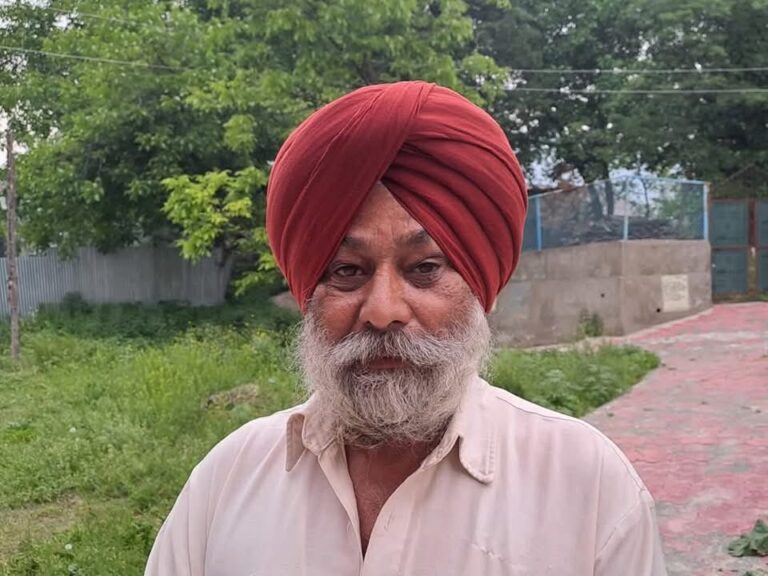
    Pushvinder Singh, a respected member of the local Sikh community and a former executive in the Farmer Trade Union and Joint Coordination Committee for Civil Society (JCCC), took the humanitarian step to ensure that Muslim residents could carry their deceased with dignity to the Sheikh Mela Sehmu Barra graveyard — an area that had been left inaccessible due to a blocked passage.

    “In a place where death comes suddenly, especially at night, there was no proper way to take our loved ones to the graveyard,” locals said. Singh stepped in, exchanging plots with a neighboring landowner to offer a six-foot-wide and ninety-foot-long passage. “I gave my piece of land to resolve the issue. These are my brothers,” he said.

    This act has been widely praised by locals, who say Singh’s gesture not only solved a logistical problem but reaffirmed the values of compassion and coexistence deeply rooted in Kashmiri society.

    “Our communities have always stood by each other,” Singh remarked. “Whether it’s ten at night or midnight, when someone passes away, the whole neighborhood—regardless of religion—gathers to help.”

    He described the deep bonds between Sikh and Muslim families in the region, saying, “Our houses stand side by side. Rainwater flows from one courtyard to another. Our daughters have grown up in each other’s homes. Language, culture, and kindness—we share all of it.”

    Singh also noted that land and family disputes, when they arise, are handled through dialogue and community panchayats, preserving peace without external interference. “This is the tradition of Kashmir. This is the land of Sufi saints and rishis—a place of unity, not division,” he added.

    At a time when Indian-administered Kashmir is marked by political uncertainty and communal polarization, this act by a Sikh resident of Tral is a reminder that the spirit of Kashmiriyat—of shared coexistence and brotherhood—continues to live on through the people.

    A Tragic Incident in Kotli: Zarish Kashif’s Life Changed Forever, Is Justice Possible?

      0

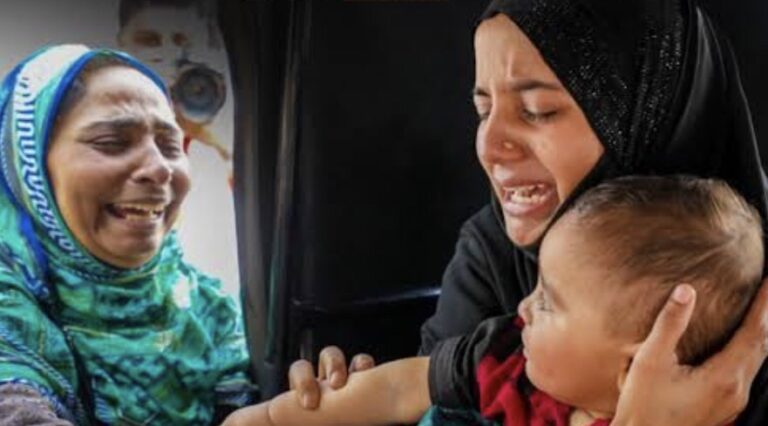
      Kotli, Azad Kashmir (AJK), Pakistan-administered Kashmir: Zarish Kashif, a young girl from Kotli, Azad Jammu Kashmir,  was severely injured after being electrocuted by an 11,000-volt high-tension wire while returning home from school. The incident occurred near the Naad School after school hours when Zarish unknowingly came in contact with the dangerously exposed wires. As a result of the severe burns, doctors had to amputate one of her arms and one of her legs, leaving this innocent child permanently disabled.

      This tragic event raises several critical questions about the safety of the region’s infrastructure and the negligence of authorities in ensuring the well-being of children and the public. Zarish’s life has been irrevocably altered, but the question remains: Who is responsible for this?

      In the aftermath of the incident, the local community has been left in shock, with many demanding immediate accountability. “What happened to Zarish could have happened to anyone’s child. This is a call for all of us to stand together and demand justice for her,” said a local resident.

      Despite widespread public outrage, there is still no indication that those responsible for the exposed wires and the dangerous situation will face any consequences. The silence of the authorities is deafening, and many fear that once again, the voices of the powerless will go unheard, as is often the case in cases involving the poor and marginalized.

      This incident is not just a personal tragedy for Zarish and her family, but a symptom of a much larger problem: the lack of safety and accountability in Azad Kashmir. “We cannot allow our children to be treated as expendable. If we are silent, we are complicit. The system is broken, and we must demand a change,” said a local activist.

      Moreover, the public response to this tragedy has been intense. Protesters took to the streets, and the Naad-Kotli-Mirpur Road was completely blocked for six hours as a sign of protest against the government’s failure to address the safety concerns of the region’s citizens.

      This tragic story highlights the critical need for urgent reform in the region’s infrastructure and a systemic change to ensure that the rights and safety of the people are respected. Zarish’s case is a stark reminder of the ongoing negligence that continues to put the lives of children and families in danger.

      In the face of this injustice, the community is demanding accountability. “We need to think of Zarish as one of our own. Just for a moment, think of her as your daughter or sister. Would you remain silent?” a protestor stated.

      This incident begs the question: Will Zarish get the justice she deserves? Will those in power be held accountable, or will the law continue to only serve the powerful?

      As the international community watches, the people of Azad Kashmir stand united, calling for justice for Zarish Kashif. The struggle for justice and accountability is not just about one child; it’s about creating a safer and fairer future for all.

      3000 Local Government Representatives Snubbed as Controversial Law Passes in Kashmir

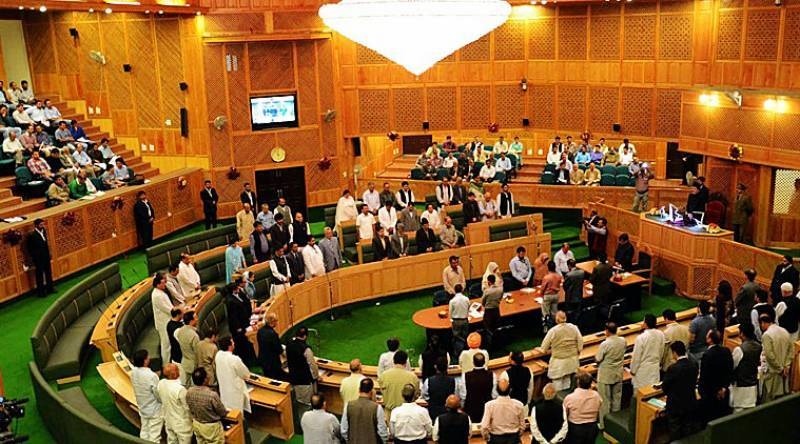
      Muzaffarabad, AJK (Pakistan administered Kashmir) – The Azad Jammu and Kashmir (AJK) Legislative Assembly has passed a law transferring full authority over the identification and allocation of local development funds to elected members of the Assembly, effectively sidelining around 3,000 elected local councilors.

      This legislation comes at a time of heightened tensions between India and Pakistan in South Asia, with looming threats of conflict adding to the region’s precarious security situation. The Assembly, originally convened on Wednesday to address regional tensions, instead pivoted to passing this contentious law regarding the control of local government funds.

      Read Also: Kashmir Missing Persons: Young Man from Kashmir Abducted in Pakistan

      The new law overturns a prior ruling by the AJK High Court, issued on February 19, 2025, which directed that development funds should be utilized through elected local representatives as per the 1990 Local Government Act. With this legislation, all local government schemes will now fall under the direct purview of Assembly members, leaving local councilors effectively powerless in the developmental process.

      A Blow to Local Democracy

      This decision has been widely criticized by local government representatives and civil society organizations, who see the law as a major setback for grassroots democracy in Pakistan-administered Kashmir. “This move centralizes power in the hands of a few and opens the door to corruption,” said a spokesperson from a coalition of local councilors.

      Previously, funds were spent through Assembly members without a legal framework. The new law, however, formalizes this practice, granting lawmakers legal authority over development funds. Critics argue that this shift undermines the very essence of local governance and accountability, which are cornerstones of democracy.

      Political Consensus Amid Controversy

      The controversial law garnered unanimous support from all parties within the coalition government, including Pakistan Tehreek-e-Insaf’s (PTI) forward bloc, Pakistan Muslim League-Nawaz (PML-N), and Pakistan People’s Party (PPP). Ironically, PTI, which has traditionally championed the local government system, aligned with the legislation, drawing criticism from its own supporters.

      For AJK, which receives an annual development grant from Pakistan, the stakes are significant. This year, the budget includes a total allocation of PKR 28 billion, with PKR 4 billion set aside for local government. Prior to the High Court ruling, Assembly members had already spent approximately PKR 500 million. The court’s intervention temporarily paused these expenditures, but the new law restores and formalizes their control over local government schemes.

      Civil Society Reacts: “A Legal Pathway for Corruption”

      Civil society organizations and local governance advocates have denounced the legislation as a regressive step that concentrates power in the hands of the political elite. “This law not only sidelines elected local representatives but also creates a legal pathway for corruption,” said a senior member of Muzaffarabad’s civil society forum.

      The move is perceived as a deliberate effort by the political elite to retain control over development funds, bypassing the transparency and accountability mechanisms that local governments are better positioned to provide. The new law, they argue, undermines the principles of decentralized governance and shifts focus from serving the people to serving political interests.

      A Missed Opportunity for Regional Unity

      Prime Minister Chaudhry Anwarul Haq had earlier stated that the Assembly session would remain ongoing to discuss the heightened tensions in the region. However, after passing the controversial law, the session was abruptly adjourned until May 8, leaving many to question the government’s priorities during a time of regional crisis.

      Political analysts have criticized the coalition government for exploiting the tense regional situation to push through legislation that serves their interests. “The government has used the ongoing regional crisis as a cover to prioritize control over funds at the expense of public representation and transparency,” noted a leading political analyst in Muzaffarabad.

      The Bigger Picture: Democracy at Risk

      The passage of this law highlights a broader issue in Pakistan-administered Kashmir: the erosion of democratic institutions in favor of centralized power. While the legislation may provide Assembly members with greater control over development funds, it comes at the expense of local democracy and governance.

      In a region already grappling with political and economic challenges, this centralization of power risks alienating the very people these funds are meant to serve. Local councilors, who represent the grassroots and are directly accountable to their communities, have been rendered irrelevant in the decision-making process.

      A Call for Accountability

      As Pakistan-administered Kashmir continues to face internal and external challenges, the need for transparent, democratic governance has never been more critical. The sidelining of local government representatives not only weakens the democratic fabric of the region but also undermines the trust of ordinary citizens in their political institutions.

      Civil society groups are calling for a review of the legislation and demanding the restoration of local government representatives’ authority over development funds. “True democracy lies in empowering local voices, not silencing them,” said a prominent activist in Muzaffarabad.

      The question remains: will the elected Assembly members prioritize the needs of the people they serve, or will this law further entrench the culture of political opportunism at the expense of democratic values?

      A Test for AJK’s Democratic Future

      The passage of this controversial law marks a significant turning point for governance in Pakistan-administered Kashmir. It is a test not only of the region’s commitment to democracy but also of its leaders’ willingness to prioritize the collective good over political expediency.

      As civil society and local representatives push back against this legislation, the coming weeks will reveal whether Pakistan-administered Kashmir can uphold its democratic ideals or whether it will succumb to the centralization of power. For now, the sidelining of 3,000 local councilors stands as a stark reminder of the challenges facing democracy in the region.

      Kashmir Missing Persons: Young Man from Kashmir Abducted in Pakistan

      Bagh, Azad Jammu & Kashmir (Pakistan-administered Kashmir) — A disturbing case of enforced disappearance has once again highlighted the growing concerns around Kashmir missing persons, as a young man from Azad Jammu and Kashmir (AJK) has gone missing under suspicious circumstances in Pakistan’s garrison city of Rawalpindi.

      Abdul Muiz, son of Raja Muhammad Azad and a resident of Chak Saryan Mang Bajri, District Bagh, was reportedly abducted two days ago from Chaklala Road, Rawalpindi, Pakistan, by unknown individuals. The incident has sent shockwaves across the region, as it follows a worrying trend of disappearances involving youth from Kashmir.

      Despite a formal First Information Report (FIR) being lodged with the local police, there has been no progress in locating the missing youth. The family has accused the authorities of negligence and delay, further intensifying public anger over the handling of the case.

      “We have filed the report, we’ve waited, but the police have done nothing. My brother is missing and no one seems to care,” said a relative of Abdul Muiz while speaking to Azadi Times.

      This incident has reignited serious questions about the safety of Kashmiris outside their region and the growing list of unresolved disappearances. Human rights defenders have called for immediate intervention and demanded transparency and accountability from law enforcement agencies.

      As an independent international Kashmir-based news source, we call on the concerned authorities in Pakistan to treat this case with the urgency it demands. The families of missing persons deserve answers and, more importantly, justice.

      This latest case is yet another reminder that the issue of Kashmir Missing Persons is not just a statistic, but a painful and unresolved human rights crisis that continues to unfold in silence.

      What We Know About Media in Pakistan-Administered Kashmir

      In the heart of Muzaffarabad, the capital of Azad Jammu and Kashmir (AJK), the newsroom of Daily Kashmir Times tells a quiet yet evocative story of the region’s media landscape. The hum of an old ceiling fan fills the room, while a faded copy of the Universal Declaration of Human Rights hangs crookedly on the wall. Despite its symbolic presence, the ideals it represents feel distant. Editor-in-Chief Faisal Khan sits at his desk, flipping through the dummy pages of the day’s paper. He pauses at the blank spaces where investigative stories should have been. “We pulled this story about the Neelum-Jhelum hydropower project,” he says, almost inaudibly. “It’s just not worth losing the paper over.”

      This is the reality of media in Pakistan-administered Kashmir, where press freedom is celebrated in theory but suffocated in practice. Unlike the high-profile censorship tactics seen in other regions—raids, arrests, or blatant shutdowns—the suppression of press freedom here operates in far subtler ways. A journalist’s paycheck might be delayed for months. Press credentials might be quietly revoked. Newspapers might “disappear” en route to distributors. The outcome is the same: a media ecosystem that exists but is unable to speak truth to power.

      Economic Censorship

      The silencing of journalists in Azad Jammu kashmir (AJK) begins with financial strangulation. According to official records, the government allocates $2.3 million annually in media advertising funds for the region. But this money often fails to reach newsrooms, disappearing somewhere along the bureaucratic chain. “The money moves from Muzaffarabad to Rawalpindi and vanishes,” says Mariam Shah, a veteran journalist with over 15 years of experience in the region. She recounts how her former newspaper folded after running a series of reports critical of education budget disparities. “We hadn’t been paid in a year. Then, the office shut down overnight.”

      For many journalists, financial instability creates ethical dilemmas that compromise their work. At K2 News, one of the region’s dwindling independent weeklies, reporters are required to double as advertising agents. Junior correspondent Bilal Ahmed explains the grim reality: “If I want my byline to appear, I need to bring in enough ads to cover the costs of publication.” Text messages from his editor confirm this arrangement, turning journalists into reluctant salespeople. Moreover, positive coverage of government-backed development projects often coincides with the timely release of salaries, creating an unspoken quid pro quo between journalists and power brokers.

      A Shadow of Independence: The Role of National Media

      The fragile state of AJK’s media is further complicated by the dominance of Pakistan’s national media houses. Major outlets like Geo NewsDawn, and ARY News maintain bureaus in AJK, ostensibly to provide regional coverage. Yet, their editorial priorities often reflect narratives crafted in Islamabad rather than the realities on the ground.

      “We send raw footage from protests or community events, but by the time it airs, the story has been sanitized,” says a producer for a major Urdu news channel, who spoke on condition of anonymity. He recalls an incident where footage of an anti-corruption protest in Muzaffarabad was re-edited to portray the demonstration as a “foreign-sponsored disturbance.” Such editorial decisions not only distort the truth but also alienate local journalists, whose work is frequently diluted or misrepresented.

      In this context, local reporters find themselves caught between two competing pressures: the economic constraints imposed by local authorities and the editorial control exerted by national media houses. The result is a stifling environment where journalists are unable to tell the stories that matter most to their communities.

      The Digital Mirage: Freedom or New Frontiers of Suppression?

      For a brief moment, the rise of digital media appeared to offer a lifeline to AJK’s struggling journalists. Platforms like YouTube, Instagram, and Facebook allowed independent reporters to bypass traditional gatekeepers and deliver stories directly to their audiences. But this digital revolution has proved to be a double-edged sword.

      See Also: Azad Kashmir Newspapers & Media

      Zara Altaf, a young journalist who runs an AJK-focused YouTube channel, explains how algorithms have become the new censors. “After I published a report on a controversial land acquisition, my viewership dropped by 82% almost overnight,” she says, showing analytics to back her claim. “There was no warning—just a sudden throttling of my content.” For journalists like Zara, the promise of digital freedom is undermined by opaque algorithms and the lack of monetization opportunities tailored to the region.

      Online harassment also looms large over digital journalists. Social media platforms, while providing a voice to the voiceless, have become breeding grounds for targeted trolling and misinformation campaigns aimed at discrediting independent reporters. Without robust support systems or protections, journalists in AJK face yet another layer of vulnerability in the digital space.

      International Aid: A Disconnect Between Intent and Impact

      While international organizations frequently highlight the challenges faced by journalists in Pakistan-administered Kashmir, their interventions often miss the mark. In 2024, the European Union allocated €4 million for media development projects in the region. However, 93% of the funds went to Islamabad-based NGOs that conducted seminars in five-star hotels. Not a single grant reached the grassroots reporters documenting issues like enforced disappearances, environmental degradation, or corruption in AJK.

      This misalignment between international aid and local needs underscores a critical gap in how press freedom is supported in politically sensitive regions. Without mechanisms to ensure that resources reach the journalists who need them most, well-intentioned initiatives risk becoming little more than exercises in performative allyship.

      The Art of Silent Suppression

      Censorship in AJK is rarely overt. Instead, it operates through a thousand small, almost imperceptible cuts. A delayed shipment of newspapers. A press credential quietly revoked. A training session canceled without explanation. These subtle tactics ensure that dissenting voices are silenced long before their stories reach the public.

      At the Muzaffarabad Press Club, veteran journalist Gulzar Chaudhry sits beneath a curling World Press Freedom Day poster. He points to a wall calendar marked with crossed-out events—forums, workshops, and meetings with international delegations that were postponed indefinitely. “They’ve perfected the art of killing journalism without leaving fingerprints,” he says, his voice heavy with resignation.

      The Cost of Silence: What’s Really at Stake

      The erosion of press freedom in AJK is not just a professional crisis for journalists—it is a societal one. When investigative stories are spiked, corruption goes unchecked. When critical voices are silenced, accountability vanishes. And when the press becomes a tool for propaganda, the people lose their ability to understand their own reality.

      The stories untold—the misuse of development funds, the environmental impact of hydropower projects, the human cost of land acquisitions—are not mere journalistic casualties. They are losses for the communities that depend on these stories to advocate for their rights and hold power to account. In a region where every mountain, river, and valley is contested, the truth itself has become the ultimate battleground.

      A Call to Reclaim Press Freedom

      As night falls over Muzaffarabad, the neon sign of a shuttered newspaper office flickers erratically before going dark. There is no protest, no outcry—just another silent extinction in a region where silence has become the loudest sound of all.

      The state of media in Pakistan-administered Kashmir is a sobering reminder of the fragility of press freedom. Yet, amidst the challenges, there is resilience. Journalists continue to navigate financial hardships, censorship, and digital suppression to tell the stories that matter. Their courage is a testament to the enduring power of journalism, even in the face of overwhelming odds.

      The struggle for press freedom in AJK is not just a local issue—it is a global one. It is a fight for justice, transparency, and the right of a people to know the truth. As the world marks another International Press Freedom Day, let us not overlook the voices of AJK’s journalists. They deserve more than our sympathy—they deserve our support.

      Kashmir Journalists Under Siege: The Unvarnished Truth About Press Freedom in Pakistan-Administered Kashmir

      On this International Press Freedom Day, as the world celebrates the role of free media in fostering democracy and accountability, the plight of working journalists in Azad Jammu Kashmir (Pakistan-administered Kashmir) must not be ignored. Beneath the surface of this picturesque region lies a systemic failure to safeguard press freedom, ensure journalists’ rights, and provide them with the basic tools to carry out their responsibilities.

      The challenges here are not merely about press censorship but extend to economic exploitation, lack of safety measures, and systemic neglect by both local and national institutions. This article is a comprehensive investigation into the harsh realities confronting journalists in Azad Kashmir, a region administered by Pakistan yet grappling with unique challenges that set it apart. With a pro-Kashmiri lens, we aim to highlight the resilience of these journalists and the urgent reforms needed to ensure their survival and success.

      International Press Freedom Day is a global reminder of the essential role journalism plays in shaping informed societies. Across the world, the day is marked with commitments to protect journalists and uphold the principles of free speech. Yet, in Azad Kashmir, the narrative is starkly different. Here, journalists face a dual crisis: the absence of institutional support and systemic exploitation by the very entities that rely on their work.

      This article explores the intricate layers of challenges faced by Azad Kashmir’s journalists. From the misallocation of government funds to the exploitation of local reporters by major media houses, and from the absence of safety nets to the untapped potential of digital platforms, we delve into the systemic issues that have left Azad Kashmir’s journalists struggling to survive in a profession known for its demands and dangers.

      The Crisis of Protection: A Profession Without Safety Nets

      One of the most glaring issues facing journalists in Azad Kashmir is the absence of legal and institutional protections. Despite the global recognition of press freedom, the region lacks any dedicated laws to ensure the safety and welfare of journalists. There is no provision for life insurance, health benefits, or job security. In a region often marked by political volatility and natural disasters, these omissions are not merely oversights—they are systemic failures that jeopardize the lives and livelihoods of those committed to uncovering the truth.

      Journalists in Azad Kashmir often work under precarious conditions, with no guarantees of support in the event of harassment, violence, or financial crises. Their vulnerability is compounded by the absence of mechanisms to address these issues. Unlike other regions where journalists have access to unions and legal recourse, Azad Kashmir’s reporters are left to navigate these challenges alone, further exacerbating their precarious position.

      Misallocation of Funds

      The systemic neglect of journalists in Azad Kashmir is further highlighted by the misallocation of government funds meant to support the media industry. The Public Relations Department of Azad Kashmir is responsible for distributing millions of rupees annually in government advertisements. However, these funds rarely reach the journalists who need them the most. Instead, they are funneled to media house owners under the guise of “business relationships.”

      Over 300 newspapers are reportedly registered with the Public Relations Department. Yet, investigations reveal that many of these publications exist only on paper, with inflated circulation figures used to justify their share of government funds. These “ghost newspapers” often do not even operate within Azad Kashmir, with their printing outsourced to Islamabad and Rawalpindi. This centralized printing not only undermines the credibility of these publications but also raises serious questions about the transparency and accountability of fund distribution.

      For working journalists, this misallocation translates into financial insecurity. Instead of receiving fair wages for their work, they are left to fend for themselves, often forced to take on additional roles such as sourcing advertisements to make ends meet. This exploitation is not only unethical but also unsustainable, threatening the very fabric of journalism in the region.

      The Two-Tier Media System: Local Reporters Versus National Giants

      The entry of major Pakistani media houses into Azad Kashmir has created a two-tier media system that further marginalizes local journalists. Prominent satellite channels like Geo News, ARY News, and Bol News have established a presence in the region, but their operations are far from equitable. Local reporters working for these channels are often paid token amounts or, in many cases, not compensated at all. Instead, they are expected to generate revenue through advertisements, a practice that shifts the financial burden onto the reporters themselves.

      A few channels operating in Muzaffarabad provide minimal financial support, but these are exceptions rather than the norm. For the majority of journalists, working for such media houses means enduring exploitation and financial insecurity. The fundamental principle of fair wages remains elusive, with journalists forced to navigate an exploitative system that prioritizes profit over people.

      Media Monopolies and the Erosion of Accountability

      The concentration of media ownership in Azad Kashmir has further exacerbated the challenges faced by journalists. Media house owners wield significant influence, often dictating the terms of engagement for reporters. This concentration of power undermines the principles of press freedom and accountability, creating an environment where journalists are seen as expendable resources rather than integral contributors to the media ecosystem.

      Despite directives from high-ranking officials, including the Prime Minister of Azad Kashmir, the Public Relations Department has failed to provide transparency in fund allocation. This lack of accountability not only perpetuates the exploitation of journalists but also erodes public trust in the media. The result is a media landscape that is neither fair nor functional, leaving journalists to bear the brunt of systemic failures.

      Digital Media: A Beacon of Hope?

      In the face of these challenges, digital media has emerged as a potential alternative for journalists in Azad Kashmir. Platforms like Facebook, YouTube, and Instagram offer new opportunities for independent reporting, allowing journalists to bypass traditional gatekeepers and reach their audiences directly. However, the potential of digital media remains largely untapped, hindered by the absence of monetization policies and the lack of digital literacy among journalists.

      For many journalists, digital platforms represent a double-edged sword. While they offer the promise of independence and financial sustainability, they also come with their own set of challenges, including online harassment, censorship, and the rapid spread of misinformation. Without proper training and support, journalists risk being left behind in the digital revolution, further widening the gap between opportunity and access.

      The Way Forward: A Call for Comprehensive Reforms

      The challenges faced by journalists in Azad Kashmir are systemic and multifaceted, requiring a comprehensive approach to address them. Key priorities for reform include:

      1. Legislative Protections: Introduce laws that guarantee journalists’ rights, including life insurance, health benefits, and the “Right to Information.” These protections are essential for creating a safe and supportive environment for journalists.
      2. Transparent Fund Allocation: Mandate the Public Relations Department to publicly disclose detailed records of government advertisement funds. Ensure that these funds reach the journalists who need them, rather than being diverted to media house owners.
      3. Fair Wages: Enforce wage laws across all media institutions, ensuring that journalists are compensated fairly for their work. This includes regular audits to hold media houses accountable for their financial practices.
      4. Digital Empowerment: Develop policies to support the monetization of digital platforms, enabling journalists to generate sustainable income through independent reporting. Provide training programs to enhance digital literacy and equip journalists with the skills needed to thrive in the digital age.
      5. Unions and Associations: Strengthen journalist unions and professional associations to provide a collective voice for journalists. These organizations can play a crucial role in advocating for reforms and holding media houses accountable.
      6. International Collaboration: Engage with international media watchdogs and human rights organizations to bring global attention to the challenges faced by journalists in Azad Kashmir. Collaborative efforts can help drive policy changes and provide additional support for local journalists.

      The Imperative of Pressing for Change

      The plight of journalists in Azad Kashmir is a stark reminder of the challenges facing press freedom in the region. Without meaningful intervention, the integrity of journalism will continue to be compromised, and the voices of those who dare to speak the truth will remain silenced.

      As we mark International Press Freedom Day, it is imperative to recognize the resilience of Azad Kashmir’s journalists and the urgent need for reforms to support them. Stakeholders at all levels—local, national, and international—must come together to create a media landscape that is fair, transparent, and just.

      The journey toward meaningful change will not be easy, but it is a journey worth undertaking. For the journalists of Azad Kashmir, and for the principles of truth and accountability that they uphold, the time for action is now.