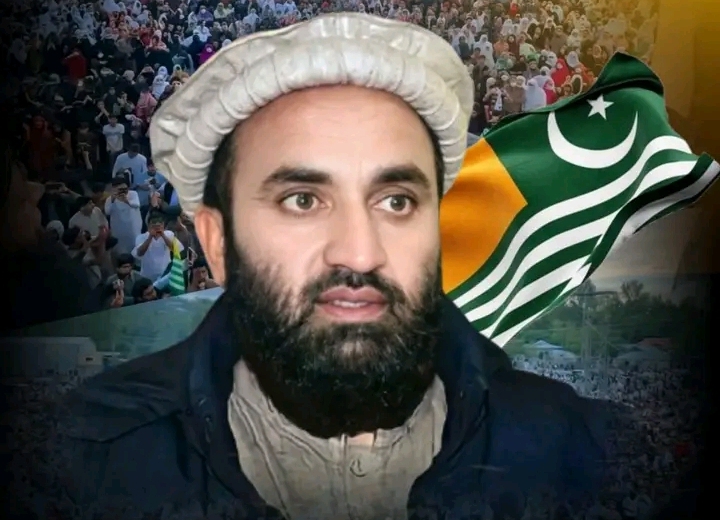
RAWALAKOT, November 9 — Sardar Umar Nazir Kashmiri has delivered a strongly worded political address at a protest sit-in in Rawalakot, challenging Pakistan’s traditional claim of representing the Kashmiri people internationally and calling on Kashmiris to become advocates of their own political rights and aspirations.
Addressing protesters, Nazir said the narrative that Pakistan was the advocate and big brother of the Kashmiri people had lost its credibility following the recent treatment of civilians in Pakistan-administered Kashmir.
He argued that Kashmiris could no longer rely on others to represent their political interests and must instead develop the confidence and capacity to speak for themselves.
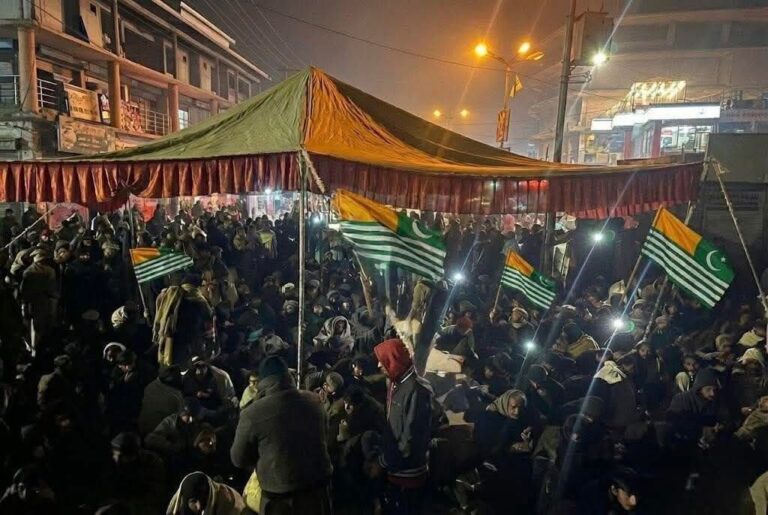
“There is no one who will be our advocate. We must become our own advocates. We have no big brother,” he said, according to the remarks reported from his address.
Pakistan’s traditional role as Kashmir’s advocate questioned
Nazir’s remarks directly challenged a long-standing political narrative in which Pakistan has presented itself as an advocate for the Kashmiri people at international forums.
He argued that the treatment of civilians during recent unrest in Pakistan-administered Kashmir had fundamentally undermined that narrative, raising questions about the credibility of claims of political solidarity and representation.


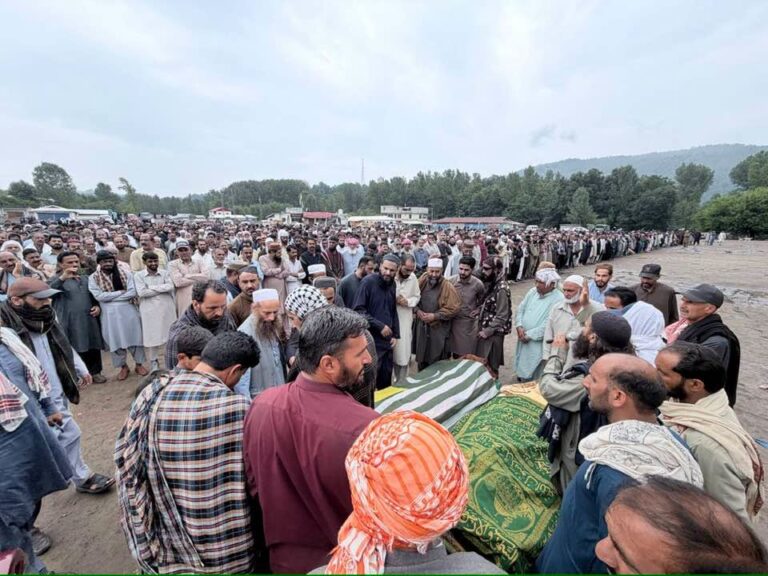
His comments reflect growing political discontent among sections of the population following the government’s handling of protests and the use of force against demonstrators.
The remarks also signal a broader debate over whether Kashmiris should continue to depend on external political representation or assert a more independent voice in discussions about their political future.
‘Kashmir existed as a state before Pakistan and India’
Referring to the region’s history, Nazir emphasised that Kashmir had its own political and state identity before the establishment of Pakistan and India in 1947.

He argued that the political identity of Kashmiris should not be reduced solely to the competing positions of the two countries.
His remarks placed particular emphasis on the historical identity of Jammu and Kashmir and the importance of recognising the Kashmiri people as political stakeholders in their own right.
The argument also touches on a longstanding question surrounding the Kashmir dispute: the extent to which the political aspirations and right to self-determination of the Kashmiri people are reflected in regional and international discussions.
Rawalakot protests and growing political tensions
The address comes amid heightened political tensions in Pakistan-administered Kashmir, where the Jammu Kashmir Joint Awami Action Committee has been leading a protest movement over public demands and governance issues.
Recent confrontations between protesters and law enforcement agencies have resulted in reports of casualties and allegations of excessive use of force.
Leaders of the protest movement have accused authorities of using violence against civilians, while the police have presented their own account of the confrontations.
The developments have intensified public debate over civil liberties, government accountability and the political relationship between Pakistan and the territory it administers.
A wider debate over Kashmir’s political future
Nazir’s address in Rawalakot goes beyond criticism of the government’s handling of the protests. It raises fundamental questions about Kashmir’s political identity, international representation and the role of its people in determining their future.
His call for Kashmiris to become their own advocates reflects a political position that places greater emphasis on independent Kashmiri political agency rather than reliance on external representatives.
Whether this position translates into a broader shift within the region’s political movement remains to be seen. However, his remarks add a significant dimension to the ongoing debate over representation, political rights and self-determination in Jammu and Kashmir.
The Azadi Times will continue to follow developments surrounding the protest movement and the evolving political debate in Pakistan-administered Kashmir.