The advisory council proposes a five-day confidence-building framework, calling for the withdrawal of security forces, restoration of communications, release of detainees and equal representation in negotiations.
RAWALAKOT, Pakistan-administered Jammu and Kashmir — The advisory council of the Jammu Kashmir Joint Awami Action Committee (JKJAAC) has outlined a series of conditions for negotiations aimed at resolving the ongoing political and humanitarian crisis in Azad Jammu and Kashmir (AJK), demanding the unconditional cancellation of security operations, protection of civilian lives and the restoration of civilian authority.
In a detailed statement issued on November 24, the council responded to the Poonch Consultative Conference organised by the Jammu Kashmir People’s Party in Islamabad and the formation of a high-level negotiating committee headed by former AJK president Sardar Masood Khan.
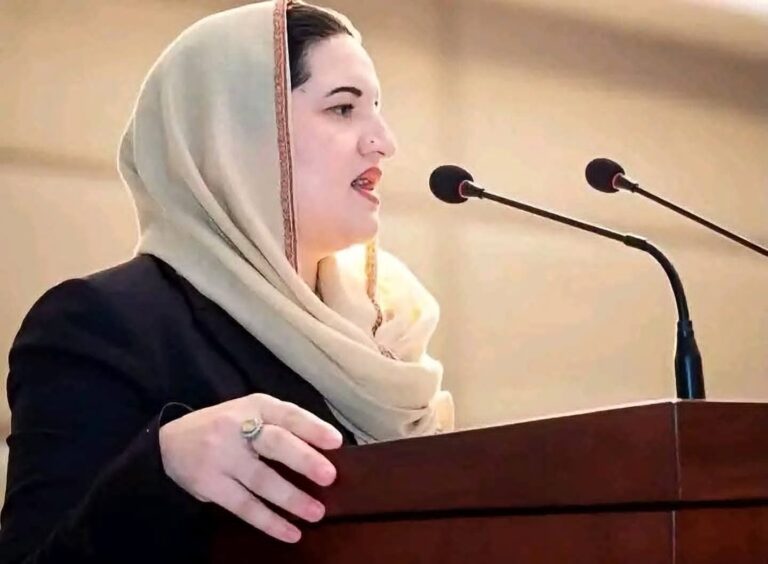
While welcoming efforts to prevent further loss of life and pursue a peaceful political settlement, the council said meaningful negotiations would require mutual recognition, written guarantees, decision-making authority and independently verifiable implementation mechanisms.
Security operations and peaceful protests
The advisory council rejected proposals linking the termination of security operations to the simultaneous conclusion of the Rawalakot sit-in.
It argued that peaceful assembly and the exercise of state security powers could not be treated as equivalent, maintaining that the protection of human life must remain independent of political concessions or the outcome of negotiations.
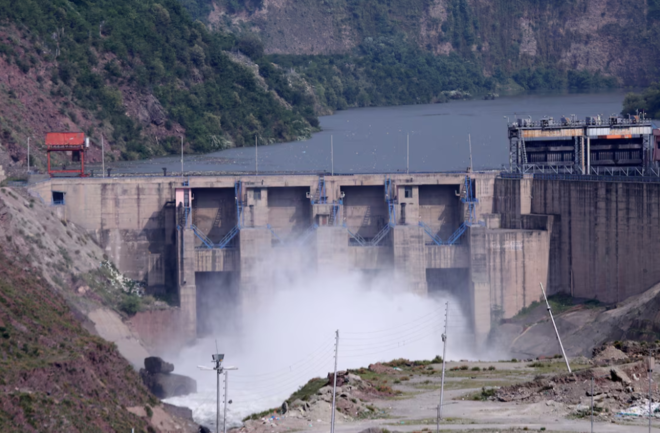
The council called for the restoration of road access, communications, educational activities and essential public services in Poonch and Sudhnoti districts.
According to the statement, any decision regarding the continuation or conclusion of the sit-in would depend on the outcome of an empowered negotiating process supported by credible guarantees.
Council rejects collective criminalisation of the movement
JKJAAC rejected the characterisation of the broader public rights movement as anti-state, violent or armed.
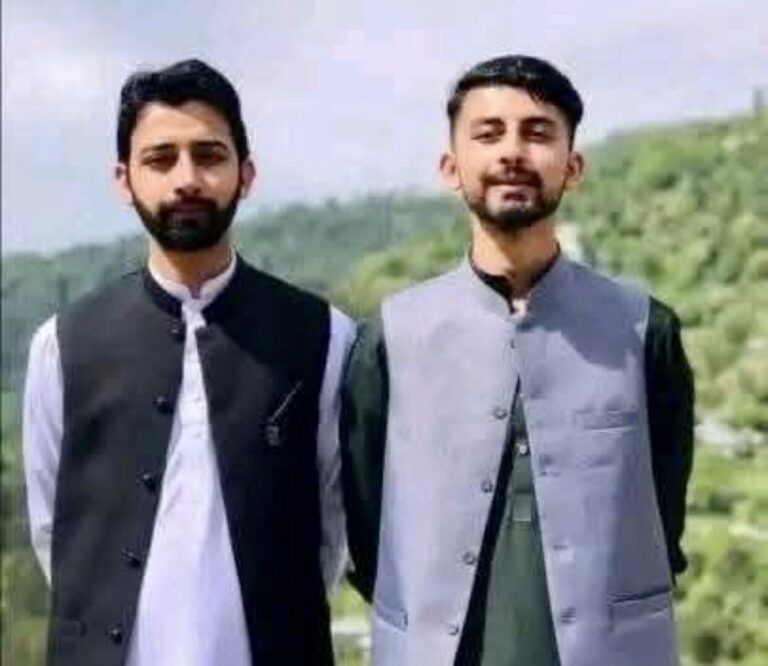

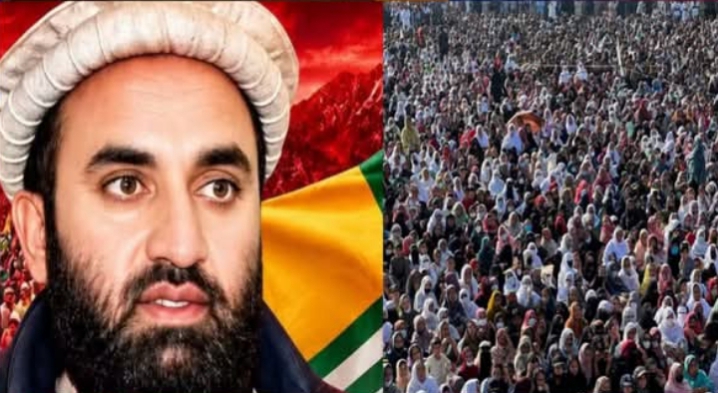
The council described the movement as a coalition involving students, teachers, traders, lawyers, workers, pensioners, women and other sections of Kashmiri society.
It said allegations of criminal conduct against individuals should be addressed through established legal procedures, credible evidence and independent judicial proceedings rather than attributed collectively to the movement.
The council also rejected proposals involving rehabilitation frameworks generally associated with armed groups, arguing that such an approach misrepresented the nature of its campaign.
JKJAAC reiterated its opposition to unlawful violence while calling for accountability and due process.
Human rights concerns and reported civilian deaths
The statement cited figures attributed to the Jammu Kashmir Human Rights Observatory, which it said had documented 104 civilian deaths in connection with the crisis since June 5, 2026.
The figure has not been independently verified for this report. Accounts of casualties and the circumstances surrounding the violence have differed between the authorities, protest representatives and other sources.
The advisory council also referred to Article 6 of the International Covenant on Civil and Political Rights (ICCPR), which protects the right to life.
It cited a joint communication, identified as AL PAK 4/2026, from six United Nations human rights mandates concerning alleged excessive use of force, arbitrary detention, communications restrictions and the proscription of JKJAAC.
Such communications seek explanations from the relevant authorities and do not constitute judicial findings establishing the allegations.
The council demanded independent investigations into all reported deaths, injuries, disappearances and unlawful detentions, alongside non-discriminatory assistance for affected families.
It maintained that financial compensation should not replace accountability or restrict families’ access to legal remedies.
JKJAAC demands equal status in negotiations
The advisory council said it was prepared to engage constructively with the negotiating committee headed by Sardar Masood Khan but rejected suggestions that the movement required a face-saving arrangement to return to the political process.
It pointed to previous negotiations and agreements involving JKJAAC, the Government of Pakistan and the AJK administration.
The council called for equal negotiating status, empowered government representatives, written guarantees, an agreed implementation schedule and a joint monitoring mechanism.
It also urged the authorities to enable the elected AJK government to conduct negotiations with effective decision-making powers.
Calls for immediate review of JKJAAC ban
The statement renewed demands for the withdrawal of the government’s decision to proscribe JKJAAC.
The council called for disclosure of the legal and evidentiary grounds behind the ban, access to relevant evidence and an independent, transparent and time-bound review.
It further demanded that punitive measures affecting peaceful political, human rights and negotiating activities be suspended pending the outcome of that process.
JKJAAC was proscribed by the AJK authorities on June 5, 2026. Legal challenges and questions surrounding the review of its proscription remain part of the wider political dispute.
Five key demands for negotiations
The advisory council identified five principal areas that it said must form the central agenda of any future negotiations.
1. Protection of human life and de-escalation
The cancellation of security operations, withdrawal of forces from confrontation, restoration of public services and protection of civilians, journalists, lawyers, medical personnel and human rights observers.
2. An enabling environment for dialogue
The release of individuals detained for peaceful political activities, disclosure of detention records, clarification of the whereabouts of missing persons and protection against retaliatory administrative measures.
The council also called for a review of Fourth Schedule restrictions, travel limitations and measures affecting employment and pensions.
3. Justice, accountability and rehabilitation
Independent investigations into reported human rights violations, access to legal remedies and equal humanitarian assistance for all affected families.
4. Implementation of previous agreements
A comprehensive and time-bound framework for implementing earlier government commitments, including the October 2025 agreement, with clearly defined institutional responsibilities, measurable targets and completion deadlines.
5. Empowered negotiations and joint monitoring
Participation by representatives with genuine decision-making authority, impartial mediation where necessary and an equally represented monitoring mechanism responsible for verifying implementation and reporting progress.
Five-day confidence-building framework
The advisory council proposed a phased confidence-building process to establish conditions for formal negotiations.
Its proposed timetable includes:
- Within 24 hours: Written cancellation of coercive security operations, measures to protect civilian lives and unrestricted humanitarian and medical access.
- Within 48 hours: De-escalation, restoration of road access and mobile communications, and a plan to reopen educational institutions.
- Within 72 hours: Disclosure of information concerning detained and missing persons, access for families and lawyers, and the release of individuals held for peaceful political activities.
- By the fifth day: Announcement of authorised negotiating teams, confirmation of the first meeting, adoption of the five-point agenda and establishment of an interim joint monitoring mechanism.
The timetable represents a proposal by the JKJAAC advisory council rather than an agreement accepted by the authorities.
Appeal to Kashmir’s political leadership
The council appealed to senior political figures, including former presidents and prime ministers of Azad Jammu and Kashmir, to support civilian protection, constitutional governance and a negotiated resolution to the crisis.
It urged political leaders to move beyond mediation and advocate for an accountable civilian administration, independent investigations and meaningful dialogue.
The council also proposed that the political leadership adopt a joint appeal centred on the protection of life, negotiations and sustainable peace.
Political uncertainty persists in Rawalakot
The statement comes amid continuing political tensions in Pakistan-administered Jammu and Kashmir, where disputes over governance, public rights, security measures and the implementation of previous agreements have contributed to prolonged unrest.
The latest declaration signals JKJAAC’s stated willingness to participate in negotiations while maintaining that political dialogue must be accompanied by credible safeguards and institutional accountability.
Whether the negotiating committee and relevant government authorities will accept the proposed conditions remains unclear.
A formal response from the AJK government, Pakistani federal authorities and the negotiating committee to the November 24 declaration could not be established for this report.
The proposed negotiations remain a potential avenue for resolving the political deadlock, although their prospects will depend on the positions adopted by the parties and their ability to agree on an enforceable framework.