
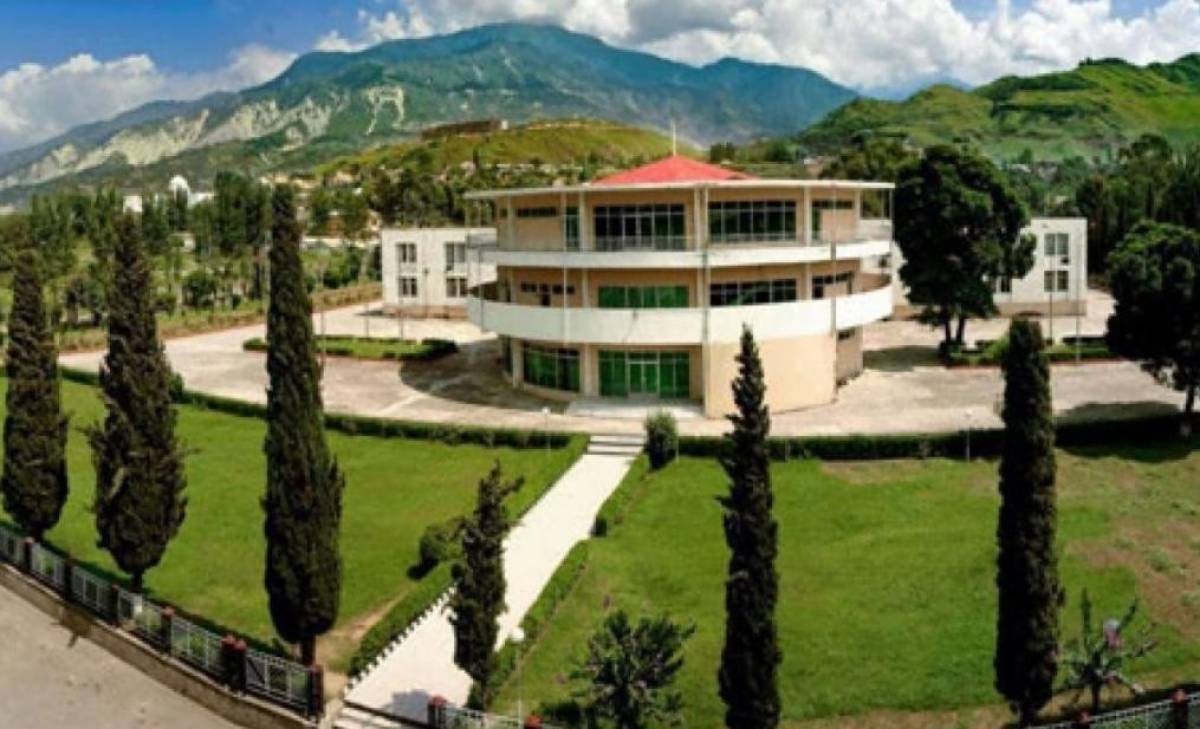
MUZAFFARABAD: A new law has been enacted in Azad Kashmir regarding public gatherings and protests, imposing severe penalties for violations, including up to 7 years of imprisonment and detention.
The Azad Kashmir government has implemented regulations governing public gatherings, protests, rallies, and meetings. The President of the State, Barrister Sultan Mehmood, has approved the ordinance sent by the Azad Kashmir government, which is now in immediate effect.
Under the new law, no unregistered political or religious party, organization, union, or association will be permitted to hold public gatherings or protests. Only registered entities will have the right to protest, and they must obtain permission from the Deputy Commissioner.

In case of violations, the Deputy Commissioner, acting as a first-class magistrate, has the authority to impose a sentence of up to 3 years or more on offenders. They can detain individuals for 3 to 5 days and may also place them under administrative detention for up to 10 days. Registered organizations must submit their applications for public gatherings, rallies, and protests at least 7 days in advance.
According to the ordinance, the application must include the coordinator’s name, copies of identity cards, phone numbers, the location, start and end times of the event, and an estimate of the number of participants. The Deputy Commissioner will review the application and obtain reports from law enforcement agencies before granting permission. The decision will be based on whether the proposed gathering will disrupt daily life, trade, or transportation, and whether it poses a risk to public property and citizen rights.
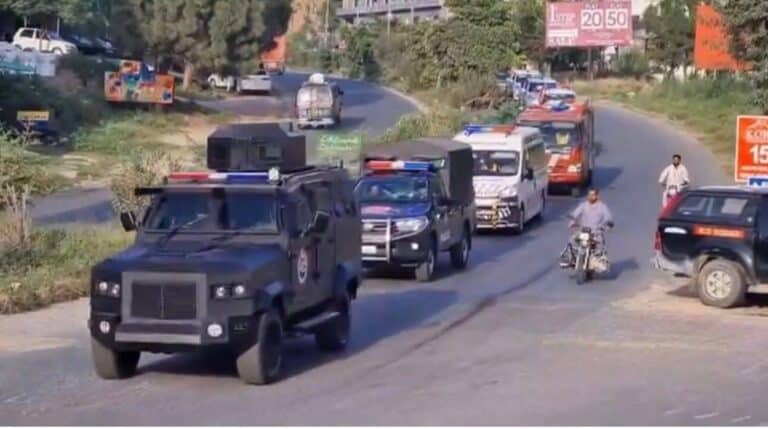

The gatherings must remain peaceful, and the use of weapons, sticks, or stones, as well as inflammatory speech, will not be tolerated. The Deputy Commissioner will designate specific areas for public gatherings and protests and has the authority to declare any area in their district as a red zone or high-security zone, where gatherings will be prohibited.
The district administration has the power to impose temporary bans on protests within their jurisdiction, with options to reduce or extend these restrictions. They may also terminate any gathering, rally, or protest immediately in light of national security or the protection of public rights. Violations of the designated location or time can result in dispersal or arrests.
Applicants may appeal decisions regarding gathering permissions to the Commissioner, with further appeals possible against the Commissioner’s decision to the Secretary of Home Affairs. The appellate authority can uphold, revoke, or amend the Deputy Commissioner’s orders and is required to issue a decision within 15 days.
The government claims that the immediate enforcement of this ordinance aims to ensure the protection of citizens’ fundamental rights as guaranteed by the constitution.