



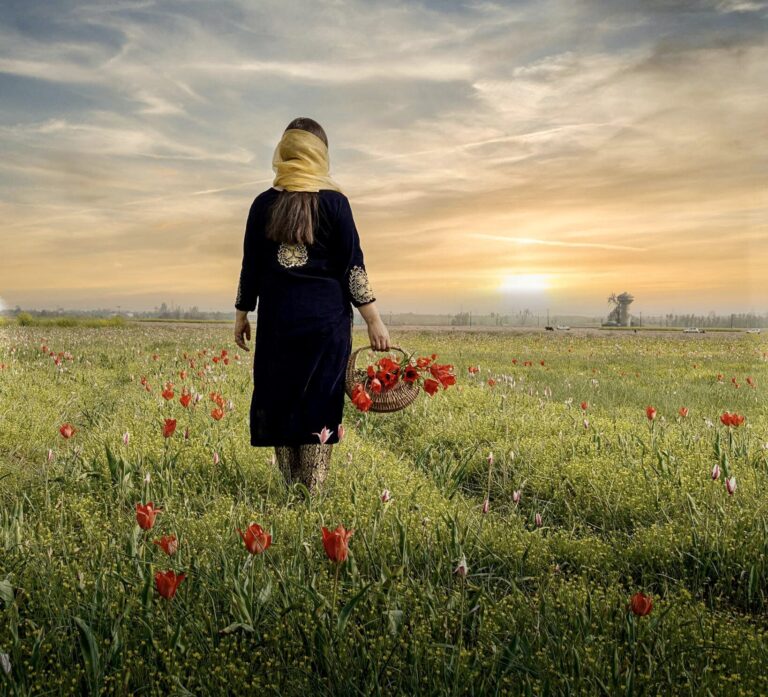






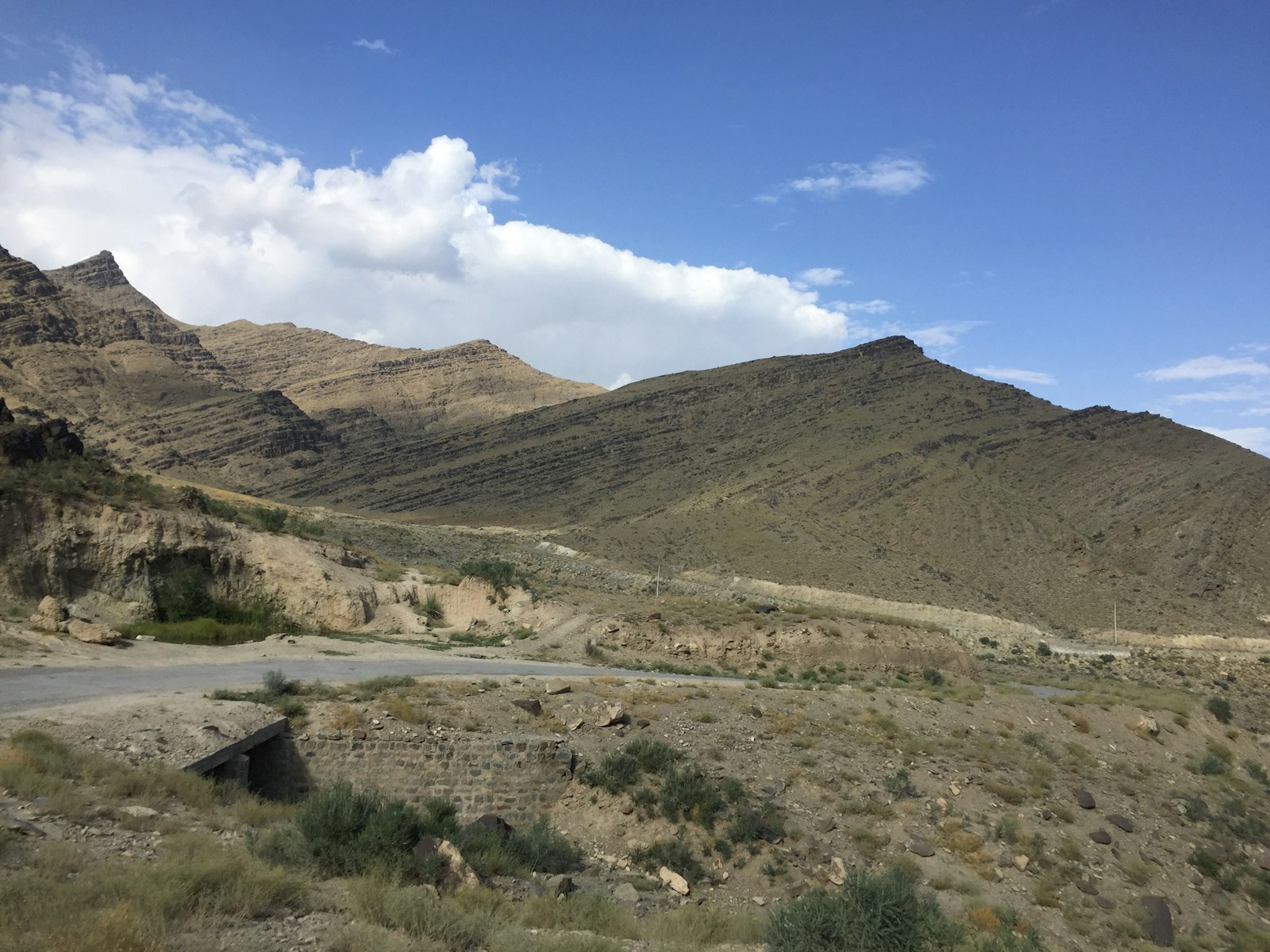
In the picturesque region of Gilgit-Baltistan, nestled amidst the towering peaks of the Himalayas, a new challenge has emerged a challenge that could have far-reaching consequences for the region’s youth, students, and the broader population.
Kashmir Needs Your Voice
With internet services suspended in Pakistan-administered Kashmir since 6 June 2026, timely reporting has become increasingly challenging. The Azadi Times is inviting Kashmir-based writers and journalists to join our network of authors and contributors.
The recent decision by the Pakistan Telecommunication Authority (PTA) to extend the Device Identification Registration and Blocking System (DIRBS) to Gilgit-Baltistan has sent shockwaves through the region, leaving many bewildered and concerned. Gilgit-Baltistan, with its unique constitutional status, stands apart from the rest of Pakistan.
It’s a region of stunning natural beauty, but one that also grapples with numerous challenges, including limited arable land, a sparse population, and vulnerability to natural disasters. Historically, it has relied heavily on federal grants for development, given its peculiar constitutional status, which means it doesn’t enjoy the same budgetary framework as other regions in Pakistan.
The recent decision to extend DIRBS to Gilgit-Baltistan, which essentially restricts the use of non-custom mobile phones in the region, is a decision that demands scrutiny. Gilgit-Baltistan’s residents have always faced unique challenges when it comes to communication and access, making this move particularly impactful.
The telecommunications and information technology sectors have seen significant growth in Gilgit-Baltistan in recent times. The youth and students have embraced information technology platforms, and this decision to limit access to non-custom mobile phones could stifle their progress. Smartphones have become tools not just for communication but for accessing online education, freelance work, and online businesses. This decision could potentially hamper these opportunities for the region’s youth. Moreover, it’s important to consider that Gilgit-Baltistan is already excluded from federal forums like the National Finance Commission, Joint Finance Council, National Education Consortium, and Universal Service Fund. This exclusion means that the region doesn’t benefit from extensive funding available to other regions for various special projects.

In the field of telecommunications, Gilgit Baltistan has witnessed the presence of the Special Communication Organization (SCO), a government entity that provides tax-free cellular and internet services to the people of Gilgit-Baltistan. While SCO’s network faces challenges, it continues to serve the region. On the other hand, other prominent telecom operators that obtained licenses to expand their operations in Gilgit-Baltistan have shown limited interest in extending their services beyond urban areas, despite including Gilgit-Baltistan in their 4G spectrum auction.
Help us expose the truth
The Azadi Times is funded by readers like you. No corporate sponsors. No government influence. Just fearless reporting.
Considering these factors, the recent decision to extend the DIRBS system to Gilgit-Baltistan raises significant concerns. The limited number of registered phones in the region is unlikely to contribute significantly to the federal treasury, yet it may profoundly impact the region’s residents and youth. It’s crucial to note that in the past, any attempt by the federal government to impose direct taxation in Gilgit-Baltistan has met with strong public resistance.

The region’s unique circumstances, including its challenging geography and limited connectivity, have historically prompted preferential policies and measures from the federal government. In light of this, the decision to extend the DIRBS system to Gilgit-Baltistan should have been approached more prudently. Delaying this decision could have allowed for a more informed and collaborative approach, taking into account the concerns and needs of the region’s residents.
As an independent news source, Azadi Times urges careful consideration of the implications of this decision. The people of Gilgit-Baltistan deserve a fair and equitable approach that recognizes their unique circumstances and challenges. It’s essential that decisions made at the federal level are sensitive to the realities of this remarkable region and its people.

