World Alzheimer’s Day: Dementia Rates Alarmingly High in Jammu & Kashmir

Date:

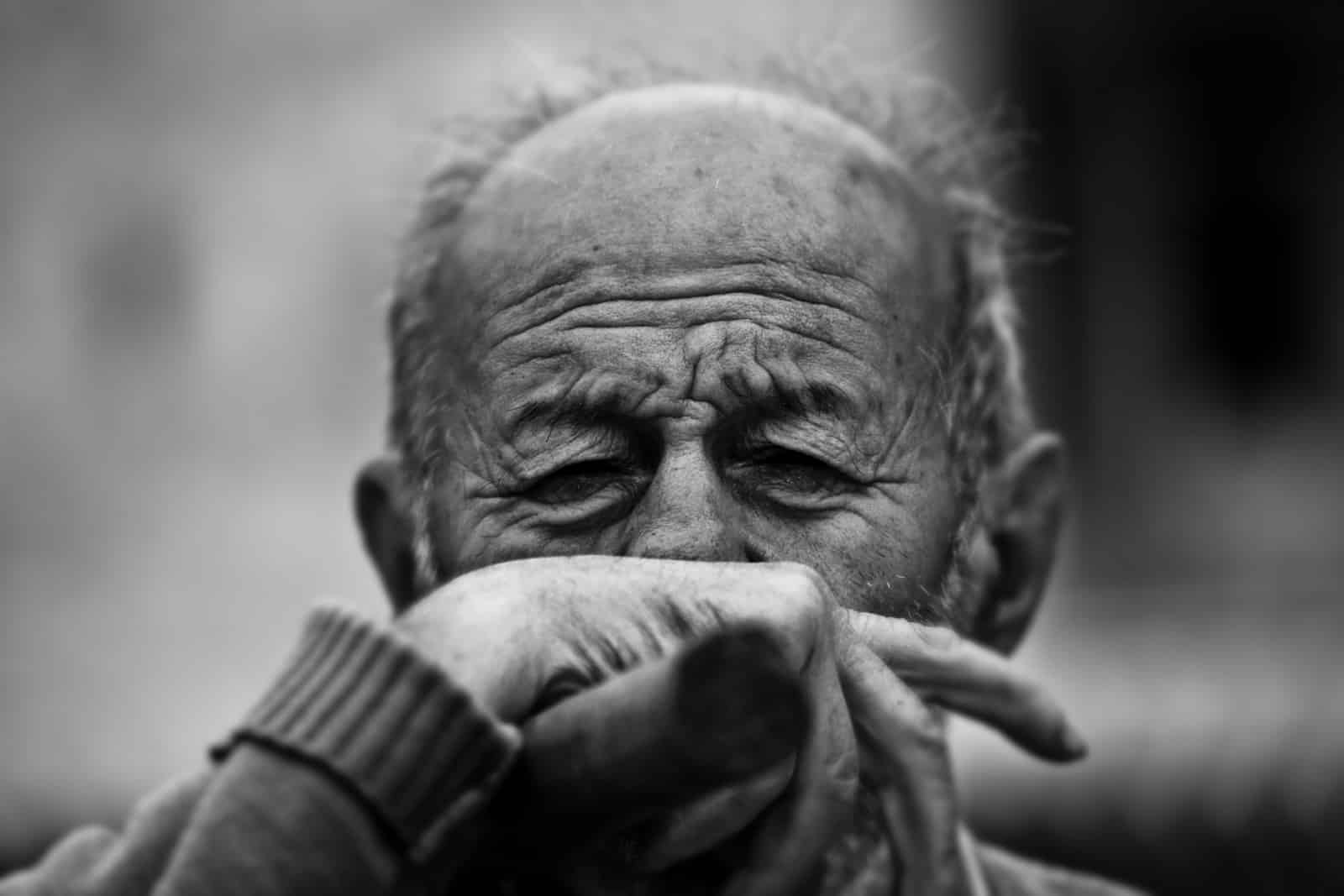
Srinagar, September 21 – On World Alzheimer’s Day, health specialists are drawing attention to the alarming rise of dementia across Jammu and Kashmir, where the prevalence of memory-related illness is among the highest in South Asia.

Dementia is not a single illness but a collective term for conditions marked by a decline in memory, reasoning, and cognitive abilities, often interfering with daily life. Although more common in older adults, doctors emphasize that dementia is not a natural part of aging. Alzheimer’s disease remains the most common type, followed by vascular dementia and others.

Recent health data shows that nearly 11.04% of people in Jammu and Kashmir are struggling with dementia-related symptoms — a rate significantly higher than the national average. Projections suggest the figure could rise to almost 15% of the population by 2036 if preventive steps are not taken.
The Azadi Times – Inline Article Block
Support Independent Journalism

Help us expose the truth

The Azadi Times is funded by readers like you. No corporate sponsors. No government influence. Just fearless reporting.

2,400+ supporters
Support $5/mo

According to experts, dementia affects people at different ages, with prevalence rising sharply after 70. Statistics reveal that almost one in four people above 84 years of age in the region are affected.

Professor Junaid Nabi from the Institute of Mental Health and Neurosciences (IMHANS), Srinagar, described dementia as a serious neuropsychiatric condition. “It affects memory, cognition, and the ability to carry out normal routines. Early detection can help manage the disease, but once it progresses, control becomes extremely difficult,” he said.

Health professionals caution that as the disease worsens, patients may lose the ability to recognize even close relatives. With the population of elderly people increasing in Jammu and Kashmir, medical experts are urging more awareness, early diagnosis, and specialized healthcare facilities to manage the challenge.
Editorial Staff
Editorial Staffhttps://azaditimes.com
Our staff is composed of experienced journalists, writers, and researchers who are passionate about truth, transparency, and the power of independent media. Each member of our editorial staff brings unique insight and regional expertise, helping us cover a wide range of topics including politics, culture, environment, human rights, and youth affairs all while maintaining journalistic integrity and a commitment to factual reporting.

LEAVE A REPLY

Please enter your comment!
Please enter your name here

EDITOR'S NOTEAzadi Times – Compact Patron Block
Editor's Note

The Truth They Hide

Do you want to know the truth that state-controlled media won't show you? Across the ceasefire line, millions of Kashmiri voices are being silenced. The Azadi Times brings those voices to you — powered by 2,400+ patrons who refuse to look away.

No Paywalls
Reader Funded
Award Winning
Join our Community From $5/month • Cancel anytime
Secure Payment
256-bit Encrypted

Related articles

New Mirpur City: How Mangla Dam Wiped Out an Old City and Built a New One — And Why It Still Defines Kashmir’s Diaspora

In the early 1960s, the old city of Mirpur began to disappear. The Jhelum River was rising, slowly...

Ranbir Penal Code: The Kashmir Law That Survived 87 Years — And Why It Still Matters

The Ranbir Penal Code (RPC) was the criminal law of Jammu and Kashmir for nearly nine decades —...

Ceiling Design in 2026: How the Fifth Wall Became the Focal Point of Modern Architecture

Walk into any newly constructed home or renovated commercial space in 2026, and the first thing that captures...

Flags of Kashmir: A Visual History of Division, Identity, and Sovereignty

In the disputed territory of Kashmir, a piece of cloth is never just a piece of cloth. It...