
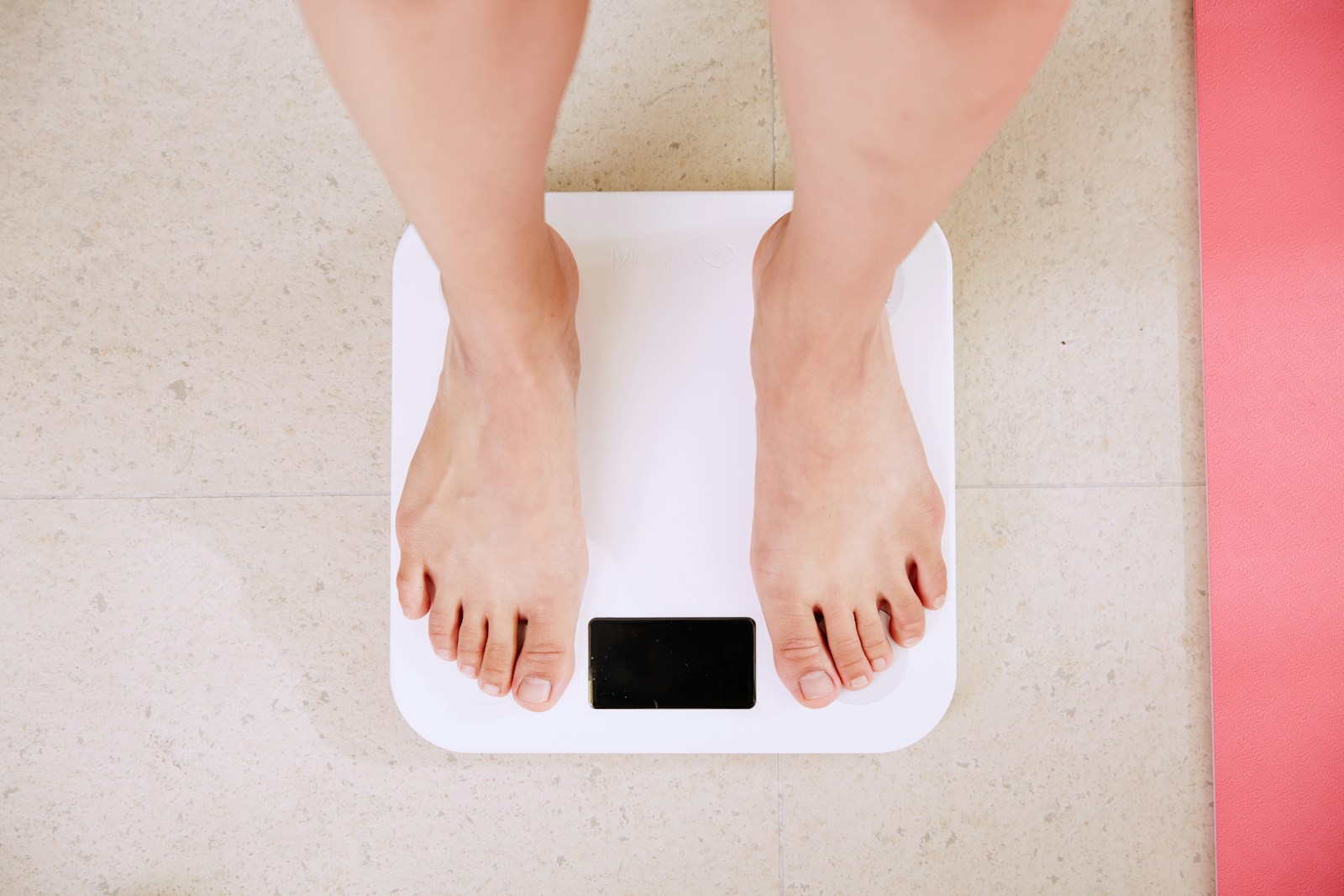

If you’ve ever reached for fat-free yogurt, skimmed milk, or low-fat biscuits in the name of health, you’re not alone. For years, these products were touted as the golden ticket to weight loss. Yet, as global research advances, experts are sounding the alarm: eliminating all fats may be undermining your health rather than helping it.
Contrary to popular belief, fat isn’t the enemy—in fact, the right kinds are essential. From powering your brain to balancing hormones, healthy fats play a role you can’t afford to ignore.
How the World Became Obsessed with Low-Fat Diets
The low-fat revolution took off in the 1980s, when early studies linked saturated fats to heart disease. Seizing the opportunity, food manufacturers flooded stores with “fat-free” alternatives. But there was a hidden trade-off: to make these products palatable, companies often added extra sugar, refined carbs, and sodium.

“Many low-fat items are just as calorie-dense as their regular versions—sometimes worse,” explains Dr. Sarah Linden, a nutrition researcher at the University of Chicago Medicine. “When you take out fat, you often lose flavor and texture, which manufacturers compensate for with unhealthy additives.”
By the 1990s, “fat-free” had become a global phenomenon. Yet, as the trend peaked, so did rates of obesity and type 2 diabetes—suggesting that the low-fat approach was far from a silver bullet.
What Science Says About Fat and Your Body
A low-fat diet is typically defined as one where less than 30% of daily calories come from fats. While this may sound sensible, long-term studies—including those from the National Institutes of Health (NIH)—show that such diets rarely lead to sustained weight loss. In many cases, participants regained weight quickly after returning to normal eating patterns.



Why? Because fat is not just a source of calories—it’s a fundamental component of wellness. Here’s what happens when you include healthy fats in your diet:
Better Vitamin Absorption: Vitamins A, D, E, and K are fat-soluble. Without dietary fat, your body can’t effectively use them, which may impact immunity, bone strength, and vision.
Sharper Brain Function: Your brain is nearly 60% fat. Omega-3s—found in fish, walnuts, and flaxseeds—support memory, focus, and cognitive health.
Balanced Hormones: Fats help produce key hormones like estrogen and testosterone.
Natural Appetite Control: Fats slow digestion, helping you feel full longer and reducing unnecessary snacking.
Healthier Skin and Hair: Essential fats maintain cell integrity, contributing to glowing skin and strong hair.


“When people cut out all fats, they’re not just reducing calories—they’re stripping away nutrients their bodies need to thrive,” says Dr. Amina Khan, a clinical dietitian at Aga Khan University Hospital.
The Hidden Dangers of a No-Fat Diet
Eliminating fats might seem like a straightforward way to cut calories, but it can backfire in surprising ways:
Nutrient Deficiencies: Without fats, your body can’t absorb certain vitamins, potentially leading to brittle bones, poor night vision, and a weaker immune system.
Increased Hunger: Low-fat meals often lack satiety, leading to cravings and overeating—especially of sugary or processed foods.
Slower Metabolism: Very low-fat intake can disrupt thyroid function and energy levels, making it harder to maintain a healthy weight.
Mood Swings and Hormonal Issues: Fats help regulate serotonin. A severe lack can contribute to irritability, anxiety, or depression.
How to Eat Fat the Right Way: A Modern Approach
Instead of fearing fat, today’s nutritionists encourage choosing wisely. Not all fats are created equal—and learning the difference can change your health trajectory.
Embrace These Fats:
Monounsaturated Fats: Think olive oil, avocados, and almonds. These support heart health and help control blood sugar.
Polyunsaturated Fats: Found in salmon, chia seeds, and flaxseeds. Rich in omega-3s, these boost brain function and fight inflammation.
Limit or Avoid:
Trans Fats: Often present in margarine, fried foods, and packaged snacks. These increase bad cholesterol and inflammation.
By prioritizing whole foods and healthy fats, you can stabilize appetite, improve insulin sensitivity, and foster sustainable weight management—all without feeling deprived.
The Final Word
The belief that “fat makes you fat” is an outdated myth. Modern science confirms that the type and quantity of fat matter more than whether it’s present in your diet.
Rather than chasing “low-fat” labels, focus on balance: incorporate avocados, nuts, olive oil, and fish into your meals. Listen to your body—it often knows what it needs.
True wellness doesn’t come from extreme restriction, but from nourishing yourself with intention and knowledge.