
The lights went out in the conference hall just as a Pakistani federal minister began listing successes in improving the electricity supply. That unintended moment of darkness during a press conference in Muzaffarabad on Monday may have been a coincidence, but for many Kashmiris watching, it told a bigger story. Hours of talks between the Pakistan-backed Azad Jammu & Kashmir (AJK) government and the Joint Public Action Committee ended without a breakthrough, leaving a four-month-old agreement unfulfilled and a region once again on the edge of political confrontation.
On 4 October 2025, the Government of Pakistan, the AJK administration, and the Joint Public Action Committee signed a 38-point Charter of Demands. The agreement was meant to address longstanding grievances of AJK residents, including electoral reforms, power sector improvements, health card restoration, banking services, and the rights of migrants settled in Pakistan.
Under the deal, implementation was supposed to begin by January 2026. But according to committee members, May is now passing with little more than announcements and newly formed committees. The Action Committee has already announced a province-wide wheel jam, shutter-down strike, a long march from Bhimber to Muzaffarabad, and a siege of the assembly on 9 June.
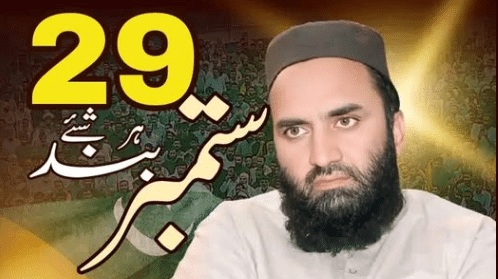
On 11 May, federal ministers Engr. Amir Maqam and Tariq Fazal Chaudhry met AJK government ministers Qasim Majeed and Dewan Ali Khan Chughtai with Action Committee representatives Choudhry Imtiaz Aslam, Umar Nazeer Kashmiri, and Shaukat Nawaz Mir in Muzaffarabad.
According to sources familiar with the meeting, the most difficult discussions centred on twelve reserved seats for migrants from Pakistan, legal cases related to firing during a previous protest march, electricity infrastructure, the health card scheme, the Bank of AJK’s status, and the Kohori Tunnel project.
Speaking to journalists afterwards, Engr. Amir Maqam said progress had been made on most demands and several points were in final implementation stages. He confirmed that a constitutional committee would meet in Islamabad on 14 May to discuss the twelve migrant seats, and invited the Action Committee to participate. “Protests and strikes are not solutions,” he said. “Given current regional and international conditions, this region cannot afford a new confrontation.”
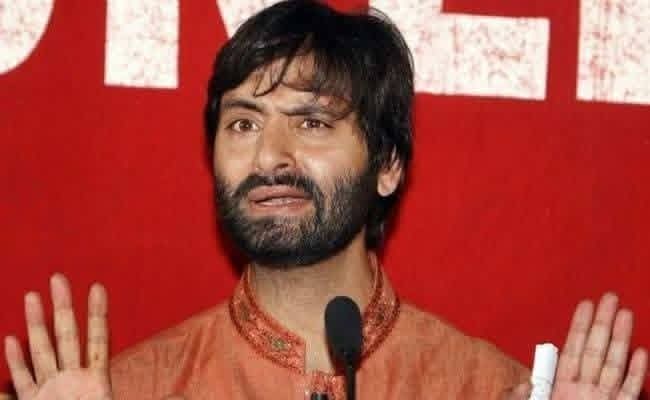
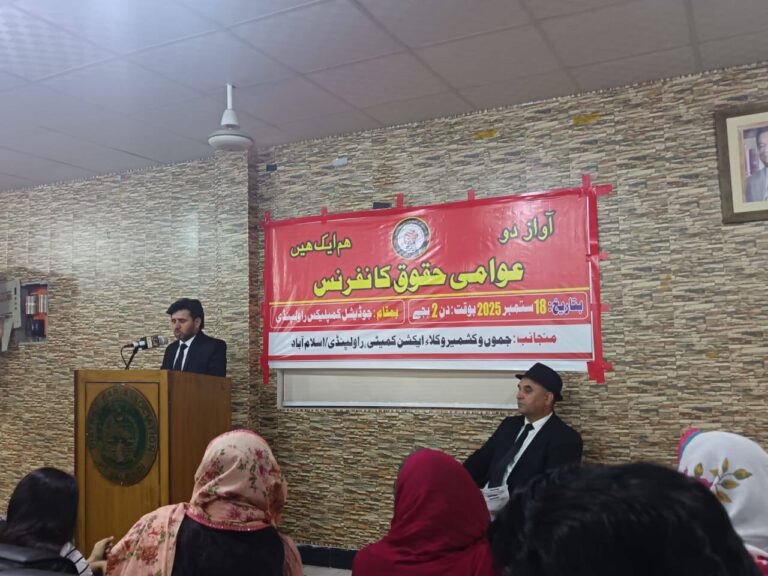
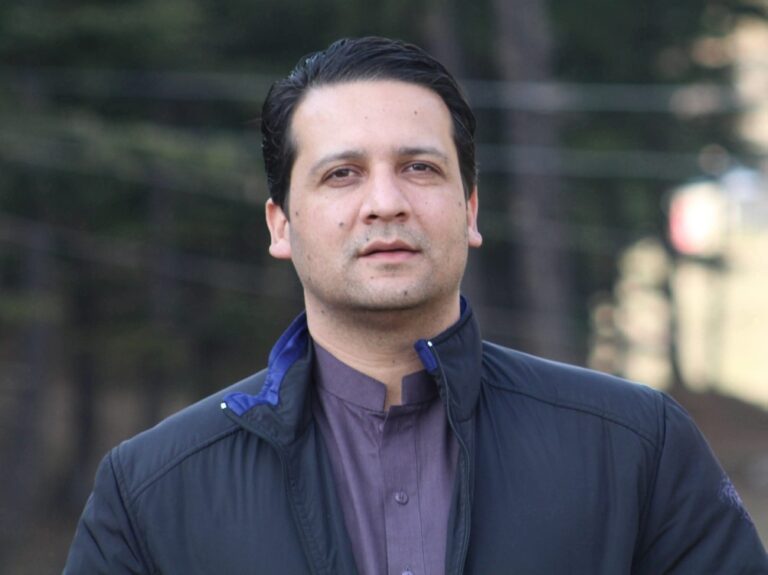
Within hours, the Action Committee’s core members rejected the government’s account.
“They have broken their promise on the 4 October agreement,” Umar Nazir Kashmiri told reporters at the Central Press Club in Muzaffarabad. “Every issue is met with delaying tactics. No clear timeline for implementation has been given.”
Shaukat Nawaz Mir challenged the government to produce a single PC-One or DWP document for any completed project. “Not one rupee has been paid to the insurance company for the health card scheme since January. The treatment system is effectively paralysed,” he said.
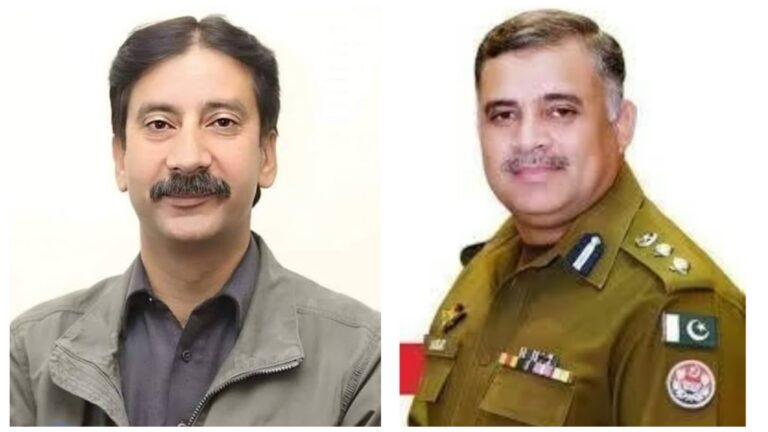

He also raised concerns about the Kohori Tunnel project, a critical route where landslides have repeatedly claimed lives. “Saudi funding is available, but now the government says a tunnel is not possible in this mountainous area. Yet the Neelum-Jhelum project tunnel was built in the same region. We fear the funds are being diverted elsewhere.”
On electricity, he stated that while Pakistan allocated 10 billion rupees for AJK’s power network improvement, the PC-One had not even been prepared since October.
The meeting also addressed legal cases arising from a previous public march. According to government representatives, several FIRs against Action Committee members have been closed, but approximately 15 cases remain pending in courts. The Action Committee argues that individuals named in cases involving firing on unarmed protesters should not be allowed to contest elections.
The government has given assurances that the constitutional committee meeting on 14 May will offer a platform to debate the twelve migrant seats. Federal Minister Amir Maqam said the committee could examine how removing or retaining those seats might affect the broader Kashmir political question.
The 11 May talks in Muzaffarabad ended without a final resolution. The government appears to be using negotiations and committees to keep the situation under control. The Joint Public Action Committee, however, shows no sign of backing down and says it remains ready to mobilise.
All eyes are now on two dates: 14 May, when the constitutional committee meets in Islamabad, and 31 May, the Action Committee’s self-imposed deadline for tangible progress. If no major breakthrough comes by then, the 9 June call for a long march and assembly siege could mark the beginning of a new and potentially turbulent phase in AJK’s political landscape.