

As Azad Kashmir navigates a disputed electoral arrangement and lingering public distrust, the fundamental question remains whether power truly stems from the ballot or state control.
Azad Kashmir is currently navigating a profound political and social crisis that extends far beyond a simple transition of government. At its core lies a widening gulf between the state and its citizens, marked by public discontent, political distrust, and a growing reluctance across the political spectrum to engage in meaningful dialogue.
In a functional democratic society, political disputes are resolved through the ballot, constitutional norms, transparency, and civic engagement rather than coercion. However, when the electoral process itself becomes a subject of intense controversy—marked by restricted public participation, disputed results, suspended communication channels, and questions over external political influence—the crisis transcends party politics to challenge the credibility of the entire representative system.
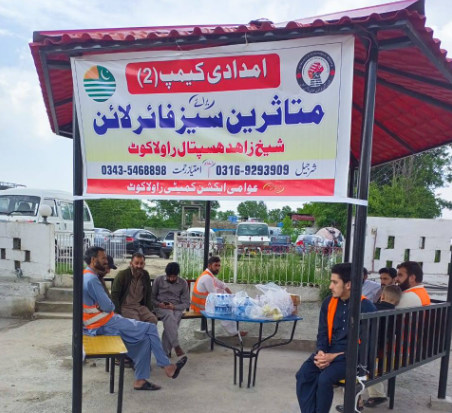
The recent phased elections in Azad Kashmir highlighted these structural flaws. The polling process was split into stages, beginning with thirteen seats in the Mirpur division, where the Pakistan Muslim League-Nawaz (PML-N) secured nine seats and the Pakistan Peoples Party (Ppp) won four. Questions immediately arose regarding whether this staggered process fully represented the political will of the Kashmiri populace.
The lead-up to the polls was compounded by widespread internet and mobile communication shutdowns that began in June. Although services were partially restored close to polling days, the disruptions severely hindered civic communication, economic activity, and political mobilization.
Subsequent phases of voting in the Muzaffarabad, Poonch, and Sudhnoti divisions faced further delays, postponements due to security concerns, and fractured regional timelines. Notably, several direct constituencies in Poonch and Sudhnoti remain unrepresented after polling was deferred, meaning a new government was formed while a significant segment of the population remained entirely excluded from choosing its direct representatives.


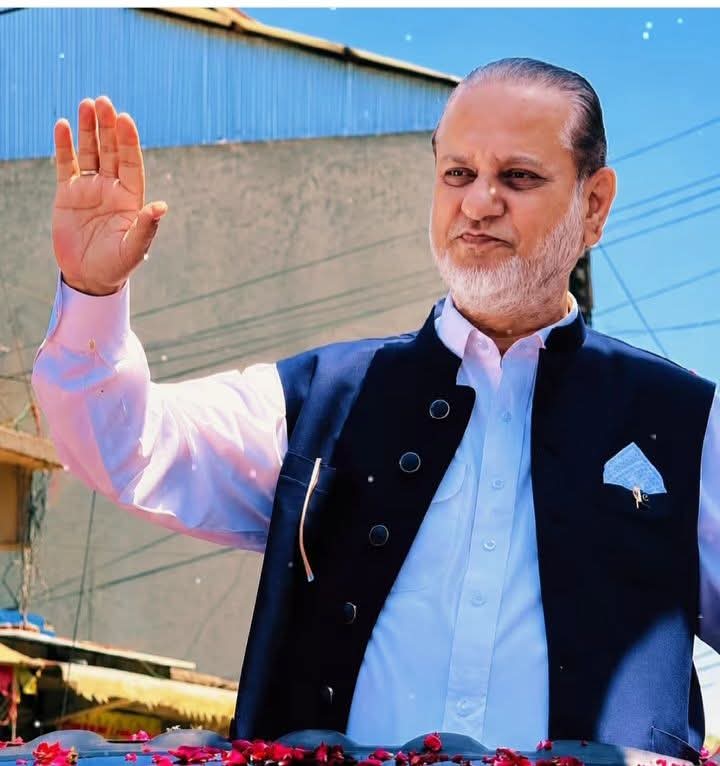
This disconnect has intensified the central political dilemma: how can an assembly claim comprehensive public representation when substantial segments of the electorate were unable to cast their votes?
Critics and political observers have also pointed to the role of technocrat and reserved seats, alongside the twelve refugee constituencies, in shaping the ultimate balance of power. With the PML-N holding central authority in Islamabad and provincial governance in Punjab, the alignment of the new administration in Azad Kashmir has fueled public debate regarding the degree of local autonomy versus external political leverage from Islamabad.
Throughout recent public movements and protests, the intervention of federal ministers from Islamabad in local negotiations further underscored questions regarding the autonomy of regional institutions. When regional crises require direct intervention from the federal capital, questions naturally arise regarding the sovereignty of local administrative bodies and the willingness of authorities to address public grievances through democratic channels rather than administrative force.

The prevailing tension between public protest and state response reflects a deeper crisis of trust. While mainstream political actors advocate for change strictly through the ballot box, a growing section of the population remains disillusioned, questioning the efficacy of electoral mechanisms when dissent is sidelined and public demands are unaddressed.
The fundamental challenge facing Azad Kashmir is not merely administrative or partisan; it is a crisis of confidence. A democratic system derives its strength from the trust of its citizens. Restoring that trust requires ensuring that electoral processes are transparent, participatory, and immune to external pressure, and that every citizen—regardless of their political stance—feels genuinely represented by the institutions of the state.