
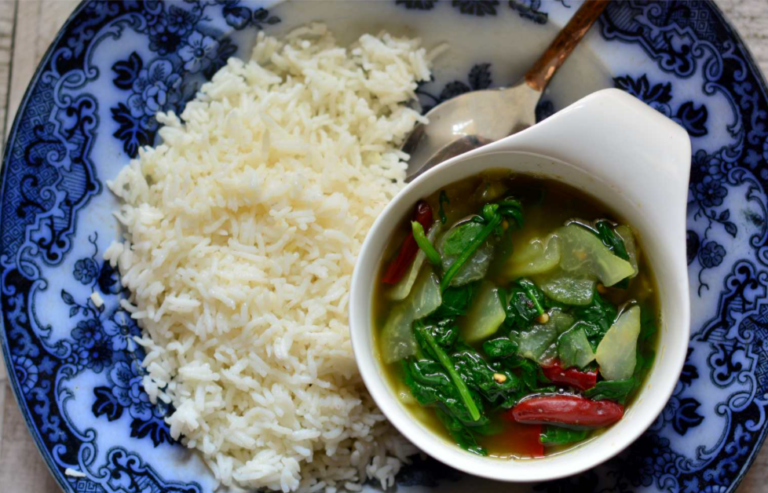
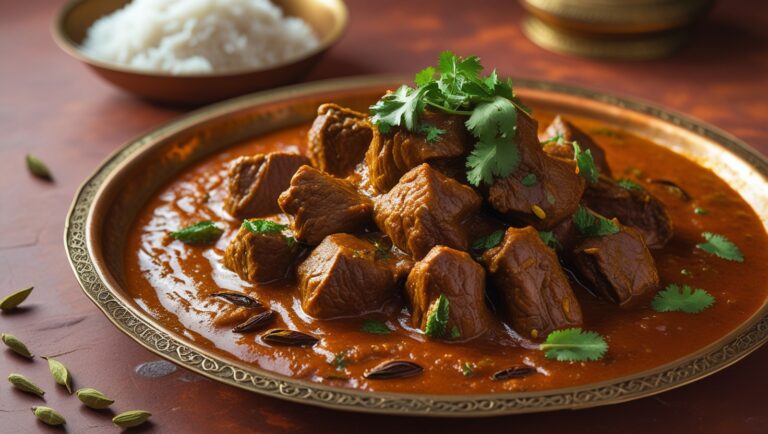
SRINAGAR, Indian-administered Kashmir — Walk into any Kashmiri kitchen in November, and you will smell it before you see it. It is not the sharp, eye-watering burn of a ordinary red chilli. It is something softer — a warm, almost fruity aroma that rises from a pan of slow-cooked curry, staining the oil a deep, glowing crimson. This is the smell of Kashmiri red chilli powder, the spice that gives Kashmiri cuisine its signature colour without its signature pain.
For anyone who has eaten a proper Kashmiri rogan josh or yakni, the experience is unforgettable: a dish that looks fiery enough to bring tears, yet tastes mellow, aromatic, and deeply complex. The secret is not in the chef’s restraint. It is in the chilli itself. Kashmiri red chilli — known locally as kashmiri mirch — is a mild, deeply coloured variety that has become one of the most sought-after spices in the world, and its story is inseparable from the valley that grows it.
This is the story of Kashmiri red chilli powder — what it is, why it is different, how it is used, and why a spice from a disputed Himalayan region has found its way into kitchens from London to Lahore to New York.
What Is Kashmiri Red Chilli Powder?
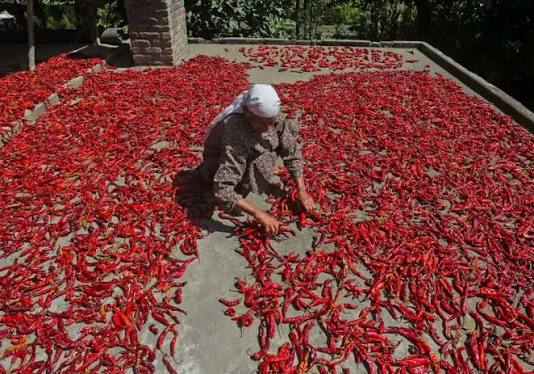
Kashmiri red chilli powder is a ground spice made from dried Kashmiri chillies, a variety of Capsicum annuum grown primarily in the Kashmir Valley and adjacent regions. It is prized not for heat but for colour — a vivid, natural red that chefs describe as “scarlet” or “crimson” — and for a mild, slightly sweet, almost smoky flavour.
The confusion many international cooks face is simple: they expect a chilli called “Kashmiri” to be hot. It is not. On the Scoville scale, which measures chilli heat, Kashmiri chillies typically register between 1,000 and 2,000 Scoville Heat Units (SHU) — roughly comparable to a mild paprika or a poblano pepper, and far below the 30,000–50,000 SHU of a typical cayenne. The heat is gentle, the colour is intense, and that combination is what makes the spice so valuable.
According to culinary and agricultural sources, Kashmiri chilli is distinguished by its thin skin, its deep red colour, and its relatively low capsaicin content. When dried and ground, it produces a powder that is bright, aromatic, and remarkably versatile. It is used not only in Kashmiri cooking but across South Asian cuisine, where it is valued as a natural food colouring as much as a flavouring.
Why Kashmiri Chilli Is Different: Colour Over Heat
The defining characteristic of Kashmiri red chilli is the ratio of colour to heat. Most chillies are bred for pungency — the higher the Scoville rating, the more valuable the crop. Kashmiri chilli is the opposite: it is bred for its pigment.
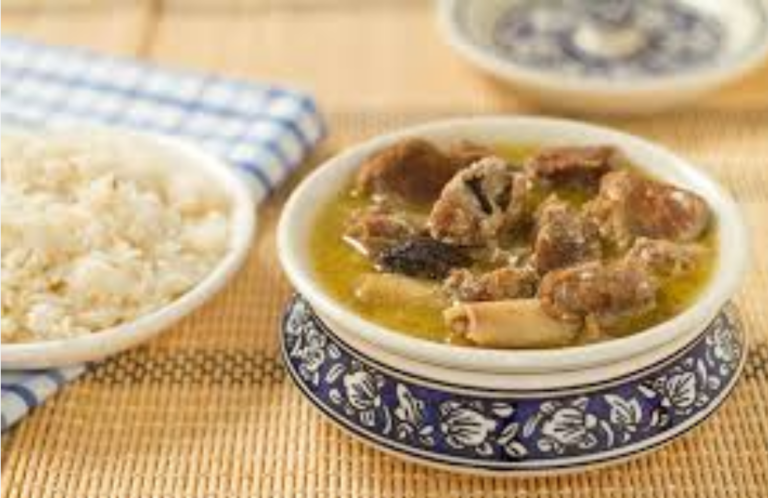
This is why Kashmiri red chilli powder is often used in dishes where a deep red colour is desired but a strong burn is not. Traditional Kashmiri dishes such as rogan josh, yakni, gustaba, and tabak maaz rely on the chilli for their visual identity. The powder is added early in the cooking process, often to hot oil or ghee, where it releases its colour and aroma without overwhelming the palate.
The same logic applies outside Kashmir. In Mughlai and Punjabi cooking, Kashmiri red chilli powder is used to give tandoori marinades and curries their characteristic red hue. In the global food industry, it is used as a natural colourant — a cleaner-label alternative to synthetic dyes. And in home kitchens across the diaspora, it has become a staple for cooks who want the look of a spicy dish without the heat.
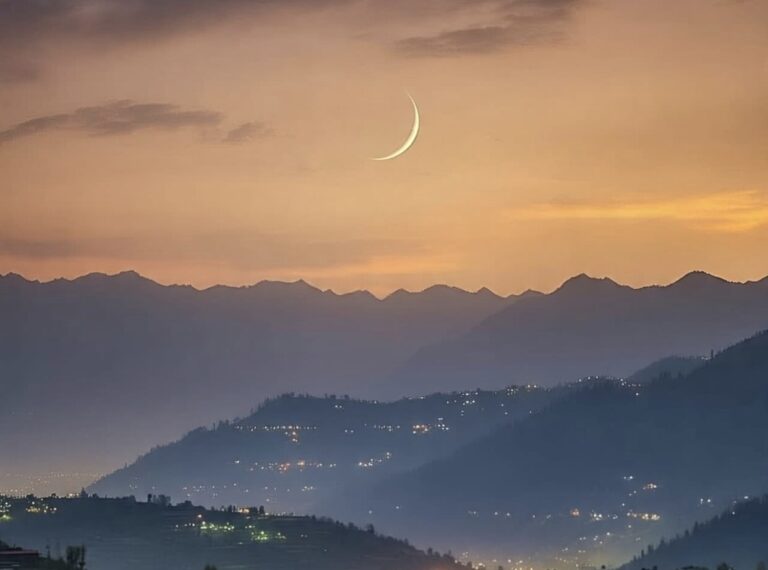

There is also a regional dimension. Kashmiri chilli is grown in the valley’s specific climate — cool, temperate, with distinct seasons — and this affects the flavour. The powder has an earthy, slightly fruity note that distinguishes it from chillies grown in warmer climates. This terroir is part of what makes the Kashmiri variety unique, and it is why the name “Kashmiri” carries weight in the spice trade.
How It Is Made: From Field to Powder
The production of Kashmiri red chilli powder is a slow, seasonal process that has changed little in its essentials for generations.
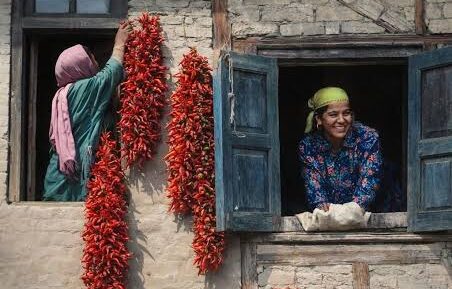
The chillies are harvested in late summer and autumn, when they are fully ripe and deep red. They are then dried — traditionally in the sun, spread on mats or rooftops, where they turn brittle and dark. The drying process is crucial: it concentrates the colour and flavour, and it determines the quality of the final powder. In Kashmir’s autumn climate, with its clear skies and cool air, the conditions are ideal.
Once dried, the chillies are stemmed and ground. Traditional grinding was done on stone mills, which produced a coarse, intensely coloured powder. Modern production uses mechanical grinders, but the principle is the same: the goal is to preserve the colour and aroma, not to generate heat. The powder is then sieved and packed, often with minimal processing to retain its natural character.
The result is a powder that varies in intensity depending on the variety and the season. Good Kashmiri red chilli powder is bright, aromatic, and free of additives. Poor-quality versions are often diluted with other chillies, artificial colours, or fillers — a problem that has led to increased demand for certified and single-origin products.
How to Use Kashmiri Red Chilli Powder
For cooks unfamiliar with the spice, the first lesson is simple: use more than you think you need, and expect less heat than you fear.
Because Kashmiri chilli is mild, recipes often call for a full teaspoon or more where a pinch of cayenne would suffice. The goal is colour and aroma, not fire. The powder is typically added to hot oil or ghee at the start of cooking, where it blooms and releases its pigment. In Kashmiri cooking, this step is called tadka or baghar, and it is the foundation of many classic dishes.
Beyond Kashmiri cuisine, the powder is used in:
Tandoori and Mughlai dishes — for the characteristic red colour of marinades and curries
Lentil and bean dishes — to add depth and colour without heat
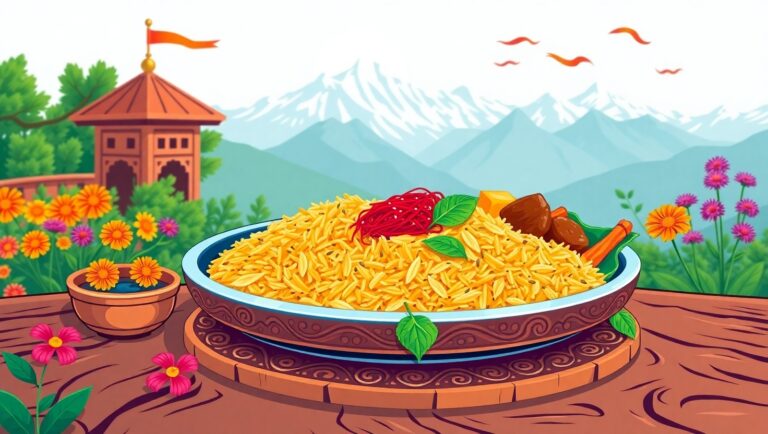
Rice dishes — for a subtle red tint and aroma
Marinades — as a natural colourant for grilled meats
Spice blends — as a component of garam masala and other mixes
A practical tip for international cooks: Kashmiri red chilli powder can be used as a partial substitute for paprika or mild chilli powder, but it has a distinct flavour profile. It is earthier and more aromatic than paprika, and it is best used in dishes where colour matters as much as taste.
The Health Dimension: Why Mild Matters
One of the reasons Kashmiri red chilli powder has gained international attention is its health profile. Capsaicin, the compound that makes chillies hot, has been studied for its potential benefits — including metabolism support and pain relief — but it can also cause digestive discomfort in sensitive individuals. Kashmiri chilli, with its low capsaicin content, offers the flavour and colour of chilli without the intensity.
The powder is also rich in natural pigments, particularly carotenoids, which are antioxidants. It contains vitamins and minerals, and it is used in traditional medicine as a digestive aid and a warming spice. These claims should be treated with the caution due to any traditional remedy, but the nutritional profile of the spice is genuinely notable.
For international readers, the key point is that Kashmiri red chilli powder is not a “hot” spice. It is a flavouring and colouring agent with a gentle warmth, and it can be used generously by cooks who want the taste of chilli without the burn.
The Global Journey: From the Valley to the World
Kashmiri red chilli powder has travelled far from the valley. It is now sold in South Asian grocery stores across the United Kingdom, the United States, Canada, and the Gulf. It appears in the ingredient lists of restaurant dishes and packaged spice blends. It has become a pantry staple for home cooks who want authentic colour in their curries.
The global demand has had mixed consequences. On one hand, it has created export markets for Kashmiri farmers and traders, and it has raised the profile of Kashmiri cuisine internationally. On the other hand, it has created a market for counterfeit and diluted products. The name “Kashmiri” is not always protected, and buyers are advised to look for reputable suppliers, clear labelling, and, where possible, single-origin products.
There is also a cultural dimension. For the Kashmiri diaspora, the spice is a link to home — a way of recreating the taste of the valley in kitchens far away. For international cooks, it is an entry point into a cuisine that is often overshadowed by the region’s politics. In that sense, Kashmiri red chilli powder is a small ambassador: a spice that carries the name of a disputed land into kitchens around the world, and in doing so, tells a story that is not only about conflict.
Frequently Asked Questions
Is Kashmiri red chilli powder hot?
No. Kashmiri chilli is mild, typically 1,000–2,000 on the Scoville scale. It is used for colour and flavour, not heat.
What is the difference between Kashmiri chilli powder and regular chilli powder?
Kashmiri chilli powder is milder and deeper in colour than most regular chilli powders. It is used primarily for its red pigment and aroma, not for pungency.
Can I substitute Kashmiri red chilli powder with paprika?
Partially. Paprika is also mild, but it has a different flavour profile. Kashmiri chilli is earthier and more aromatic. Use paprika as a substitute only if the recipe does not depend on the specific Kashmiri flavour.
Where can I buy authentic Kashmiri red chilli powder?
Look for South Asian grocery stores, specialty spice retailers, and reputable online suppliers. Check for clear labelling and, where possible, single-origin certification.
Is Kashmiri chilli powder used in Kashmiri dishes like rogan josh?
Yes. It is a core ingredient in many traditional Kashmiri dishes, where it provides the characteristic red colour and a gentle warmth.
Conclusion: A Spice That Carries a Valley
Kashmiri red chilli powder is a small thing — a spice, a colour, a flavour. But it carries a larger story. It is a product of the valley’s soil and climate, a craft of drying and grinding, and a taste that has travelled from Kashmiri kitchens to the world.
For cooks, it is a tool: a way to add colour and warmth without heat. For Kashmiris, it is a taste of home. For the international reader, it is a reminder that Kashmir is not only a place of conflict, but a place of cuisine, craft, and culture — a place whose flavours have found their way into kitchens around the world.