A Qatari delegation held talks in Tehran as Washington maintains pressure and Gulf states seek a limited arrangement to ease shipping disruption in the Strait of Hormuz.
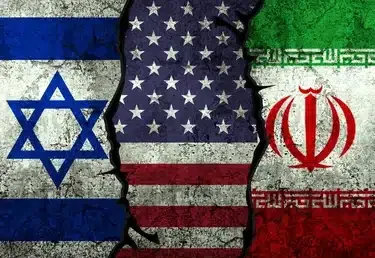
WASHINGTON / TEHRAN, 22 November 2026 — Diplomatic efforts to contain the war involving Iran, the United States and Israel continued over the weekend, but no publicly confirmed agreement has emerged to end the conflict or resolve the confrontation over shipping through the Strait of Hormuz.
A Qatari delegation visited Tehran and held talks on Friday night, Iranian Deputy Foreign Minister Kazem Gharibabadi said on Saturday. He said Iran remained in contact with mediators, including Qatar, through in-person and virtual discussions, and was examining whether diplomacy could be given another chance, according to Reuters’ report on the visit.

The contacts underline Qatar’s continuing role as an intermediary between Tehran and Washington. Iranian Foreign Minister Abbas Araghchi has also said in recent days that Tehran remains open to diplomatic efforts, while insisting that any settlement must address the conditions created by the war.
Trump says current Iranian terms are unacceptable
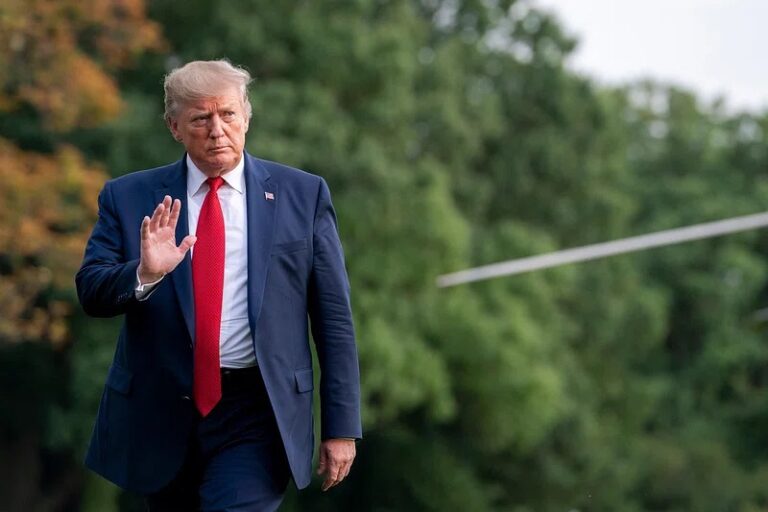
US President Donald Trump said on Saturday that Iran wanted an agreement to end the conflict but had not offered terms he considered acceptable. He reiterated that Washington would not allow Iran to obtain a nuclear weapon, according to The Associated Press.
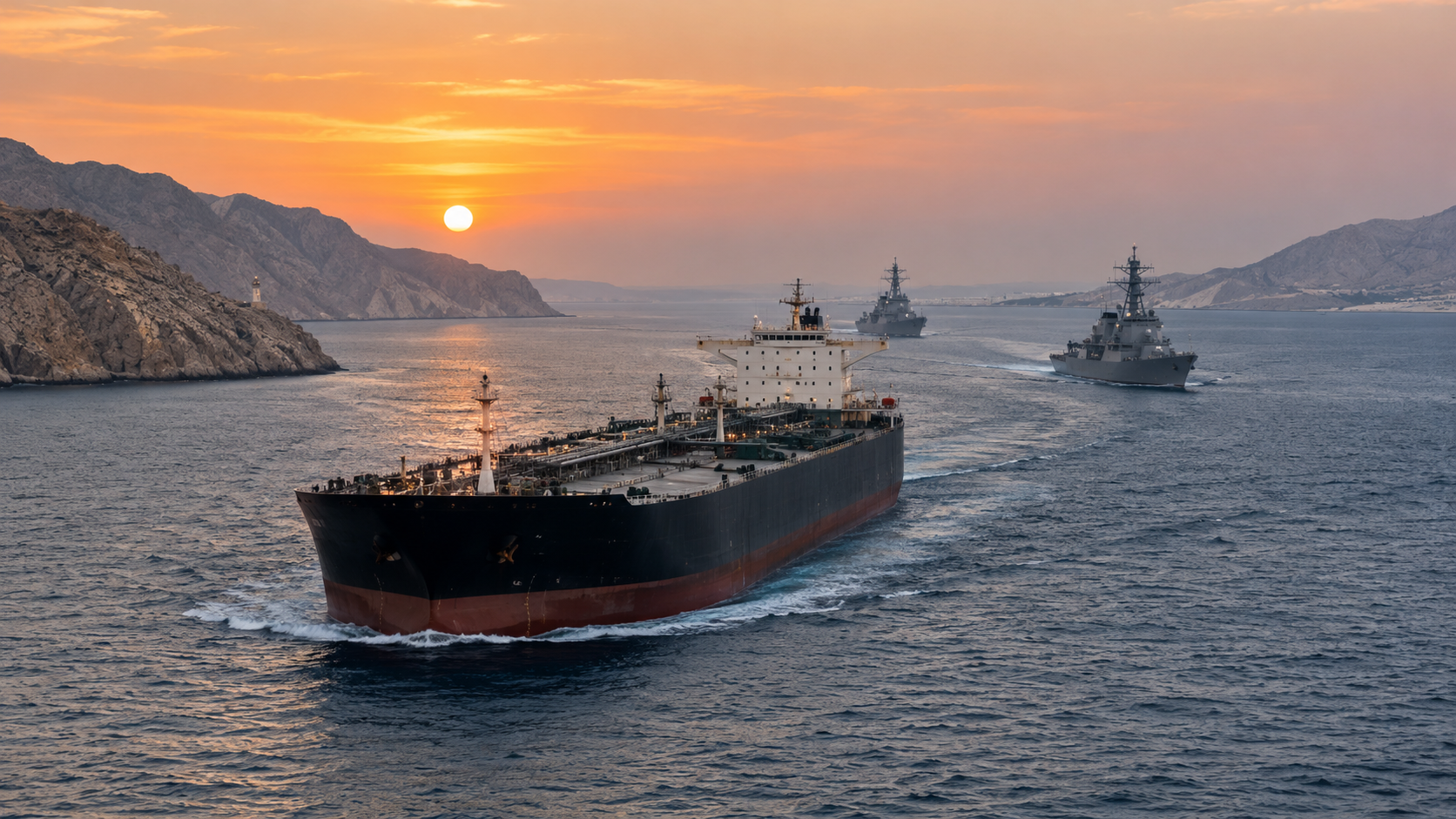
Gulf governments are meanwhile exploring a more limited arrangement that could reopen or stabilise commercial shipping through the Strait of Hormuz in exchange for some sanctions relief and wider negotiations, including on Iran’s nuclear programme. The proposal reflects concern that a prolonged confrontation could further damage regional trade and energy supplies.

Blockade and regional attacks keep tensions high
The United States continues to enforce a naval blockade and economic pressure campaign against Iran. The confrontation has also involved attacks on US-linked facilities in the Gulf. The Associated Press reported that Iranian attacks recently targeted US facilities in Kuwait and sites in Bahrain after a US strike on an Iranian missile site.
Israeli Prime Minister Benjamin Netanyahu has urged renewed action against Iranian capabilities, according to recent reporting. The combination of military pressure, regional attacks and uncertainty over negotiations has left Gulf states concerned about possible damage to oil and power infrastructure, shipping routes and other critical facilities.
A Reuters analysis published on 17 November described the conflict as a strategic stalemate. Washington has relied heavily on the blockade and economic pressure, while Tehran has demanded that the blockade be lifted, frozen assets released and oil sales restored before substantive nuclear negotiations. The two sides remain far apart on the sequence and conditions for talks.


Strait of Hormuz remains central to the crisis
The Strait of Hormuz remains a major point of concern because it is a critical route for global energy shipments. Continued insecurity and restrictions on maritime movement have increased pressure on regional governments and energy markets. Any prolonged disruption could affect oil supplies, shipping costs and economies well beyond the Middle East.
The diplomatic discussions have therefore focused not only on the nuclear dispute but also on maritime access, sanctions and the wider security framework in the Gulf. A limited agreement on shipping could reduce immediate economic risks, but it would not by itself settle the deeper disagreements that led to the war.
What happens next?
For now, the public signals remain mixed. Iran says it is willing to explore diplomacy, while the US administration says the proposals on the table do not meet its requirements. Gulf states are pressing for de-escalation, but military pressure and the risk of further retaliation remain.
The war began on 28 February 2026 with US and Israeli attacks on Iran and has since spread across the region. The Azadi Times has previously reported on the opening strikes and their economic impact, the conflict’s wider regional consequences and the financial and human cost of the war.
Further developments will depend on whether Qatar and other mediators can narrow the gap between Washington’s demands and Tehran’s conditions, and whether the parties can prevent further attacks from widening the conflict.
This report is based on publicly available reporting by Reuters and The Associated Press. Statements and claims by governments and military actors are attributed to the sources reporting them.
Follow The Azadi Times’ full Iran–US–Israel conflict coverage.